TL;DR: Staying awake and alert on long holiday road trips reduces the risk of fatigue-related crashes, which often result in injuries for drivers, passengers, and others. Drowsy driving slows reaction time and may trigger liability if an accident occurs. Evidence like crash reports and deadlines can affect claims, especially for holiday travelers in California.
Table of Contents
Staying awake and alert on long holiday road trips requires planning and knowing when to stop. Getting enough sleep, taking breaks every two hours, sharing driving duties, and avoiding overnight driving can significantly reduce the risk of fatigue-related crashes.
Drowsy driving slows reaction time, reduces attention, and can cause brief microsleeps that leave a vehicle uncontrolled at highway speeds. During busy holiday travel periods in California, these effects increase the risk of serious accidents involving other drivers, passengers, pedestrians, cyclists, and motorcyclists.
This guide explains practical ways to stay alert during long holiday drives and outlines the circumstances under which fatigue-related crashes may result in increased legal liability under California law.
Key takeaways:
If you are planning a long holiday drive, the points below summarize key takeaways on staying alert, managing fatigue, reducing crash risk, and understanding how liability may arise in the event of an accident.
- Sleep at least seven hours before long holiday road trips.
- Stop every two hours to stretch and reset attention.
- Share driving duties whenever possible.
- Avoid overnight and early-morning driving.
- Fatigue-related crashes may give rise to liability under California law.
Fatigue affects judgment and reaction time long before drivers are aware of it. Recognizing the risks and understanding the factors that determine responsibility for a crash can help drivers make safer decisions during the holiday travel season. If legal questions arise after an accident, AK Law Firm can explain how California law may apply. Call (888) 488-1391 for information.
Why Drowsy Driving Is A Major Holiday Risk And How To Stay Alert
Drowsy driving is more than feeling tired. Fatigue can impair reaction time, attention, and judgment in ways that closely resemble alcohol impairment. During the holidays, drivers travel longer distances on less sleep and under greater time pressure, which magnifies these effects.
Federal safety data shows that tens of thousands of injury crashes each year involve drowsy drivers. The risk rises during holiday travel periods. Disrupted sleep schedules, emotional stress, and traffic congestion combine to increase driver exhaustion. As a result, car accident lawyers often handle a higher number of injury claims during this time.
Holiday travel increases fatigue due to:
- Longer driving distances
- Late-night and early-morning travel
- Disrupted sleep routines
- Increased traffic congestion
- Emotional stress and mental fatigue
When drivers push through fatigue, they are more likely to drift between lanes, miss hazards, or react too slowly to avoid a collision.
Fatigue can be especially dangerous when larger vehicles are involved. When a tired driver operates a commercial vehicle, the risk of truck accidents, including those caused by driver fatigue, increases due to longer stopping distances and the greater force involved in a crash.
How Fatigue Affects Driving Ability
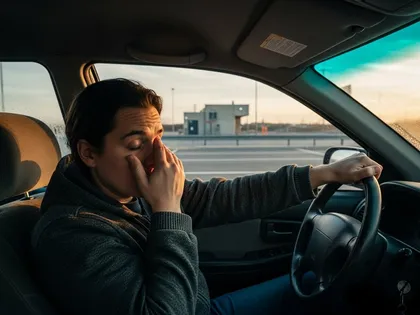
Safe driving depends on steady attention, sound judgment, and quick reactions. Fatigue gradually weakens all three, often without obvious warning.
- Slower Reaction Time — A tired driver may take longer to brake or steer, reducing the ability to avoid sudden hazards.
- Impaired Judgment — Fatigue affects decision-making, leading drivers to underestimate risks or continue driving when they should stop.
- Microsleeps — Brief, involuntary episodes of sleep can last a few seconds. At highway speeds, this is enough time to lose complete control of a vehicle.
Even a brief lapse in attention can have serious consequences. When a tired driver drifts out of a lane or fails to notice changing traffic, the risk of severe injury increases, especially for vulnerable road users. This is why fatigue-related crashes can be particularly dangerous in motorcycle accidents, where riders have little physical protection in a collision.
When Are Drowsy Driving Crashes Most Likely To Happen?
Fatigue-related crashes tend to occur under predictable conditions. They happen most often:
- Between midnight and 6 a.m., when alertness naturally drops.
- In the late afternoon, many people experience a second dip in focus.
- During long, uninterrupted drives, especially on monotonous highways.
- On rural or poorly lit roads, where low visibility exacerbates the dangers of fatigue.
Reduced alertness during these times also increases the risk of pedestrian accidents, particularly in early morning or evening hours when visibility is limited and reaction time is already compromised.
Drivers traveling long distances for the holidays often fall into higher-risk categories, especially those who drive overnight, work night shifts, or attempt to complete trips in a single day.
Holiday Travel Conditions That Increase Crash Risk
Holiday travel places added strain on drivers. Roads are more crowded, trips take longer, and schedules become rushed. These conditions can quickly wear drivers down.
- More Cars and Heavier Traffic — Congestion leads to longer travel times and increased mental fatigue.
- Long Drives Without Enough Breaks — Long highway drives can feel repetitive, making it harder for drivers to notice when they are starting to feel drowsy.
- Less Sleep and Busy Schedules — During the holidays, people often stay up late for festivities, wake up early for travel, or feel pressure to squeeze tight schedules into a short timeframe. Inadequate sleep before driving reduces alertness and slows response times.
- Stress and Mental Exhaustion — Dealing with traffic, time pressure, and managing holiday plans can drain a driver’s focus. Mental exhaustion, especially when combined with physical tiredness, makes it harder to stay alert and react quickly.
California Weather And Road Conditions
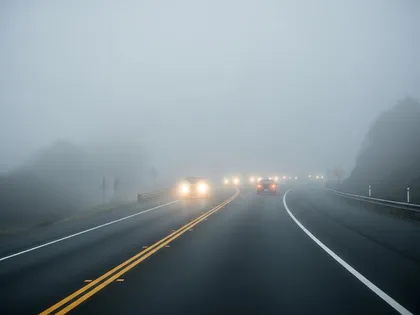
In California, winter driving conditions vary significantly by region and can increase the risk of fatigue-related incidents.
Coastal and valley areas, including the Bay Area, Central Valley, and the Highway 99 corridor, often experience rain and dense tule fog, which sharply reduces visibility. Fog is most common during early morning and evening hours, when drivers are already more likely to feel tired.
Mountain regions such as the Sierra Nevada, Donner Pass on the I-80, and routes along Highway 50 can involve snow, ice, and rapidly changing conditions. Even Southern California drivers may encounter icy roads at higher elevations, such as the Grapevine on I-5.
Holiday congestion also affects rideshare drivers. Long hours and unfamiliar routes can increase the risk of fatigue-related crashes, including Lyft accidents, especially during peak travel weekends.
Warning Signs Of Drowsy Driving You Should Never Ignore
Fatigue often builds gradually, making it easy to dismiss early warning signs. That said, consider looking out for these common signs of fatigue:
- Frequent yawning
- Heavy eyelids
- Lane drifting or hitting rumble strips
- Missing exits or traffic signals
- Difficulty remembering the last few miles driven
- Trouble focusing or a wandering mind
These signs indicate that driving ability is already impaired. Pulling over to rest or switching drivers can help prevent a serious crash.
How Common Is Drowsy Driving During The Holidays?
Drowsy driving is not uncommon, and it becomes even more hazardous during busy travel periods, such as the holidays. National safety data shows that fatigue plays a role in thousands of serious crashes each year, even though it is often underreported.
According to the National Highway Traffic Safety Administration (NHTSA), police reported about 91,000 crashes involving drowsy drivers in a single year, leading to tens of thousands of injuries and hundreds of deaths. Safety experts believe the real numbers are likely higher because fatigue is difficult to measure after a crash.
Research also shows that driving while tired can impair a driver in ways similar to alcohol. Public health studies indicate that being awake for 17 hours can affect performance at a level comparable to a 0.05% blood alcohol concentration, while 24 hours without sleep can resemble 0.10% BAC, which is above the 0.08% legal limit in California.
Holiday travel adds to this risk. Millions more drivers are on the road, often traveling long distances on less sleep than usual. AAA projects that over 100 million people will travel by car during the year-end holiday season, resulting in increased congestion, longer travel times, and higher driver fatigue.
The danger increases during certain hours. Safety data shows that drowsy-driving crashes occur most often late at night, early in the morning, and in the mid-afternoon, when alertness naturally drops.
Together, these numbers demonstrate why fatigue is a significant concern during holiday travel and why staying alert behind the wheel is crucial.
Practical Tips For Staying Awake And Alert On Long Holiday Road Trips
Long holiday drives can wear drivers down, especially in California, where trips often cover long distances and road conditions can change quickly. Whether you are driving through busy cities, long valley highways, or mountain passes, fatigue can build before you realize it.
These tips help drivers stay alert and know when to stop driving to avoid an accident on a road trip.
- Get Enough Sleep Before You Leave — Most adults need 7 to 9 hours of sleep to stay alert. Starting a trip already tired increases the risk of a crash, especially on longer routes such as Los Angeles to Sacramento or San Diego to the Bay Area.
- Take Regular Breaks — Stop every two hours or about every 100 miles. Stretching and moving around helps reset attention, especially on long highways like the I-5 or Highway 99.
- Take Turns Driving When You Can — Sharing driving duties gives everyone time to rest and recharge. Switch drivers before exhaustion sets in, especially on overnight trips.
- Use Caffeine With Care — Caffeine can provide short-term alertness, but does not replace sleep. When it wears off, drowsiness can return quickly.
-
Pull Over When You Feel Tired — Heavy eyelids, frequent yawning, or trouble focusing are signs that it’s time to stop. Rest areas and short naps can help restore alertness, particularly in foggy or mountainous regions like Northern California or Donner Pass.
Coastal routes, such as the Pacific Coast Highway, require steady focus due to their curves, cliffs, and limited shoulder space. If you feel tired while driving this route, it is safer to pull over and rest rather than try to push through fatigue.
- Avoid Driving During High-Risk Hours — Late-night, early-morning, and late-afternoon hours are associated with higher fatigue risk. Driving during daylight, when possible, helps reduce the danger. If you must drive at night, take extra breaks and pay close attention to how you feel.
California’s long distances, busy highways, and changing weather can make holiday driving more tiring than many people expect. Planning, taking breaks, and prioritizing rest over rushing can help you stay alert and reduce the risk of a serious road accident.
What Is The 3-Second Rule And Why Does It Matter?
The 3-second rule helps drivers maintain a safe following distance. When the vehicle ahead passes a fixed object, count three seconds. Your vehicle should not pass the same object before the count ends. In poor weather or heavy traffic, increase the following distance.
Fatigue slows reaction time, making a safe following distance even more critical.
How Long Is Too Long To Drive In One Day?
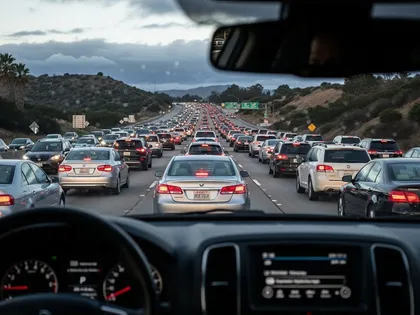
Fatigue builds over time, even if a driver feels “okay.” Long driving days increase the risk of crashes, especially when combined with poor sleep or adverse conditions. Research shows that fatigue degrades performance (slower responses, reduced attention, and impaired decision-making), and safety guidance consistently stresses the need for regular breaks and adequate rest to reduce crash risk.
Trips become riskier when they involve:
- Back-to-back long travel days.
- Night or early-morning driving.
- Monotonous highways like I-5 or Highway 99.
- Fog, rain, or mountain roads.
If a trip requires more than 10 hours of driving, breaking it into multiple days can reduce cumulative fatigue.
Can Drowsy Driving Lead To Legal Liability In California?
Yes. Under California law, drivers have a duty to operate their vehicles safely and responsibly. Choosing to drive while dangerously fatigued may be considered negligent. In fatigue-related cases, proving negligence often depends on showing that the driver ignored warning signs or drove for an unreasonable length of time under the circumstances.
If a drowsy driver causes a crash, injured people may have the right to seek damages through a personal injury claim. Evidence may include:
- Crash reports
- Witness statements
- Driving duration and timing
- Phone records or work schedules
- Expert analysis
California follows a comparative negligence system, meaning fault can be shared among parties. Even if more than one factor contributed to a crash, liability may still apply.
What Should You Do After A Fatigue-Related Accident?
If you are involved in a crash, consider taking the following steps:
- Seek medical care immediately.
- Report the accident to law enforcement.
- Document the scene and injuries if safe to do so.
- Avoid speculating about the fault at the scene.
- Speak with a lawyer before dealing with insurance companies.
Many injured people think, “I need a personal injury lawyer,” when they realize how complex fault and insurance issues can be.
Recoverable Damages After A Drowsy Driving Accident
A fatigue-related crash can affect health, income, and daily life. Depending on the circumstances, recoverable damages may include:
- Medical care for injury treatment, including chiropractic care, and ongoing needs.
- Lost income if injuries limit the ability to work.
- Pain and suffering related to physical discomfort and recovery.
- Emotional distress, such as anxiety or sleep disruption.
- Injury-related out-of-pocket expenses.
The damages available vary based on the severity of the injuries and their impact on the injured person’s life.
Frequently Asked Questions
After a drowsy driving accident, it’s normal to have questions about what to do next and what options may be available under California law. These FAQs address the most frequently asked questions about this type of accident.
Do Lawyers Only Get Paid If They Win?
Many personal injury attorneys work on a contingency fee basis. This means the attorney only gets paid if they recover compensation for the client.
If you are seeking free accident lawyer advice, a consultation can help you understand your options and how to handle fees before you decide how to proceed.
How Long Do You Have To File A Claim In California?
In most California personal injury cases, the statute of limitations is two years from the date of injury. Missing this deadline can permanently bar your claim.
Special rules may apply in certain situations, including cases involving children or government entities.
What Are Some Tips For Staying Awake And Alert On Long Holiday Road Trips?
Plan, get enough sleep, take regular breaks, share driving duties, and stop driving if fatigue begins to set in.
Can I File A Claim If A Tired Driver Caused My Accident?
Possibly. In California, you may be able to file a personal injury claim if a driver’s fatigue contributed to negligent driving and caused your injuries. Drowsy driving can impair attention, reaction time, and judgment. Evidence such as police reports, witness statements, or driving behavior may help show fault. California’s comparative negligence rules may still allow recovery even if you share some responsibility.
Should I Talk To A Lawyer Before Insurance Companies?

In many cases, yes. Consulting with a lawyer before speaking with insurance companies can help protect your rights and prevent common mistakes during the claims process. Insurance adjusters may ask questions or request statements that could later be used to limit or deny your claim, even if you were not at fault.
An experienced personal injury lawyer can explain what information you should and should not share, help you understand the value of your claim, and handle communications on your behalf. This can be especially important after a serious crash involving drowsy driving, where fault and evidence may not be immediately apparent.
At Arash Law, our attorneys review the facts of the accident, explain your options under California law, and guide you through the next steps before insurers get involved. This early guidance can help protect your claim and reduce stress while you focus on recovery.
Legal Help For Injuries Caused By Drowsy Driving
Protect your safety on the road this holiday season. If you or a loved one were injured in a crash caused by another driver’s negligence, including drowsy driving, Arash Law’s dedicated car accident lawyers may be able to help you understand your legal options. A qualified personal injury attorney can review your situation, explain your rights under California law, and discuss next steps during an initial consultation.