California Night Driving Accident Lawyers

  • PAY NOTHING UPFRONT
  • OVER $0 BILLION RECOVERED
  • ZERO-FEES UNTIL WE WIN
Recover Lost Wages, Property Damage, and Medical Bills.
Arash Law Practice Area Border/Divider

We’ll review what happened and tell you what options may be available.

Or, get LIVE help now — call our free 24-hour accident hotline at (888) 488-1391

Table of Contents

Night Driving Accident Lawyers Protecting Your Rights In After-Dark Crashes

In California, most night driving accident cases fall under negligence law, which holds a driver responsible when they fail to use reasonable care and cause harm. A night driving accident case means a crash that happens after dark and leads to injury or death. These wrecks often involve low visibility, headlight glare, higher speeds, and a greater risk of impaired or drowsy driving. If another person’s unsafe driving caused your injuries, you may have the right to pursue compensation.

To recover compensation, you typically must prove duty, breach, causation, and damages under California’s negligence rules. At night, “reasonable care” often means driving for what you can actually see, slowing down when lighting drops, and staying alert for pedestrians and sudden hazards. You do not need to prove the other driver intended to hurt you. You need evidence that links their careless driving to your injuries, and night driving accident lawyers often build that proof with scene photos, video, witness statements, vehicle damage, and medical records.

Why Night Driving Accident Cases In California Are Different

In California, night-driving accident claims often depend on evidence of visibility, impairment, and a reasonable driving speed for dark road conditions.

Night crashes in California follow patterns that shape how a claim develops, so it helps to connect the dots early. The response agency and roadway type often set the tone for the first report and the early evidence, including:

  • California Highway Patrol (CHP) responses on freeways and state routes like the I-5, I-10, I-405, U.S. Route 101, SR-91, and the I-80, where reports often focus on lane position, speed, and headlight issues
  • Los Angeles Police Department (LAPD) and the San Diego Police Department (SDPD) responses on surface streets, where reports more often involve intersections, crosswalk visibility, left turns, and late-night rideshare pickups

If the insurance company will not resolve the claim, the case can be filed in a county court, such as Los Angeles County Superior Court, Orange County Superior Court, or San Diego County Superior Court, depending on where the crash occurred and where the parties are located.

Insurance companies also tend to rely on the same arguments in California night-driving cases. They often say you should have seen the danger sooner, even when glare, darkness, or poor lighting made that unrealistic. They also zoom in on impairment, including driving under the influence (DUI) and drowsy driving, because those risks go up at night. That is why early proof matters more than people expect, especially when:

  • Traffic camera coverage stays limited, so there may be no clear video of the moments before impact.
  • Business security video can be overwritten quickly, especially near bars, restaurants, gas stations, and shopping centers.
  • Police reports take time, and the insurer may lock in its story before you even see the report.
  • Witnesses disappear fast because fewer people stop, and many leave right away.
  • Symptoms show up later, and the insurer uses gaps in treatment to question the injury link.
  • Hit-and-run or low-limit coverage creates payment problems, which can shift the claim toward uninsured or underinsured motorist coverage (UM/UIM).

Finally, some California night crashes involve public roads and public agencies, which can quickly change the timeline. If poor roadway lighting, missing signs, or a dangerous road condition played a role, you may need to start with a claim through city or county risk management under the California Government Claims Act before you can file a lawsuit. That shorter process makes early action important, because proof can disappear while you wait.

Night-driving accident lawyers often review lighting, signage, and roadway design early to avoid claims being derailed by missed deadlines or missing evidence.

How Insurance And Compensation Usually Work After A California Night Crash

In California, the at-fault driver’s liability insurance usually pays first for a nighttime crash, but coverage disputes and policy limits often control what you can actually recover.

Insurance runs the early stage of most California night crash claims, and it often moves faster than your recovery. Here is how payment usually plays out:

  • The other driver’s liability policy typically pays first.
  • A hit-and-run, no insurance, or low limits can push the claim toward uninsured or underinsured motorist coverage (UM/UIM).
  • Insurers often apply fast pressure after night crashes, including early calls and quick settlement talks.

Insurers also tend to fight night cases with the same themes, and these arguments can affect value. Common disputes include:

  • Visibility and perception claims, like “you should have seen it sooner.”
  • Fault-shifting based on speed, lane position, and attention.
  • Treatment timing attacks, where they use gaps in care to question the injury link.

Then you look at compensation, which should reflect what the crash actually cost you, not the first offer. California law often allows economic and non-economic damages, including:

  • Medical bills and future medical care.
  • Lost income and reduced earning ability.
  • Vehicle repair or total loss costs.
  • Pain, discomfort, and daily limits.
  • Emotional distress and trauma symptoms.
  • Loss of enjoyment of life.

Punitive damages apply in limited situations, but facts like driving under the influence (DUI) can affect whether that issue comes into play.

Common Causes Of Nighttime Crashes In California

Night driving comes with extra risks. When a driver ignores low visibility, drives impaired, or fails to adjust to road conditions, fault is often hard to deny.

Night driving brings a higher death risk because people see less and react more slowly, even on familiar routes. Federal Highway Administration data shows that about half of traffic fatalities happen at night, even though only about a quarter of travel happens after dark. California adds its own twists, like coastal marine layer fog, Central Valley tule fog, bright headlight glare, and long late-night drives between spread-out communities.

Most nighttime crashes trace back to predictable problems, and each one shows up in a very California way:

  • Driving Under the Influence (DUI): This risk rises late at night in nightlife corridors and on weekends, when more drivers leave bars, restaurants, and events. The CHP also runs targeted DUI enforcement like patrol operations and sobriety checkpoints, which reflects how often impairment shows up in serious night crashes.
  • Drowsy Driving: This shows up when people push through long commutes, late shifts, and long drives between spread-out cities. Fatigue can hit in waves, and a few seconds of micro-sleep can look like “no braking” in the physical evidence.
  • Speeding on Open Roads: This happens when traffic thins out after dark, and drivers treat emptier lanes like permission to drive faster. Higher speed shortens reaction time and makes any impact more severe, especially when visibility already feels limited.
  • Distracted Driving: This becomes more dangerous at night because drivers need more time to spot pedestrians, cyclists, stopped cars, and debris. A quick glance at a phone can mean a driver never sees the hazard until the last second.
  • Headlight Failures and Visibility Impairment: These issues occur when headlights burn out, aim too low or too high, or become clouded by grime and oxidation. Even a minor lighting failure can matter after dark because it changes what drivers can see.
  • Glare From Bright Headlights and High Beams: This problem often feels worse on busy urban streets where headlight brightness varies from car to car. Glare can wash out lane lines and pedestrians for a moment, and that moment can decide whether a driver reacts in time.
  • Fog, Rain, and Low-Contrast Road Markings: This risk rises when the coastal marine layer rolls in or when Central Valley tule fog drops visibility fast. Wet pavement also reflects light and glare, making lane lines and hazards harder to judge.
  • Wild Animal Crossings: These occur most often where roads cut through open space, such as foothill and canyon edges, and rural connectors near parks and ranch land. Caltrans even marks known deer migration crossings with warning signs in some areas, and wildlife corridors like the Liberty Canyon crossing zone highlight how common these movements can be after dark.
$41,950,000.00
A $41.95 million verdict for customers attacked inside a Walmart after a baseball bat left on the sales floor was used in the assault. A jury found Walmart partially responsible based on the evidence presented at trial.
Do I Have A Case
$17,900,000.00
A $17.9 million unanimous verdict against the County of Los Angeles involving two clients harmed in a serious crash. The jury determined the County was entirely at fault after a hard-fought trial that highlighted the clients’ long-term medical needs and the County’s denial of responsibility.
Do I Have A Case
$3,500,000.00
A $3.5 million verdict for a client who suffered a traumatic brain injury in a 2017 collision. Before trial, the insurer initially offered $18,500 and later increased the offer to $300,000. After hearing medical testimony and evidence of the victim’s ongoing symptoms, the jury awarded damages for past and future pain and suffering and future medical care.
Do I Have A Case

(No guarantee of outcome. Results displayed were dependent on unique facts of that case, and different facts will bring different results.)

What You Must Prove After A Night Driving Crash

A night crash claim requires proof, by a preponderance of the evidence, that the at-fault party’s unsafe driving caused your injuries and losses.

To win a night crash claim, you need more than a story about what happened. You need proof that ties a specific driving choice to a specific harm. Night conditions often become the battleground, as insurers argue over visibility, reaction time, and perception. That makes the “why” behind the collision just as important as the damage itself.

Here is what the proof usually needs to show, in plain terms:

  • Duty and Breach: The other driver had to drive with reasonable care, but they failed to do so under the circumstances, such as speeding in low light, driving impaired, driving distracted, following too closely, or driving with unsafe headlights.
  • Causation: That unsafe choice must connect to the collision and your injuries, meaning the crash would not have happened the same way without the driver’s mistake, and the mistake played a substantial role in the harm.
  • Damages: You must show actual losses through medical records, proof of missed work, and a clear symptom timeline.

Because night cases often turn into “who could see what and when,” the most helpful proof usually includes:

  • A crash report from the CHP or local police, plus the report number and any diagram notes.
  • Accident scene photos that show lighting, glare sources, lane layout, signage, and vehicle angles.
  • Dashcam footage and nearby business video, collected early before systems overwrite.
  • Witness statements taken quickly, while memories still match the scene.
  • Medical records that show symptom onset, diagnosis, and treatment progression after the crash.
  • Phone records or device data when distraction becomes a fault issue.
Distracted driver using a smartphone while a pedestrian crosses the street at night, illustrating a common cause of personal injury accidents
Sandra Bernabe
Sandra Bernabe
Arash Law firm is been an amazing advocate for me in my case. They truly care about you and your needs. Especially my case manager Cynthia Gracia; she’s amazing at what she does. Always ensures to make sure any questions I have are answered and keeps me updated on my case as soon as possible. Super easy communication and response time! Would definitely recommend to others!
Stephen Watson
Stephen Watson
I highly recommend Arash Law, if I could give them more than 5 stars I would give them 10. The staff, particularly Arlene, is outstanding and very responsive, professional, and most of all kind-hearted. They advocated for me and my girlfriend after an auto accident and were superb. They got us 25 times what the insurance company originally offered. In addition to everything else, they were fast and efficient. Not to mention very honest and up-front about what to expect and the range of possible outcomes. Again, I highly recommend this firm and had the best experience i could have imagined. They actually surpassed my hopes and I consider them to be my friends, especially Arlene. Do not hesitate to contact them, you will not be disappointed. Steve W.
Pearl
Pearl
My experience with Arash Law has been outstanding from the start. Their team Cristina and Oscar are incredibly knowledgeable, consistently providing clear explanations and well-informed guidance that has made every step easy to understand. They have also been exceptionally helpful, always quick to respond and willing to go the extra mile to make sure I feel supported. Arash Law handles everything with professionalism and confidence, which gives me that peace of mind and has made a situation that could have been overwhelming feel manageable. Overall, Arash Law delivers excellent service, expert advice, and a truly smooth experience. I highly recommend them to anyone looking for reliable, caring, and effective legal support.
Catherine Davis
Catherine Davis
Great representation, my case representative, Arlene Perez, is wonderful. She explained everything in detail about how injury law suits work. She is prompt in returning messages, shows genuine concern for my well being, and she is very knowledgeable and eager to help. Without having met anyone from the Arash team in person, I can honestly say that this law group takes care of business. Perhaps this is why this firm is one of the best who also represent people from small rural communities, such as myself. Yes, I 100% recommend, you cannot go wrong with this awesome team of experts. They will fight, unwavering, to win cases. Thank you, Arash Legal Group ! You rock !!
Santos Hernandez
Santos Hernandez
Great experience with Arash Law. A big thank you to Erick Ordonez for his professionalism and support. He helped close my case quickly and kept everything transparent. Highly recommend.
Were you injured in a Night Driving Accident?

How Injury Severity Can Change A Night Driving Accident Claim

Injury severity often drives claim value because it affects medical costs, time away from work, future care needs, and the clarity of the records in showing the long-term impact.

In a nighttime vehicle accident, the type and severity of the injury can shape almost every part of the claim. More serious injuries usually mean higher medical bills, longer treatment, and a greater chance that you need future care. Severity also affects proof, because insurers scrutinize whether the injury matches the crash forces, how quickly symptoms appeared, and whether doctors documented lasting limits. Even a low-speed impact can cause injuries that appear days later, which is why consistent care and clear records matter.

Severe night crash injuries often involve higher-stakes damages and more aggressive insurance pushback, including:

  • Concussions and traumatic brain injuries, which can affect memory, sleep, mood, and work capacity.
  • Spinal cord injuries and herniated discs, which can limit lifting, sitting, and mobility.
  • Broken bones and crush injuries, which can require surgery, hardware, and long-term rehab.
  • Internal bleeding and organ damage, can create emergency care and follow-up complications.
  • Severe lacerations and scarring, which can involve infection risk, procedures, and lasting appearance changes.
  • Burns from fire or hot fluids, which can lead to skin grafts and a long recovery.
  • Post-traumatic stress disorder (PTSD), anxiety, and sleep disruption which can affect daily function and treatment needs.

Treatment patterns also affect how insurers value the claim. Some people start with emergency or urgent care, then move on to imaging and specialist follow-up. Others add chiropractic treatment to a broader plan. Strong medical records and a clear symptom timeline usually make it easier to show what the injury cost you and why the claim should account for the long-term impact.

What Typically Happens After A Personal Injury Claim Begins

A personal injury claim usually proceeds in stages, and each stage depends on timely reporting, consistent medical documentation, and evidence supporting fault and damages.

Most night crash claims follow a familiar pattern once the insurance process starts. The insurer opens a file quickly, begins its investigation, and often calls within days to lock in statements and limit exposure. At the same time, your treatment and records begin shaping the value of the claim. Many people reach a point where they think, “I need a personal injury lawyer,” because the paperwork, calls, and pressure start to pile up.

A common timeline looks like this:

  1. You report the crash, get evaluated, and start medical care.
  2. The insurer requests a statement, records, and basic proof of losses.
  3. Both sides gather evidence, including video, photos, and witness information.
  4. Medical providers document diagnosis, work limits, and recovery progress.
  5. Settlement talks begin once the extent of damages and future care needs becomes clearer.
  6. A lawsuit may follow if the insurer will not pay a reasonable amount.

What Arash Law Does To Help Clients After A Night Driving Crash

After a night driving accident, strong representation focuses on building proof, protecting deadlines, and dealing with insurers so the claim reflects the full impact of the injuries. If you are seeking free advice from night driving accident lawyers, you likely want clear answers, a plan that makes sense, and fewer calls from insurance adjusters while you focus on treatment.

Our team handles the investigation, the paperwork, and the pressure points that tend to surface in low-visibility cases, including disputes over what a driver could have seen and when they should have reacted.

Here is what Arash Law can do for night driving accident clients:

  • Get police reports, 911 call records, and scene documentation.
  • Locate dashcam, traffic, and business video sources before systems overwrite footage.
  • Bring in the right experts when visibility, speed, or crash dynamics become the main dispute.
  • Organize medical records, bills, and wage loss proof into a clear damages file.
  • Manage insurance communications, claim forms, and settlement negotiations.
  • Prepare the case for litigation when the insurer will not pay a reasonable amount.

Call Arash Law at (888) 488-1391 to discuss your case with our night driving accident lawyers.

A personal injury attorney pointing to a legal document while consulting with an injured client and her representative

Filing Deadlines That Matter In California

Filing deadlines can end an injury claim even when the facts look strong, so you need to treat them like hard stop dates.

Two timelines matter most in a night crash case. Most injury lawsuits must be filed within 2 years under Code of Civil Procedure section 335.1. That deadline can shrink fast when a public entity plays a role, because you usually must start with a government claim before you can sue.

The government track often comes up when a dangerous road condition, missing signage, or a public vehicle is involved in the collision. For personal injury and wrongful death claims against a public entity, the Government Claims Act generally requires a claim to be filed within 6 months. Those cases also run through city or county risk management, not just an insurance adjuster, so the process and timing feel different from a standard claim.

FAQs About Night Driving Accidents In California

People often have practical questions after a night crash, especially when insurance adjusters start calling. They want to understand attorney fees, how payment works, and what factors can affect case value. The answers below focus on the questions that help you decide what to do next before you accept any settlement or sign anything.

Most personal injury firms charge a contingency fee, meaning the fee is taken from the recovery rather than paid up front. You usually do not pay hourly bills while the case is pending. You should ask what percentage applies, how costs are calculated, and when they are deducted.

Many firms are paid only if they recover compensation through a settlement or a court judgment. If there is no recovery, you typically do not owe an attorney’s fee under a standard contingency agreement. You should still review the fee contract to understand how case costs are handled.

It can be, because “minor” crashes can still lead to expensive injuries and insurance disputes. Symptoms like concussion signs, whiplash, and back pain often show up later, after the insurer already pushes for a quick settlement. A lawyer can protect you from settling before the full cost becomes clear.

Value usually depends on medical costs, time missed from work, future care needs, and the injury’s impact on daily life. Insurance coverage limits and comparative fault can also reduce what you can collect. Clear medical records and consistent treatment help support the number.

Payment can shift from the at-fault driver’s liability policy to your own uninsured or underinsured motorist coverage when the driver cannot be found or lacks coverage. These claims still require proof of fault and damages, and insurers often dispute them more aggressively. Early evidence, like a police report and video, can make a major difference.

Yes, because California follows pure comparative fault, shared fault usually reduces recovery rather than blocking it. Insurers often use night visibility arguments to inflate your percentage. Strong evidence can limit unfair blame shifting and protect case value.

Reach Out To Dedicated Night Driving Accident Lawyers

A nighttime crash can throw off your routine in ways people do not expect. Pain can show up later, work can get harder, and sleep can become a problem. At the same time, the proof that matters most in these cases can disappear quickly, such as business security video, witness information, and clear scene details. The sooner you get organized, the easier it becomes to protect the facts and avoid getting boxed in by an early insurance narrative, especially since insurers often move quickly after a crash and may not want you to get a lawyer.

If you want a clear plan, Arash Law can review what happened, explain which insurance coverage may apply, and outline what evidence can strengthen your claim. We can also handle the back-and-forth with insurance adjusters so you can focus on treatment and recovery. If you are looking for night driving accident lawyers in California, call (888) 488-1391 to discuss your next steps.


Arash Khorsandhi
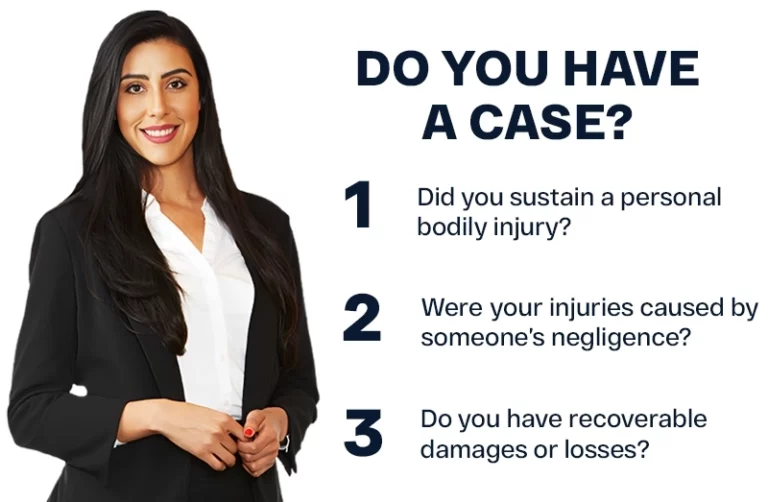
Do You Have A Case?
IF YES, You may be able to recover financial compensation. TELL US MORE:
Do you have a case?
IF YES, You may be able to recover financial compensation. TELL US MORE:

Thank You, We’ll contact you shortly.

DON'T SPEND
HOURS
SEARCHING
FOR ANSWERS
Get FREE Consultations
24 Hours Icon
24 Hours Icon