TL;DR: Seek medical evaluation promptly after a DUI crash, even if you initially feel fine. Call 911 or go to the ER for serious symptoms such as confusion, dizziness, chest or abdominal pain, breathing difficulty, numbness, weakness, or worsening pain. Timely treatment can protect your health and create clearer records linking your injuries to the crash.
Highlights:
- Seek prompt medical evaluation, even if you feel fine, as stress and adrenaline mask serious injuries like internal bleeding and spinal damage.
- Document the crash scene with photos and witness contact info, but do not apologize or admit fault to anyone.
- Stick to facts when speaking with police and ensure they document signs of the other driver’s impairment.
- Seek medical care as soon as you can to create a clear treatment record that protects your legal claim.
- California law requires you to take reasonable steps to reduce injury harm, or insurers may deny or reduce your claim.
- Know that you have two years from the crash date to file a civil lawsuit for compensation.
Tip: Getting treated promptly and preserving evidence through medical records and witness statements strengthens both your health outcome and your ability to recover damages.
Table of Contents
Call 911 or go to the ER if you have signs of a serious injury, including confusion, loss of consciousness, chest or abdominal pain, breathing difficulty, numbness, weakness, or severe pain. Even without emergency symptoms, arrange a medical evaluation promptly, as some crash injuries may not become apparent right away.
The body’s stress response can temporarily dull pain after a collision. Internal bleeding, spinal injuries, concussions, and other conditions may develop or become more apparent over the following hours or days.
Prompt care can also create a clearer record of when your symptoms began and how they relate to the crash. Under California’s mitigation-of-damages rule, compensation may be reduced for harm the defendant proves could reasonably have been avoided.
Why You Must Seek Immediate Medical Care After A DUI Crash
Prompt medical care can protect your health and support your injury claim. Waiting several days may allow injuries to go untreated and create questions about when your symptoms began.
- Protects Your Health: Ensures injuries are diagnosed and treated early, including those that may not be immediately obvious.
- Supports Your Legal Claim: Creates timely medical records that help connect your injuries to the crash.
- Helps Document Injury Severity: Early exams and imaging provide baseline evidence of your condition.
- Addresses Mitigation Issues: Under CACI No. 3930, California’s mitigation rule, compensation may be reduced for harm the defendant proves could reasonably have been avoided through reasonable efforts or expenditures. The rule does not automatically require immediate treatment in every case.
- Reduces Disputes About Timing: Prompt care helps establish a clear timeline between the crash and your medical treatment, reducing uncertainty about causation.
- Guides Appropriate Treatment Level: ER care is appropriate for serious symptoms such as head injury, severe pain, breathing difficulty, or confusion, while urgent care may address less severe injuries like sprains, cuts, or soreness.
Your priority should be healing and following your doctor’s treatment plan.
Common Injuries Masked By Stress And Adrenaline
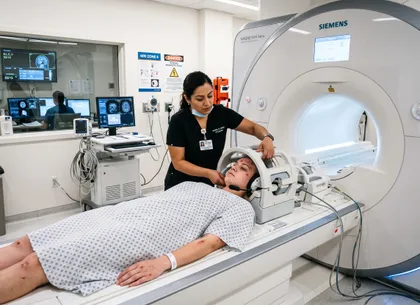
A DUI crash can cause serious injuries, depending on factors such as vehicle speed, vehicle weight, impact direction, and braking. The body’s stress response may temporarily dull your awareness of pain, and some injuries do not cause immediate symptoms. As a result, you may feel fine even after suffering a serious injury.
Some serious injuries that may not cause immediate pain include:
- Traumatic Brain Injury (TBI): The brain rattles violently inside the skull on impact. This can cause a concussion or more severe damage, even if you never lost consciousness.
- Internal Bleeding: Organs can slam against the ribcage during a high-speed crash. The bleeding happens inside your body, so there is no visible wound to warn you.
- Spinal and Back Injuries: Crashes can damage the vertebrae, discs, nerves, or spinal cord.
- Whiplash and Other Soft-Tissue Injuries: Neck pain, stiffness, and muscle symptoms may take several hours to develop.
- Fractures: Stress and competing pain from other injuries may make some fractures less noticeable immediately after a crash.
Feeling no pain immediately after the crash does not necessarily mean you are unharmed. Some symptoms may develop over several hours or days. Numbness, weakness, confusion, or worsening pain may require emergency medical evaluation.
After suffering serious injuries in a DUI crash, you may find yourself thinking, “I need a personal injury lawyer.” Serious injuries can lead to significant medical expenses, lost income, lengthy recovery periods, and lasting personal losses. A DUI victim lawyer can evaluate your damages and explain what compensation you may be able to pursue.
What To Do After Being Hit By A Drunk Driver
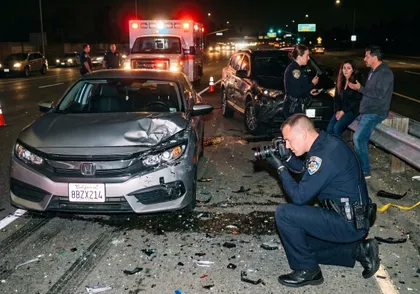
After a DUI crash, move to a safe location and call 911. Tell the dispatcher if you believe the other driver is impaired. Responding officers may document signs of impairment, investigate the collision, and prepare a report.
Here are the steps to take at the scene:
- Call 911 immediately. Call 911 and tell the dispatcher that the other driver may be impaired. If officers respond, they may document signs of impairment, investigate the collision, and prepare a report.
- Move to safety. Get away from traffic and away from the other driver. Do not approach or confront them. An intoxicated person can be unpredictable, and no exchange of information is worth that risk.
- Document the scene if you are able. Take photos of both vehicles, skid marks, road conditions, and any visible injuries. Should the driver leave the scene, document the license plate if possible, and do not attempt to prevent them from leaving.
- Get witness contact information. Ask anyone nearby for their name and phone number. Witness accounts can support your claim later.
- Do not apologize or admit fault. Avoid admitting fault or speculating about the cause of the crash. California generally excludes a simple expression of sympathy as an admission of liability, but an accompanying statement accepting fault may still be used as evidence.
In addition to the evidence you gather, drunk driving accident victim lawyers may obtain other information that supports your claim. This may include surveillance footage, police reports, bodycam or dashcam recordings, chemical test results, relevant cellphone records, and accident reconstruction evidence.
Recovering Compensation Through A Civil Claim
The state handles the criminal case against a drunk driver, which can result in penalties such as jail time, fines, or a suspended license. A criminal court may order a convicted driver to pay victim restitution for certain economic losses, but restitution may not cover every loss available in a civil case. You may also have to pursue a separate civil claim under California law.
The criminal and civil cases proceed independently. Your civil claim can move forward regardless of whether the driver is convicted. A criminal acquittal does not automatically prevent you from pursuing compensation.
Civil cases also have a lower burden of proof than criminal cases. Instead of proving guilt “beyond a reasonable doubt,” you only need to show that the driver was more likely than not responsible for your injuries. This is known as the preponderance-of-the-evidence standard.
Through a civil claim, you may seek compensation for:
- Economic Damages: Medical expenses, lost wages, reduced earning capacity, rehabilitation costs, and future medical care.
- Non-Economic Damages: Pain and suffering, emotional distress, loss of enjoyment of life, and other non-financial losses.
- Punitive Damages (In Some Cases): These are intended to punish especially reckless conduct rather than compensate for losses. Depending on the facts of the case, drunk driving may support a claim for punitive damages.
California generally gives injured victims two years from the date of the crash to file a personal injury lawsuit. Missing this deadline can prevent you from pursuing compensation. Speaking with a DUI accident lawyer early can help you understand how the criminal case may affect your civil claim, identify the damages available to you, and ensure you do not miss important legal deadlines.
Frequently Asked Questions
A DUI crash puts you in an unfamiliar situation fast. You may be fielding calls from the at-fault driver’s insurer before you even know what coverage you have. Knowing your rights brings real relief and gives you a clearer path forward.
What Happens If I Wait A Few Days To Seek Medical Care After A DUI Crash?
Waiting increases the risk that an insurer will dispute your injuries. California’s mitigation rule may limit recovery for harm the defendant proves could reasonably have been avoided. It does not impose an automatic requirement to obtain immediate treatment in every case. Timely medical records can help document when your symptoms began and how your injuries relate to the collision.
Does Insurance Pay If A Driver Is Drunk?
The at-fault driver’s liability insurance may pay covered damages, subject to the policy’s terms and limits. Damages may include economic losses, such as medical expenses and lost income, as well as non-economic losses, such as pain and suffering. If the driver is uninsured or underinsured, your own UM/UIM coverage may apply if you carry it.
Can A Drunk Driver’s Passengers Sue The Driver?
Yes. If you were a passenger in a drunk driver’s vehicle, you can file a claim against that driver. As a passenger, you typically do not control the vehicle, so you are generally not at fault for the crash. California law allows you to seek compensation for medical bills, lost wages, and other damages. This includes losses caused by the driver’s negligence, meaning the driver’s failure to act safely.
What Kind Of Doctor Should I See After A Car Accident?
If you have head pain, dizziness, or difficulty moving, go to the emergency room. After that visit, follow up with a specialist based on your injuries. Depending on your symptoms and diagnosis, your physician may determine that additional evaluation or specialist treatment is appropriate. These referrals may include:
- Neurologist: If you have signs of a brain, spinal cord, or nerve injury, such as a concussion or traumatic brain injury.
- Physical Therapist: If you need rehabilitation to restore strength, mobility, balance, or function after your injuries.
- Chiropractor: If your physician determines chiropractic care may be appropriate for certain musculoskeletal or soft-tissue injuries after ruling out emergency conditions such as fractures, spinal cord injuries, or other neurological concerns.
Seeing the right specialist early helps build a complete medical record. An attorney can help connect that record to your legal claim.
Speaking with a personal injury attorney gives you a clearer picture of your options and helps protect your rights from the start.
Do Lawyers Only Get Paid If They Win A DUI Injury Case?
Yes, if they work on a contingency fee basis. Most personal injury lawyers who handle DUI cases of victims have this arrangement. This means they only get paid attorney’s fees if they recover compensation through a settlement or court verdict. You can clarify this during your initial consultation.
Victim Of A Drunk Driver In California? Arash Law Can Handle Your Injury Case
A drunk driver’s decision caused your injuries. California law gives you the right to pursue accountability and fair compensation. You do not have to face that process alone. Arash Law, also known as AK Law, is ready to help. If we represent you, our drunk driving accident victim lawyers can handle the paperwork, talk with the insurance companies, and manage your case deadlines so that you can focus on healing.
Our firm is experienced in representing victims in cases like these. In one case, we represented a client whose wife was tragically killed when a drunk driver crossed the center line and caused a head-on collision. At the time of the crash, our client was traveling with his wife and their son. We recovered $6 million on the family’s behalf. No financial recovery can make up for the loss of a family member, but it can help support those left behind.
Every case is unique, and results depend on the specific facts, evidence, and circumstances involved. No particular amount of compensation can be promised or guaranteed. Call (888) 488-1391 to schedule a free initial consultation. Speaking with an attorney costs you nothing and can help you understand your legal options.