Palm Desert Motorcycle Accident Lawyers
A motorcycle crash in Palm Desert can leave a rider facing serious injuries, medical bills, and time away from work. Motorcyclists here share busy Coachella Valley roads with commuters, seasonal visitors, delivery vehicles, and drivers unfamiliar with the area. On routes such as Highway 111, Monterey Avenue, Fred Waring Drive, Washington Street, State Route 74, and the I-10 near Palm Desert, unsafe turns, sudden lane changes, and visibility problems can quickly lead to severe collisions.
Arash Law represents injured motorcyclists in Palm Desert and throughout Riverside County. If another driver, a business, a public entity, or someone else played a role in the crash, a Palm Desert motorcycle accident lawyer can help. They can review the evidence, determine who is responsible, and check the available insurance coverage. Claims may also involve disputes over lane splitting, speed, helmet use, or visibility, making early evidence especially important.
Call: (888) 488-1391 (24-hour line)
Reviewed by: Arash Khorsandi, Esq., California State Bar #249405, admitted 2007, last reviewed September 2026.

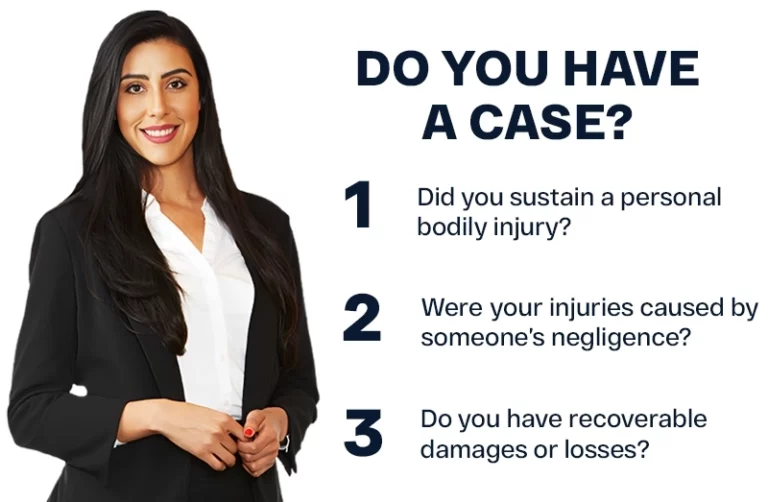
We’ll review what happened and tell you what options may be available.
Or, get LIVE help now — call our free 24-hour accident hotline at (888) 488-1391
Recovered
Fees unless we win
Free case hotline
Statewide practice
Why Motorcycle Accident Cases In Palm Desert Are Different
Motorcycle accident cases in Palm Desert can involve issues that are common across the Coachella Valley, including heavy traffic, desert weather, high-speed roadways, and overlapping law-enforcement jurisdictions. Those local factors can affect how the fault is evaluated, what evidence is available, which public agency may be involved, and where a lawsuit may be filed.
Major routes serving Palm Desert include Interstate 10, Highway 111, and State Route 74, along with busy local roads such as Monterey Avenue, Fred Waring Drive, Cook Street, Portola Avenue, and Washington Street.
Busy Roads Can Affect Fault
High traffic volume increases the number of turning, merging, and lane-changing decisions drivers must make. Fault in a Palm Desert motorcycle accident often depends on whether a driver made one of those decisions safely.
Palm Desert identifies Washington Street and Monterey Avenue among its highest-volume roads, each carrying more than 40,000 vehicles per day. Highway 111 and Fred Waring Drive carry more than 30,000. In motorcycle accidents in the city, fault may depend on details such as:
- Turning movements
- Lane changes
- Merge activity
- Traffic volume
- Vehicle position
- Speed and following distance
- Right-of-way issues
The routes connecting Highway 111 with I-10 can be especially important. Highway 111 runs through Palm Desert’s commercial areas, while Cook Street provides direct access to I-10, carrying commuters, delivery vehicles, visitors, and freeway-bound traffic.
This mix of drivers and merging patterns can raise questions about whether a driver saw the motorcyclist, checked before changing lanes, yielded properly, or adjusted speed for surrounding traffic.
Desert Conditions May Affect The Negligence Analysis
Desert conditions alone do not determine liability, but they can affect whether a driver acted reasonably in a motorcycle crash, since a driver is expected to adjust to conditions they could reasonably anticipate.
Driving conditions in the Coachella Valley can change quickly, especially during periods of strong winds or intense afternoon sun. Factors that may affect a motorcycle crash include:
- Sun glare
- Blowing sand or dust
- Reduced visibility
- Pavement conditions
- Strong desert winds
These conditions do not automatically excuse a driver; instead, they may be relevant to whether the driver kept a proper lookout, reduced speed, or otherwise adjusted their driving to suit the road conditions.
Visibility can be especially important on I-10, Highway 111, and SR-74, where higher speeds, merging traffic, and open desert conditions can make it harder to see a motorcycle in time.
The Investigating Agencies In Palm Desert
Palm Desert does not have its own municipal police department. The city contracts with the Riverside County Sheriff’s Department, and the Palm Desert Station generally handles collisions on city streets.
The California Highway Patrol Indio Area patrols Interstate 10 and state routes within its jurisdiction, including SR-74. Knowing which agency handled the crash can help determine where to request those records. The exact crash location and roadway jurisdiction should be confirmed first.
Electronic Evidence May Be Available For Only A Short Time
Cameras, sensors, and vehicle systems near a crash site often record data automatically, but many of these systems overwrite or delete the data within days or weeks, meaning evidence that could help establish fault may disappear if not requested quickly.
Palm Desert owns its Automated License Plate Reader (ALPR) data, while the Riverside County Sheriff’s Department manages the system on the city’s behalf. According to the City of Palm Desert’s current ALPR policy, raw ALPR data is retained for no more than 30 days and is then automatically and permanently deleted.
ALPR cameras can capture a vehicle’s license plate, location, and time stamp, which may help confirm which vehicles were near the crash scene, corroborate or challenge a driver’s account of the route taken, or identify a vehicle in a hit-and-run. ALPR data will not be relevant in every motorcycle crash, but the limited retention period shows why electronic evidence should be identified early.
Other time-sensitive evidence may include:
- Business surveillance video
- Residential security-camera footage
- Dashcam recordings
- Traffic-camera footage
- Vehicle electronic data
Road Ownership Or Management Can Change The Claim Process
Responsibility for a roadway may rest with the City of Palm Desert, Caltrans, Riverside County, or another public entity.
For example:
- I-10 remains part of the state highway system.
- SR-74 remains part of the state highway system.
- The former Route 111 segment within Palm Desert has been relinquished from the state system.
This information can matter when a road condition, traffic-control device, construction area, or other roadway issue may have contributed to the collision. Claims involving a public entity may be subject to different liability rules and shorter government-claim deadlines than claims against private drivers.
Palm Desert Civil Cases Are Generally Handled In Palm Springs
If a motorcycle accident claim results in a civil lawsuit, Palm Desert civil cases are generally assigned within Riverside County Superior Court’s Palm Springs location under the court’s current venue and assignment procedures.
Civil unlimited personal injury cases arising from Palm Desert are generally assigned to the Palm Springs Courthouse, 3255 E. Tahquitz Canyon Way, Palm Springs, CA 92262. Civil department assignments depend on current Riverside County Superior Court assignment rules and judicial availability. Court assignments and filing procedures can change, so check the current court rules before filing.
These local factors can make a motorcycle accident claim in Palm Desert more than a dispute between two motorists. Identifying the exact roadway, the investigating agency, the entity responsible for any road condition, and the available evidence can be important to proving fault and preserving the injured rider’s legal options.
How Insurance Works In A Palm Desert Motorcycle Accident Claim
Several types of insurance may apply after a Palm Desert motorcycle crash. These can include the at-fault driver’s liability insurance, the rider’s uninsured or underinsured motorist coverage, and commercial or rideshare insurance when a vehicle was being used for work. Which coverage applies depends on the facts of the crash and the insurance policies involved.
California’s Minimum Liability Limits
For auto liability policies issued or renewed on or after January 1, 2025, California’s minimum liability requirements are:
- $30,000 for injury or death to one person.
- $60,000 for injury or death to two or more people in one crash.
- $15,000 for property damage.
These minimum limits are set by California Vehicle Code § 16056 and apply to Palm Desert as well. Serious motorcycle injuries can result in losses that are greater than the available liability limits.
When The At-Fault Driver’s Insurance Is Not Enough
When the at-fault driver’s insurance cannot fully cover a motorcyclist’s losses, additional recovery may come from the rider’s own uninsured/underinsured motorist coverage, applicable rideshare or commercial policies, or other sources, depending on the facts of the crash.
- Uninsured Motorist (UM) Coverage: UM coverage may apply when the at-fault driver has no applicable insurance. California law generally requires qualifying motor-vehicle liability policies to include UM coverage unless the named insured agrees in writing to reject or reduce it. Special requirements apply to claims involving an unknown hit-and-run driver.
- Underinsured Motorist (UIM) Coverage: UIM coverage may apply when the at-fault vehicle’s bodily injury limits are lower than the injured rider’s UIM limits. In general, the applicable bodily-injury liability limits must be exhausted before UIM coverage applies. The UIM insurer also receives credit for amounts paid by people or organizations legally responsible for the injury.
- Rideshare and Commercial Coverage: More insurance may be available if the at-fault driver was working at the time of the crash. For example, California requires specific insurance for rideshare drivers. The amount of coverage depends on whether the driver was waiting for a ride request or had already accepted one. Commercial delivery vehicles may be covered by different policies based on the vehicle, employer, and type of work.
California Civil Code § 3333.4, also known as Proposition 213, may limit non-economic damages for certain uninsured vehicle owners and operators. For example, an owner who was driving an uninsured motorcycle generally cannot recover damages for pain and suffering and other non-economic losses resulting from the crash.
An exception may apply when an uninsured vehicle owner is injured by a driver who violated specified California DUI laws and was convicted of that offense. Proposition 213 generally does not bar recovery of economic losses, such as medical expenses and lost income.
Insurance companies may investigate how the crash happened, ask for information about the rider’s injuries, and evaluate whether more than one person shared fault. An adjuster may also request a recorded statement or additional medical records. The facts, policy terms, and available evidence can affect how the claim is evaluated.
What Typically Happens After A Motorcycle Accident Claim Begins
After a Palm Desert motorcycle accident claim begins, the case usually moves through several stages. These may include investigating the crash, documenting injuries, reviewing insurance, negotiating with insurers, and, if needed, filing a lawsuit. Not every case follows the same timeline.
If a Palm Desert motorcycle crash involves a public entity, such as a government vehicle or a dangerous condition on public property, an additional government-claim process may apply before a damages lawsuit can proceed.
Proving Fault After A Motorcycle Crash In Palm Desert
California Civil Code § 1714 generally requires people to use reasonable care to avoid harming others. This rule applies to drivers who share Palm Desert roads with motorcyclists.
To prove negligence in a motorcycle accident, an injured rider generally must show four things:
- Duty: Drivers have a duty to use reasonable care around other road users, including motorcyclists.
- Breach: A driver may breach that duty by failing to yield, making an unsafe lane change, or driving too fast for the conditions.
- Causation: The driver’s conduct must have been a substantial factor in causing the crash and the rider’s injuries.
- Damages: The rider must have suffered legally recognized harm, such as medical expenses, lost income, pain and suffering, or property damage.
For example, fault may be disputed after a crash on a Palm Desert road if a driver failed to check before changing lanes, failed to yield, or drove too fast in poor visibility.
Who Can Be Held Responsible
More than one person or organization may be responsible for a motorcycle crash.
- Drivers: A driver may be liable for unsafe turns, lane changes, speeding, failure to yield, or other negligent conduct.
- Employers: An employer may be vicariously liable when an employee causes a crash while acting within the scope of employment. This may apply, for example, to delivery drivers who are working when a collision occurs.
- Product Manufacturers and Sellers: A manufacturer, distributor, or seller may face a product-liability claim if a defective motorcycle part, tire, brake, or other product was a substantial factor in causing the rider’s harm. The required proof depends on the type of defect involved.
- Public Entities: A public entity may be liable under Government Code § 835 when a dangerous condition of public property causes an injury, and the required statutory elements are met. Liability may depend on whether a public employee created the condition or whether the entity had enough notice and time to take action.
Evidence in a claim against a public entity may include signal-timing records, maintenance logs, prior complaints, inspection reports, and work orders.
California’s Pure Comparative Fault Rule
California follows a pure comparative fault rule under Li v. Yellow Cab Co. (1975). This means more than one person can share responsibility for a motorcycle crash.
If a rider is partly at fault, their compensation may be reduced by their share of the fault. For example, if a rider has $400,000 in damages and is found 20% at fault, the recovery would be reduced by 20%, leaving $320,000.
Several motorcycle-specific rules may affect how fault is divided:
- Lane Splitting (CVC § 21658.1): Lane splitting is legal in California. However, the way a rider was lane splitting may still matter when fault is evaluated. Evidence such as traffic speed, the rider’s speed, visibility, lane position, and the actions of nearby drivers may affect how responsibility is shared. CHP safety guidance may also provide context, but it does not create fixed legal speed limits for lane splitting.
- Helmet Requirements (CVC § 27803): California requires motorcycle riders and passengers to wear helmets that meet applicable federal safety standards. If a rider was not wearing a compliant helmet during the crash, the defense may argue that the lack of a compliant helmet contributed to the head injury. Any reduction in damages would depend on whether the helmet issue actually contributed to the claimed injury.
These rules do not automatically make a motorcyclist at fault. They are examples of facts and laws that may be considered with the rest of the evidence when deciding how responsibility should be divided.
Injuries Riders Sustain On Palm Desert’s High-Speed Desert Corridors
Riders on Palm Desert’s high-speed corridors, such as the I-10, Highway 111, and SR-74, face an increased risk of severe injury because higher speeds lead to greater impact forces, longer ejection distances, and less time for drivers to react.
Motorcycle riders have little protection between their bodies and the road, another vehicle, or nearby objects. In a Palm Desert crash, injuries may result from the initial impact, being thrown from the motorcycle, sliding across pavement, or striking a curb, barrier, or another vehicle. The type and severity of injury often depend on factors such as speed, impact angle, protective gear, and whether the rider is ejected.
- Traumatic Brain Injuries and Concussions: A rider may strike their head on another vehicle, the pavement, or a fixed object after being thrown from the motorcycle. A helmet can reduce the risk of serious head injury, but it cannot prevent every concussion or traumatic brain injury.
- Spinal Cord, Neck, and Back Injuries: Sudden twisting, compression, or direct impact can injure the vertebrae, discs, spinal cord, or surrounding soft tissue. These injuries may occur when a rider is thrown, pinned, or lands awkwardly.
- Broken Bones and Pelvic Injuries: Riders may suffer fractures when a vehicle strikes the motorcycle, when a leg is trapped between vehicles, or when the rider lands heavily on the road. Common fracture sites include the arms, wrists, legs, ribs, shoulders, and pelvis.
- Road Rash and Burns: Sliding across asphalt can remove skin layers and cause deep abrasions. Riders may also suffer burns from friction, hot motorcycle components, fuel, or other substances involved in the crash.
- Internal and Nerve Injuries: Blunt-force trauma to the chest or abdomen can damage internal organs, while crushing, stretching, or direct impact can injure nerves and cause numbness, weakness, or chronic pain.
- Shoulder, Knee, and Ankle Injuries: Riders may brace for impact or land on a joint, causing ligament tears, dislocations, fractures, or other orthopedic injuries.
- Psychological Trauma: A serious motorcycle crash may be followed by anxiety, sleep problems, fear of riding or driving, depression, or post-traumatic stress symptoms.
- Fatal Injuries: High-energy collisions can cause catastrophic head, spinal, internal, or multiple-trauma injuries that may be fatal.
The effects of these injuries can extend well beyond the emergency room. Some Palm Desert motorcycle accident victims may need surgery, diagnostic imaging, orthopedic or neurological care, physical therapy, pain management, rehabilitation, or long-term follow-up treatment. Medical records can also become important evidence in a personal injury claim because they document the nature of the injuries, treatment provided, and whether future care may be needed.
Depending on the severity of their injuries, motorcycle accident victims may receive urgent or follow-up care at medical facilities in Palm Desert or emergency treatment at another appropriate hospital or emergency facility.
For severe trauma, injured victims may be brought to Desert Regional Medical Center in Palm Springs, a Level I trauma center. Emergency medical personnel decide where a patient should be taken based on the patient’s condition and regional trauma protocols.
The location of the medical facility that provides your treatment can affect the value of your claim. Medical expenses, transportation costs, and emergency care costs may increase claim value.
Who Can File A Motorcycle Accident Claim In Palm Desert?
California law may allow more than the injured motorcyclist to bring a claim after a serious motorcycle crash. Who can file depends on whether the person was directly injured, suffered a separate legal loss because of the rider’s injuries, or lost a family member in a fatal collision.
| Possible Claimant | Why They May File A Claim | Possible Legal Options |
|---|---|---|
| Injured Motorcyclist | The rider was directly injured because of another party’s negligence or wrongful conduct. | The rider may bring a personal injury claim against the driver or other party responsible for the crash. |
| Motorcycle Passenger | The passenger was injured in the collision, regardless of whether the motorcycle operator or another driver caused it. | The passenger may bring a personal injury claim against the at-fault driver, the motorcycle operator, or any other responsible party. |
| Spouse or Registered Domestic Partner | A serious injury to the rider may affect the marital or domestic relationship. | A spouse may have a separate loss-of-consortium claim. A registered domestic partner may have similar rights under California law, depending on the circumstances. |
| Surviving Spouse, Domestic Partner, or Children | The rider died as a result of the motorcycle crash. | Eligible family members may bring a wrongful death claim under California Code of Civil Procedure § 377.60. |
| Certain Other Heirs or Dependents | Some relatives or financially dependent individuals may qualify when the rider dies, and the statutory requirements are met. | They may be able to join or bring a wrongful death action if they qualify under § 377.60. |
| Personal Representative or Successor In Interest | The deceased rider had a legal claim that survived their death. | A survival action may be brought under CCP § 377.30 by the personal representative or, if none, the decedent’s successor in interest for claims that survived the rider’s death. |
| Pedestrians, Cyclists, or Other Road Users | A motorcyclist’s negligence caused or contributed to injuries to someone outside the motorcycle, such as a pedestrian, bicyclist, or micromobility user. | The injured person may bring a personal injury claim against the motorcyclist and any other party that contributed to the collision. |
What Damages Can You Recover From A Motorcycle Accident In Palm Desert?
California law allows injured riders to seek compensation for losses caused by a motorcycle crash. The damages available depend on the injuries, financial losses, and other facts of the case.
- Medical Costs: Past and future care, including emergency treatment, surgery, follow-up visits, therapy, and rehabilitation. Serious injuries may require long-term care. Future medical costs can be an important part of a claim.
- Lost Wages and Earning Capacity: Income lost during recovery, plus any loss in the ability to earn income in the future.
- Property Damage: The cost to repair or replace the motorcycle, riding gear, and other damaged property.
- Pain and Suffering: Physical pain and discomfort caused by the injuries.
- Emotional Distress: Anxiety, trauma, depression, or other emotional harm linked to the crash.
- Loss of Enjoyment of Life: The loss of activities, hobbies, or routines that the rider can no longer enjoy because of the injuries.
If a Palm Desert motorcycle crash results in death, eligible family members may bring a wrongful death claim under CCP § 377.60. Damages under CCP § 377.61 may include lost financial support, funeral and burial expenses, the value of household services, and loss of love, companionship, comfort, care, protection, and guidance.
California Civil Code § 3294 may allow punitive damages in limited cases. These damages are not available for ordinary negligence. They require clear and convincing evidence of malice, oppression, or fraud. For example, punitive damages may be considered in an intoxicated-driving case if the evidence shows the driver knew of the probable danger and consciously disregarded it.
Riders who were uninsured at the time of the crash may also face limits under Proposition 213. In many cases, Civil Code § 3333.4 bars certain uninsured owners or operators from recovering non-economic damages. The rule generally does not bar recovery of economic losses such as medical expenses and lost income, and statutory exceptions may apply.
Time Limits That Apply To Your Palm Desert Motorcycle Accident Claim
Several deadlines may apply after a Palm Desert motorcycle crash. The exact deadline depends on the type of claim, the parties involved, and whether any legal exception applies.
- Personal Injury Claims: Under CCP § 335.1, an injured rider generally has two years from the date of the accident to file a personal injury lawsuit. In many motorcycle cases, that is the crash date. Missing the deadline can bar the claim unless a legal rule extends or pauses the filing period.
- Property Damage Claims: Under CCP § 338(c)(1), a person generally has three years to file a lawsuit for damage to personal property. This may include the cost of repairing or replacing a motorcycle and other damaged property. Deadlines for reporting a loss to an insurance company are separate and may be set by the policy.
- Six Months for Certain Government Claims: If a public entity is responsible, a much shorter deadline may apply. Government Code § 911.2 generally requires a claim involving personal injury or property damage to be presented to the public entity within six months after the accident. This may apply when a crash involves a dangerous road condition, a defective traffic signal, a government vehicle, or another act by a public entity.
A person generally must complete the Government Claims Act claim-presentation process before filing a damages lawsuit against the public entity. If the entity sends a written rejection notice that complies with Government Code § 913, Government Code § 945.6 generally gives the claimant six months from the mailing or personal delivery of that notice to file suit. If a qualifying written notice is not given, the lawsuit deadline is generally two years from the date the claim accrued.
For a claim involving Riverside County, claims for damages are presented to the Riverside County Clerk of the Board of Supervisors. The County’s claim form directs claimants to its Claims Division.
For a claim involving a Caltrans-maintained highway, such as I-10 or SR-74, the filing route depends in part on the amount claimed. As of September 2026:
- Claims against Caltrans for $12,500 or less involving personal injury, death, or personal-property damage may be filed directly with Caltrans using Form LD-0274. For incidents in Riverside County, the form directs claims to the Caltrans District 8 Claims Office.
- Claims for more than $12,500 must generally be presented through the California Department of General Services’ Government Claims Program.
These legal deadlines are separate from the need to preserve evidence. Surveillance video, vehicle electronic data, traffic records, and other evidence may be kept only for limited periods. The retention time can vary by business, device, vehicle, and government agency. Important evidence should therefore be identified and preservation requests made as soon as reasonably possible.
Disclaimer: Government claim procedures, filing locations, forms, and thresholds can change. Confirm current requirements with the court or agency before filing.
Talk To Arash Law About Your Palm Desert Motorcycle Claim: No Fee Unless We Win
If you were hurt in a motorcycle crash on Highway 111, I-10, or anywhere in Palm Desert, Arash Law can evaluate your claim at no charge. You pay no attorney’s fees unless the firm wins your case.
Call (888) 488-1391. Our lines are open 24 hours a day, 7 days a week.
How Arash Law Can Help With A Palm Desert Motorcycle Accident Case
A Palm Desert motorcycle accident claim may involve disputed fault, multiple insurance policies, local road conditions, and records held by different agencies. Arash Law can help investigate the crash, identify possible sources of recovery, and guide the claim through each stage.
- Identify the investigating agency. Depending on where the crash happened, records may be held by the Riverside County Sheriff’s Office — Palm Desert Station, CHP’s Indio Area, or another agency. The firm can determine which agency handled the crash and request available records.
- Review available insurance. The firm can identify insurance that may apply, including the other driver’s liability policy, commercial or rideshare coverage, and the rider’s UM/UIM coverage when available.
- Address lane-splitting and helmet issues. A claim may involve questions about lane splitting under CVC § 21658.1 or helmet use under CVC § 27803. The firm can review how those rules may affect fault or damages based on the facts of the case.
- Preserve and gather evidence. The firm can seek available collision reports, photographs, witness statements, video, vehicle information, and roadway records that may help support the claim.
- Handle settlement or litigation. Arash Law can communicate with insurers, present a claim, negotiate a possible settlement, and file a lawsuit when appropriate. If a lawsuit is filed, the firm can review the current Riverside County Superior Court rules governing Palm Desert cases.
- Explore treatment options. In some cases, medical providers may agree to treat an injured rider on a lien basis. Although availability depends on the provider, the case, and the rider’s circumstances, our team can assist in the process.
- Contingency-fee representation. Arash Law handles motorcycle injury cases on a contingency-fee basis. Attorney fees are generally owed only if compensation is recovered. Case costs may apply.
Motorcycle Accident Case Results Arash Law Has Handled
Arash Law has secured over $1 billion for clients across personal injury matters, including motorcycle accident cases involving disputed fault, commercial vehicles, rideshare companies, and dangerous roadway conditions. The results below show how different liability issues and injuries can affect motorcycle accident claims.
We handled a motorcycle accident case involving a rideshare company where our client sustained spinal and wrist injuries. The case resulted in a settlement in 2021.
Disclaimer: Past case results do not guarantee or predict the outcome of any future case. Every claim is different and depends on its specific facts, injuries, liability issues, available insurance, and other circumstances.
Frequently Asked Questions About Palm Desert Motorcycle Accident Claims
After a motorcycle crash in Palm Desert, riders often have questions about fault, insurance, deadlines, and possible compensation. The answers below address some of the most common issues.
What Is My Palm Desert Motorcycle Accident Claim Worth?
The value of your motorcycle accident claim depends on the facts of your case. Important factors may include the severity of the injuries, future medical needs, lost income, reduced earning ability, available insurance, and the strength of the evidence showing fault.
A minor injury claim may be worth far less than a claim involving permanent disability or long-term medical care. A lawyer can review the facts and explain the types of damages and insurance coverage that may apply.
Can I File A Claim Against Riverside County Or Caltrans If A Road Defect Caused My Crash?
Yes, a claim may be possible if a public entity was legally responsible for a dangerous road condition or another act that contributed to the crash.
Government Code § 911.2 generally requires a personal injury or property-damage claim against a public entity to be presented within six months after the claim accrues. A claimant generally must also complete the Government Claims Act process before filing a damages lawsuit.
Different filing rules apply depending on whether the responsible entity is Riverside County, Caltrans, the City of Palm Desert, or another agency.
The At-Fault Driver Had No Insurance. Am I Out Of Options?
Not necessarily. Uninsured motorist coverage may apply if the at-fault driver had no applicable insurance. California law generally requires qualifying auto policies to include UM/UIM coverage unless the named insured rejects or reduces that coverage in writing.
If the other driver had insurance but the bodily injury limits were lower than your UIM limits, underinsured motorist coverage may also apply after the required liability coverage is exhausted. Coverage depends on the policy terms and the facts of the crash.
I Was Lane Splitting On Highway 111 When The Crash Happened. Can I Still File A Claim?
Yes. Lane splitting does not automatically bar a motorcycle accident claim. CVC § 21658.1 defines lane splitting as riding a two-wheeled motorcycle between rows of stopped or moving vehicles. If a crash occurs while a rider is lane splitting, fault depends on how the rider, nearby drivers, and other parties acted under the circumstances.
Under California’s comparative-fault rule, any compensation may be reduced by the rider’s percentage of fault if the evidence shows the rider shared responsibility.
Will Not Wearing A Helmet Bar My Claim?
No. Failing to wear a compliant helmet does not automatically prevent a rider from bringing a claim. California requires motorcycle riders and passengers to wear helmets that meet applicable safety standards. If a rider was not wearing a compliant helmet during the crash, the defense may argue that the lack of a compliant helmet contributed to the head injury.
Any effect on damages would depend on whether the helmet issue actually contributed to the claimed injury. Injuries unrelated to helmet use should not be reduced solely because the rider was not wearing a compliant helmet.
Does It Cost Anything To Hire Arash Law?
You typically do not pay attorney fees in advance because Arash Law handles motorcycle accident cases on a contingency-fee basis.
If the injury law firm recovers compensation for you, the attorney’s fee is paid from the recovery under the written fee agreement. If there is no recovery, no attorney’s fee is owed. Case costs or other expenses may still apply, which will be explained in the written agreement.
Arash Law Represents Injured Palm Desert Riders: Call Now
If you were injured in a motorcycle crash in Palm Desert, Arash Law can review your case and explain the legal options that may be available. Evidence such as video, electronic data, witness information, and roadway records may be lost or overwritten over time. Acting promptly may help identify and preserve available evidence.
Our Palm Desert motorcycle accident lawyers offer free case evaluations. Arash Law’s accident hotline is available 24 hours a day, 7 days a week. Call (888) 488-1391.
Arash Law: MAKE THEM PAY, CALL AK.
Arash Law is a California personal injury law firm. This page is for general informational purposes only and does not constitute legal advice. Contacting Arash Law does not create an attorney-client relationship.