California Drowning Accident Lawyers

  • PAY NOTHING UPFRONT
  • OVER $1 BILLION RECOVERED
  • ZERO-FEES UNTIL WE WIN
Recover Lost Wages, Property Damage, and Medical Bills.
Arash Law Practice Area Border/Divider

We’ll review what happened and tell you what options may be available.

Or, get LIVE help now — call our free 24-hour accident hotline at (888) 488-1391

Table of Contents

Who We Help After A Drowning Accident

If you get hurt in a near-drowning incident or your family loses someone to drowning, you may have the right to seek compensation. These cases often involve pools, apartments, hotels, schools, beaches, lakes, water parks, or boats. Liability can turn on supervision, safety barriers, warnings, maintenance, and emergency response. Acting early helps protect video, logs, and witness details.

We help children and adults with nonfatal drowning injuries, including brain injury and lung damage. We also represent families in wrongful death cases, including claims involving public property and government entities. If more than one party played a role, we pursue every available insurance policy. That includes homeowners, commercial liability, and public-entity coverage.

Why Drowning Accident Victims Call Arash Law

Drowning accident victims and their families call our firm for legal guidance. We help investigate the incident and pursue fair compensation for catastrophic injuries or wrongful deaths. Drowning accident lawyers also address unfair insurance practices.

Our team handles the following:

  • We investigate supervision, safety barriers, warnings, and emergency response to identify what caused the drowning or near-drowning.
  • We move fast to preserve surveillance video, inspection and maintenance logs, and staff training records before they change or disappear.
  • We identify every potentially responsible party, not just the property owner, so you are not trapped by one limited policy.
  • We handle public-entity claim requirements for incidents involving city pools, schools, parks, or state beaches.
  • We document future care needs in medical records and with qualified experts when a survivor requires long-term treatment or support.
  • We push back when insurers try to shift blame onto parents, swimmers, or families to reduce payment.

Call (888) 488-1391 for a free initial consultation.

Who Can File A Drowning Accident Claim?

You may be able to bring a claim if you survived a near-drowning incident or if you lost a family member to drowning. Who can file depends on who was injured, whether the incident was fatal, and what your legal relationship is to the victim.

Survivors of drowning accidents can usually pursue compensation for medical care, lost income, and the daily impact of the injury. If the victim is unable to act, a parent, guardian, conservator, or another authorized representative may file on the victim’s behalf.

If the drowning caused a death, the case may involve two separate paths: a wrongful death claim for surviving relatives and an estate claim for losses the person suffered before death.

The following may have the right to file a California wrongful death case:

  • A surviving spouse or domestic partner.
  • Children.
  • Grandchildren if the deceased person’s child is also deceased.
  • Other relatives who would inherit under California law. That can include parents in some situations.

In some cases, other parties not listed above may also have rights related to the incident. Such individuals can include a legal guardian, a personal representative of the estate, or a person with a legally recognized financial dependence. If you witnessed the event, you may have a separate claim in limited situations. It depends on the facts and your involvement.

Drowning cases also vary based on where they happened. A claim involving a private home differs from a claim involving a hotel, school, water park, or public beach. Due to these nuances, many victims seek free advice from drowning accident lawyers to discover whether they have a case.

Why Drowning Accident Cases In California Are Different

California drowning accident cases differ because several state laws may affect the claim. These laws govern pool safety features, gate and barrier requirements, lifeguard rules, and public-entity deadlines. Violations may support negligence claims:

  • Pool & Spa Safety Features: The state’s Swimming Pool Safety Act may require certain private residential pools and spas to have at least two approved safety features. These may include:

    • Fencing or another approved pool enclosure.
    • A qualifying pool cover.
    • Door or window exit alarms.
    • Self-closing and self-latching door devices.
    • Pool alarms.
    • Other approved safety features that provide equal or greater protection.

    In swimming pool accidents, these requirements may help show whether the property owner used the safety protections required by state law.

  • Pool Enclosures: California law sets specific rules for pool enclosures, gates, and latches. These rules may address:

    • Minimum barrier height.
    • Gate direction.
    • Self-closing and self-latching gates.
    • Latch placement.
    • Gaps or openings in the enclosure.
    • Features that could allow a child to climb over the barrier.

    A broken gate, a low latch, an unsafe opening, or an easy-to-climb barrier may help show how someone reached the water.

  • Public Pool Lifeguard Rules & Supervision: California has separate lifeguard and supervision rules for public pools. Examples include certain pools at hotels, apartments, schools, gyms, and community facilities. Depending on the pool and how it operates, the law may require the following:

    • Qualified lifeguards with current training and certification.
    • First aid and CPR training.
    • Active swimmer supervision.
    • Lifeguards focused only on water safety while on duty.
    • Clear “no lifeguard” warning signs when lifeguard service is not provided.
    • Records showing the facility met staffing and training requirements.

    These rules may matter when a drowning or near-drowning involves poor supervision, distracted lifeguards, missing warnings, unqualified staff, poor staffing, missing certification records, or delayed rescue.

  • Claims Against Public Entities: If the drowning happened at a government-controlled water area, the state’s Government Claims Act may apply. These locations may include:

    • City pools.
    • County facilities.
    • Public schools.
    • State parks.
    • Other public water facilities.

    In many cases, the family must present a government claim within six months before filing a lawsuit.

A safety-code violation can help support a drowning claim. However, it does not prove the case on its own. Families still need evidence showing which rule applied, what went wrong, and how the unsafe condition caused or worsened the drowning or near-drowning.

$41,950,000.00
A $41.95 million verdict for customers attacked inside a Walmart after a baseball bat left on the sales floor was used in the assault. A jury found Walmart partially responsible based on the evidence presented at trial.
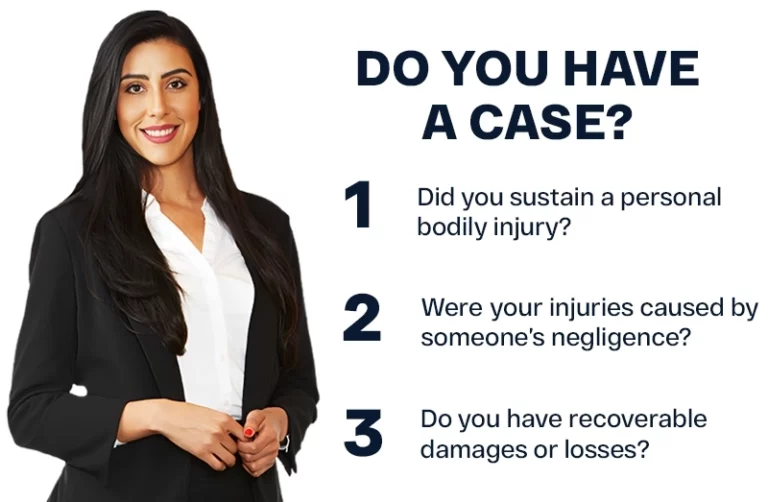
Do I Have A Case
$17,900,000.00
A $17.9 million unanimous verdict against the County of Los Angeles involving two clients harmed in a serious crash. The jury determined the County was entirely at fault after a hard-fought trial that highlighted the clients’ long-term medical needs and the County’s denial of responsibility.
Do I Have A Case
$3,500,000.00
A $3.5 million verdict for a client who suffered a traumatic brain injury in a 2017 collision. Before trial, the insurer initially offered $18,500 and later increased the offer to $300,000. After hearing medical testimony and evidence of the victim’s ongoing symptoms, the jury awarded damages for past and future pain and suffering and future medical care.
Do I Have A Case

(No guarantee of outcome. Results displayed were dependent on unique facts of that case, and different facts will bring different results.)

Who May Be Liable For A Drowning Accident?

More than one person or organization may be responsible for a drowning or near-drowning. Liability depends on who controlled the area, who had a duty to protect swimmers, and what safety step failed. These cases can also involve contractors and outside vendors that the property owner relied on.

Depending on where the incident happened, responsible parties may include:

  • Homeowners who failed to use required barriers, gates, alarms, or other safety features.
  • Landlords, property managers, and HOAs that controlled a shared pool area at an apartment or community facility.
  • Hotels, gyms, and community facilities that failed to secure access, post warnings, enforce rules, or maintain lifesaving equipment.
  • Water parks and aquatic facilities that allowed unsafe attractions, poor staffing, or unsafe water conditions.
  • Lifeguards or lifeguard companies that failed to supervise, train, staff, or respond appropriately.
  • Pool service and maintenance companies that ignored hazards, defective drains, or unsafe chemical or water conditions.
  • Daycares, camps, schools, and youth programs that are responsible for child supervision near water.
  • Boat owners, operators, rental companies, or tour operators, when a drowning involves watercraft safety failures.
  • Product manufacturers, when a defective drain cover, gate, alarm, ladder, or pump contributed to the incident.
  • Government entities, when the incident involves a public pool, school property, park, or state beach.

Identifying every responsible party can expand available insurance coverage.

Drowning accident emergency at indoor swimming pool with first responders performing CPR on victim
Sandra Bernabe
Sandra Bernabe
Arash Law firm is been an amazing advocate for me in my case. They truly care about you and your needs. Especially my case manager Cynthia Gracia; she’s amazing at what she does. Always ensures to make sure any questions I have are answered and keeps me updated on my case as soon as possible. Super easy communication and response time! Would definitely recommend to others!
Stephen Watson
Stephen Watson
I highly recommend Arash Law, if I could give them more than 5 stars I would give them 10. The staff, particularly Arlene, is outstanding and very responsive, professional, and most of all kind-hearted. They advocated for me and my girlfriend after an auto accident and were superb. They got us 25 times what the insurance company originally offered. In addition to everything else, they were fast and efficient. Not to mention very honest and up-front about what to expect and the range of possible outcomes. Again, I highly recommend this firm and had the best experience i could have imagined. They actually surpassed my hopes and I consider them to be my friends, especially Arlene. Do not hesitate to contact them, you will not be disappointed. Steve W.
Pearl
Pearl
My experience with Arash Law has been outstanding from the start. Their team Cristina and Oscar are incredibly knowledgeable, consistently providing clear explanations and well-informed guidance that has made every step easy to understand. They have also been exceptionally helpful, always quick to respond and willing to go the extra mile to make sure I feel supported. Arash Law handles everything with professionalism and confidence, which gives me that peace of mind and has made a situation that could have been overwhelming feel manageable. Overall, Arash Law delivers excellent service, expert advice, and a truly smooth experience. I highly recommend them to anyone looking for reliable, caring, and effective legal support.
Catherine Davis
Catherine Davis
Great representation, my case representative, Arlene Perez, is wonderful. She explained everything in detail about how injury law suits work. She is prompt in returning messages, shows genuine concern for my well being, and she is very knowledgeable and eager to help. Without having met anyone from the Arash team in person, I can honestly say that this law group takes care of business. Perhaps this is why this firm is one of the best who also represent people from small rural communities, such as myself. Yes, I 100% recommend, you cannot go wrong with this awesome team of experts. They will fight, unwavering, to win cases. Thank you, Arash Legal Group ! You rock !!
Santos Hernandez
Santos Hernandez
Great experience with Arash Law. A big thank you to Erick Ordonez for his professionalism and support. He helped close my case quickly and kept everything transparent. Highly recommend.
Were you injured in a Drowning Accident?

What Compensation May Be Available After A Drowning Accident?

Compensation after a drowning or near-drowning may cover financial losses and the personal impact of the accident. Following a fatal incident, you could also pursue compensation for the losses you experienced after the passing of a loved one. The available damages depend on the severity of the injury and the applicable insurance coverage.

Recoverable damages may include:

  • Medical bills and hospital care.
  • Rehabilitation, therapy, and counseling.
  • Future care costs.
  • Lost income.
  • Pain and suffering.
  • Emotional distress.
  • Loss of companionship, guidance, care, or support.
  • Funeral and burial costs in fatal cases.

Punitive damages may apply in rare cases involving malice, oppression, or fraud. For example, a court may award them after a property owner knowingly fails to address a serious drowning hazard.

An attorney can review the claim, identify available insurance coverage, and determine which damages may be recoverable.

How Insurance Applies To Drowning Accident Claims

Insurance coverage can affect how much compensation may be available after a drowning or near-drowning. The available coverage depends on where the accident happened, who may be liable, and which policies apply under California law.

Possible insurance sources may include:

  • Homeowners insurance for drowning accidents in private pools.
  • General liability insurance for hotels, apartments, gyms, water parks, and community pools.
  • Umbrella or excess insurance when primary policy limits are not enough.
  • Separate policies from lifeguard agencies, pool maintenance companies, security firms, or contractors.

Insurers may try to limit payment by blaming the injured person or parents, disputing liability, questioning whether the drowning was foreseeable, challenging the cause of harm, or pressuring the family to settle quickly.

Families need to identify every available policy and gather evidence showing what happened, who was responsible, and how the unsafe condition caused or contributed to the drowning.

What Evidence Matters In A Drowning Accident Claim?

Evidence can disappear quickly after a drowning or near-drowning. Pool owners or facility managers may repair hazards and update records, security systems can overwrite video, and you may lose track of witnesses. Acting early helps preserve proof before it is changed or lost.

Important evidence may include:

  • Surveillance Footage: Video may show how the drowning happened, who was present, and whether staff responded quickly.
  • Photos & Videos: Pictures of gates, latches, fences, drain covers, warning signs, depth markers, and broken equipment can show unsafe conditions.
  • Maintenance Records: Pool cleaning logs, repair records, water-testing records, and drain inspection reports may indicate whether the facility followed safety rules.
  • Lifeguard Records: Staffing schedules, training records, and certification documents may show whether the pool had proper supervision.
  • Witness Statements: Swimmers, family members, bystanders, employees, and emergency responders may provide accounts of what they saw or heard.
  • Incident Reports & 911 Records: These records can help show when the emergency happened and how the facility responded.
  • Medical Records: Hospital and treatment records connect the drowning or near-drowning to the injuries, care needs, or death.
  • Expert Findings: Pool safety experts, engineers, or medical professionals may explain how the unsafe condition caused or contributed to the harm.

Attorneys may send preservation letters to the property owner, facility, or insurer, requesting that they preserve key evidence. If a facility changes, hides, or destroys evidence after a drowning, that conduct may affect the case in litigation.

Drowning Accident Injuries And How They Affect Compensation

Non-fatal drowning injuries can lead to high medical costs, long recovery times, and lasting care needs. The value of a claim often depends on how the injury affects the survivor’s health, work, daily life, and future care.

Common drowning injuries and losses include:

  • Brain Injuries: Lack of oxygen can affect memory, movement, speech, learning, and independence. These injuries may increase compensation when the survivor needs long-term care, supervision, therapy, or home support.
  • Breathing Problems: Water inhalation can lead to serious lung complications. These often require emergency care, hospitalization, and follow-up treatment. These costs may be included in the claim.
  • Spinal Cord & Neck Injuries: Diving accidents or unsafe pool conditions can cause paralysis, limited movement, or chronic pain. These injuries may increase the need for future medical care, mobility equipment, and home changes.
  • Physical Trauma: Pool drains, falls, or unsafe equipment can cause serious wounds, fractures, scarring, or disfigurement. These injuries may affect medical costs, lost income, and pain and suffering.
  • Emotional Trauma: Survivors and families may experience fear, anxiety, depression, or post-traumatic stress. Therapy and counseling needs may affect the value of the claim.

Long-term care may involve doctors, physical therapists, occupational therapists, mental health providers, and chiropractic care when appropriate. The claim should account for both current treatment and future care needs.

Personal injury lawyer discussing near-drowning claim with family after child pool accident

What Typically Happens After A Drowning Accident Claim Begins

A drowning accident claim usually starts with urgent evidence preservation. Video footage, records, and witness details can disappear quickly, so early action matters.

The claim may involve these steps:

  1. Preserving Evidence: Attorneys may send preservation letters to protect surveillance footage, incident reports, maintenance records, and witness information.
  2. Investigating What Happened: Experts may review the pool area, safety equipment, supervision, warning signs, and facility records.
  3. Identifying Liable Parties: Possible parties may include pool owners, facility operators, lifeguard companies, maintenance contractors, equipment manufacturers, or public entities.
  4. Reviewing Insurance Coverage: Each liable party may have a separate insurance policy that could apply to the claim.
  5. Documenting Damages: Medical records, treatment plans, lost income, and long-term care needs help show the full impact of the drowning or near-drowning.
  6. Sending a Demand: Once the evidence and damages are clear, attorneys may send a demand to the insurance company and negotiate for compensation.
  7. Filing a Lawsuit: If the insurer does not offer fair compensation, the case may be filed in the Superior Court of the county where the accident occurred.

Deadlines And Time Limits For A Drowning Accident Case

California drowning accident lawsuits have strict filing deadlines. In most cases, have two years from the date of your injury to sue. Exceptions may apply in certain situations. Filing beyond the applicable time limit can affect your right to seek compensation. A court can bar your case, even if you have strong evidence.

Important California deadlines may include:

  • Two Years for Most Injury or Wrongful Death Lawsuits: In many California drowning cases, families have two years from the injury or death to file a lawsuit under Code of Civil Procedure Section 335.1.
  • Six Months for Government Claims: If the drowning happened at a city pool, public school, county facility, state park, public beach, or another government-controlled water area, the family may need to file a government claim within six months.
  • Special Rules for Minors: Some deadlines may pause for minors, but families should not wait. Public-entity deadlines and evidence issues can still create serious problems.

What Arash Law Can Do For Your Drowning Accident Claim

A drowning or near-drowning can leave families facing grief, medical bills, insurance disputes, and hard questions about what went wrong. Our firm helps by investigating the incident, preserving evidence, and identifying potential responsible parties. That way, you can focus on the personal impact of the incident on your life.

Our drowning accident lawyers can help by:

  • Preserving key evidence, such as surveillance footage, incident reports, maintenance records, and witness statements.
  • Working with aquatic safety experts when needed to review supervision, barriers, gates, drains, and pool safety rules.
  • Identifying all liable parties, including property owners, facility operators, lifeguard companies, contractors, or public entities.
  • Reviewing all available insurance coverage, including commercial, government, and overlapping policies.
  • Responding when insurers or defendants try to blame parents, the injured person, or the family.
  • Explaining how California’s comparative fault rules may affect the claim if more than one party shares responsibility.

If you are thinking, “I need a personal injury lawyer after a drowning accident,” Arash Law can review your case and explain your legal options.

Frequently Asked Questions About Drowning Accidents

Drowning and near-drowning cases can leave families with urgent legal, medical, and insurance questions. These answers explain when you may have a claim, how insurance may apply, and why early legal help can protect important evidence.

Yes, you may have a case if unsafe pool conditions contributed to the drowning. These claims usually involve homeowners insurance, not your friend’s personal finances. Broken gates, missing barriers, unsafe latches, or a lack of required safety features may support a claim.

Yes. A near-drowning can lead to high medical costs, long-term care, therapy, lost income, and emotional trauma. A lawyer can help preserve evidence, review insurance coverage, and seek compensation for current and future needs.

It usually costs nothing up front to hire a drowning accident attorney. Most of these attorneys handle cases on a contingency fee basis. That means they only collect attorney fees if they recover compensation for you. If you are asking, “Do lawyers only get paid if they win?” the answer is usually yes under this no-win, no-fee policy.

Contact a lawyer as soon as possible. Video footage, witness details, maintenance records, and inspection reports can disappear quickly. If the drowning happened at a public pool, school, beach, park, or other government property, California’s shorter government-claim deadline may also apply.

Speak With Our California Drowning Accident Lawyers

A drowning or near-drowning can create medical emergencies, long-term care needs, and intense insurance pressure. These cases also involve the rapid loss of evidence, including surveillance footage, maintenance logs, and staff training records. If the incident involved a public pool, school, park, or state beach, a short government claim deadline may apply.

A quick legal review can confirm your options and protect critical proof.

Call (888) 488-1391 for a free initial consultation. You pay no attorney fees unless we win compensation for you.

Arash Khorsandhi
Do You Have A Case?
IF YES, You may be able to recover financial compensation. TELL US MORE:
Do you have a case?
IF YES, You may be able to recover financial compensation. TELL US MORE:

Thank You, We’ll contact you shortly.

DON'T SPEND
HOURS
SEARCHING
FOR ANSWERS
$0 Fees Unless
We Win