TL;DR: Common car accidents in California include rear-end, intersection, and sideswipe crashes, often caused by speeding or distraction that lead to injury and vehicle damage. Fault falls on the careless driver, and injured drivers or pedestrians have 2 years to file an injury claim before losing the right to recover.
Highlights:
- Rear-end collisions often occur in heavy traffic, often due to following too closely or distractions.
- Maintain a safe distance of 3-4 seconds to avoid rear-end crashes.
- Approach intersections cautiously and always stop at red lights or stop signs.
- Before changing lanes, check mirrors and blind spots to prevent sideswipe accidents.
- Head-on collisions often occur due to unsafe passing or impaired driving.
- In rainy weather, reduce speed and increase following distance to prevent hydroplaning.
Tip: Always stay alert for hazards, avoid distractions, and maintain a safe following distance to reduce your risk of accidents.
Table of Contents
In California, the most common car accidents include rear-end collisions, intersection crashes, sideswipe accidents, pedestrian crashes, and weather-related collisions. These crashes occur most often in heavy traffic and urban areas, especially on freeways and signal-controlled roads. Rear-end collisions alone account for a large share of reported accidents.
Speeding, distracted driving, impaired driving, failure to yield, and poor road conditions are among the leading contributing factors. These incidents can result in vehicle damage, medical bills, lost wages, and long-term physical or emotional harm.
Below, we explain the most common types of car accidents, why they happen, and practical steps you can take to help avoid them.
Understanding Different Car Accidents And How To Prevent Them
Every type of collision develops under specific roadway conditions and driver decisions. Some happen in stop-and-go traffic, while others occur during lane changes, left turns, or reduced visibility. Recognizing the patterns behind these crashes can help you anticipate hazards before they escalate. The sections below outline how each accident type typically unfolds and the practical driving habits that can reduce your risk.
Below, we look closely at common types of car accidents and what you can do to help avoid them.
Rear-End Collisions
Rear-end collisions are among the most common types of crashes in California. In fact, rear-end accidents account for nearly 29% of all motor vehicle crashes in the United States, making them one of the most common types of collisions nationwide. These accidents occur when the front of one vehicle strikes the rear of another. They frequently happen in heavy traffic, on congested freeways, or at stoplights.
Even low-speed rear-end crashes can cause injuries such as whiplash, neck strain, and back injuries. More serious collisions may lead to traumatic brain injuries or spinal damage. Contributing factors include:
- Following too closely
- Distracted driving, including texting
- Sudden stops in traffic
- Speeding
How To Help Avoid Rear-End Collisions
Maintaining a safe following distance is one of the most effective preventive measures. Leave at least three to four seconds between your vehicle and the one ahead of you. Increase that distance in rain or heavy traffic.
Stay alert to brake lights several cars ahead, not just the vehicle directly in front of you. Avoid using your phone or other distractions while driving. When traffic slows suddenly, gradual braking can reduce the risk of a chain-reaction crash.
Intersection Accidents
Intersection crashes are also common in California, especially in cities with multi-lane roads and heavy traffic. These accidents often involve side-impact or “T-bone” collisions.
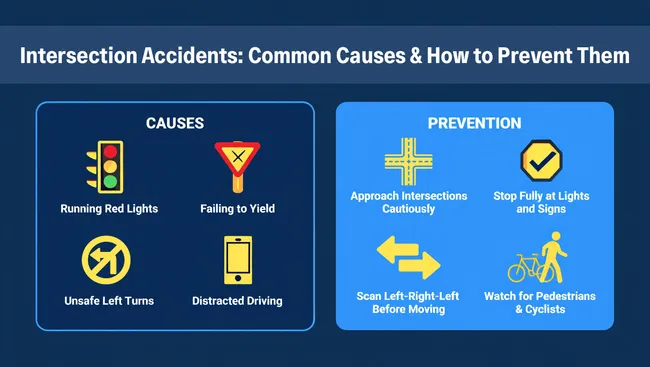
Intersection accidents frequently occur when drivers misjudge gaps in traffic or fail to yield the right of way. These crashes typically stem from:
- Running red lights
- Failing to yield
- Unsafe left turns
- Distracted driving
How To Help Avoid Intersection Accidents
Approach intersections with caution. Come to a complete stop at red lights and stop signs. Even when the light turns green, pause briefly and scan left, right, and left again before moving forward.
Avoid trying to “beat” a yellow light. Watch for pedestrians and cyclists, especially when turning. Keep your signals, brakes, and headlights in working order so other drivers can clearly see your movements.
Sideswipe And Lane-Change Accidents
Sideswipe accidents happen when two vehicles traveling in the same direction make contact, usually during a lane change or merge. These crashes are common on California freeways and multi-lane urban roads.
While some sideswipes cause minor damage, others can lead to loss of control and multi-vehicle crashes. Many of these accidents result from:
- Blind spots
- Unsafe merging
- Speed differences between vehicles
- Failing to signal
How To Help Avoid Sideswipe Accidents
Check mirrors and blind spots before changing lanes. Signal early to give other drivers time to react. Avoid lingering in another driver’s blind spot.
When merging onto a freeway, match the speed of traffic before entering the lane. Smooth, predictable movements reduce collision risk.
Head-On Collisions
Head-on collisions are less frequent than rear-end or intersection crashes, but they are often more severe. These accidents involve two vehicles colliding front-to-front, typically at higher speeds.
Head-on crashes can cause catastrophic injuries, including:
- Traumatic brain injuries
- Spinal cord damage
- Fractures
- Internal organ damage
These situations often arise from:
- Distracted or drowsy driving
- Unsafe passing
- Driving under the influence
- Crossing into oncoming traffic
How To Help Avoid Head-On Collisions
Stay in your lane and remain alert, especially on two-lane roads. Avoid passing unless it is clearly safe and legal. Never drive while fatigued or impaired.
If you feel drowsy, pull over and rest. Clear signaling and controlled lane changes help prevent vehicles from drifting into opposing traffic.
Pedestrian Accidents
Pedestrian accidents often result from a driver’s failure to yield at crosswalks. Speeding and distracted driving also contribute to these collisions. Because pedestrians have little physical protection, these crashes can lead to severe injuries or death.
People using skateboards, bicycles, roller skates, or mobility devices also face increased risk on busy roads.
How To Avoid Pedestrian Accidents
Drivers must yield to pedestrians in marked crosswalks. Reduce speed in areas with high foot traffic, such as school zones and shopping districts.
As a pedestrian, use marked crosswalks whenever possible. Stay visible, especially at night. Wearing reflective or light-colored clothing can increase visibility. Make eye contact with drivers before crossing to ensure they see you.
Rain-Related Accidents
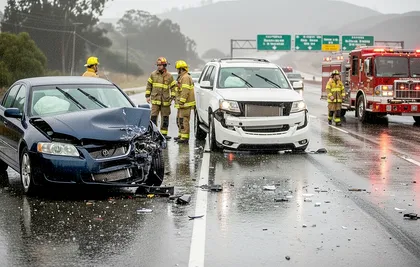
Some parts of California experience long dry periods followed by rainfall. The first rain after dry weather can make roads especially slippery because oil and debris build up on the surface.
Wet roads reduce tire traction and increase stopping distance. Hydroplaning can occur when tires lose contact with the road due to standing water.
How To Avoid Rainy Day Accidents
Slow down and increase your following distance. Turn on headlights, even during daytime rain, to improve visibility. Avoid sudden braking or sharp turns.
If you drive through standing water and feel your vehicle begin to hydroplane, ease off the accelerator and steer gently until you regain traction.
Parking Lot Accidents
Many drivers assume parking lots are low-risk areas. However, collisions frequently occur due to tight spaces, poor visibility, and distracted driving.
Parking lot crashes may involve other vehicles, pedestrians, or cyclists.
How To Avoid Parking Lot Accidents
Do not use your phone or entertainment system while driving through a parking lot. Drive slowly and remain alert.
Before backing out of a space, check mirrors and cameras carefully. Choose well-lit areas at night to improve visibility.
As a pedestrian, stay alert when walking between parked cars. Limited visibility can increase risk.
Defective Automobile Accidents
Mechanical failures can also lead to collisions. Faulty brakes, tire defects, steering problems, or electrical system failures may reduce a driver’s ability to control the vehicle.
Design flaws, manufacturing errors, or inadequate maintenance can contribute to these accidents.
How To Avoid Defective Car Accidents
Regular vehicle maintenance remains one of the most effective prevention strategies. Check brakes, tires, lights, and steering components routinely.
If purchasing a vehicle, research the make and model for recalls or known mechanical issues before buying.
Drunk Driving Accidents
Drunk driving accidents occur when a driver operates a vehicle while impaired by alcohol or drugs. Impairment slows reaction time, affects judgment, and reduces coordination. Even small amounts of alcohol can interfere with a driver’s ability to recognize hazards and respond safely.
These crashes often happen at night, on weekends, or near entertainment districts. Because impaired drivers may speed, drift between lanes, or ignore traffic signals, DUI-related accidents frequently result in severe injuries or fatalities.
Common contributing factors include:
- Alcohol or drug impairment
- Delayed reaction time
- Poor judgment and risk-taking behavior
- Failure to maintain lane position
- Speeding or aggressive driving
How To Help Avoid Drunk Driving Accidents
Never drive after consuming alcohol or drugs that impair your ability to operate a vehicle safely. Arrange for a designated driver, rideshare service, or taxi if you plan to drink.
Remain alert for signs of impaired drivers on the road, such as swerving, inconsistent speeds, or delayed responses at traffic signals. Keep a safe distance from vehicles displaying erratic behavior and avoid attempting to pass them abruptly. If necessary, safely change lanes or exit the roadway to avoid a potential hazard.
What To Do After A Car Accident While Recovering
If you are already recovering from a car accident, the focus shifts from emergency response to protecting your health and legal rights. The steps you take during this period can influence medical recovery, insurance decisions, and any potential injury claim.
- Continue Medical Treatment and Follow Recommendations: Attend all follow-up appointments and follow your doctor’s treatment plan. Gaps in care can affect both your recovery and how insurers evaluate your injuries. Keep copies of medical records, prescriptions, and therapy notes.
- Organize Accident-Related Documents: Gather and safely store important records, including the police report, photos of the accident scene, vehicle repair estimates, medical bills, and proof of missed work. Organized documentation helps clarify how the accident affected you physically and financially.
- Monitor Communication From Insurance Companies: Insurance adjusters may request statements or additional documentation. Review correspondence carefully. Keep records of all calls, emails, and letters related to your claim.
- Track Your Symptoms and Daily Limitations: Injuries can evolve over time. Consider keeping a written record of pain levels, mobility issues, missed activities, and emotional effects. This information can help demonstrate the ongoing impact of the crash.
- Understand Important Legal Deadlines: In California, you generally have two years from the date of the accident to file a personal injury claim. If a government entity is involved, much shorter deadlines may apply. Knowing these timelines helps you avoid losing the right to seek compensation.
- Avoid Public Discussions About the Accident: Be cautious about posting details on social media. Statements or photos taken out of context may be used to question the seriousness of your injuries.
Recovery often involves more than physical healing. Staying organized, informed, and attentive during this period can help protect both your health and your legal options as you move forward.
Frequently Asked Questions (FAQs)
As the number of vehicles on California’s roads increases, so do the chances of car accidents occurring. With this issue, you may have car accident-related questions that others are also asking. This section responds to some of the questions people often ask about common car collisions.
What Is The Best Way To Avoid Accidents While Driving?
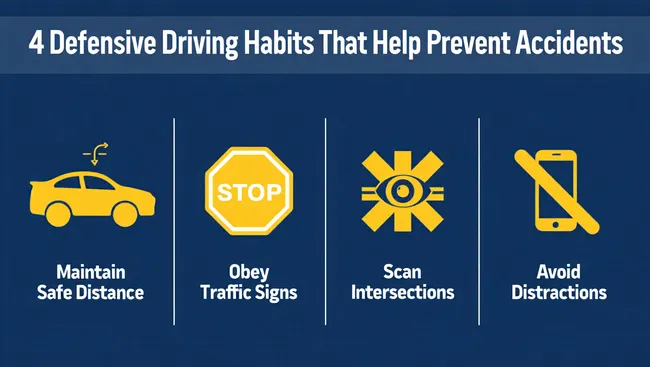
Defensive driving remains one of the most effective ways to avoid car accidents in California. Some ways you can practice this method are:
- Maintaining a safe following distance.
- Obeying traffic signs and speed limits.
- Scanning the intersection before crossing.
- Avoiding distractions like texting or calling.
Where Are You Most Likely To Have A Car Accident?
In California, intersections are among the places where you’re likely to encounter a car accident. Many drivers find it challenging to navigate crossroads, particularly in cities with numerous lanes and driving options, such as Los Angeles and Sacramento.
Who Is Most At Risk For Vehicular Accidents?
Teenagers aged between 16 and 19 are more likely than any other age group to be involved in a car accident in California, per mile driven. Some reasons for this likelihood are teens’ inexperience and tendency to engage in high-risk behaviors. Speeding, not wearing a seatbelt, and driving on weekends or at night put teen drivers at risk.
Who Is At Fault In A Car Accident?
The driver who failed to drive safely is usually the one at fault. However, determining fault in a claim involves analyzing evidence, such as photos, videos, police reports, and witness statements. You also need to prove negligence by establishing the following elements:
- Duty of Care: The driver has a duty to drive safely.
- Breach of Duty: The driver acted carelessly, such as breaking traffic laws.
- Causation: The breach caused the accident.
- Damages: You sustained compensable injuries and losses from the accident.
Nevertheless, multiple parties may share responsibility for an accident. California follows a pure comparative negligence rule. In this legal doctrine, an injured person can recover damages, even if they share some fault. However, the amount of compensation available will be reduced based on their percentage of fault. For example, if a driver is found to be 35% at fault in a car accident, they may still pursue 65% of their total damages.
How Long Do I Have To File A Car Accident Claim?
Generally, you have two years from the date of your California car accident to file a personal injury claim. If you’re filing for property damage only, the deadline is three years. If a government entity is at fault for the accident, you must file a claim with the relevant agency within six months.
What Steps Can I Take To Improve Road Safety And Prevent Car Accidents?
Obey traffic laws, maintain vehicles, and practice defensive driving to improve road safety. If you’re in a car, always wear a seatbelt, avoid driving while drunk, and remove distractions. During rainy weather, adjust your driving to the road conditions to reduce your risk of an accident.
You can also help create a safer driving environment by educating yourself on traffic rules and road safety regulations. Supporting efforts to improve traffic infrastructure is also helpful.
Call A Legal Professional After A Car Accident
California car accidents are a common cause of injuries for pedestrians and riders alike. Many of these collisions are due to risky behavior, such as drunk driving, speeding, or distracted driving. If you’re among those injured in a car crash due to someone’s negligence, you may be eligible to seek damages.
While some claims involve minor losses, others can be complex cases involving multiple parties or severe injuries. At this point, you may want to seek free advice from experienced car accident lawyers to understand your rights and legal options better. You might even be thinking, “I need a personal injury lawyer who can handle this for me.” At Arash Law, our team is ready to pursue compensation on your behalf. We offer a free case review to assess whether you have a valid claim.
Do lawyers only get paid if they win? Our lawyers do so through our contingency fee arrangement. This way, you don’t need to pay the attorney’s fees up front. Instead, our lawyers receive payment only if they win or secure compensation for you.
Contact AK Law at (888) 488-1391 to schedule a free initial consultation.