California Sexual Abuse Lawyers

  • PAY NOTHING UPFRONT
  • OVER $0 BILLION RECOVERED
  • ZERO-FEES UNTIL WE WIN
Recover Lost Wages, Property Damage, and Medical Bills.
Arash Law Practice Area Border/Divider

We’ll review what happened and tell you what options may be available.

Or, get LIVE help now — call our free 24-hour accident hotline at (888) 488-1391

Table of Contents

Who We Help After Sexual Abuse In California

Arash Law represents survivors pursuing civil sexual abuse claims across California. We help childhood and adult survivors, people harmed by individuals or authority figures, and survivors whose cases involve schools, churches, youth organizations, healthcare facilities, employers, or other institutions.

These cases often involve delayed trauma recognition, institutional responsibility, privacy concerns, filing-deadline analysis, and evidence that can disappear if it is not preserved early. California law allows survivors to pursue accountability and compensation for therapy, medical care, lost income, emotional distress, and long-term harm.

Why Survivors Contact Arash Law

  • We handle civil sexual abuse claims with care, privacy, and clarity.
  • We pursue claims against individuals and institutions when the law allows it.
  • We preserve records, internal reports, and other evidence before it is lost.
  • We analyze filing deadlines under California law.
  • We evaluate therapy costs, emotional harm, lost income, and long-term impact.
  • No upfront fees unless compensation is recovered.

Call (888) 488-1391 for a confidential consultation. You are not required to take legal action to have the conversation.

Who May Have A Civil Sexual Abuse Claim?

A civil sexual abuse claim may be available to a survivor even when the abuse happened years ago, even when the harm is primarily emotional or psychological, and even when no criminal case was filed.

A survivor may have a civil claim if:

  • The abuse happened while the survivor was under 18.
  • The abuse happened when the survivor was an adult.
  • The harm involved emotional, psychological, physical, or financial consequences.
  • The abuse involved an individual, authority figure, or professional.
  • A school, church, youth program, employer, healthcare facility, or other institution failed to protect the survivor.
  • Internal complaints, reports, or warning signs were ignored.
  • The survivor later discovered the psychological impact of the abuse.
  • The abuse involved a public institution or government-connected entity.

Civil claim viability depends on the facts, the timing, the parties involved, and California’s filing rules. The key point is that many survivors still have enforceable civil rights even when they are unsure whether they have a case.

Why Sexual Abuse Cases In California Are Different

California sexual abuse claims are different because the law recognizes delayed trauma, expanded filing rights for many survivors, institutional liability, and the importance of records that may be controlled by schools, churches, universities, healthcare systems, employers, or public entities. These cases are often shaped by filing-deadline analysis, internal complaint history, administrative-claim rules, and evidence that can disappear if it is not preserved early. That makes California civil sexual abuse litigation materially different from a standard personal injury case.

California has expanded survivor protections under Code of Civil Procedure section 340.1. These laws:

  • Remove strict filing deadlines for many childhood sexual abuse claims.
  • Allow adult survivors to file within years of discovering psychological harm.

Lawsuits are filed in the County Superior Court where the abuse occurred, such as the Alameda County Superior Court.

When abuse involves a public institution, additional procedures may apply under the California Government Claims Act. Before filing suit, a written administrative claim may need to be submitted to local agencies, such as the Los Angeles Unified School District risk management office.

These notice requirements affect timing but do not eliminate a survivor’s civil rights.

California cases frequently involve institutions, such as the Archdiocese of Los Angeles, as well as the individual perpetrator. Under California Civil Code section 1714, institutions can be held liable for negligent supervision or failure to act on prior complaints.

On top of all that, evidence collection in California cases can vary depending on where the abuse occurred and what type of institution was involved.

In larger metropolitan counties such as Los Angeles County and San Francisco County:

  • Surveillance systems in schools, churches, hospitals, and campuses may automatically overwrite footage within days or weeks unless it is preserved quickly.
  • Internal email servers, HR files, and complaint records often become central pieces of evidence.
  • Colleges and universities such as UCLA, UC Berkeley, San José State University, or CSU Long Beach may conduct internal campus investigations when misconduct is reported.

If the abuse was reported to a school or university, that institution may have created its own investigative file. Those internal findings do not replace your civil rights under California personal injury law, but they can become crucial evidence in a lawsuit.

In smaller communities such as Palm Springs, Oxnard, Commerce, Gardena, or West Covina:

  • Records may be less centralized.
  • Documentation may be limited to supervisory logs or internal emails.
  • Witness testimony may play a larger role.

Because of these differences, early preservation of evidence is often critical in California civil cases.

Insurance disputes are another California-specific factor. Institutions commonly carry commercial general liability policies, and insurers may raise:

  • Notice defenses
  • Policy exclusion arguments

These legal and procedural realities make sexual abuse personal injury litigation in California materially different from similar claims in other states.

Harm Is Legally Recognized, Even If It Is Not Visible

California civil law recognizes that sexual abuse can cause profound emotional, psychological, and functional harm even when there are no visible physical injuries. Trauma may affect sleep, work, trust, relationships, education, and daily life immediately or years later. A survivor does not need visible scars for the harm to be legally real or compensable.

Sexual abuse often leaves injuries that cannot be seen from the outside. These effects may influence how a person sleeps, works, trusts others, or moves through daily life. They may surface immediately or unfold years later.

Common impacts include:

  • Post-traumatic stress symptoms
  • Anxiety or panic episodes
  • Depression
  • Sleep disruption or recurring nightmares
  • Difficulty maintaining employment
  • Educational setbacks
  • The need for long-term therapy or psychiatric care
$41,950,000.00
A $41.95 million verdict for customers attacked inside a Walmart after a baseball bat left on the sales floor was used in the assault. A jury found Walmart partially responsible based on the evidence presented at trial.
Do I Have A Case
$17,900,000.00
A $17.9 million unanimous verdict against the County of Los Angeles involving two clients harmed in a serious crash. The jury determined the County was entirely at fault after a hard-fought trial that highlighted the clients’ long-term medical needs and the County’s denial of responsibility.
Do I Have A Case
$3,500,000.00
A $3.5 million verdict for a client who suffered a traumatic brain injury in a 2017 collision. Before trial, the insurer initially offered $18,500 and later increased the offer to $300,000. After hearing medical testimony and evidence of the victim’s ongoing symptoms, the jury awarded damages for past and future pain and suffering and future medical care.
Do I Have A Case

(No guarantee of outcome. Results displayed were dependent on unique facts of that case, and different facts will bring different results.)

What Compensation May Be Available In A California Sexual Abuse Case?

A civil sexual abuse claim may include compensation for the full scope of harm caused, including therapy, medical care, emotional distress, lost income, reduced earning capacity, and other long-term consequences. Depending on the facts, compensation may also address relocation expenses, educational disruption, ongoing psychiatric care, and punitive damages when the conduct was intentional, malicious, or oppressive.

Compensation may include:

  • Medical care related to physical injuries or complications
  • Psychiatric care
  • Trauma therapy and counseling
  • Prescription medications used to treat anxiety, depression, or PTSD symptoms
  • Lost wages
  • Reduced earning capacity
  • Educational disruption or delay in appropriate cases
  • Relocation expenses tied to safety concerns
  • Emotional distress and mental suffering
  • Pain and suffering
  • Punitive damages when the law allows them

In institutional cases, compensation may also account for long-term therapy needs and the lasting impact on relationships, employment, or quality of life.

Sexual abuse survivor talking to therapist
Sandra Bernabe
Sandra Bernabe
Arash Law firm is been an amazing advocate for me in my case. They truly care about you and your needs. Especially my case manager Cynthia Gracia; she’s amazing at what she does. Always ensures to make sure any questions I have are answered and keeps me updated on my case as soon as possible. Super easy communication and response time! Would definitely recommend to others!
Stephen Watson
Stephen Watson
I highly recommend Arash Law, if I could give them more than 5 stars I would give them 10. The staff, particularly Arlene, is outstanding and very responsive, professional, and most of all kind-hearted. They advocated for me and my girlfriend after an auto accident and were superb. They got us 25 times what the insurance company originally offered. In addition to everything else, they were fast and efficient. Not to mention very honest and up-front about what to expect and the range of possible outcomes. Again, I highly recommend this firm and had the best experience i could have imagined. They actually surpassed my hopes and I consider them to be my friends, especially Arlene. Do not hesitate to contact them, you will not be disappointed. Steve W.
Pearl
Pearl
My experience with Arash Law has been outstanding from the start. Their team Cristina and Oscar are incredibly knowledgeable, consistently providing clear explanations and well-informed guidance that has made every step easy to understand. They have also been exceptionally helpful, always quick to respond and willing to go the extra mile to make sure I feel supported. Arash Law handles everything with professionalism and confidence, which gives me that peace of mind and has made a situation that could have been overwhelming feel manageable. Overall, Arash Law delivers excellent service, expert advice, and a truly smooth experience. I highly recommend them to anyone looking for reliable, caring, and effective legal support.
Catherine Davis
Catherine Davis
Great representation, my case representative, Arlene Perez, is wonderful. She explained everything in detail about how injury law suits work. She is prompt in returning messages, shows genuine concern for my well being, and she is very knowledgeable and eager to help. Without having met anyone from the Arash team in person, I can honestly say that this law group takes care of business. Perhaps this is why this firm is one of the best who also represent people from small rural communities, such as myself. Yes, I 100% recommend, you cannot go wrong with this awesome team of experts. They will fight, unwavering, to win cases. Thank you, Arash Legal Group ! You rock !!
Santos Hernandez
Santos Hernandez
Great experience with Arash Law. A big thank you to Erick Ordonez for his professionalism and support. He helped close my case quickly and kept everything transparent. Highly recommend.
Need Legal Help from Our Sexual Abuse Lawyers?

Institutional Liability And Insurance Defense

When sexual abuse involves a school, church, youth organization, healthcare facility, employer, or other institution, the case often becomes more complex because survivors are not just facing the institution itself. They may also be facing insurers and defense counsel whose goal is to limit financial exposure. Coverage review, prior-complaint history, notice issues, and policy defenses can all become part of the civil case, especially when institutional responsibility is disputed.

Institutions often carry:

  • Commercial general liability insurance.
  • Professional liability coverage.
  • Abuse or molestation coverage endorsements.
  • Additional umbrella policies for larger organizations.

In many California cases, part of the legal process involves reviewing the coverage in effect at the time and how the institution reported prior complaints.

Institutions and insurers commonly defend these cases by arguing:

  • The institution had no prior knowledge of misconduct.
  • Supervision was adequate.
  • The policy does not apply to the conduct at issue.
  • The report came outside the policy period.
  • The institution did not have enough notice to prevent the harm.

These arguments are common in institutional sexual abuse litigation. They are legal strategies. They are not judgments about whether the harm occurred.

Under California civil law, insurance disputes do not erase a survivor’s right to pursue accountability and compensation.

While insurance involvement can make a case feel more complicated, the focus of a civil claim remains the same: whether the individual or institution failed in its legal duty and whether that failure caused harm.

The presence of insurers may affect how a case is defended or negotiated. It does not diminish the seriousness of what happened or reduce the survivor’s rights under California law.

Why Hire Arash Law After Sexual Abuse?

Civil sexual abuse claims require more than general legal knowledge. These cases often involve filing-deadline analysis, privacy concerns, institutional responsibility, internal records, insurance issues, and evidence that may be difficult to access without formal preservation steps. Arash Law helps survivors evaluate their rights, identify all responsible parties, preserve critical records, assess long-term harm, and pursue accountability under California civil law. Representation is not about pressure. It is about clarity, protection, and enforcing rights that already exist.

That typically includes:

  • Reviewing filing deadlines under California law.
  • Identifying all responsible parties, including institutions.
  • Preserving records and evidence before they are lost.
  • Managing communication with schools, churches, or other organizations.
  • Evaluating long-term financial and psychological harm.
  • Seeking privacy protections when appropriate.
  • Filing the case in the proper California Superior Court.
Sexual abuse survivor consulting a lawyer about insurance and institutional defense strategies

What Typically Happens After A Personal Injury Claim Begins

A California civil sexual abuse claim usually begins with a confidential case review and then moves through evidence preservation, identification of responsible parties, formal filing, discovery, and either resolution or trial. The process is structured, but it does not require a survivor to decide everything at once. Each step is meant to protect rights, preserve evidence, and evaluate accountability under California civil law.

  1. Confidential Case Review: The process begins with a private review where the survivor can share what happened at their own pace. The legal team evaluates timelines, potential defendants, and available legal paths under California law. There is no obligation to move forward after the conversation.
  2. Evidence Preservation: Relevant records, personnel files, internal reports, and electronic communications are identified and formally preserved to prevent loss or destruction.
  3. Identification of Responsible Parties: The claim names the individual perpetrator and any institution that failed in its legal duty of care.
  4. Filing in the Appropriate California Superior Court: The lawsuit is filed in the county where the abuse occurred or where a responsible party is located.
  5. Discovery Process: Both sides exchange documents, request records, and take sworn testimony. This phase allows evaluation of the strength of the evidence.
  6. Resolution or Trial: The case may resolve through negotiated settlement or proceed to trial, where a judge or jury determines liability and damages.

Each step is governed by California law. At Arash Law, our lawyers for sexual abuse cases keep their focus on accountability, documented harm, and enforcement of civil rights.

Filing Deadlines For Sexual Abuse Cases In California

California gives survivors more time to bring civil sexual abuse claims than most other personal injury cases, but the deadline still depends on key facts. The survivor’s age at the time of the abuse, when the harm was discovered, whether the abuse occurred before or after major statutory changes, and whether a public entity is involved can all affect the filing period. These timing rules are fact-specific, and getting them right is critical.

If the abuse happened when the survivor was under 18:

  • For qualifying abuse occurring on or after January 1, 2024, there is no civil filing deadline.
  • For abuse that occurred before January 1, 2024, survivors generally may file a lawsuit until age 40.
  • Survivors may also file within five years of discovering that the abuse caused psychological harm, whichever deadline is later.

If the abuse happened when the survivor was 18 or older:

  • A lawsuit generally must be filed within 10 years of the last incident.
  • A claim may also be filed within three years of discovering that emotional or psychological injury resulted from the abuse.

California law recognizes that trauma can delay understanding the full impact of abuse, and the filing period may extend when harm is discovered later.

Special procedural rules apply if a public entity is involved. Claims against public schools, government agencies, or state institutions may require a written administrative claim before filing a lawsuit, and those notice deadlines can be much shorter.

These timelines are fact-specific. The survivor’s age, the date of the abuse, when harm was discovered, and whether a public entity is involved all affect the filing deadline. Acting within the correct time period preserves the right to seek accountability under California civil law.

Frequently Asked Questions About Sexual Abuse Injury Claims In California

Choosing whether to get legal representation for a sexual abuse case is a significant decision. Survivors looking for free advice from a sexual abuse lawyer often want clear answers about costs, privacy, timing, and what the legal process entails. The questions below address practical concerns that commonly arise when considering civil action under California law.

You should consider hiring a lawyer if the abuse caused lasting emotional, psychological, physical, or financial harm, or if an institution may share responsibility. A lawyer can review filing deadlines, identify liable parties, preserve key records, and determine whether a civil claim is appropriate under California law.

Most California civil sexual abuse cases are handled on a contingency fee basis. That usually means attorney fees are paid only if compensation is recovered. Survivors generally do not need to pay upfront legal fees to begin a case.

Not necessarily. Many civil cases resolve through settlement without going to trial. Hiring a lawyer means the case is properly prepared if court becomes necessary, while the survivor remains in control of major decisions throughout the process.

The timeline depends on the facts, the number of defendants, the scope of the evidence, and whether institutions are involved. Cases against larger organizations may take longer because document review, internal records, and insurance defense procedures often make the process more complex.

Yes. Civil claims may involve school districts, religious organizations, youth programs, healthcare facilities, employers, universities, or other institutions. These cases require close review of supervision policies, prior complaints, internal records, and insurance coverage.

If You Are Ready To Talk, Our California Sexual Abuse Lawyers Are Here To Listen

If you are considering taking a legal step after sexual abuse or sexual assault, you deserve a conversation that feels private, respectful, and clear. Arash Law represents survivors in civil sexual abuse claims across California and approaches these matters with care, discretion, and an understanding of how difficult it can be to speak about what happened.

A confidential consultation allows you to share as much or as little as you feel comfortable sharing. The purpose of that conversation is to explain your rights under California law, review whether a civil claim may be available, and outline what legal options may exist. You remain in control of whether any action is taken.

Call (888) 488-1391 for a confidential consultation.

Arash Khorsandhi
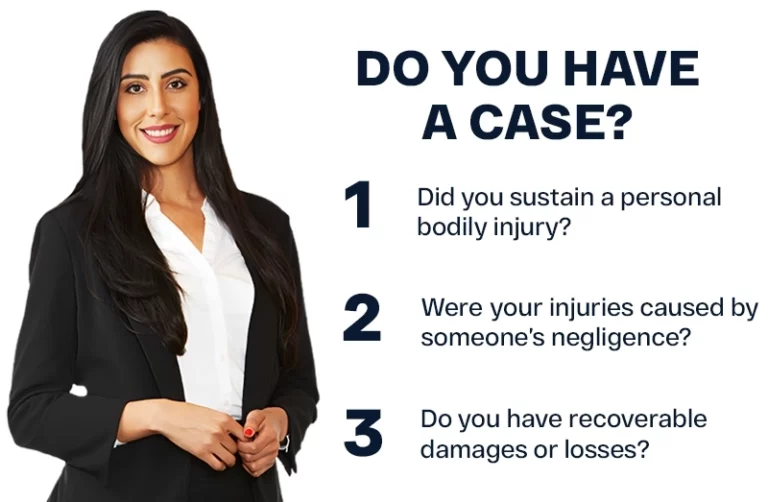
Do You Have A Case?
IF YES, You may be able to recover financial compensation. TELL US MORE:
Do you have a case?
IF YES, You may be able to recover financial compensation. TELL US MORE:

Thank You, We’ll contact you shortly.

DON'T SPEND
HOURS
SEARCHING
FOR ANSWERS
Get FREE Consultations
24 Hours Icon
24 Hours Icon