TL;DR: Falls are the leading cause of accidents in construction, often resulting in traumatic brain injuries, spinal cord injuries, and fatalities. Employers must follow OSHA and Cal/OSHA standards to prevent accidents. Workers may pursue compensation through workers’ compensation or personal injury claims.
Highlights:
- Falls are the leading cause of accidents in construction.
- Common causes of falls include slippery surfaces, unstable scaffolding, and improper ladder use.
- Traumatic brain injuries (TBIs) and spinal cord injuries (SCIs) are common from falls.
- The “Fatal Four” in construction are falls, struck-by incidents, caught-in/between accidents, and electrocution.
- Workers have the right to a safe work environment and can pursue compensation for injuries.
- Compensation options include workers’ compensation and personal injury claims.
Tip: Preserve evidence quickly after an accident to support your claim.
Table of Contents
Falls are among the most common types of accidents in the construction industry. Workers are often required to perform tasks at heights. In some cases, they are not secured with safety harnesses when using scaffolding, significantly increasing the risk of fall accidents.
Falls, slips, and trips caused many nonfatal injuries from 2021 to 2022, says the Bureau of Labor Statistics. During this period, 31.5 out of every 10,000 full-time construction workers missed at least one day of work.
In California and the U.S., all workers, including construction workers, have the right to a safe workplace under the Occupational Safety and Health Act of 1970. If unsafe conditions cause accidents such as falls, injured workers have legal options to protect themselves and seek justice.
The Most Common Type Of Accident On Construction Sites
Falls are the most common type of accident in the construction industry. That’s due to the nature of the work involved here, which creates multiple opportunities for these incidents to occur.
Some common examples of falls in construction include:
- Slipping on wet or slippery materials such as wet concrete or puddles of rainwater.
- Tripping over wires, tools, or other items cluttering walkways.
- Falling from heights when working on ladders, scaffolding, or partially built structures.
- Losing balance when using heavy equipment, construction vehicles, or unwieldy tools.
Construction accidents can cause injuries that range from minor cuts and bruises to serious, life-changing harm. In the most severe cases, these accidents can even result in death.
What Is The #1 Cause Of Death In Construction?
According to the BLS, falls, slips, and trips accounted for 370 deaths in 2024. That’s 7.5% lower than the previous year’s figure. However, it still comprises over one-third of the total deaths in the industry.
Some may ask, why do falls often lead to fatalities? It is because these accidents can lead to several catastrophic injuries. Among them are:
- Traumatic Brain Injuries (TBIs): Falls can cause TBIs that range from mild concussions to severe brain damage. These injuries can affect thinking, communication, movement, and perception. They have the potential to cause permanent cognitive impairment.
- Spinal Cord Injuries (SCIs): Falling from heights, such as scaffolding or ladders, can damage the spinal cord. Severe injuries to the neck (cervical) or lower back (lumbar) can limit movement in all four limbs. As a result, SCIs can result in partial or total paralysis. They often need lifelong medical care and support.
- Penetrating Injuries: Falls on construction sites can sometimes cause impalement. Workers can accidentally fall onto sharp objects, such as exposed steel bars, nails, tools, or other materials. These accidents can cause deep puncture wounds, internal bleeding, or even permanent damage.
- Internal Organ Damage: A fall can rupture internal organs such as the liver, spleen, or kidneys. If not treated quickly, this can cause life-threatening internal bleeding. Blunt force trauma can also injure soft tissues and organs.
In the most serious incidents, these injuries can cause death. Even if a worker survives, they may face expensive medical treatments, permanent disability, and the need for lifelong care. Construction accident attorneys often consider future losses when assessing these types of claims.
Common Causes Of Construction Site Falls
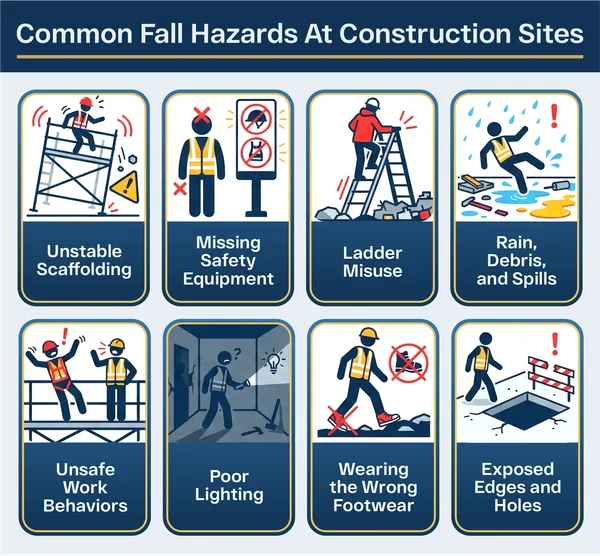
Falls on construction sites often occur due to risky conditions and non-compliance with industry safety practices. These dangers can come from work areas with unaddressed hazards. Employers can also create risks if they don’t provide workers with adequate safety equipment or training.
Some of the most common causes of falls include:
- Unstable Scaffolding: If scaffolding is not properly secured or set up, it can collapse, causing workers to fall.
- Missing Safety Equipment for Falls: Workers at higher elevations need equipment such as harnesses, guardrails, and safety nets. Without these, the chance of a serious fall increases.
- Ladder Misuse: Placing ladders on uneven or weak surfaces can create instability and increase the risk of falls.
- Rain, Debris, and Spills: Water, oil, grease, or mud on floors can make walking dangerous. Fallen debris or tracked-in dirt creates further risk in outdoor construction sites.
- Unsafe Work Behaviors: Rushing, failing to follow safety rules, or ignoring established procedures can lead to accidents and falls.
- Poor Lighting: Dim or uneven lighting makes it harder to see hazards in underground construction sites and during night shifts.
- Improper Shoes: Wearing the wrong footwear can make slippery or rough surfaces even more dangerous. Strong, protective work boots help prevent slips and injuries.
- Exposed Edges and Holes: Many construction sites have open edges, wall openings, or floor holes. If these are not properly guarded, fall accidents can occur.
Preventing Fall Accidents In The Construction Industry
The Occupational Safety and Health Administration (OSHA) enforces specific safety standards to protect construction workers from fall-related risks. Its California Division (Cal/OSHA) imposes additional requirements to address hazards unique to the state.
Here are a few general fall protection guidelines from the federal OSHA for preventing construction fall accidents:
- Exposed Edges and Sides: Use guardrails, safety nets, or personal fall arrest systems to protect workers on surfaces six feet (1.8 m) or higher.
- Residential Construction: Workers six feet or more above a lower level must use a guardrail system, safety net, or personal fall arrest system. If another approved fall protection method is in place, they can use that instead.
- Steep Roofs: A personal fall arrest device, safety net, or guardrail system with toeboards must be installed to prevent falls from steep roofs with exposed edges six feet or higher.
- Openings: Protect all openings on the job site. These include skylights over six feet high. Use a personal fall arrest device, cover, or guardrails to keep workers safe.
Meanwhile, Cal/OSHA’s more specific regulations include:
- Standard Fall Protection: Employees working at heights must use an approved personal fall protection system. This requirement applies if guardrails, safety nets, or other protections are not available.
- Protective Measures for High Work Areas: If work is 25 feet or more above the ground, water, or floor, employers must use safety nets. Construction sites must do so when they cannot use other personal fall arrest systems or positioning devices.
Federal OSHA and Cal/OSHA requirements can vary depending on the work type and applicable safety orders. These rules generally apply, but other regulations may apply to specific situations.
Employers must also take these steps to keep construction workers safe:
- Ensure all equipment, such as scaffolding and ladders, is set up and secured correctly.
- Clear clutter and spills regularly. A tidy worksite helps prevent slips and falls.
- Inspect the site often to spot hazards early. Fix problems quickly to keep workers safe. When it comes to fall protection gear, employers must also ensure it is working properly and in good condition.
These are just some of the standard safety guidelines designed to prevent common fall accidents. If employers fail to provide these safety measures, they put workers at risk. Construction accident lawyers check if the employer was negligent. They look for ways this could have led to the incident. They also consider whether other factors caused it.
Other Common Accidents In The Construction Industry
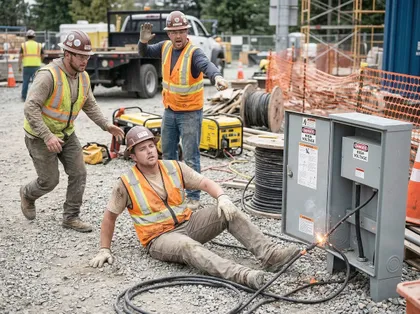
Falls aren’t the only way construction workers can get injured on the job. OSHA identifies four main types of workplace accidents that cause deaths.
Though falls are the most prominent of this “Fatal Four,” employers must take additional steps to eliminate the risks of:
- Struck-by Incidents: Falling tools or moving equipment can seriously injure or kill workers.
- Caught-In/Between Accidents: These occur when a worker gets trapped, crushed, or squeezed between objects. Some examples include being caught in machinery, pinned between equipment, or buried in a trench collapse.
- Electrocution: Contact with live wires, whether above or below ground, can be fatal.
Who Can Be Liable In Construction Accidents?
Employers, property owners, workers, and manufacturers can be liable for an accident. If their actions or inaction directly contributed to a construction worker’s injuries, they can be legally or financially responsible for the resulting losses.
Here is how each party could face liability for a construction accident:
- Employers: They must keep their employees safe. They have to follow all OSHA rules, regularly inspect the worksite, and ensure safety measures are in place.
- Property Owners: Under California’s premises liability law, property owners have to keep their premises reasonably safe. If you were hurt while doing construction work on someone else’s property, the owner’s level of control over the site may determine whether they can be held responsible for your injuries.
- Other Workers: Sometimes, a construction accident can occur due to another worker’s negligence. For example, if someone spills paint but doesn’t clean it up, their actions may cause a coworker to slip or fall.
- Manufacturers: If an injury results from faulty equipment, the manufacturer may be liable under product liability laws. That includes problems like poor design, manufacturing defects, or missing safety instructions. For example, a construction worker may have a product liability case if defective brakes cause a forklift to pin them to a wall.
- Contractors and Subcontractors: Construction projects often involve a main contractor and subcontractors, which can make liability confusing. Both the main contractor and subcontractors must follow safety rules. Under the Privette rule, a subcontractor usually handles injuries caused by their employees. However, the main contractor may still be liable in certain situations. For instance, they could be at fault if they retained control over the work done or failed to provide a safe work environment.
Compensation Options After A Construction Accident
After a construction accident, workers can sustain serious or fatal injuries. They or their loved ones can pursue compensation for the resulting losses if someone else’s actions caused the incident. In California, the two main avenues for seeking damages include filing a workers’ compensation or personal injury claim. In some cases, workers can pursue both simultaneously.
Workers’ Compensation Claim
Workers’ compensation is the main way to get help if you are hurt while working on a construction site. In California, this system is no-fault, which means you don’t have to establish someone else’s negligence to seek benefits.
Some of the losses workers’ comp can pay for include, but are not limited to:
- Medical expenses related to treating your injury.
- Lost wages if you cannot work while recovering.
- Rehabilitation services such as physical therapy, chiropractic care, or mental health support.
In most cases, if you get workers’ compensation benefits, you cannot sue your employer for your injury. You may only be able to take legal action against them if:
- They lack workers’ compensation insurance.
- The incident involves intentional harm, such as deliberately creating safety hazards.
- They operate in a dual capacity. For example, they may be both your employer and the manufacturer of a defective tool that caused your accident.
When Should You File A Workers’ Compensation Claim?
You have one year from the date of your construction accident to file a workers’ compensation claim. However, you must start the process by informing your employer of your injury within 30 days. You should receive an official DWC-1 claim form one business day after reporting your accident. Complete and return it promptly to prevent unnecessary delays.
A couple of exceptions may apply to the general workers’ comp filing deadline. Depending on your situation, you may also be able to submit your claim within one year of:
- The last payment for temporary or permanent disability.
- The last medical or hospital service received.
Personal Injury Claim
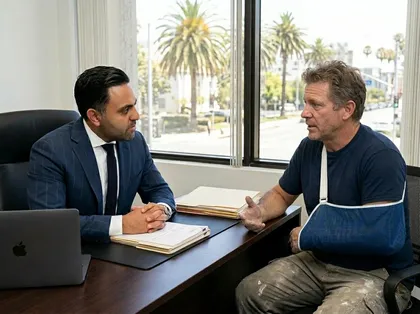
You can file this claim if someone other than your employer caused your construction accident. Unlike workers’ compensation, which is no-fault, you must show that the other person’s actions led to your injuries and losses.
To have a valid personal injury claim in California, you need to demonstrate these four elements of negligence:
- Duty: The third party had a duty to prevent harm.
- Breach: They failed to meet this duty through carelessness or negligence.
- Causation: The breach directly caused the accident and your injuries.
- Damages: You sustained actual losses, such as medical expenses.
Through a third-party claim, victims may be able to seek damages for the following:
- Ongoing and future medical costs.
- Lost wages or reduced earning capacity.
- Pain and suffering or emotional distress.
In some cases, a third-party claim is also possible if the victim dies due to the construction accident. In a wrongful death claim, the eligible family members of the victims may be able to pursue compensation for:
- Funeral costs
- Burial expenses
- Loss of financial support
It is reasonable to think, “I need a personal injury lawyer,” when a third party is involved in a construction accident. Many construction accidents result in substantial losses. In these instances, disputes from potentially liable parties are possible. Injury attorneys can help address these challenges.
How Long Do You Have To File A Personal Injury Lawsuit?
California has a statute of limitations for filing civil cases. For personal injury, the legal deadline is two years from the date of the injury. If you miss it, the court will generally dismiss your case. That can bar you from pursuing compensation altogether.
Still, certain circumstances may change this time limit:
- Delayed Discovery of Injuries: If a worker doesn’t notice their injury right away, the filing deadline may shift. It depends on when they found it or when they should have.
- Government Involvement: If the injury involves a government agency, the worker has six months to file an administrative claim. They can only sue if:
- The government agency rejects the claim. Victims have six months from the date of the denial to file a lawsuit.
- They receive no response within 45 days. The general two-year statute of limitations applies.
Frequently Asked Questions (FAQs) About Accidents In The Construction Industry
Below are answers to common questions about construction accidents. Consider getting free advice from a construction accident lawyer if you’re dealing with a complex legal situation.
Can You Receive Both Workers’ Compensation And Third-Party Compensation?
Yes, it is possible to file a personal injury case against someone else (a third party) while also getting workers’ compensation. However, your workers’ compensation benefits may affect the money you recover from the third party. Specifically, the settlements from both claims cannot pay for the same losses.
To prevent overlaps in compensation, your employer or their insurer can place a lien on the third-party settlement so it can reimburse them for the benefits they already paid. To tackle these challenges, think about getting legal help. Lawyers for construction accidents can assist you in assessing your losses and exploring options for compensation.
How Much Does A Construction Accident Attorney Charge In California?
The complexity of the case and the lawyer’s or injury law firm’s fee structure determine the cost. Some cases may require more resources than others, which can affect legal fees.
That said, you may be wondering, “Do lawyers only get paid if they win?” Some construction injury lawyers work on a contingency fee basis. Under this arrangement, they receive payment only if they recover compensation for their clients.
How Much Is A Workplace Injury Claim Worth In California?
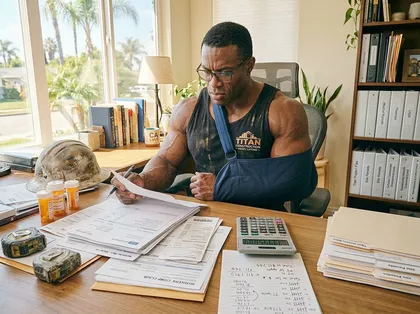
Each case is different, so workplace injury claim values vary across the state. Factors such as injury severity typically affect case worth. Personal injury lawyers, workers’ comp insurance carriers, and courts also consider:
- The cost of your medical treatment.
- The amount of time you spent away from work to recover.
- Whether you qualify for temporary or permanent disability benefits.
- Whether you need job retraining.
Protect Your Legal Rights After An Accident In Construction
Falls are the most common construction accidents in California. However, workers can also get injured in struck-by, caught-in/between, and electrocution accidents. These incidents can lead to serious outcomes, from TBIs and SCIs to fatalities.
If someone else’s negligence causes an accident at a construction site, injured victims have legal options. Our construction accident lawyers at Arash Law can provide legal support for workers’ compensation or personal injury claims.
Our legal team can assess your case, gather evidence, and handle communication with insurers on your behalf. To know more about how AK Law can help, call us at (888) 488-1391.