TL;DR: There is no single bone that breaks in every car crash, but the ribs are among the most frequently fractured. The clavicle and femur are also vulnerable, especially in collisions that place heavy force on the chest or lower body. In a California personal injury claim, the fracture’s severity, treatment, effect on work and daily activities, and supporting medical evidence can all influence the compensation an injured person may pursue.
Ribs are among the bones most commonly fractured in car accidents. The clavicle (collarbone) and femur (thighbone) are also frequently injured, along with bones in the arms, pelvis, face, skull, and spine, depending on the force and direction of the collision.
For a personal injury claim, however, the location of the fracture is only part of the issue. What usually matters more is whether the crash caused or aggravated the injury, what treatment was required, how the fracture affected the person’s work and daily life, what evidence supports those losses, and whether another party is legally responsible.
In California, medical records, diagnostic imaging, crash evidence, insurance coverage, and filing deadlines can all affect a fracture claim. A broken bone that requires surgery, extended rehabilitation, or time away from work may support substantially different damages than a fracture that heals without lasting limitations.
Key Facts About Car Accidents Involving Broken Bones in California
- Medical records can help establish causation. Imaging, treatment notes, and follow-up records can help document when a fracture was diagnosed and how it progressed after the crash.
- Pre-existing conditions do not automatically prevent recovery. California Civil Jury Instructions (CACI) No. 3927 allows compensation for aggravation of a pre-existing condition caused by another party’s wrongful conduct.
- Insurance limits may affect available recovery. California’s minimum liability limits are $30,000 for injury or death to one person, $60,000 for injury or death to more than one person, and $15,000 for property damage.
- Different reporting deadlines may apply. Injury or death crashes generally require a written report to CHP or local police within 24 hours; drivers must also file a DMV SR-1 within 10 days if someone is injured or killed, or property damage exceeds $1,000.
- Filing deadlines. You generally have 2 years from the crash to sue a private party (Code of Civil Procedure § 335.1). A government entity at fault requires a written claim within 6 months (Government Code § 911.2).
Table of Contents

Why Ribs Are Common in Car Accidents
Rib fractures can result when the chest absorbs force from a seat belt, steering wheel, airbag, or rapid deceleration. Research involving a group of U.S. adults has identified rib fractures as a frequent injury in motor vehicle crashes.
From a personal injury standpoint, the important question is not simply which bone broke. The claim must connect the diagnosed fracture to the collision and document how that injury affected the person’s health, employment, activities, and future care needs.
A rib fracture, for example, may lead to emergency care, imaging, time away from work, medication, follow-up appointments, or restrictions on physical activity. Those consequences can become part of the damages analysis when supported by medical and other evidence.
Other Fractures That Can Affect a Car Accident Claim
Different fractures can affect a personal injury claim in different ways, depending on the severity of the injury and whether it causes lasting limitations. The impact on work, mobility, and daily activities can also shape the types of damages an injured person may pursue. Medical records and other documentation help show how the fracture affected the person beyond the initial diagnosis.
- Collarbone Fractures: These injuries can restrict shoulder and arm movement and may affect a person’s ability to work, drive, lift, or perform ordinary tasks.
- Arm and Wrist Fractures: A broken humerus, radius, ulna, or wrist can interfere with work and daily activities, particularly for people whose jobs require lifting, typing, driving, or manual labor.
- Leg and Pelvic Fractures: These injuries may require surgery, assistive devices, rehabilitation, and significant time away from work.
- Facial and Skull Fractures: These fractures can involve scarring, additional treatment, and functional problems that may affect both economic and non-economic damages.
- Spinal Fractures: Vertebral fractures can lead to prolonged treatment and, in serious cases, lasting limitations that affect mobility and future earning capacity.
The nature of the fracture can therefore influence the evidence needed to document damages. A claim involving surgery or long-term physical limitations generally requires more extensive medical and financial documentation than a relatively uncomplicated fracture.
Why the Type of Fracture Matters in a Personal Injury Claim
Rib fractures are among the most common broken bones in car accidents, but the specific bone that breaks can affect a personal injury claim in different ways. A fractured rib may limit breathing and movement, a broken clavicle may restrict use of the shoulder and arm, and a fractured femur may lead to surgery, extended rehabilitation, and significant time away from work.
For a California injury claim, the diagnosis helps show the force of the crash and the type of treatment the injury required. It can also help document how the collision affected the injured person’s ability to work, move, and handle daily activities.
Medical Evidence Helps Show What the Crash Caused
Medical records can help connect a rib, clavicle, femur, or other fracture to the collision. They may show when doctors diagnosed the break, what treatment they recommended, and whether the injury caused lasting limitations.
Useful records may include:
- Emergency room records.
- X-rays, CT scans, or other imaging.
- Surgical records.
- Specialist evaluations.
- Physical therapy records.
- Work restrictions.
- Follow-up treatment.
- Records describing ongoing limitations.
When lawyers investigate car accidents, they can compare these records with police reports, photographs, witness statements, and other crash evidence.
Different Fractures Can Lead to Different Damages
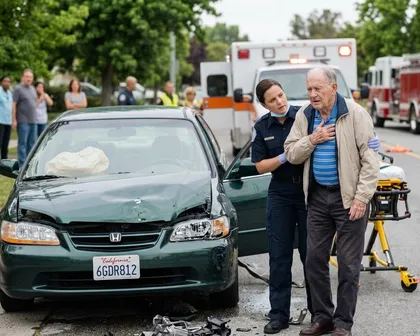
The type and severity of the fracture can affect the losses claimed after a crash. A person with a fractured rib may face different treatment needs and work restrictions than someone with a broken femur or clavicle.
Compensation may account for medical expenses, lost earnings, pain, reduced mobility, and future treatment when the evidence supports those losses. The diagnosis alone does not determine case value. The claim depends on how the fracture actually affected the injured person.
Insurers May Dispute Whether the Crash Caused the Fracture
An insurer may question whether the collision caused a fracture, especially when treatment was delayed or the injured person had a prior bone condition.
Medical records created soon after the crash can help establish when doctors identified the injury. Consistent treatment records can also help show whether a rib, clavicle, femur, or other fracture continued to affect the person over time.
Why Immediate Treatment Protects Your Health and Legal Claim
Because ribs, the clavicle, and the femur can all fracture in car accidents, prompt medical care can help identify which bone was injured and document the condition close to the time of the crash. That documentation may later become important if an insurer disputes the cause or seriousness of the injury.
Under California law, injured victims generally must take reasonable steps to limit avoidable harm. CACI No. 3930 provides that a plaintiff cannot recover damages for additional harm that could have been avoided through reasonable efforts or expenditures.
In a bone fracture claim, the timing and consistency of treatment can be relevant. Delaying an evaluation, missing follow-up visits, or disregarding prescribed care may allow the defense to argue that later complications or additional treatment resulted from the delay rather than the crash itself.
Medical records can also help document:
- When the fracture was first diagnosed and linked to the accident.
- What treatment doctors recommended, including imaging, surgery, or rehabilitation.
- Whether the injury improved, worsened, or caused ongoing limitations.
California general acute care hospitals must generally preserve adult patients’ medical records for at least 7 years after discharge. Even with these retention requirements, requesting records early can make it easier to document treatment, imaging, and the progression of a fracture claim.
Bone fracture lawyers in California can review medical records, treatment timelines, and insurer arguments when the cause or severity of a fracture is disputed.
What Compensation May Be Available for a Broken Bone?
When another party is legally responsible for a car accident, an injured person may seek compensation for losses supported by the evidence. The amount depends on the severity of the fracture, the treatment required, and how the injury affects your ability to work and live.
Economic damages in California claims for bone fractures typically include:
- Emergency room visits, surgery, and hospital stays.
- Diagnostic imaging such as X-ray, CT, or MRI, and specialist consultations.
- Physical therapy, occupational therapy, and rehabilitation.
- Future medical costs, including projected surgeries or assistive devices.
- Lost wages during recovery and reduced future earning capacity.
Non-economic damages may include:
- Physical pain and suffering.
- Loss of enjoyment of daily activities and hobbies.
- Emotional distress caused by the injury and recovery process.
- Disfigurement and scarring from the fracture or related treatment.
- Permanent impairment, reduced mobility, or other lasting limitations.
In California car accident claims against private parties, non-economic damages are not subject to a statutory cap.
How Pre-Existing Bone Conditions Affect a Claim
A condition such as osteoporosis or a prior fracture does not automatically prevent an injured person from seeking compensation after a car accident. California law may allow recovery when the crash aggravates an existing condition.
Under CACI No. 3927, the responsible party may be liable for the additional harm caused by that aggravation, but not for the pre-existing condition itself. Medical records from before and after the collision can help show what changed and how much of the current condition resulted from the crash.
This is why pre-existing conditions can affect injury claims even when the underlying condition was present long before the accident.
Filing Deadlines for California Fracture Claims
A broken bone claim can involve different deadlines depending on who caused the crash and what losses you are seeking. Treatment may continue for months, but the legal filing periods still run.
A personal injury lawsuit against a private party is generally subject to a two-year limitation period under California Code of Civil Procedure § 335.1.
- Personal injury claim: You generally have two years to file a lawsuit for injuries such as a fracture under California Code of Civil Procedure § 335.1.
- Government claim: If a public entity may be responsible for the crash, you generally must present a written claim within six months under Government Code § 911.2.
- Related property damage: A separate claim for vehicle or other property damage generally has a three-year deadline under Code of Civil Procedure § 338.
Missing a statute of limitations or a government claim deadline can bar the affected claim. Waiting can also make a fracture claim harder to prove because medical records, imaging, vehicle data, video, and witness evidence may become harder to obtain.
What Arash Law’s Injured Clients Recovered
To illustrate what bone fracture claims can involve, the case results below may provide some insight.
$11,250,000 — Broken Ribs, Fractured Jaw, and TBI: In this workers’ comp case, our client suffered broken ribs, a fractured jaw, a severe traumatic brain injury, and other internal and orthopedic injuries after falling four stories down an elevator shaft. Arash Law secured an $11.25 million settlement for the client.
$4,100,000 — Broken Bones and Orthopedic Injuries: A farm worker suffered multiple broken bones and other orthopedic injuries when another driver attempted a left turn in front of him during heavy fog. After years of disputed compensation, Arash Law’s skilled legal team recovered $4.1 million for the client.
$1,750,000 — Multiple Facial Fractures: Our client required surgery after suffering multiple broken facial bones when a hotel security guard punched him in the face. Arash Law pursued the claim and was ready for trial, but the case was settled at $1.75 million during mediation.
$1,450,000 — Fractured Ribs and Head Trauma: After hitting uneven pavement in a construction area, a motorcycle rider suffered fractured ribs and head trauma. The contractors and the city tried to deny liability, but Arash Law pursued the case and ultimately secured a $1.45 million settlement after the first day of trial.
These past results can show what is possible, but they do not guarantee any future outcome. Every case is different, and the results will depend on the specific facts and evidence involved.
Speak With Arash Law About a Broken Bone Claim
If you suffered a fracture in a California car accident, questions may arise about who was at fault, what evidence you need, what insurance coverage is available, and what losses can be included in your claim.
Arash Law offers free case evaluations. Call (888) 488-1391 to discuss your legal options.
Frequently Asked Questions About Car Accident Bone Fractures in California

Does a Broken Bone Make a Car Accident Claim Worth More?
A fracture can increase the losses associated with a car accident, but there is no automatic value assigned to a broken bone. Compensation depends on factors such as treatment, lost income, lasting limitations, liability, available insurance, and the evidence supporting each claimed loss.
What if I Did Not Realize My Bone Was Broken Immediately After the Crash?
A delayed diagnosis does not automatically prevent a claim. However, a substantial gap in medical treatment may give an insurer an opportunity to dispute whether the crash caused the fracture.
Seeking care when symptoms appear and accurately describing the collision to medical providers can help document the injury’s timing and cause.
Can I Recover Future Medical Expenses for a Fracture?
Projected future medical costs may be recoverable when supported by medical testimony documenting the likelihood and estimated cost of future treatment. A qualified medical expert can document the need for future surgical intervention, which can then be included in a damages claim. An injury lawyer can help you build a claim that involves future care needs.
How Do Pre-Existing Conditions Affect a Broken Bone Claim in California?
Pre-existing conditions don’t disqualify you from recovering compensation. Under California law (CACI No. 3927), you can recover for any way the crash made an existing condition worse, even if you weren’t 100% healthy beforehand.
The at-fault driver is responsible for the additional harm they caused, not your pre-existing condition itself. Your medical records from before and after the crash can help show what changed.
What if the Insurance Company Says My Treatment Was Excessive?
An insurer may dispute whether particular treatment was necessary or related to the collision. Medical records, physician recommendations, diagnostic findings, and treatment history can become important when those issues are contested.
How Much Does It Cost to Hire an Attorney for a Broken Bone Claim?
Arash Law handles these cases on a contingency fee basis, wherein we only take a percentage of what we recover for you. That means you don’t pay anything up front, and you don’t pay the attorney’s fees unless we recover compensation for you.
Talk to Arash Law About Your Fracture Claim In California
A broken bone can create medical expenses, missed work, physical limitations, and disputes with insurers over fault or damages. The strength of a personal injury claim depends on the evidence connecting those losses to the collision and establishing another party’s legal responsibility.
Arash Law has recovered over $1 billion for injured Californians, including multi-million-dollar results in fracture and catastrophic injury cases. We build the medical documentation that links your injury to the crash, counter defendant arguments, and take cases to trial when insurers refuse to pay fair compensation.
We offer free case evaluations! Don’t accept a settlement offer or sign anything before speaking with an attorney. Call (888) 488-1391 today and learn about your options.
Make ‘Em Pay, Call AK.
Sources
Holcombe SA, Huang Y, Derstine BA. Population Trends in Human Rib Cross-Sectional Shapes. Journal of Anatomy, 2024. National Library of Medicine, PubMed Central. ncbi.nlm.nih.gov
California Department of Public Health. General Acute Care Hospital Regulations, Title 22 Medical Record Retention Requirements. California Department of Public Health. cdph.ca.gov
California Code of Civil Procedure § 335.1. Two-Year Statute of Limitations for Personal Injury Claims. California Legislative Information. leginfo.legislature.ca.gov
California Government Code § 911.2. Six-Month Government Tort Claim Presentation Deadline. FindLaw (secondary publisher; primary text at California Legislative Information). codes.findlaw.com
California Civil Jury Instructions (CACI) No. 3927. Aggravation of Preexisting Condition or Disability, 2026 edition. Judicial Council of California via California Courts. courts.ca.gov
California Civil Jury Instructions (CACI) No. 3930. Mitigation of Damages, Personal Injury, 2026 edition. Judicial Council of California via California Courts. courts.ca.gov
California Department of Motor Vehicles. Insurance Requirements / SB 1107 Minimum Liability Coverage (effective January 1, 2025). dmv.ca.gov
California Office of Traffic Safety (OTS). Data and Statistics / SWITRS-Based Crash Data. ots.ca.gov
UC Berkeley Transportation Injury Mapping System (TIMS). SWITRS Summary Tool. tims.berkeley.edu
Arash Law. Case Results. arashlaw.com
NCBI StatPearls NBK551678. Bone Healing. National Library of Medicine. ncbi.nlm.nih.gov
Disclaimer
The information on this page is for general educational purposes and does not constitute legal advice. No attorney-client relationship is formed by reading or relying on this content. If you were injured, consult a licensed California personal injury attorney about your specific situation. Arash Law, (888) 488-1391.