TL;DR: Drunk driving victims may pursue civil claims separately from criminal cases and may pursue compensation even if the driver is acquitted of DUI. Depending on the facts, victims may seek economic and non-economic damages. Punitive damages may also be available if clear and convincing evidence establishes malice. In California, you usually have two years to file a personal injury lawsuit. However, there are exceptions and shorter deadlines that might apply.
Highlights:
- File a civil claim independently from the criminal case to recover medical costs, lost wages, and pain and suffering.
- You need to show the driver likely caused your injuries, not prove guilt beyond a reasonable doubt.
- Save medical records, get the police report, and note all losses from day one.
- California’s two-year filing deadline (CCP section 335.1) applies to your civil lawsuit, even while the criminal case is pending.
- Bars and restaurants are only liable if they serve alcohol to an obviously intoxicated minor (under 21).
- Most cases settle without trial, and personal injury attorneys work on a contingency fee, meaning you pay nothing unless you win.
Tip: To strengthen your claim, attend all medical appointments, request the police report promptly, and contact an attorney early. Take action when the evidence is still fresh, and witnesses remember the details clearly.
Table of Contents
Drunk driving accidents happen when someone chooses to drive impaired. As a victim of that choice made by someone else, you can suffer harm to your health, finances, and daily life. If you get injured in a drunk-driving accident, California law gives you the right to file a civil claim.
A civil claim is a request for compensation for losses such as medical costs, lost wages, and emotional pain. It may be handled through insurance negotiations or, if necessary, through a civil lawsuit separate from the criminal case. Even without a criminal conviction, you may be able to hold the driver responsible for your losses through a civil case, depending on the facts.
A drunk driving crash sets off two separate legal processes at once. The criminal system focuses on punishing the driver, while a civil case seeks to compensate you for your losses. How each system treats the crash differently will shape how you recover.
Understanding Civil Vs. Criminal Drunk Driving Cases
A criminal driving under the influence (DUI) case and a civil injury claim serve two different purposes. Criminal courts focus on punishing the drunk driver with jail time, fines, and license suspension. Filing a civil claim is a separate legal process that lets you pursue financial compensation for your injuries and losses.
You do not need to wait for the criminal case to end before filing your civil claim. You can file at any point in the criminal process, as long as you meet the civil filing deadline. Starting early helps because evidence may be easier to gather soon after a crash.
Even if the drunk driver is not convicted, you may still be able to recover compensation in a civil claim. The two systems use different standards of proof.
- In a criminal case, the prosecutor must demonstrate guilt “beyond a reasonable doubt.” That means the evidence must leave no reasonable doubt about the driver’s guilt.
- In a civil case, you only need to prove that the driver is more likely to have caused your injuries and losses. This lower standard is called the “preponderance of the evidence.”
Proving Liability And Identifying Who Is Responsible
The impaired driver may be legally responsible for the injuries sustained in the crash. Depending on the situation, responsibility could also fall on:
- Another driver
- A vehicle owner
- An employer
- A commercial transportation company
- An alcohol seller
- A public entity
Finding all potentially responsible parties can influence insurance coverage and compensation.
A DUI violation may be treated as evidence that the driver was negligent. This rule applies if the violation caused the injury, the injury was what the law aimed to prevent, and the injured person was part of the group the law seeks to protect.
Who else might share responsibility depends on where the driver was drinking. California’s “Dram Shop Law,” named after an old term for a place that sold drinks, addresses these issues. Under Business and Professions Code (BPC) section 25602 and Civil Code section 1714, bars and restaurants are generally shielded from liability if an adult they served later causes a crash.
BPC section 25602.1 carves out a narrow exception to that immunity. A person may be liable for selling, furnishing, or giving alcohol to an obviously intoxicated person under 21 years of age when doing so proximately causes the injury or death. These rules may either limit or expand the list of potentially liable parties you can identify in your claim.
The Role Of “Negligence Per Se”
In California, negligence per se may help an injured person establish that an impaired driver breached a legal duty. Under Evidence Code section 669, a court can assume the driver was negligent.
Negligence per se applies if the driver broke a law, and that violation caused the claimant’s injury. The injury must also be the type the law was intended to prevent, and the claimant must belong to the group the law was designed to protect. So, if a driver breaks a DUI law, it can suggest negligence if that impairment led to the collision.
However, negligence per se doesn’t automatically prove the whole claim or ensure payment. The presumption can be challenged. The driver can show they acted as a careful person would under similar conditions while trying to follow the law. As the injured victim, you must also prove causation, the type and extent of damages, and other factors needed to show liability.
What Compensation Can Drunk Driving Accident Victims Recover?
If a drunk driver injured you, you may be entitled to compensatory damages for the losses caused by the crash. Compensatory damages include economic and non-economic losses. Punitive damages may be available only when the evidence meets California’s stricter legal requirements.
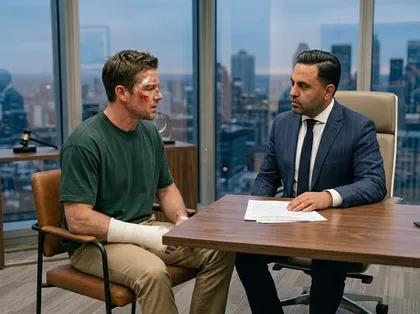
- Economic Damages: These cover real financial costs. They include medical bills, follow-up care, physical therapy, and wages you lost while you were unable to work.
- Non-Economic Damages: These cover harm that is hard to put a dollar amount on. You can claim compensation for pain and suffering, emotional distress, and loss of enjoyment of life.
- Punitive Damages: May rarely be available under California Civil Code section 3294 if clear and convincing evidence shows that the drunk driver acted with malice, including knowingly ignoring the safety of others. However, impairment alone does not automatically qualify the injured person for punitive damages.
- Wrongful Death Damages: Eligible relatives may be able to file wrongful death claims in the event of a fatal drunk driving accident. These typically cover relevant losses, such as funeral expenses and a loss of companionship.
Getting medical care promptly and keeping up with treatment, whether from a doctor or a chiropractor, helps build the records needed to link your injuries to the crash. Drunk driving accident lawyers can help you document your losses, calculate what your case is worth, and move your claim forward from day one.
What Insurance Coverage May Apply?
Compensation can come from the impaired driver’s bodily injury liability insurance. If that isn’t available or enough, you may use your uninsured or underinsured motorist (UM/UIM) coverage, depending on the policy. If an impaired driver flees the scene after causing a crash, UM coverage may also apply. Medical Payments coverage can also help with certain medical expenses if it was purchased.
Additional policies might apply if the impaired driver was working, driving a commercial vehicle, using a rideshare vehicle, or in a vehicle owned by someone else. The coverage available depends on the people, vehicles, businesses, and policies involved in the crash.
What Evidence May Support A Drunk Driving Accident Claim?
Medical records and bills can document injuries and treatment from the crash. Pay records, tax documents, receipts, and insurance letters may show lost income, property damage, and other financial losses. Other useful evidence includes:
- Scene photos
- Vehicle damage
- Witness contact info
- Police report
- Body-camera footage
- Dashcam recordings
- 911 audio
- Sobriety tests
- Chemical-test results
- Vehicle electronic data
If third-party liability is involved, gather receipts, transaction records, surveillance footage, employee statements, dispatch records, or employment documents. These can help show where the driver got alcohol or if they were working for a business. Some records can be deleted quickly, so request them promptly.
What The Claims Process For Drunk Driving Accidents Looks Like
After a drunk driving accident, the claims process typically starts when you send the other party’s insurer a demand package listing your losses, providing evidence, and detailing the amount of compensation you’re seeking. From here, these steps usually follow:
- Claims adjusters independently review the accident to verify the facts of the case.
- The insurer assesses fault and decides whether to offer a settlement.
- Settlement talks proceed if you receive an offer, but wish to negotiate another amount that better covers your documented losses.
- If both parties cannot reach an agreement, you may be able to file a lawsuit.
- Further negotiations proceed after you file a civil case.
- If a settlement still cannot be reached, the case may proceed to court. A judge or jury will decide on the outcome.
Each step can take time, and you only have a limited amount of time to file a personal injury lawsuit in California.
Deadlines For Your Drunk Driving Case
California usually gives you two years to file a personal injury lawsuit. However, some exceptions may apply, such as when the victim is a minor or mentally incapacitated at the time of the incident.
Shorter deadlines apply if a government entity or public employee is involved (such as a crash caused by a city vehicle or road hazard). Under Government Code section 911.2, you must file a formal administrative claim within 6 months of the incident before you can file a lawsuit.
Missing an applicable deadline may affect the ability to pursue compensation, so it is important to determine which time limits apply as early as possible.
What To Do After A Drunk Driving Accident
Acting quickly protects your health and your ability to pursue compensation. You can follow these steps to protect your drunk-driving claim:
- Get Medical Care Quickly and Follow Your Treatment Plan: These records can help show the nature, cause, and extent of your injuries. Medical records link the crash to your symptoms, but the strength of that link depends on the facts and evidence.
- Obtain the Police Report: The police report may include the officer’s notes, witness statements, sobriety tests, arrest info, and chemical test results. Final lab results or criminal charges might be in separate documents.
- Contact a Lawyer for Help With Your Claim: An attorney can help gather time-sensitive evidence and talk to insurance companies for you.
Each of these steps is manageable with the right support. An attorney can guide you through the process and help the road ahead feel clearer, even when the situation still feels overwhelming.
Frequently Asked Questions About Drunk Driving Accidents
The aftermath of a drunk driving crash can leave you with more questions than answers. You may be unsure about your rights, your options, and what comes next. These answers aim to provide clarity on the concerns victims raise most often.
What If The Driver Who Hit Me Is Acquitted Of DUI?
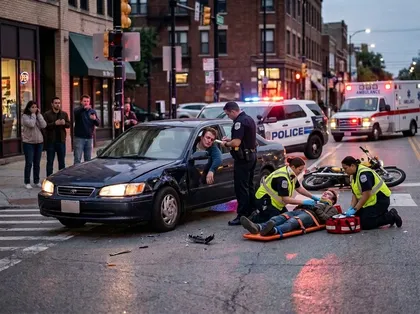
A criminal acquittal does not end your civil claim. If you were hit by a drunk driver, you can still seek compensation in civil claims by proving liability, causation, and damages by showing that it was more likely than not. This is a lower standard of proof.
Can I Still Get Compensation If I Was Partially At Fault?
Yes. California follows a rule called “pure comparative negligence.” This means your share of the fault reduces your compensation, but you can still recover even if you were mostly at fault. For example, if you were 20% at fault, you can still recover 80% of your damages.
In drunk driving cases, insurance adjusters may use comparative fault tactics to reduce your payout. For instance, they may use the “seat belt defense” to assert that you worsened your own injuries because you weren’t wearing a seat belt. An attorney can counter these defense claims by using crash data and expert testimony to prove the drunk driver’s impairment was the primary cause of your harm.
Can I File A Claim If I Was A Passenger In The Drunk Driver’s Car?
Yes. As a passenger, you can generally pursue a claim against the driver’s insurance policy, provided you did not substantially contribute to the situation (for example, by driving with a driver you knew to be impaired in circumstances that may affect your claim).
Because you were not driving, comparative negligence typically applies differently to your claim than it would to the driver’s own recovery. An attorney can help evaluate whether any actions on your part (such as choosing to ride with a visibly intoxicated driver) could affect your compensation, and can identify all insurance policies that may apply to your specific situation.
How Long Does A Drunk Driving Settlement Take?
There is no exact timeline for a settlement. Some cases take longer because of serious injuries, ongoing medical care, disagreements about who caused the accident, limited insurance coverage, or the need to go to court.
Will My Case Have To Go To Court?
Most drunk driving injury cases settle out of court through negotiation with the insurance company. However, if you and the insurance company cannot reach a fair settlement, your case may go to trial. Your attorney can help you decide what to do next.
What Happens If The Drunk Driver Was Uninsured?
If the drunk driver has no insurance at all, your own Uninsured Motorist (UM) coverage can step in to cover your medical bills, lost wages, and other damages. Other options, such as Medical Payments (MedPay) coverage or third-party liability (e.g., a commercial entity or a dram shop, if applicable), may also help absorb the costs, depending on the situation.
Should I Hire An Attorney For A Drunk Driving Claim?
Legal help may be useful if you were injured, fault is disputed, several parties may be responsible, or the insurance company is delaying or undervaluing your claim. An attorney can gather evidence, identify available insurance coverage, handle communication with insurers, calculate your losses, and explain the deadlines that apply to your case. Getting legal advice early may also help protect important evidence and prevent mistakes that could damage your claim.
Do Lawyers Only Get Paid If They Win?
Most personal injury lawyers work on a contingency-fee basis. This means they get paid a percentage of the settlement or verdict, not upfront fees. The written fee agreement determines responsibility for case costs and other possible expenses.
Contact Our Lawyers About Your Drunk Driving Accident Claim Today
If a drunk driver hurt you or someone you love, you do not have to face the situation alone. The lawyers at Arash Law have experience with complex drunk driving accident claims across California. Call AK Law at (888) 488-1391 to schedule a free and confidential initial consultation with no obligation to move forward.
Our team takes on personal injury cases on a contingency-fee basis. That means you pay no attorney’s fees unless we win. Contact us to review your case and explain how we can help while you focus on your recovery.