California Stadium Injury Lawyers

  • PAY NOTHING UPFRONT
  • OVER $1 BILLION RECOVERED
  • ZERO-FEES UNTIL WE WIN
Recover Lost Wages, Property Damage, and Medical Bills.
Arash Law Practice Area Border/Divider

We’ll review what happened and tell you what options may be available.

Or, get LIVE help now — call our free 24-hour accident hotline at (888) 488-1391

Table of Contents

Who We Help After A Stadium Injury

A day at the stadium should end with a final score, an encore, or a good story, not an ambulance ride. Stadiums, arenas, and concert venues in California must maintain reasonably safe environments for fans, workers, performers, vendors, and guests. When unsafe conditions result in injuries, victims may be eligible to pursue a personal injury claim against the responsible parties.

Arash Law assists injured people in identifying who caused the harm, preserving key evidence, and seeking compensation for medical bills, lost income, pain and suffering, and other losses.

Whether you attended the venue as a fan, worked there as an employee or contractor, or were providing services as a vendor, you may have a case. However, your legal options depend on your role at the time of the incident and the circumstances surrounding the injury.

Why People Turn To Arash Law For Help With Stadium Injury Claims

Stadium claims move quickly. Many key pieces of supporting evidence are time-sensitive. Stadium staff may overwrite video and clean up hazards. Witnesses may also leave before anyone gets their names. That is why injured victims reach out to our team.

We can:

  • Send preservation letters to protect video, reports, and safety records.
  • Investigate all potentially responsible parties, including the stadium owner, operator, promoter, vendors, and contractors.
  • Review insurance policies for each party involved.
  • Examine failures in crowd control, security, maintenance, and inspection.
  • Handle insurance adjusters and defense teams.
  • Build a claim for medical bills, lost wages, pain and suffering, and long-term harm.

Call Arash Law at (888) 488-1391 for a free initial consultation.

Who May Be Eligible To File A Stadium Injury Claim?

Fans are the most commonly injured visitors at stadiums. However, they are not the only people who may have rights after a stadium accident in California. Your role at the venue does not automatically stop you from filing a claim.

People who may be able to file include:

  • Fans & Spectators: People hurt in seats, stairs, restrooms, parking lots, walkways, or exits.
  • Concertgoers & Event Attendees: Guests injured during concerts, festivals, shows, or other live events.
  • Vendors & Food Service Workers: Workers hurt by unsafe conditions near stands, kitchens, loading areas, or service stations.
  • Stadium Employees & Groundskeepers: Workers who may have a workers’ compensation claim, a third-party civil claim, or both.
  • Security Staff & Contractors: Guards, cleaners, repair crews, and outside workers injured while working at the venue.
  • Visiting Workers: Construction, maintenance, broadcast, or production crews hurt onsite.

If a stadium incident caused a death, eligible family members may be able to file a wrongful death claim. A spouse, registered domestic partner, child, or other qualifying survivor may seek compensation depending on the family relationship and facts of the case.

Why Stadium Injury Cases In California Are Different

California does not follow the old visitor-category rules that many states use. These rules traditionally divided visitors into groups such as invitees, licensees, and trespassers and applied different legal duties to each group. Instead, California generally uses a broader standard that focuses on whether a property owner or business acted with reasonable care under the circumstances.

Under the California Civil Code, people are generally liable for injuries caused by their failure to exercise ordinary care. In stadium cases, the focus is usually on whether the venue or another responsible party acted reasonably to keep visitors safe on the premises.

Several California-specific issues can shape your claim:

  • Broad Duty of Care: Stadium owners and operators must take reasonable steps to keep the property safe.
  • California Occupational Safety and Health Administration (Cal/OSHA) Records: If you were working when you were hurt, these documents may help show safety problems or violations.
  • Corporate Defendants: Many cases involve large corporations, venue companies, promoters, or insurers, all of which have defense teams ready to dispute fault.
  • Short Evidence Windows: Footage from cameras, parking lots, and security systems may get overwritten within days unless someone acts quickly.

In California, the key question is often not whether a duty existed. The harder question is who controlled the unsafe area and who failed to address hazards.

$41,950,000.00
A $41.95 million verdict for customers attacked inside a Walmart after a baseball bat left on the sales floor was used in the assault. A jury found Walmart partially responsible based on the evidence presented at trial.
Do I Have A Case
$17,900,000.00
A $17.9 million unanimous verdict against the County of Los Angeles involving two clients harmed in a serious crash. The jury determined the County was entirely at fault after a hard-fought trial that highlighted the clients’ long-term medical needs and the County’s denial of responsibility.
Do I Have A Case
$3,500,000.00
A $3.5 million verdict for a client who suffered a traumatic brain injury in a 2017 collision. Before trial, the insurer initially offered $18,500 and later increased the offer to $300,000. After hearing medical testimony and evidence of the victim’s ongoing symptoms, the jury awarded damages for past and future pain and suffering and future medical care.
Do I Have A Case

(No guarantee of outcome. Results displayed were dependent on unique facts of that case, and different facts will bring different results.)

Who May Be Liable For A Stadium Injury?

Determining liability for a stadium injury depends on who actively controlled the hazardous area. However, identifying the responsible party can be challenging because multiple entities can control these venues in California. Liability may fall on the venue owner, event promoter, security contractor, or food vendor who created, ignored, or failed to warn about hazards.

Possible liable parties include:

  • Stadium Owner or Operator: Responsible for walkways, stairs, seats, railings, parking areas, restrooms, exits, and other venue spaces.
  • Event Promoter or Organizer: Responsible for event setup, crowd flow, ticketing plans, staffing, and crowd management.
  • Security Contractor: Responsible for crowd safety, screening, response times, and preventing foreseeable fights or unsafe crowd behavior.
  • Food and Beverage Vendor: Responsible for food safety, spills, service areas, and hazards created by vendor operations.
  • Maintenance Crew or Contractor: Responsible for cleaning, repairs, inspections, warning signs, and hazard removal.

More than one party can be held responsible for California accidents. For example, a fall near a concession stand may involve the vendor that caused the spill, the maintenance crew that failed to clean it, and the stadium operator that failed to inspect the area.

Identifying all potentially liable parties in your case matters. Since several of them could share fault, multiple insurance policies may apply. Examples include a privately-owned stadium’s general commercial liability insurance, an event owner or operator’s event insurance, or third-party coverage carried by a security firm, food vendor, or maintenance company.

That matters in scenarios where the value of your losses exceeds the primary liable party’s policy limits. Identifying other at-fault parties with policies you could file a claim against may allow you to pursue the full worth of your claim. However, each party’s insurer may argue over which coverage pays first or dispute the facts of your case. That is where having a stadium accident lawyer can help.

Stadium spectator foul ball injury
Sandra Bernabe
Sandra Bernabe
Arash Law firm is been an amazing advocate for me in my case. They truly care about you and your needs. Especially my case manager Cynthia Gracia; she’s amazing at what she does. Always ensures to make sure any questions I have are answered and keeps me updated on my case as soon as possible. Super easy communication and response time! Would definitely recommend to others!
Stephen Watson
Stephen Watson
I highly recommend Arash Law, if I could give them more than 5 stars I would give them 10. The staff, particularly Arlene, is outstanding and very responsive, professional, and most of all kind-hearted. They advocated for me and my girlfriend after an auto accident and were superb. They got us 25 times what the insurance company originally offered. In addition to everything else, they were fast and efficient. Not to mention very honest and up-front about what to expect and the range of possible outcomes. Again, I highly recommend this firm and had the best experience i could have imagined. They actually surpassed my hopes and I consider them to be my friends, especially Arlene. Do not hesitate to contact them, you will not be disappointed. Steve W.
Pearl
Pearl
My experience with Arash Law has been outstanding from the start. Their team Cristina and Oscar are incredibly knowledgeable, consistently providing clear explanations and well-informed guidance that has made every step easy to understand. They have also been exceptionally helpful, always quick to respond and willing to go the extra mile to make sure I feel supported. Arash Law handles everything with professionalism and confidence, which gives me that peace of mind and has made a situation that could have been overwhelming feel manageable. Overall, Arash Law delivers excellent service, expert advice, and a truly smooth experience. I highly recommend them to anyone looking for reliable, caring, and effective legal support.
Catherine Davis
Catherine Davis
Great representation, my case representative, Arlene Perez, is wonderful. She explained everything in detail about how injury law suits work. She is prompt in returning messages, shows genuine concern for my well being, and she is very knowledgeable and eager to help. Without having met anyone from the Arash team in person, I can honestly say that this law group takes care of business. Perhaps this is why this firm is one of the best who also represent people from small rural communities, such as myself. Yes, I 100% recommend, you cannot go wrong with this awesome team of experts. They will fight, unwavering, to win cases. Thank you, Arash Legal Group ! You rock !!
Santos Hernandez
Santos Hernandez
Great experience with Arash Law. A big thank you to Erick Ordonez for his professionalism and support. He helped close my case quickly and kept everything transparent. Highly recommend.
Looking for help from our California Stadium Injury attorneys?

How Premises Liability Applies To Stadium Injuries

Under California premises liability laws, property owners and businesses must use reasonable care to keep visitors safe. Stadium owners and operators are no exception. If a venue fails to fix a danger or warn people about it, the injured person may have a premises liability claim.

A claim usually requires proof of four things:

  • Duty: The stadium had a legal duty to keep the property reasonably safe.
  • Breach: The stadium failed to inspect, repair, clean, secure, or warn others about hazards.
  • Causation: That failure caused the accident.
  • Damages: The injured person suffered losses, such as medical bills, lost income, and pain and suffering.

Because stadiums bring together large crowds, food and beverage service, stairs, parking lots, and multiple vendors, a wide range of accidents can occur when safety measures fall short. Common stadium injury cases involve:

  • Slip-and-falls on spilled drinks, wet floors, or slick bathroom surfaces.
  • Trip-and-falls on broken stairs, uneven walkways, or loose mats.
  • Falls from stairs, balconies, railings, or seating rows.
  • Crowd crushes, crowd surges, or unsafe exit routes.
  • Assaults, fights, or negligent security.
  • Parking lot crashes or pedestrian injuries.
  • Elevator, escalator, or equipment failures.
  • Falling objects, unsafe displays, or broken seats.
  • Food poisoning or burn injuries from concessionaires.

The specific cause of the injury can help identify the records to preserve and the parties that may be responsible.

However, stadiums are not automatically liable for every injury that occurs on the property. Some risks are inherent to attending a live sporting event. For example, spectators in certain seating areas may accept some risk of being hit by a foul ball. This is the concept known as the “Baseball Rule” or the implied assumption of risk.

Even so, that protection has limits. It generally does not shield a stadium from liability for hazards unrelated to the game’s normal risks. They can still be liable for injuries if a court finds that taking additional safety measures would have made you less vulnerable to injury in your specific case.

What Compensation May Be Available After A Stadium Injury?

California law allows injured people to seek damages, which means money for proven losses. The available compensation depends on your injuries, evidence, treatment, work impact, and the insurance coverage involved. Some types of damages are only available in limited situations.

Economic damages may include:

  • Emergency care, surgery, hospital stays, and follow-up visits.
  • Future medical care, rehabilitation, specialist care, physical therapy, or chiropractic treatment.
  • Lost wages from missed work.
  • Reduced earning ability if the injury affects your job long-term.
  • Property damage, such as broken glasses, phones, or personal items.

Non-economic damages may include:

  • Pain and suffering.
  • Emotional distress.
  • Loss of enjoyment of life.
  • Loss of consortium (for a spouse or registered domestic partner in serious cases).

If a stadium injury caused a death, eligible family members of the victim may seek wrongful death damages, including funeral costs, lost financial support, and loss of companionship.

No attorney can promise a specific amount. A strong claim depends on clear evidence, reliable medical records, and proof that the injury affected your life.

What Evidence Matters In A Stadium Injury Claim?

Evidence in a stadium injury claim can disappear quickly. Acting quickly gives an attorney time to send a preservation letter before that evidence is altered or lost. This document puts the stadium, event company, vendor, or contractor on notice to save key records, including surveillance footage and official incident reports.

Important evidence may include:

  • Surveillance Footage: Video from the injury area, walkways, stairs, parking lots, gates, and concession areas.
  • Incident Reports: Reports from stadium staff, security, police, fire crews, or emergency responders.
  • Photos and Videos: Images of the hazard, your injuries, poor lighting, missing warning signs, spills, broken seats, or unsafe stairs.
  • Witness Information: Names, phone numbers, and statements from people who saw what happened.
  • Medical Records: Emergency care, ambulance records, diagnoses, treatment plans, therapy notes, prescriptions, and work restrictions.
  • Proof of Attendance: Tickets, digital receipts, parking records, or payment records.
  • Maintenance Records: Cleaning logs, inspection sheets, repair records, and prior complaints.
  • Lost Income Records: Pay stubs, work schedules, tax records, or employer letters.

If a party destroys, loses, or fails to preserve important evidence after receiving a preservation letter, or despite having a duty to preserve it because litigation is reasonably foreseeable, the court may treat that action as spoliation.

Spoliation could support sanctions, limit defenses, or allow jurors to infer that the missing evidence would have been unfavorable to that party. Though it doesn’t help you automatically win a case, it could support your arguments about the other party’s liability.

Injuries That Can Change A Claim

Not all stadium injuries lead to major claims. A small bruise may heal quickly. However, more serious injuries to the brain or spine can affect your work, independence, and future care needs. These often require additional records, including imaging and opinions from medical specialists. They can connect the injury to the incident and show the full impact of the harm.

Serious stadium injuries may include:

  • Traumatic brain injuries, including concussions.
  • Spinal cord damage or back injuries.
  • Hip, leg, wrist, or arm fractures.
  • Crush injuries from crowd pressure.
  • Burns from hot food, drinks, or equipment.
  • Neck, shoulder, or soft tissue injuries.
Stadium injury claim consultation

What To Expect Once A Stadium Injury Claim Gets Underway

A stadium injury claim usually follows a clear process. It usually involves accident investigations, claim building, and settlement negotiations. In some cases, you may have to file a lawsuit. Each step depends on the facts, the severity of the injury, and the strength of the evidence:

  1. Evidence Preservation: An attorney sends letters to the venue and other parties requesting preservation of video, reports, safety logs, and incident records.
  2. Medical Documentation: Your treatment records, test results, imaging, and work restrictions are collected.
  3. Liability Review: An attorney identifies who controlled the unsafe area and which insurance policies may apply.
  4. Demand and Negotiation: Once your medical condition is clearer, your attorney sends a demand to the insurer. Settlement talks often follow.
  5. Lawsuit Filing: If the insurer disputes fault or refuses a fair resolution, your attorney may file a lawsuit in the Superior Court of the county where the stadium is.
  6. Resolution: The case may settle, or it may proceed to trial if the parties cannot reach an agreement.

How Long Do You Have To File A Stadium Injury Case?

In California, injured people have a limited time to file a lawsuit after a stadium accident. The deadline depends on who owns or operates the venue. Complying with these timelines is vital because a court can dismiss your case if you file it late.

Important deadlines may include:

  • Two Years for Most Personal Injury Lawsuits: Under California law, most personal injury claims must be filed within two years of the accident. This deadline usually applies to privately owned stadiums and venues.
  • Six Months for Government-Owned Stadiums: If a city, county, or other public entity owns or operates the stadium, the state’s Government Code may apply. It would require you to present a formal government claim within six months of the injury before filing a lawsuit.

However, it’s crucial to keep these issues in mind:

  • Insurance Talks Do Not Stop the Deadline: Ongoing calls, emails, or settlement discussions with an insurance company do not pause the filing period.
  • Public Ownership Can Be Easy to Miss: Many people discover too late that a public entity owns the stadium. This matters because the six-month government claim deadline is much shorter than the usual two-year deadline.
  • Evidence Can Disappear Before the Deadline: Witnesses may forget details, stadium staff may delete video, and repairs or cleanup may alter the accident scene. Acting quickly helps preserve the proof needed to support your claim.

To know what deadline applies to their case, some claimants search online for free advice from stadium accident lawyers. An attorney can review who owns the stadium, identify the correct deadline, file any required government claim, and send preservation letters to protect evidence. Taking these steps early can help keep your claim moving before important deadlines or records are lost.

When Should You Call Arash Law’s Stadium Injury Lawyers?

Consider calling a lawyer as soon as possible after a stadium injury. These cases can move quickly, and the venue may already be reviewing reports, contacting witnesses, or protecting its own interests. If you’re thinking, “I need a personal injury lawyer to review my stadium injury,” these are good reasons to consult one early.

Getting legal help as soon as possible can make a difference because:

  • The Right Deadline May Be Unclear: Some stadiums are privately owned, while public entities with shorter filing deadlines own others.
  • More Than One Party May Be Responsible: A venue owner, event organizer, security company, food vendor, or contractor may share fault.
  • Insurance Companies May Contact You Quickly: Adjusters may ask for statements before you know the full extent of your injuries.
  • Evidence Can Change Fast: Surveillance footage gets deleted, spills get cleaned, broken items get repaired, and witnesses become harder to find.

Do our lawyers only get paid if they win? Yes. We work on a contingency fee basis. That means we only get a percentage of what we recover for you. If we don’t secure compensation, you don’t owe the attorney’s fees.

Frequently Asked Questions About Stadium Injuries

Recovering from a stadium injury can be challenging, especially when medical bills start piling up, and the venue denies responsibility. If you were hurt at a stadium, you may have questions about your case, legal costs, and deadlines. These answers can help you understand your options before deciding what to do next.

You may have a case if the stadium, event company, vendor, or contractor knew or should have known about a danger and failed to fix it or warn people in time. The more photos, witness statements, incident reports, and medical records you can present, the easier it is to show what happened.

It can be. Stadiums and insurers may argue that you assumed the risk, ignored a warning, or caused your injury. An attorney can challenge those defenses, preserve evidence, and identify all parties that may share fault.

Hiring a stadium injury lawyer at Arash Law costs nothing up front. We work on a contingency fee basis, meaning our lawyers are only paid if they win and recover compensation for you. If there is no recovery, you do not need to pay the attorney’s fees.

Do not give a recorded statement before getting legal advice. Adjusters may use your words to dispute fault, downplay your injuries, or reduce the claim. Save written messages and speak with an attorney first.

California uses pure comparative negligence. Your share of fault can reduce your compensation, but it does not automatically stop you from filing a claim. For example, if a court finds you 20% at fault, you may receive 20% less in compensation.

California Stadium Injury Lawyers

A stadium injury can leave you with medical bills, missed work, and pain long after the game, concert, or event ends. The venue may already have risk managers and insurance teams working on its defense. You deserve someone working just as fast for you.

Arash Law helps injured fans, workers, guests, and families across California. We investigate what happened, preserve evidence, identify liable parties, and pursue the compensation available under California law.

Call (888) 488-1391 for a free initial consultation. No attorney’s fees unless we recover compensation for you. We serve clients throughout California, including Los Angeles, San Diego, San Francisco, Sacramento, and nearby communities.

Arash Khorsandhi
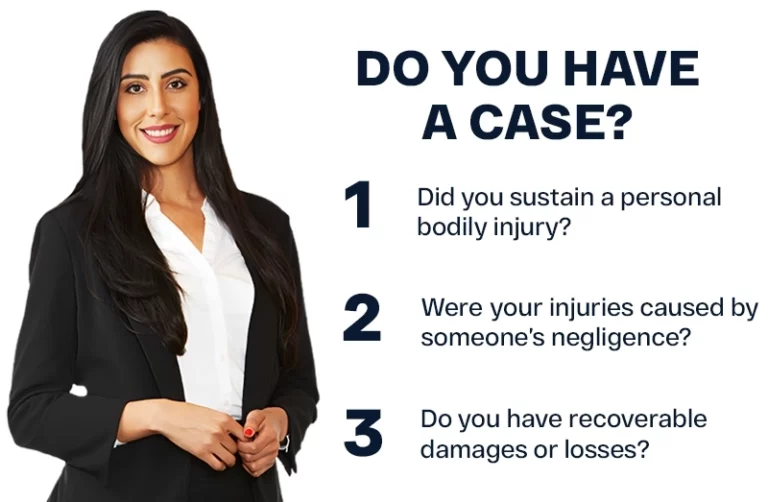
Do You Have A Case?
IF YES, You may be able to recover financial compensation. TELL US MORE:
Do you have a case?
IF YES, You may be able to recover financial compensation. TELL US MORE:

Thank You, We’ll contact you shortly.

DON'T SPEND
HOURS
SEARCHING
FOR ANSWERS
$0 Fees Unless
We Win