California Factory Accident Lawyers

  • PAY NOTHING UPFRONT
  • OVER $1 BILLION RECOVERED
  • ZERO-FEES UNTIL WE WIN
Recover Lost Wages, Property Damage, and Medical Bills.
Arash Law Practice Area Border/Divider

We’ll review what happened and tell you what options may be available.

Or, get LIVE help now — call our free 24-hour accident hotline at (888) 488-1391

Table of Contents

Who We Help After A Factory Accident

A factory accident can put you into two claim systems at the same time. You may have workers’ comp benefits, a third-party injury claim, or both. Your recovery depends on who controls the machine, the work area, and the safety process. You need informed guidance from factory accident lawyers before key evidence disappears.

This page is for you if you sustained an injury in a California factory, plant, warehouse, or production facility. Families pursuing a wrongful death claim after a fatal incident may also have a case.

Factory claims differ because proof of an accident can be time-sensitive. A machine may get repaired or returned to service. Security systems can overwrite surveillance footage. Maintenance logs and training records can change hands. Early legal review can protect evidence and identify all responsible parties.

You may be able to recover:

  • Workers’ compensation benefits for medical care and disability.
  • Civil damages if a non-employer caused or contributed to the injury.
  • Wrongful death damages if your loved one passed away.
  • A civil case against an employer that failed to carry workers’ comp insurance.

Why Factory Accident Victims Call Arash Law

  • We map your claim options, including workers’ comp benefits and third-party liability.
  • We act early to preserve evidence, including machines, maintenance logs, safety records, and surveillance video.
  • We investigate staffing agencies, contractors, property owners, and manufacturers, not just the employer.
  • We build proof of injuries that matches how factories dispute cases, including causation and work restrictions.
  • We manage insurer and adjuster communication so you can focus on treatment and your family.

Call (888) 488-1391 for a free initial consultation. We charge no attorney fees unless we win your case.

Who Can Bring A Factory Accident Claim?

You may have a factory accident claim even if you are not a full-time employee. Your options depend on your work status, who controlled the hazard, and whether a third party contributed to the incident. Many factory cases involve a workers’ compensation claim plus a separate personal injury claim. You should confirm both paths early on to protect your rights.

A factory accident claim may involve the following:

Claimant TypeWho This Can IncludeWhat May Be Available
Injured employeesLine workers, forklift operators, maintenance staff, and others hurt during production, cleaning, setup, repairs, or material handling.Workers’ compensation and, in some cases, a third-party claim.
Temporary workersStaffing-agency workers or others under shared supervision.Workers’ compensation and possible third-party liability.
Contractors and outside crewsElectricians, mechanics, installers, repair vendors, cleaning crews, and delivery personnel.A civil claim if another company caused the injury.
Non-employees on siteVendors, visitors, and others who were harmed by unsafe conditions.A premises or product-related claim.
Surviving family membersFamilies of workers killed in a factory accident.Wrongful death rights, possible death benefits, and sometimes a third-party claim.

If you are not sure where you fit, do not assume you have no case. Many people reach the point where they think, “I need a personal injury lawyer,” because the case may involve more than one company, insurance policy, or type of compensation.

Why Factory Accident Cases In California Are Different

Factory accident cases in California are often more complicated than standard injury claims. Factory work settings are more specialized. As a result, the legal path is not always straightforward. These cases can arise in very different industrial environments. Some examples include:

  • Auto manufacturing in Fremont, where the Tesla factory operates.
  • Machine-tool production in Oxnard, where Haas Automation is based.
  • Port-linked industrial properties near Los Angeles and Long Beach.

These examples are included solely to illustrate the range of industrial environments in the state. They do not imply wrongdoing by any specific company, property owner, or operator.

A few specific issues often make these cases different:

  • Safety Rules Can Matter: Key evidence includes records tied to California’s Injury and Illness Prevention Program requirement, lockout/tagout procedures, forklift operator training, and chemical hazard communication. These can all help determine how the accident happened and who may be responsible.
  • The Worksite May Involve More Than One Company: A single factory accident may involve the plant operator, a staffing agency, an outside maintenance crew, a property owner, or an equipment company.

    Under the state’s pure comparative negligence rule, liability can be split according to each party’s share of fault. That can make these cases more complex because multiple people or companies may be responsible.

  • Workers’ Compensation May Not Be the Whole Case: Most employers must carry workers’ compensation under the California Labor Code. However, some factory injuries may also support third-party claims against non-employer parties. Examples include equipment makers, vendors, or contractors.

Depending on the facts, a factory accident may involve agencies such as:

  • San Diego Police Department.
  • Fresno County Sheriff’s Office.
  • San José Fire Department.
  • California Division of Occupational Safety and Health (Cal/OSHA).

Those agencies may create incident reports, dispatch records, scene observations, fire-response records, or inspection materials. If a benefits dispute arises, it may move through the state’s Division of Workers’ Compensation (DWC) and the Workers’ Compensation Appeals Board (WCAB). 

If there is also a third-party lawsuit, that part of the case may proceed in the California Superior Courts, such as the Superior Court of Orange County. These agencies and forums can affect what evidence exists, how the accident is documented, and where the dispute is resolved.

That is why early review by experienced factory accident lawyers can matter in these cases. Important proof may include machine records, training documents, maintenance logs, surveillance footage, and witness statements. Some of that evidence can become harder to preserve over time.

$41,950,000.00
A $41.95 million verdict for customers attacked inside a Walmart after a baseball bat left on the sales floor was used in the assault. A jury found Walmart partially responsible based on the evidence presented at trial.
Do I Have A Case
$17,900,000.00
A $17.9 million unanimous verdict against the County of Los Angeles involving two clients harmed in a serious crash. The jury determined the County was entirely at fault after a hard-fought trial that highlighted the clients’ long-term medical needs and the County’s denial of responsibility.
Do I Have A Case
$3,500,000.00
A $3.5 million verdict for a client who suffered a traumatic brain injury in a 2017 collision. Before trial, the insurer initially offered $18,500 and later increased the offer to $300,000. After hearing medical testimony and evidence of the victim’s ongoing symptoms, the jury awarded damages for past and future pain and suffering and future medical care.
Do I Have A Case

(No guarantee of outcome. Results displayed were dependent on unique facts of that case, and different facts will bring different results.)

Who May Be Liable For A Factory Accident In California?

Several parties may be liable for a factory accident in California. That matters because the strongest recovery path is not always limited to the direct employer. Workers’ compensation usually blocks a civil negligence suit against a properly insured employer. However, California law still allows claims against responsible third parties. Additionally, employees may have the right to sue an unlawfully uninsured employer for damages.

Depending on the facts, liable parties may include:

  • Equipment Manufacturers: If a press, conveyor, saw, guard, sensor, switch, or other machine component was defectively designed or manufactured.
  • Maintenance or Repair Companies: If outside service work has left the equipment unsafe to use.
  • Property Owners or Plant Operators: If unsafe conditions on the site contributed to the accident.
  • Staffing Agencies or Labor Contractors: If placement, supervision, or training failures helped cause the injury.
  • Outside Vendors or Suppliers: If chemicals, materials, or replacement parts created avoidable hazards.
  • Another Company’s Driver or Forklift Operator: If a vehicle-related accident caused the injury.
  • The Employer: In limited situations. For instance, they may have failed to secure workers’ compensation coverage as required by California law.

If liability is still unclear, do not assume the case begins and ends with your employer. Many injured workers look for free advice from factory accident lawyers because factory cases often involve multiple companies and overlapping claims. A prompt review can help identify every potentially liable party and preserve your options.

Injured factory worker assisted by coworker after workplace accident
Sandra Bernabe
Sandra Bernabe
Arash Law firm is been an amazing advocate for me in my case. They truly care about you and your needs. Especially my case manager Cynthia Gracia; she’s amazing at what she does. Always ensures to make sure any questions I have are answered and keeps me updated on my case as soon as possible. Super easy communication and response time! Would definitely recommend to others!
Stephen Watson
Stephen Watson
I highly recommend Arash Law, if I could give them more than 5 stars I would give them 10. The staff, particularly Arlene, is outstanding and very responsive, professional, and most of all kind-hearted. They advocated for me and my girlfriend after an auto accident and were superb. They got us 25 times what the insurance company originally offered. In addition to everything else, they were fast and efficient. Not to mention very honest and up-front about what to expect and the range of possible outcomes. Again, I highly recommend this firm and had the best experience i could have imagined. They actually surpassed my hopes and I consider them to be my friends, especially Arlene. Do not hesitate to contact them, you will not be disappointed. Steve W.
Pearl
Pearl
My experience with Arash Law has been outstanding from the start. Their team Cristina and Oscar are incredibly knowledgeable, consistently providing clear explanations and well-informed guidance that has made every step easy to understand. They have also been exceptionally helpful, always quick to respond and willing to go the extra mile to make sure I feel supported. Arash Law handles everything with professionalism and confidence, which gives me that peace of mind and has made a situation that could have been overwhelming feel manageable. Overall, Arash Law delivers excellent service, expert advice, and a truly smooth experience. I highly recommend them to anyone looking for reliable, caring, and effective legal support.
Catherine Davis
Catherine Davis
Great representation, my case representative, Arlene Perez, is wonderful. She explained everything in detail about how injury law suits work. She is prompt in returning messages, shows genuine concern for my well being, and she is very knowledgeable and eager to help. Without having met anyone from the Arash team in person, I can honestly say that this law group takes care of business. Perhaps this is why this firm is one of the best who also represent people from small rural communities, such as myself. Yes, I 100% recommend, you cannot go wrong with this awesome team of experts. They will fight, unwavering, to win cases. Thank you, Arash Legal Group ! You rock !!
Santos Hernandez
Santos Hernandez
Great experience with Arash Law. A big thank you to Erick Ordonez for his professionalism and support. He helped close my case quickly and kept everything transparent. Highly recommend.
Were you injured in a Factory Accident?

What Compensation May Be Available After A Factory Accident?

A factory accident can trigger multiple recovery paths. Workers’ comp can cover medical care and disability benefits. A third-party claim can allow broader damages if a non-employer caused the injury. Your job is not to choose a label. Your job is to protect every available option.

Workers’ compensation benefits may include:

  • Medical treatment related to the work injury.
  • Temporary disability payments if you cannot work while you recover.
  • Permanent disability benefits if you have a lasting impairment.
  • Job displacement benefits if you cannot return to the same work as before.
  • Death benefits for eligible dependents in fatal cases.

A third-party injury claim may allow additional recovery, such as:

  • Full loss of income and loss of future earning ability.
  • Future medical care that is not covered or fully covered through workers’ comp.
  • Pain, suffering, and loss of enjoyment of life.
  • Emotional distress related to the injury and daily limitations.
  • Wrongful death damages for the surviving family member.

Serious factory injuries can result in extensive and long-term losses. For instance, future work restrictions can reduce earning power for years. That loss can exceed the first wave of medical bills.

How Insurance Usually Works In These Cases

After a factory injury, you may deal with several insurers at once. Workers’ compensation usually runs through an employer’s workers’ compensation carrier or claims administrator. A separate liability insurer handles a third-party claim. These companies do not coordinate for your benefit. Their conflicts can shift costs onto you.

Common insurance issues in factory cases include:

  • Workers’ comp treatment delays or denials due to medical-necessity disputes.
  • Pressure to return to work before your restrictions are realistic.
  • Disputes about whether the injury happened at work or happened the way you reported.
  • Finger-pointing between a manufacturer, maintenance vendor, staffing agency, and property owner.
  • Separate policies for product claims, contractor liability, and vehicle-related incidents in loading zones.

If workers’ compensation denies treatment coverage, you may have to go through a formal medical review. If you also have a third-party claim, your statements can affect both cases. That is why early contact from an insurer should be treated as part of the legal process, not as a routine conversation.

What Evidence Matters In A Factory Accident Case?

Factory evidence changes quickly because production must continue. Machines are repaired, guards are replaced, and work areas are cleaned. Video can be overwritten within days. If you have a third-party claim, evidence preservation can impact your ability to prove a defect, a safety failure, or negligent maintenance.

Important evidence may include:

  • Photos and video of the machine, guards, controls, warning labels, and the surrounding work area.
  • The specific defective machine parts that caused the injury, including broken guards, sensors, switches, or failed emergency stops.
  • Maintenance logs, inspection records, repair tickets, and outside service invoices.
  • Lockout and tagout documents, including checklists, and those who signed off on the work.
  • Training records, certifications, and operator authorization for the equipment involved.
  • Staffing records, shift rosters, job assignments, and who supervised the task.
  • Loading-dock records if a forklift, pallet jack, or truck caused the injury.
  • Chemical labels, safety data sheets, exposure records, and incident response logs.
  • Incident reports, supervisor notes, and internal safety write-ups created right after the event.
  • Witness names and statements from coworkers, contractors, vendors, and delivery personnel.
  • Surveillance video, phone video, and any responding agency documentation.
  • Medical records that connect timing, symptoms, and restrictions to the incident.

If a machine defect or unsafe servicing is possible, inspection matters. Preserving the equipment in its post-incident condition can be critical. You should not assume the company will keep it available without a legal request.

Factory Accident Injuries And How They Affect Compensation

Factory accidents can cause severe injuries that affect every part of your life. These will usually increase the value and complexity of the claim. The more serious the injury, the more likely you are to need emergency and long-term medical care, time off work, and help with daily activities. However, insurers may dispute causation, disability, and long-term limitations.

Possible severe factory injuries include:

  • Crush Injuries: Damage to muscles, nerves, blood vessels, and bones. They typically occur when a worker is pinned, compressed, or caught in machinery.
  • Amputations: Loss of fingers, hands, arms, feet, or legs. Victims often sustain them in machinery, cutting, or conveyor accidents.
  • Severe Burns: Thermal, chemical, or electrical burns. These may require grafts, wound care, and reconstructive treatment.
  • Traumatic Brain Injuries: Concussions and more serious brain trauma. These can affect memory, concentration, mood, balance, and speech.
  • Spinal Cord Injuries and Back Injuries: Harm to the spine, discs, or nerves. These injuries may cause chronic pain, mobility loss, or paralysis. Treatment often includes surgery, physical therapy, and chiropractic care.
  • Fractures and Orthopedic Injuries: Broken bones, shattered joints, and torn ligaments. These often require surgery and long recovery periods.
  • Eye Injuries and Vision Loss: Damage from flying debris, chemical splashes, heat, or explosions.
  • Hearing Loss: Partial or permanent hearing damage from loud machinery, blasts, or repeated noise exposure.
  • Chemical Exposure Injuries: Respiratory damage, skin burns, organ damage, or toxic exposure illnesses. These can develop after exposure to unsafe substances.
  • Nerve Damage: Loss of feeling, weakness, chronic pain, or reduced function in the hands, arms, legs, or other body parts.
  • Internal Injuries: Damage to organs or internal bleeding. These are often caused by crush events, falls, blasts, and struck-by accidents.
  • Wrongful Death: Fatal factory accidents can leave surviving family members facing financial loss, emotional harm, and major legal questions.

These severe injuries often increase compensation. They can lead to higher medical costs, longer recovery, more missed work, reduced earning capacity, permanent impairment, and greater pain and suffering.

Insurers often fight hardest in severe-injury cases. They may argue that the injury was not work-related, that treatment is excessive, or that the long-term impact is less serious than claimed. In higher-value cases, the dispute often shifts from whether the accident occurred to the extent of the harm it caused. Many injured workers consult factory accident lawyers when the stakes rise and the disputes become more complex.

An injured factory worker consulting a lawyer about accident claim

What Typically Happens After A Factory Accident Claim Begins?

In California, factory accident claims often begin with the submission of a DWC-1 claim form to the employer’s workers’ compensation carrier. The findings of an insurer’s claim review often determine whether a victim receives compensation or if they need to take further legal action.

A California factory accident claim usually moves in this order:

  1. Report the Injury Quickly: California’s Division of Workers’ Compensation says you should report the injury as soon as possible. Failure to report within 30 days can jeopardize benefits. 
  2. Get Medical Care and Document Everything: Tell providers the injury happened at work. That way, medical records can connect the condition to the incident.
  3. File the Claim Form: The employer must provide or mail the claim form within one working day of learning of the injury.
  4. Preserve Evidence Early: Save photos, witness names, damaged gear, and any documents tied to the machine, floor, chemicals, or loading area.
  5. Review All Claim Paths: Depending on the facts, a factory accident case may involve multiple possible claim paths, including a third-party civil claim.
  6. Respond to Denials or Treatment Cuts: Denied workers’ compensation claims can be challenged. Disputes may go before the WCAB. If the insurer denies, delays, or changes requested medical treatment, that issue may go through Independent Medical Review (IMR).

Each step can affect your eligibility to receive benefits, the availability of supporting evidence, and any third-party claim you may have. Acting early can help protect both your recovery and your legal options.

Deadlines And Reporting Rules After A Factory Accident

California’s legal deadlines can cut off benefits or your right to sue, even when the injury is serious. Workers’ comp reporting rules differ from those for civil lawsuits. If a third party caused the harm, your civil deadline can run while you still receive workers’ comp benefits. Confirm both timelines early, especially since exceptions can apply to personal injury cases.

Key timelines to discuss right away include:

  • Workers’ Comp Injury Reports: 30 days from the date of the injury. You risk losing your right to benefits if you wait too long to report an injury to your employer.
  • Workers’ Comp Claims: Generally, one year from the date of the accident. This time limit may change for specific injuries and cumulative harm.
  • Personal Injury Cases: Generally, two years from the date of the accident.
  • Wrongful Death Lawsuit: Generally, two years from the date of death.
  • Public Entity Claims: Six months from the date of the injury.

Do not wait for a denial before checking deadlines. A delay can limit options, even in cases with abundant supporting evidence and clear liability.

Why Hire Arash Law After A Factory Accident?

Factory accident claims get complicated because you may face two systems at once. Workers’ compensation controls medical care and disability payments. A third-party claim can lead to broader damages. However, it requires prompt preservation of evidence. Factory accident claims get complicated fast. That is why many injured workers turn to factory accident lawyers soon after an injury.

When our lawyers get involved early:

  • We identify whether your case involves workers’ comp, a third-party claim, or both.
  • We send preservation demands for machines, parts, logs, video, and safety documentation.
  • We investigate manufacturers, maintenance vendors, staffing agencies, and property owners.
  • We build injury evidence that connects the incident to restrictions, wage loss, and future care.
  • We protect you from insurer tactics that minimize your injury or shift blame.
  • You pay no attorney fees unless we win.

If you would like to communicate in a language other than English, please inform our office when you contact us.

Frequently Asked Questions About Hiring A California Factory Accident Lawyer

Factory accidents can trigger workers’ comp benefits and a third-party claim simultaneously. That overlap creates confusion about value, deadlines, and who is legally responsible. These FAQs focus on the decisions that protect your recovery. They also address the tactics insurers use in serious injury cases.

Value depends on injury severity, time off work, future restrictions, and the quality of liability proof. A third-party case can include pain and suffering, which workers’ comp does not pay. High-value cases also depend on preserving machine and safety records. You should not accept a number before the evidence is secured.

It can be, especially with serious injuries or potential issues with the machine or the contractor. Workers’ compensation may not cover your full wage loss or your pain and suffering. A lawyer can investigate third-party liability and preserve evidence. Their assistance with these tasks can influence how much you may be able to recover.

Contact a lawyer as soon as your immediate medical needs are addressed. Early action helps preserve defective equipment, video, maintenance records, and witness information. It also helps you avoid mistakes when contacting insurers. Waiting can reduce options in both systems.

Many personal injury lawyers handle cases on a contingency fee basis. That usually means no upfront attorney fees. Instead, you will only pay your lawyer if compensation is recovered. Before you hire anyone, make sure the fee agreement clearly explains this payment arrangement.

Take The Next Step With Arash Law’s California Factory Accident Lawyers

A factory accident can leave you facing surgery, lost income, long-term work restrictions, and real uncertainty about what comes next. You may also have to deal with both workers’ compensation and a separate third-party claim. These factors can make the case harder to manage without clear guidance. 

Our California injury law firm’s factory accident lawyers help preserve evidence, identify every potentially responsible company, and assess every available path to compensation. A prompt case review can help you understand your rights, protect key evidence, and take the next step with confidence.

Call (888) 488-1391 to book a free initial consultation with our personal injury lawyers and find out what your case may really be worth. No attorney fees unless we win.

Arash Khorsandhi
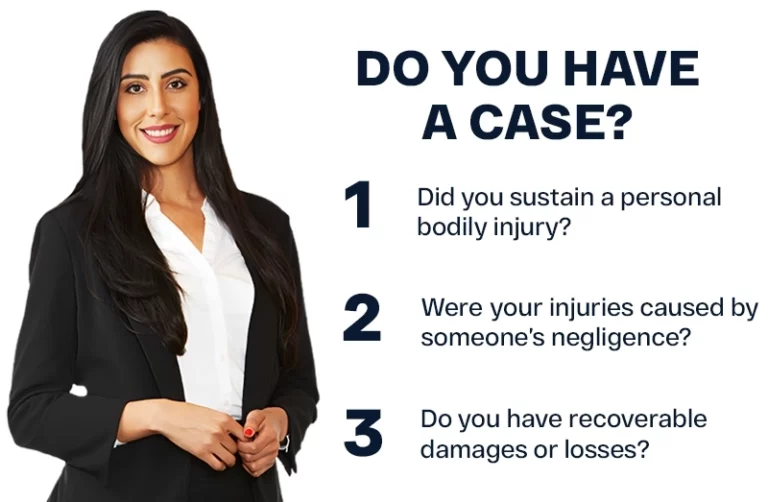
Do You Have A Case?
IF YES, You may be able to recover financial compensation. TELL US MORE:
Do you have a case?
IF YES, You may be able to recover financial compensation. TELL US MORE:

Thank You, We’ll contact you shortly.

DON'T SPEND
HOURS
SEARCHING
FOR ANSWERS
$0 Fees unless
we win.