TL;DR: Basketball has the most injuries by total emergency-department visits, while football leads in injury rate and severity. The sport with the highest injuries varies based on total injury counts, injury rates per athlete, and serious injuries like concussions and ACL tears.
Highlights:
- Get medical evaluation promptly, especially for concussion signs or severe swelling.
- Report the injury to staff and request a written incident report.
- Photograph the scene, equipment, and visible injuries as soon as possible.
- Collect witness names, contact information, and what they observed.
- Save waivers, registration forms, and safety or return-to-play communications.
- Record bills, rehab visits, missed work or school, and daily limitations.
- Track California deadlines: 2 years generally, 6 months for public entities.
Tip: When speaking with insurers or program staff, stick to observed facts and preserve texts, emails, and photos.
Table of Contents
Basketball has the most injuries by total U.S. emergency-department visits, according to the latest estimates. Football often ranks differently because it typically has the highest injury rate among high school sports and is more closely associated with serious head injuries, including concussions and other traumatic brain injuries.
Not every sports injury leads to a legal claim. However, an injured person may have a claim when the facts point to negligence, unsafe conditions, poor supervision, defective equipment, or another preventable problem. In those cases, compensation may include medical bills, rehabilitation costs, lost income, pain and suffering, and other losses tied to the injury. These damages can be especially important in cases involving head injuries, since concussions and brain trauma may require ongoing monitoring, specialist care, academic support, and long-term treatment.
Total Injuries Vs Highest Injury Rate
Total injuries and injury rate do not mean the same thing. “Total injuries” means the raw number of reported injuries.
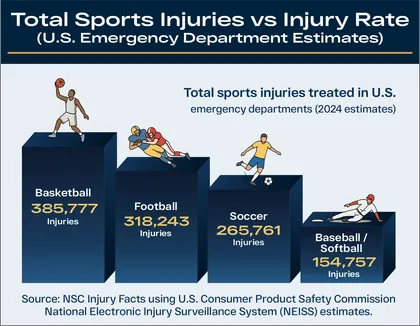
The injury totals in this article come from National Safety Council (NSC) Injury Facts, which uses emergency-department estimates based on the U.S. Consumer Product Safety Commission’s National Electronic Injury Surveillance System (NEISS). These numbers count injuries treated in emergency rooms. They do not include every sports injury, because many people go to urgent care, a doctor, a physical therapist, or a chiropractor. Some also try to recover at home.
Using the latest 2024 estimates, the sports in this post compare like this:
- Basketball: 385,777 injuries
- Football: 318,243 injuries
- Soccer: 265,761 injuries
- Baseball/Softball: 154,757 injuries
These figures show total emergency-room-treated injuries, which helps explain why basketball ranks first here even though football is often seen as the riskier sport in other studies.
Why Basketball Produces So Many Injuries
Basketball is widely played and involves constant jumping, landing, quick cuts, and close contact in a small space. Those factors create many chances for sprains, falls, collisions, and knee injuries across different age groups.
That helps explain why basketball leads raw injury totals in emergency-department data. The sport is popular across age groups, and its common movements create many routine injury patterns even outside elite competition.
Football Has A Higher Injury Rate Than Many Other Sports
Football often ranks differently when the focus shifts to injury rate. In high school sports data, football had 4.36 injuries per 1,000 times an athlete participated in a practice or game. That means football players were injured more often during practices and games than athletes in the other sports studied.
Football is also more strongly linked to serious head injuries than many other sports, which is one reason it is often described as riskier in school-based injury-rate data, even though basketball may have more total injuries overall.
How Football, Soccer, And Baseball/Softball Compare
Football stays near the top because it combines speed, repeated contact, and high-force body collisions. It also leads to many injuries that keep athletes out of practices or games. Examples include concussions, other head injuries, and serious knee and shoulder injuries.
Soccer also ranks high because it involves cutting, sudden stops, collisions, and a lot of running. It can also lead to concussions through player-to-player contact, falls, or contact with the ball. Baseball and softball similarly lead to many injuries, especially from repeated throwing, sliding, and being hit by the ball, including head and facial injuries in some cases.
Serious Sports Injuries And Why They Matter In A Claim
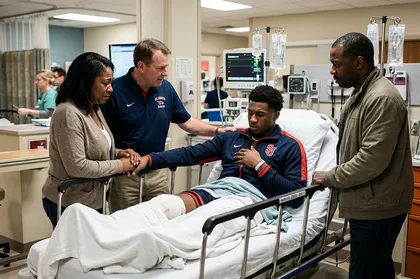
Some sports injuries are more serious because they can lead to lasting pain, a long recovery, and major limits on daily life. Head injuries often fall into this category because the symptoms may not always be obvious right away. However, the effects can interfere with school, work, memory, concentration, mood, and normal daily activities.
These injuries may affect a person’s ability to work, attend school, play sports, or handle normal daily tasks. They can also increase the value and complexity of a claim because they often require more treatment and result in larger losses.
Common serious sports injuries include:
- Concussions and other traumatic brain injuries
- ACL tears
- Fractures
- Dislocations
- Severe sprains and soft tissue injuries
These injuries often have a bigger effect on a claim because they can lead to:
- Higher medical bills.
- Surgery or long-term treatment.
- Months of physical therapy or rehab.
- Missed work or lost income.
- Pain and suffering.
- Lasting limits on movement or activity.
In a claim, serious injuries often require stronger proof. Medical records, imaging results, treatment notes, and doctors’ opinions can help show the extent of the person’s injuries and how long recovery may take. Evidence of missed work, school absences, lost earning ability, and changes in daily function can also help explain the full impact of the injury.
The cause of the injury can matter just as much as the injury itself. A serious injury does not automatically create a valid claim. The injured person still needs to show that another party may have caused or worsened the harm through careless or unsafe conduct.
In youth sports, serious injuries may involve:
- Poor supervision
- Unsafe drills
- Overtraining
- Pressure to return before healing
- Failure to follow safety protocols
Adult injuries can involve many of the same problems, but youth cases often raise added concerns about coaching decisions and player safety.
Competitive play often leads to more serious injuries because it involves faster movement, harder contact, and less control than practice. However, training sessions can still cause serious harm, especially when athletes repeat the same movements too often or return before they have fully healed from an injury.
When a claim is involved, the focus is usually on questions such as:
- How did the injury happen?
- Was the risk part of the sport or made worse by unsafe conduct?
- Who was responsible?
- How serious is the injury?
- How did the injury affect the victim’s life?
Because serious injuries often involve longer recovery and higher costs, they usually need more detailed documentation from the start.
Head Injuries In Sports Can Be Especially Serious
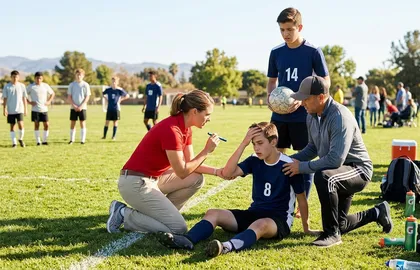
Head injuries deserve special attention because even a concussion that seems mild at first can lead to serious problems. A person may feel fine right after the impact, then develop symptoms hours or even days later. Head trauma can affect memory, concentration, sleep, mood, balance, school performance, work, and other parts of daily life.
In sports, head injuries may happen after hard contact with another player, a fall to the ground, a collision with equipment, or a direct blow from a ball or another object. Football is often associated with concussions because of repeated contact, but head injuries can also happen in basketball, soccer, baseball, softball, cheer, hockey, and many other sports.
Common signs of a concussion or other head injury may include:
- Headache
- Dizziness
- Nausea or vomiting
- Confusion
- Blurred vision
- Sensitivity to light or noise
- Memory problems
- Trouble concentrating
- Sleep changes
- Mood or behavior changes
These injuries can matter in a legal claim because they may require emergency care, follow-up visits, neurological evaluation, imaging, school or work accommodations, and long-term monitoring. In more serious cases, traumatic brain injuries can lead to lasting cognitive, emotional, or physical limitations. When a coach, school, league, or sports program ignores warning signs, delays removal from play, or allows an athlete to return too soon, the harm may become much worse.
California Law On Sports Injury Liability
In California, many sports injury claims turn on the primary assumption of risk rule. Under Knight v. Jewett, defendants generally do not owe a duty to protect participants from risks inherent in the sport itself. The remaining duty is not to increase those inherent risks. Arash Law often reviews these issues closely when evaluating whether a sports injury may support a claim.
Examples of risks courts often view as part of the game include:
- Tackling and hard contact in football.
- Jumping, quick cuts, and awkward landings in basketball.
- Collisions, slides, and sudden changes in direction in soccer.
That does not mean every sports injury claim fails. A claim may still exist if a coach, school, league, facility, or another party increased the sport’s inherent risks. In Kahn v. East Side Union High School Dist., the California Supreme Court explained that coaches and instructors may still face liability when their conduct increases those risks.
What About Waivers?
Waivers can also affect California sports injury cases. Many schools, gyms, leagues, camps, and sports programs ask athletes or their parents to sign a waiver before participation.
A waiver may help protect an organization from some ordinary negligence claims. In simple terms, insurers can use it to argue that the person understood the general risks of the activity and chose to participate anyway.
However, a waiver does not always end the case. It may not protect against:
- Gross negligence
- Reckless conduct
- Some product defect claims
Other details can also affect whether a waiver applies, including:
- The exact wording of the waiver
- How the injury happened
- Who was involved
- What conduct led to the injury
That is why two sports injury cases can look similar at first but lead to very different legal outcomes. One may be seen as part of the sport, while another may involve unsafe conduct that supports a claim.
California Youth Sports Safety Rules
California’s Education and Health & Safety Codes enforce rules that apply when a young athlete incurs concussions, other head injuries, or warning signs of sudden cardiac arrest. School sports and youth sports organizations are not subject to the same statutes, so the source of the rule matters.
In general, for school athletics, the California Education Code states that:
- An athlete must be removed from play right away when warning signs appear.
- An athlete cannot return to play on the same day.
- In some cases, an athlete may need medical clearance before returning.
- An athlete may need to follow a gradual return-to-play process before returning to play.
- Youth sports organizations must provide safety information and concussion education.
These rules matter because head injuries can get worse when athletes keep playing before they have healed. In a legal claim, evidence that a coach, school, or program ignored concussion symptoms or return-to-play rules may become very important.
Liability And Recoverable Damages
A sports injury claim may involve different people or groups depending on how the injury happened.
Possible parties may include:
- Coaches
- Schools
- Youth sports organizations
- Facility owners
- Sports equipment manufacturers
The legal issue usually depends on the cause of the injury. For example, one case may involve poor supervision, while another may involve unsafe property or defective equipment.
If the injury becomes a valid legal claim, compensation may include:
- Medical bills
- Rehab costs
- Future care
- Lost income
- Reduced earning ability
- Pain and suffering
California also follows comparative negligence in many injury cases. This means a person may still recover compensation even if they were partly at fault, but their share of fault reduces their potential recovery. Injured people often seek free advice from sports injury lawyers to understand how comparative fault may affect a claim and how to respond if the other side tries to shift blame.
How Long Do You Have To File A Sports Injury Claim In California?
Many California sports injury claims fall under the state’s two-year deadline for personal injury cases. That rule usually applies when someone gets hurt because of another party’s wrongful act or neglect.
However, that is not always the full answer. Some cases follow different timing rules, especially when they involve:
- Minors
- Public schools
- City or county sports programs
- Other public entities
Claims against a public entity often move much faster. In many cases, victims must file an administrative claim within six months of the injury. That can matter in cases involving public schools, city facilities, or government-run sports programs.
This is one reason sports injury cases can become more complicated than they appear at first. A case involving a private gym or league may follow one timeline, while a case involving a school district or city program may require action much sooner. Missing the deadline can seriously damage or even block a claim.
Pro Athletes And Workers’ Compensation
In some cases, a sports injury may raise workers’ compensation issues, in addition to or instead of an ordinary injury claim. This can come up with professional athletes because their injuries may be tied to their work.
That issue can be more complicated in California. State law limits some workers’ compensation claims for professional athletes, especially those involving cumulative injuries or conditions that develop over time.
Whether a pro athlete may have a workers’ compensation claim can depend on factors such as:
- Where the athlete played
- How much of the athlete’s career was tied to California
- How many duty days were spent in the state
Because of these rules, workers’ compensation for pro athletes is not simple or automatic. It depends on the athlete’s work history and connection to California.
FAQs On Sports With The Most Injuries
Here are answers to common questions about sports injuries, injury data, and possible legal claims in California.
When Should I Get Medical Care After A Sports Injury?
You should get medical care right away if you have severe pain, swelling, trouble bearing weight, numbness, a visible deformity, or signs of a concussion such as confusion, vomiting, dizziness, or worsening headache. Early care can also help document the injury.
Can A Sports Injury Turn Into A Legal Claim?
Sometimes. If unsafe conditions, poor supervision, defective equipment, or other careless conduct worsened the injury, a claim may be possible. Not every sports injury leads to a valid claim, because some risks are considered part of the sport. After a serious injury, some people may think, “I need a personal injury lawyer,” especially when negligence may have played a role.
Who May Be Responsible For A Sports Injury?
A coach, a school, a youth sports organization, a facility owner, or a sports equipment manufacturer may be at fault in some cases. Responsibility depends on how the injury happened.
Does Signing A Waiver Mean I Cannot File A Claim?
Not always. A waiver may limit some claims, but it does not automatically block every case. The exact wording, the facts of the injury, and the conduct involved all matter.
What Compensation May Be Available After A Serious Sports Injury?
If there is a valid claim, compensation may include medical bills, rehab costs, future treatment, lost income, reduced earning ability, and pain and suffering.
Why Does Documentation Matter After A Sports Injury?
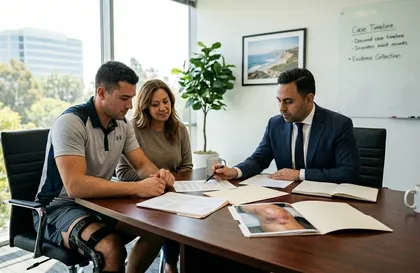
Medical records, imaging, incident reports, photos, and witness information can help show how the injury happened and how serious it is. Good documentation can support both recovery and any possible claim.
Find Out Whether You Have A Sports Injury Claim In California
A serious sports injury can result in medical bills, missed work, a long recovery, and lots of uncertainty about what to do next. That is especially true after a concussion or other head injury, where symptoms may interfere with work, school, focus, sleep, and everyday life. If someone else’s carelessness played a role, such as unsafe conditions, poor supervision, defective equipment, or a failure to follow safety rules, you may have the right to seek compensation.
Sports injury cases can be difficult because California law does not treat every injury the same way. Some injuries are considered part of the sport, while others may involve negligence that supports a claim. That is why it helps to speak with sports injury lawyers who understand how assumption of risk, waivers, comparative fault, and filing deadlines may affect your case.
AK Law represents injured clients in personal injury matters across California. If you or your child suffered a serious sports injury and you believe negligence may have been involved, you may have the right to seek compensation.
If your concern is, “Do lawyers only get paid if they win?” the answer at our firm is yes. Our lawyers work on a contingency fee basis and only get paid if they recover compensation for you, whether by winning your case or securing a settlement.
Call (888) 488-1391 to discuss your situation and learn about the legal options available to you.