TL;DR: In California, your insurance may cover an accident if your license is suspended, but coverage can be denied for traffic violations or lack of insurance. You can still pursue compensation from the at-fault driver’s insurer, depending on the circumstances.
Highlights:
- Insurance may cover an accident even with a suspended license in California.
- Third-party claims can provide compensation if another driver is at fault.
- Your insurer may deny coverage if the suspension is due to unpaid fines or lack of insurance.
- If denied, appeal or file a complaint with the California Department of Insurance.
- Seek damages from the at-fault driver’s insurance, even with a suspended license.
- California’s pure comparative fault rule may reduce compensation based on liability percentage.
Tip: Keep thorough documentation to support your claim if your license is suspended.
Table of Contents
In California, insurance can cover an accident even if you have a suspended license. However, it may only do so in limited situations. If the California DMV suspended your license for DUI offenses, moving violations, or lack of insurance, your carrier can deny coverage. However, you can still seek compensation after a car crash if another driver caused it.
Generally, sources of compensation after a car accident include:
- First-Party Claims: Involve seeking damages from your own insurance policy. You can file these claims if you have no-fault coverage, such as MedPay, or if the at-fault driver has no or insufficient insurance.
- Third-Party Claims: Allow car accident victims with suspended licenses to pursue compensation from the at-fault driver’s insurer.
However, handling these claims can be tricky when you or the at-fault driver has a suspended license. Driving in these scenarios violates Section 14601 of the California Vehicle Code. As a result, insurers often deny coverage. Despite that, you may still have options for recovering damages.
Understanding Insurance Coverage With A Suspended License
If you are in an accident while driving with a suspended or invalid license, your own insurance company can deny your claim. That’s because this action violates California law and the terms of most auto insurance policies. However, if the other driver was at fault, you can still seek compensation from their liability coverage.
California determines fault based on who was negligent, not by looking at whether you had a valid license. It’s important to note that you may still share some degree of fault, depending on the circumstances.
How Coverage Works After An Accident On A Suspended License
After a car accident in California, your insurance can pay for your losses. However, it can deny coverage if it learns that you have a suspended license. Similarly, if the other party is the one with a suspended license, their carrier can reject your third-party claim. In these scenarios, different types of car insurance may apply.
Standard Auto Insurance Policy Terms
California drivers must carry a minimum amount of liability insurance to cover damages or injuries that they cause to others in an accident. You can seek compensation from this policy if you sustain losses in a car crash. However, your own coverage can apply if the at-fault driver is uninsured or your damages exceed their policy limits.
The following are the car coverage limits required by the California Department of Insurance as of January 1, 2025:
| Coverage Type | Basic Coverage Limits | Standard Coverage Limits |
|---|---|---|
| Bodily Injury Liability | $30,000 per person / $60,000 per accident | $100,000 per person / $300,000 per accident |
| Property Damage Liability | $15,000 | $50,000 |
| Medical Payments | $2,000 | $5,000 |
| Uninsured/Underinsured Motorist | $30,000 per person / $60,000 per accident | $30,000 per person / $60,000 per accident |
| Uninsured/Underinsured Motorist Property Damage | $3,500 | N/A (covered by collision) |
| Comprehensive Deductible | N/A (Liability Only) | $250 |
| Collision Deductible | N/A (Liability Only) | $500 (with waiver) |
The “waiver on collision deductible” means the deductible may be waived under certain specific conditions, such as if an uninsured motorist causes the accident.
Different Types Of Car Insurance In California
Drivers have several insurance options, depending on factors such as the car’s age, driving habits, accident history, and driving record. The right coverage can help protect you financially in the event of an accident. Medical payment coverage, for example, can help cover hospital bills, regardless of who is at fault for the crash.
Here’s a quick breakdown of the different types of car insurance in California:
- Personal Liability Coverage: This is the basic coverage required by the state. It pays for injuries and damage you cause in an accident if you are at fault. Coverage limits depend on the policy.
- Uninsured/Underinsured Motorist (UM/UIM) Coverage: Insurance companies must offer this, but you don’t have to get it when buying an auto policy. It pays for injuries to you and your passengers if the other driver has little or no insurance. It may also help with medical costs that health insurance does not cover.
- Collision Coverage: It pays for repair and replacement costs for your car after an accident with another vehicle, an object, or a pedestrian.
- Comprehensive Coverage: Covers damage to your car from things like natural disasters, theft, or falling objects. It is often required when you lease or rent a car.
- MedPay: This optional coverage pays for medical and funeral costs for you and your passengers after a crash, no matter who caused it. Some plans also cover lost wages.
- Gap Coverage: Helps pay the difference between what you owe on a car loan or lease and what your car is worth if it is totaled in an accident.
- Self-Insured and DMV Cash Options: You can use regular insurance, or you can show the DMV a $75,000 cash deposit, a self-insured certificate, or a $75,000 surety bond to meet insurance requirements.
The specific language of your policy, the exact circumstances of the accident, and California law at the time of the claim all determine your insurance coverage. If you’re unsure of which benefits apply to your case, you can clarify the details of your policy with your insurance agent or a car accident lawyer.
Insurance Exceptions For Cancellations
According to the Insurance Information Institute, insurance companies usually cannot cancel your policy after it has been active for more than 60 days. However, exceptions may apply. For example, your insurer can cancel your policy if your driver’s license is suspended or revoked. That may affect your ability to pursue coverage for a car accident.
What To Do If Insurance Denies Coverage For A Car Crash

If your own insurer denies coverage for a car accident because you have a suspended license, you still have options for pursuing compensation. For instance, you can file an appeal with the insurance company or submit a complaint to the California Department of Insurance (CDI). You can also file a personal injury claim against the at-fault driver.
Depending on the specifics of your case, here are some of the paths you can take:
- Appealing Within the Insurance Company: Most policies require you to go through the insurer’s internal appeals process first. This typically involves submitting additional documents, medical records, or expert reports to support your claim. The process can be strict and time-sensitive, so it’s important to follow the steps and deadlines in your policy.
- Legal Action Against the Insurer: If appeals fail, you may consider legal action. In California, you can file a breach of contract claim if your insurer fails to honor your policy. You may also file a bad-faith claim if they unreasonably deny or delay payment.
- Filing a Complaint with the California Department of Insurance: You may also file a complaint with the California Department of Insurance (CDI). They review cases fairly and may help resolve disputes. If the CDI cannot resolve the issue, a car accident lawyer can guide you on the next steps, including whether you may recover damages for bad faith or breach of contract.
- Third-Party Liability Claims: Even if your insurer denies coverage, you may still pursue damages by filing a claim against the at-fault party’s insurance company. For example, if another driver caused the crash, you could seek damages from their insurer. If a settlement is not possible, you may also file a lawsuit directly against the responsible party.
If your insurance claim is denied after an accident, an auto accident lawyer can review your case and explain your legal options. They can guide you through appeals, negotiations, or legal action to help you seek compensation under the law.
The Basics Of Third-Party Car Accident Claims
If you’re denied coverage because of a suspended license, check if another driver’s negligence caused the accident. If it did, you could pursue a personal injury claim from that motorist’s auto liability coverage. Gathering evidence and identifying liability can help you seek damages.
Proving The Other Driver’s Liability
Under Section 1714 of the California Civil Code, everyone must act reasonably so they avoid harming others. That means all drivers have to drive safely to avoid accidents. If they fail to do so, they can face legal responsibility for the resulting injuries and losses. However, state law requires victims to prove the driver’s negligence before they can pursue compensation.
In other words, you have to demonstrate these four elements of negligence before you can pursue a third-party claim:
- Duty: The at-fault driver owed you a duty of care. They should have driven safely to prevent a crash.
- Breach: Speeding, distracted driving, and driving under the influence are all ways someone can breach their duty of care on the road.
- Causation: The breach directly caused the accident and your injuries.
- Damages: You suffered actual losses, such as medical bills and lost wages.
Identifying Recoverable Damages
Your claim should outline all potential damages and their estimated value. These can fall into different categories depending on the losses you suffered. Generally, they can be either financial (economic) or emotional (non-economic). In cases of extreme negligence or fatalities, punitive or wrongful death damages may apply.
Below is a brief overview of each category:
- Economic Damages: Cover actual financial losses. Examples include:
- Medical expenses, such as hospital bills and the costs of medication or chiropractic care
- Lost income
- Property damage
- Non-Economic Damages: Refer to intangible losses, such as:
- Physical pain
- Emotional distress
- Loss of enjoyment of life
- Loss of consortium, if the accident affected a spousal relationship
- Punitive Damages: Only awarded by courts in rare cases. Rather than compensating the victim, they punish the at-fault party for gross negligence.
- Wrongful Death Damages: Can be sought by eligible surviving family members after a fatal car crash. They may cover funeral and burial costs, among other related losses.
How The Claims Process Works

In California, third-party insurance claims follow a structured process. It usually begins after you submit a demand letter to the at-fault party’s insurer. Outcomes include denials, settlements, and lawsuits. It’s important to note that your suspended license may affect how lawyers, insurers, and courts handle your claim.
Here are some common steps in the claims process:
- Case Preparation: You draft a demand letter that includes all available evidence of the accident, your documented losses, and the amount of compensation you’re seeking.
- Claim Filing: You submit the demand letter to the at-fault party’s insurer.
- Insurance Review: The insurance company confirms the facts of the case before determining fault and applicable coverage.
- Settlement Negotiations: If the insurer accepts the claim, it offers an initial payout. You can negotiate for another amount. If claims adjusters dispute the case because of your suspended license, this step may involve multiple rounds of discussions.
- Potential Litigation: You can file a lawsuit if both parties can’t agree on a compensation amount or can’t resolve disputes. If settlement talks still fail after this happens, your case could go to trial. A court will decide on the outcome.
Legal Remedies For Collecting Damages From An Uninsured Driver
When an at-fault, uninsured driver refuses to pay court-ordered damages, the injured party can use several legal tools to collect them. These remedies can help enforce a court’s decision that you should receive compensation, even if the driver does not cooperate.
Below are the main options:
- Judgment Enforcement: An accident lawyer can take legal steps to secure payment from the driver’s bank accounts or other assets.
- Wage Garnishment: If the driver does not pay voluntarily, an attorney can assist in arranging wage garnishment. Once the court approves it, the driver’s employer withholds a portion of their paycheck until the debt is fully paid.
- Asset Seizure: In some cases, the court may authorize the seizure of the uninsured driver’s assets to cover the awarded damages. This action could involve selling property, vehicles, or other valuable possessions to satisfy the judgment. For instance, a court could allow the sale of a second car or recreational vehicle owned by the driver to cover your medical expenses.
You might wonder, “Do I need a personal injury lawyer to collect payments?” Pursuing money from an at-fault party who refuses to pay can be legally complex and time-consuming. In these situations, a car accident attorney can help. They can assist you in filing the necessary court documents and navigating judgment enforcement procedures.
Frequently Asked Questions About Driving With A Suspended License
You may be seeking free advice from a car accident lawyer to help you understand how having a suspended license affects insurance coverage for a crash. If so, consider perusing the answers to these common questions about such incidents.
Can Insurance Tell If Your License Is Suspended In California?
Yes. Insurance companies can check your driving record when you apply for or renew a policy. A suspended license indicates that you are a higher-risk driver, which typically results in increased premiums or denied accident coverage.
How Can Driving With A Suspended License Affect The Value Of My Claim?
If you were in an accident while driving with a suspended license, the other side can argue that you broke state law. In this scenario, a court may assign you a percentage of liability using California’s pure comparative fault rule.
This system allows multiple parties, including injured victims, to share responsibility for an accident. Though you can still seek damages, your assigned fault percentage will reduce your compensation. For example, if you’re found 15% liable, your settlement will be reduced by 15%.
How Much Does It Cost To Hire A Car Accident Lawyer?
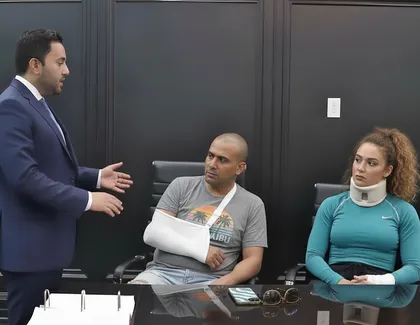
It depends on the complexity of your case. Because a suspended license can lead to insurance denials and disputes, your claim may require more case preparation. In these cases, car accident lawyers typically charge more. However, you may not have to pay their legal fees up front if they work on a contingency fee basis.
One common question about this payment structure is, “Do lawyers only get paid if they win?” The answer is yes. Attorneys who offer contingency fees only charge you if you receive compensation.
Involved In A Crash Without A Valid License? Speak To A Car Accident Lawyer
If you’ve been hurt in a crash while driving without a valid license, you may still be able to seek compensation, especially if another driver was at fault. Driving without a license can complicate your case. Therefore, it’s important to understand your legal options.
That’s where Arash Law can help. Our car accident lawyers have experience handling these types of cases. During a free case review, they can clarify how insurance may cover your accident and explain how you could pursue compensation for your losses, even with a suspended license. If you have a valid claim, they can advocate for your rights throughout the process.
Wondering if you have a case? Call AK Law at (888) 488-1391 to schedule a free initial consultation.