California Motorcycle Accident Lawyers
- PAY NOTHING UPFRONT
- OVER $1 BILLION RECOVERED
- ZERO-FEES UNTIL WE WIN
We’ll review what happened and tell you what options may be available.
Or, get LIVE help now — call our free 24-hour accident hotline at (888) 488-1391
Who We Help After A Motorcycle Accident
Motorcycle accident claims often involve serious injuries, rider-bias defenses, disputed fault, and insurance limits that may not fully cover the harm caused. Arash Law helps injured riders, passengers, pedestrians, workers riding for the job, and families pursuing fatal-crash claims in California.
If another driver, a dangerous road, a defective part, or another negligent party contributed to the crash, you may have the right to recover compensation for medical care, lost income, pain and suffering, property loss, and other damages. Early legal action matters because liability, coverage, and motorcycle-specific evidence can become harder to prove over time.
Why Motorcycle Accident Victims Call Arash Law
- We build evidence-based cases that show visibility, speed perception, and left-turn and lane-change patterns.
- We identify every available coverage path, including the at-fault’s insurance policy, UM/UIM coverage, MedPay, and third-party liability.
- We preserve motorcycle-specific evidence, including your gear, bike condition, scene details, and surveillance footage, before they get lost.
- We document injuries, including road rash scarring, TBI symptoms, and spinal limitations, to show how they affected your life.
- We handle communications with insurers and settlement pressure so you can focus on treatment and getting back to your daily life.
- We prepare every case for trial, which strengthens negotiation leverage from the start.
Call (888) 488-1391 for a free initial consultation. You pay no attorney’s fees unless we win.
Who May Have A Motorcycle Accident Claim In California?
You may have a valid claim if someone else’s carelessness, a dangerous roadway, or a defective part caused your crash. Catastrophic injuries are not required to file a case. What matters is whether the crash caused medical expenses, lost income, pain and suffering, disability, property loss, or wrongful death. The faster you document treatment and evidence, the stronger your position becomes.
You may have a claim if you are:
- A motorcycle rider who was hit by a car, truck, SUV, or commercial vehicle.
- A passenger on a motorcycle, including on a friend’s bike or a rideshare-type trip.
- A pedestrian or bicyclist who is hit by a motorcycle when the rider is at fault.
- A worker injured while riding for work, including delivery and field service riders.
- A parent or guardian bringing a claim for an injured minor rider or passenger.
- A surviving spouse, child, or other qualifying family member after a fatal crash.
You may also have a claim when the crash involves:
- A hit-and-run driver.
- An uninsured or underinsured driver.
- A road hazard like potholes, loose gravel, or bad construction controls.
- A mechanical failure, defective tire, brake issue, or unsafe repair work.
(No guarantee of outcome. Results displayed were dependent on unique facts of that case, and different facts will bring different results.)
Why Motorcycle Accident Cases In California Are Different
Motorcycle accident claims in California are different from standard car-crash cases. Serious injuries, rider-bias defenses, and layered insurance issues often affect both liability and value. These cases may also involve lane-splitting disputes, helmet defenses, public-entity deadlines, and policy-limit problems that require faster evidence preservation and earlier legal strategy.
Key issues that change these cases in California include:
- Visibility & Perception Bias: Affects fault assessment.
- Lane Splitting Disputes: Whether your speed and positioning were safe for the conditions.
- Helmet Arguments: Whether helmet use changed the severity of head or face injuries.
- “No Pay, No Play” Limits: Can restrict non-economic damages in limited cases, especially if you were uninsured at the time of the crash.
- Pure Comparative Negligence: Reduces recovery by your share of fault instead of blocking the case.
- Public-Entity Road Claims: Requires filing a government claim within six months.
- Multiple Insurance Layers: Such as UM/UIM and MedPay, which can be critical in serious injury cases.
What Compensation May Be Available After A Motorcycle Accident?
If another party caused the crash, you may be able to recover compensation for the financial and personal harm tied to the collision. The value of a motorcycle accident claim often depends on injury severity, treatment duration, future care needs, and work restrictions. It can also change depending on the available insurance and whether more than one party is responsible.
Compensation may cover:
- Emergency care, hospital bills, surgery, medication, and follow-up visits.
- Physical therapy, occupational therapy, chiropractic care, and rehabilitation.
- Future medical care, including imaging, injections, and specialist treatment.
- Mobility devices, home assistance, and home modifications for injuries that limit daily tasks.
- Lost income, reduced earning capacity, and missed job benefits.
- Property damage, including motorcycle repair or total loss, and damaged gear.
- Out-of-pocket expenses, including transportation costs for medical appointments.
- Pain, suffering, emotional distress, and loss of enjoyment of life.
- Disfigurement and scarring, including road rash injuries that require ongoing care.
- Punitive damages are awarded in rare cases involving extreme misconduct, such as drunk driving.
- Wrongful death damages may be available when the crash is fatal.
Wrongful Death And Estate Claims After A Fatal Motorcycle Crash
A fatal motorcycle crash can create both a wrongful death claim for surviving family members and a survival or estate-based claim tied to the rider’s final losses. These claims often require proof of family relationship, financial support, final medical care, and the economic impact of the death. Early investigation matters because insurance limits, liability disputes, and missing evidence can affect what the family can pursue.
A wrongful death claim may cover:
- Funeral and burial costs.
- Lost financial support and the value of household services.
- Loss of love, companionship, care, and guidance.
Meanwhile, an estate claim may cover losses tied to the final injury, including:
- Medical bills from the final injury.
- Lost income the rider would have earned before passing.
Who Can Be Held Responsible For A Motorcycle Crash?
More than one party may be legally responsible for a motorcycle crash, and identifying each one can expand the insurance and recovery available. A strong case examines every person, business, public entity, and third party whose conduct, vehicle, roadwork, repair work, or defective product contributed to the collision.
Potential liable parties include:
- A negligent driver.
- An employer, if the driver was working at the time.
- A vehicle owner who negligently entrusted the car to an unsafe driver.
- A manufacturer of a defective motorcycle, tire, helmet, or vehicle part.
- A repair shop or mechanic whose unsafe work contributed to the crash.
- A city, county, or state agency responsible for a dangerous roadway.
- A contractor who created or failed to warn about a road hazard.
Liability disputes often involve:
- Left-turn crashes and failure-to-yield violations.
- Unsafe lane changes and blind-spot collisions.
- Rear-end impacts caused by distraction or tailgating.
- Speed and following-distance arguments based on traffic conditions.
- Alcohol or drug impairment evidence.
- Signal timing, signage, roadway design, and right-of-way issues.
Many motorcycle crashes stem from the same recurring patterns, including left turns across a rider’s path, unsafe lane changes, distraction, speeding, tailgating, DUI, roadway hazards, and visibility failures. What matters most is not naming a generic cause. It is proving which act, omission, road condition, or defect contributed to this crash and which party can be held financially responsible.
How Insurance Works After A Motorcycle Crash
Insurance often determines how much compensation is actually available after a motorcycle accident, even when fault is clear. Serious motorcycle injuries can quickly exceed minimum policy limits. That is why early coverage analysis matters. In many cases, recovery may depend not only on the at-fault driver’s policy but also on UM/UIM coverage, MedPay, health insurance, workers’ compensation, or additional third-party coverage.
Coverage sources may include:
- The at-fault driver’s auto insurance policy.
- Your uninsured motorist coverage (UM) applies to crashes involving hit-and-run or uninsured drivers.
- Your underinsured motorist coverage (UIM) may cover losses when the at-fault party’s policy limits are not enough.
- Medical payments coverage (MedPay), if you carry it on your auto policy.
- Health insurance payments, although they can create reimbursement issues.
- Workers’ compensation, if you were working at the time of the crash.
Insurers may push for a quick release before the treatment plan, future care needs, and full claim value are clear. An early legal review by a motorcycle accident lawyer can help protect coverage rights and prevent a low settlement from controlling the case.
What Evidence Matters In A Motorcycle Accident Case?
Motorcycle accident claims are often won or weakened by the quality of the evidence collected early. These cases require proof of impact dynamics, visibility, rider positioning, roadway conditions, medical causation, and coverage. Video can be overwritten, scene conditions can change, and damaged gear or parts can be lost unless they are preserved quickly.
Key evidence may include:
- The traffic collision report, diagrams, and any available footage from police body cameras.
- Photos and videos of the scene, including skid marks, gouges, debris fields, and sight lines.
- Helmet, jacket, gloves, boots, and other gear (kept in the same condition after the crash).
- Photos capturing vehicle damage or defective parts.
- Witness names and contact information, captured before memories fade.
- Footage from traffic, surveillance, doorbell, or dashboard cameras.
- Evidence that phone use distracted the driver, when available through lawful methods.
- Proof of road hazards, including potholes, gravel, oil, construction plates, and missing warnings.
- Injury documentation, including imaging, diagnosis records, and treatment plans.
- Pay stubs that establish time off work and the impact on earnings.
If you suspect a roadway defect as a contributing factor to the crash, document the location, measurements, and nearby signage. A public-entity claim can require fast action and specific proof.
Motorcycle Accident Injuries And How They Affect Compensation
Motorcycle crashes produce severe injuries at a higher rate than passenger vehicle crashes. These injuries are often visible and costly to treat, yet insurers still dispute their severity. Your claim value depends on treatment intensity, recovery time, and long-term limits. Scarring, chronic pain, and head injury symptoms can affect work and daily life. Documenting those impacts turns a medical diagnosis into legal proof.
Injuries that can drive higher claim value include:
- Road Rash: Comes with infection risk, skin grafts, scarring, and long-term sensitivity.
- Fractures: May require surgery and result in long-term mobility limitations.
- Spinal Cord Injuries: Can potentially result in paralysis.
- Traumatic Brain Injuries: Including concussion symptoms that affect sleep, memory, and mood.
- Facial & Dental Injuries: Can result in permanent disfigurement and may require facial or dental reconstruction.
- Internal Injuries: Including organ damage and bleeding that requires urgent care.
- Psychological Harm: Including crash-related anxiety that affects riding, driving, or commuting.
Tell your providers about every symptom, even those that feel minor. Early notes in your records can prevent insurers from arguing that the crash didn’t cause your injuries.
What Typically Happens After A Motorcycle Accident Claim Begins?
A motorcycle accident claim usually moves through treatment, investigation, coverage review, valuation, and negotiation before it resolves or enters litigation. The exact path depends on injury severity, fault disputes, available insurance, and whether future medical needs are clear. Early claim planning helps protect evidence, preserve coverage rights, and avoid preventable delays.
Below are some typical steps in the process:
- The CHP or local law enforcement provides crash reporting and initial documentation.
- Medical treatment creates records of symptoms, diagnosis, and work limits.
- Lawyers and insurers gather video, photos, witness statements, vehicle data, and other details from the accident scene.
- An attorney conducts a coverage review to identify liability limits and your UM/UIM and MedPay options.
- Demand and negotiations proceed once your medical picture is stable enough for a lawyer to estimate the value of your claim.
- You file suit if the insurer refuses to offer a settlement or disputes key facts of the case.
Deadlines For Motorcycle Accident Claims In California
Deadlines can cut off a motorcycle accident claim even when fault and injuries are clear. In California, the time limit depends on who is involved, what type of claim is being pursued, and whether a public entity or insurance policy deadline applies. Waiting can also make it harder to preserve evidence, especially in roadway-defect, hit-and-run, and serious-injury cases.
Key time rules include:
- Personal Injury Lawsuit: Two years from the date of injury.
- Wrongful Death Lawsuit: Two years from the date of death.
- Public Entity Claims: Six months from the date of the accident.
Special rules may affect minors, legal incapacity, delayed discovery issues, and other fact-specific claim situations. Delays can weaken your ability to comply with deadlines and gather the evidence needed to prove the case.
Some victims even seek free advice from motorcycle accident lawyers to ensure they understand which time limit applies to their case. That said, do not wait to “see how you feel” before getting legal guidance. Early action can help preserve evidence and protect coverage rights.
Why Hire Arash Law After A Motorcycle Accident?
Motorcycle accident cases are rarely just about proving a crash happened. They often involve fault-shifting, rider-bias defenses, multiple insurance layers, fast-disappearing evidence, and injuries that become more expensive over time.
Arash Law helps handle those pressure points by:
- Building the evidence record.
- Identifying every viable recovery path.
- Addressing insurer tactics.
- Preparing the case for negotiation or litigation when needed.
Motorcycle Accident FAQs
The questions below focus on whether you have a claim, what it may be worth, and what can reduce or protect your recovery. The exact facts and applicable insurance coverage matter. These answers can serve as a starting point. A case review can confirm your available next steps.
Do I Have A Motorcycle Accident Case?
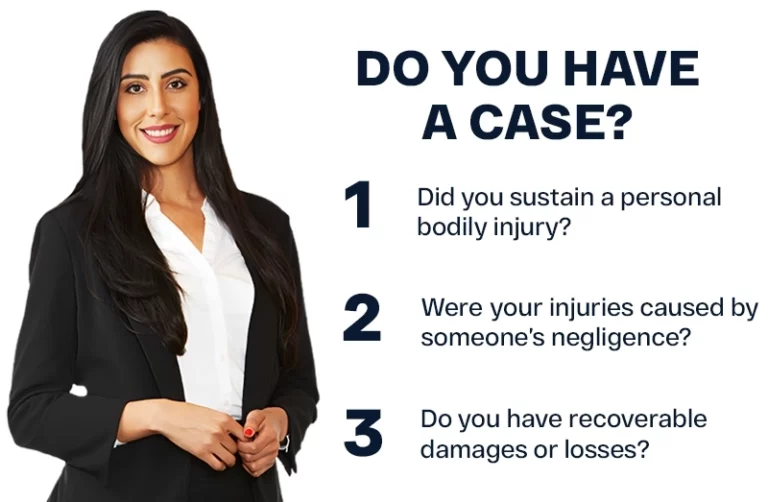
You may have a case if another driver, a roadway hazard, or a defective vehicle part caused your crash. As a result, you suffered losses such as medical bills, missed work, and pain and suffering. You do not need to be fully healed to start a claim. Early evidence and medical documentation strengthen your position.
What If I Was Lane Splitting, Speeding, Or Not Wearing A Helmet?
You may still have a claim. California’s comparative negligence rules may reduce recovery if you share fault, but they do not automatically bar the case. These claims often turn on speed, spacing, visibility, rider position, helmet-related injury arguments, and what the other driver did or failed to do.
Is It Worth Hiring A Lawyer After A Motorcycle Crash?
It can be. Motorcycle injuries and rider-bias defenses raise the stakes. A lawyer can expand the sources of coverage and preserve key evidence before it disappears. Legal help also protects you from settlement pressure while you are still being treated. The value difference can be significant in serious injury cases.
How Long Will My Case Take?
The timeline depends on medical recovery, liability disputes, and insurance limits. A case can resolve after treatment stabilizes, as that is when future care needs are clearer. Litigation can extend the timeline when the insurer refuses to pay fairly. Early planning helps to avoid unnecessary delays.
Do Lawyers Only Get Paid If They Win In Motorcycle Accident Cases?
The answer is yes for lawyers who use a contingency fee structure. You do not pay the attorney’s fees up front. You only pay the fee if they win your case or secure a settlement. The percentage depends on the case’s stage and complexity.
Get Legal Guidance From Our California Motorcycle Accident Lawyers
Motorcycle accident claims can become difficult quickly when the insurer disputes fault, downplays injuries, points to lane splitting or helmet use, or argues that limited coverage controls the outcome. These cases may also involve roadway defects, defective parts, work-related riding, hit-and-run incidents, wrongful death damages, or multiple liable parties.
Arash Law offers legal guidance to victims. If you’re thinking, “I need a personal injury lawyer in California,” our motorcycle accident lawyers can help. We can investigate liability, preserve motorcycle-specific evidence, identify available insurance coverage, document the full extent of the injuries, and move the claim forward before delay weakens it.
Call us today at (888) 488-1391 for a free initial consultation. We can review your case and explain your options for seeking compensation.