TL;DR: Delayed pain after a holiday car accident often signals hidden injuries that may not appear right away due to adrenaline and stress masking symptoms. Drivers and passengers face a greater risk when medical care is delayed. Timely documentation and treatment are crucial because insurers may dispute liability if injuries are not promptly reported.
Highlights:
- Get checked at ER, urgent care, or your primary doctor.
- Start a dated pain journal tracking symptoms, triggers, and limitations.
- Save discharge papers, test results, prescriptions, and all treatment receipts.
- Follow your care plan and attend every follow-up appointment.
- Notify your auto insurer and the at-fault driver’s insurer after diagnosis.
- Share basic facts only and politely decline recorded statements.
- California deadlines: 2 years to sue; government claims often 6 months.
Tip: Photograph visible injuries and keep copies of all communications, sticking to facts and avoiding guessing about causes.
Table of Contents
If pain develops days after a holiday car accident, seek medical care immediately. Delayed pain is common because adrenaline, shock, and holiday stress can mask injuries right after a crash, making symptoms easy to miss at first.
Once symptoms appear, do not ignore them or wait for them to go away. Begin tracking how your body feels over time. See a doctor as soon as possible to check for hidden injuries and create medical records that connect your condition to the crash. Early documentation can protect your health and reduce complications if you later pursue a claim.
Consider taking these steps:
- Seek Medical Attention — Visit a doctor or the ER to evaluate and document your injuries.
- Keep a Record — Track symptoms, dates, and changes in a journal.
- Follow Medical Advice — Complete recommended treatment and attend follow-up visits.
- Notify Insurance — Report delayed symptoms and provide medical documentation.
- Consult an Attorney — Ask a lawyer to review your situation. They can explain your legal options if another driver may be at fault.
Why Pain Can Be Delayed After A Holiday Car Accident
Pain and specific symptoms after a holiday accident can go unnoticed due to your body’s natural response to the injury. Under extreme stress, the body releases certain hormones that prime it to run or fight.
One of these hormones is adrenaline, which can temporarily dull pain sensations. An adrenaline rush caused by fear, anxiety, or tension experienced during and right after a car accident may conceal injuries until the body begins to settle.
In addition, inflammation often takes time to develop. Soft tissue injuries, such as muscle strains or ligament sprains, may worsen as swelling increases over the next several days. Stiffness, soreness, and reduced range of motion commonly appear once the initial shock subsides.
Delayed pain can also occur when injured areas are not fully used immediately. As you resume normal activities, underlying injuries may become more noticeable. Fatigue, disrupted sleep, and ongoing holiday stress can further intensify pain, making symptoms more apparent days after the crash rather than immediately.
Medical And Legal Steps After Delayed Pain Appears
Dealing with pain and delayed symptoms during a holiday can be stressful. You may have planned time off to rest or be with family, only to find yourself dealing with doctor visits or emergency care instead. Even so, it’s important to take steps that protect your well-being and legal rights.
Here’s what you can do:
Make Time To See A Doctor
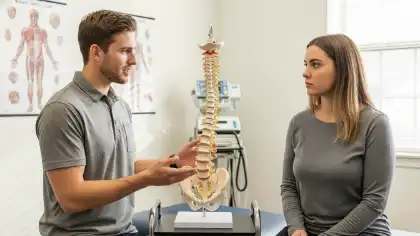
Don’t wait until your pain becomes severe or assume it will go away, especially if symptoms appear days or weeks after the crash. Instead, seek immediate assistance. Go straight to the ER, an urgent care facility, or your primary care physician.
You can avoid complications and long-term health problems with early diagnosis and intervention. If you decide to file a personal injury claim later, prompt medical care can also help establish a clearer link between the accident and your injuries.
Document Symptoms And Changes
Following a car accident, consider keeping a pain journal. This journal is a dated record of your pain, symptoms, treatments, limitations, and emotional effects after a crash. This documentation may support your claim by showing how your condition developed over time.
It’s best to begin recording symptoms as soon as they appear. Your journal may include:
- An evaluation of the pain and whether it radiates.
- Observations regarding intensity.
- When symptoms started and how long they lasted.
- Related physical or neurological symptoms.
- Triggers and daily activity limitations.
- Treatments, medications, and responses.
Relying on memory alone can be difficult, especially when symptoms evolve. A journal creates a clearer timeline of how delayed pain affects your daily life and recovery.
Notify Insurance Providers Carefully
When you receive a diagnosis, notify both your auto insurance provider and the insurer of the person who was at fault. If you initially stated that there were no injuries, contact them to follow up.
While insurance policies often require timely notice, delayed injuries are a common occurrence. Inform the insurer that symptoms appeared later and provide medical documentation when available. Only share basic facts. You are not required to give a recorded statement and may decline politely if asked.
How Delayed Pain Affects Injury Claims
The lack of immediate symptoms is one way that insurance companies can contest the legitimacy of injury claims. Furthermore, failing to seek medical attention within the first day or two after an accident can lead to disputes and complications.
Insurance adjusters may argue that any subsequent symptoms are unrelated to the collision. This situation presents significant challenges if you feel pain and other symptoms days or weeks after the accident.
You must dispel the idea that your delayed symptoms are either fabricated or the result of other circumstances. The timing of medical care is crucial in determining the connection between an accident and the onset of delayed pain symptoms.
Common Injuries With Delayed Symptoms

It’s common to experience minor soreness right after a crash. However, some injuries do not produce noticeable symptoms immediately. You may feel fine at first, only to develop pain later from injuries such as:
Soft Tissue Injuries
Muscles, ligaments, tendons, or nerves may be injured in a collision. These injuries often appear as a strain (a muscle or tendon tear) or sprain (a ligament tear). Your body’s normal inflammatory reaction may delay pain for a few days, similar to what occurs with whiplash.
Concussions And Mild Traumatic Brain Injuries
Concussions and mild traumatic brain injuries (TBIs) are serious conditions that may present delayed symptoms. TBIs can occur when a severe head injury causes the brain to move inside the skull.
Symptoms of a TBI can manifest suddenly or gradually. As such, you must seek medical attention if you suspect a head injury. This step is necessary because delayed TBI symptoms can be life-threatening.
Spinal And Back Injuries
Injuries to the back and spinal cord can be life-altering. Pain may indicate a serious injury to your back muscles, vertebrae, or spinal discs. Due to the nature of serious back pain, you may not feel back pain until months after a car accident. These may involve costly medical treatment, including physical rehabilitation and chiropractic care.
A herniated disc, for example, might not be discovered for months following the injury that caused it to rupture. The pain intensifies as the disc gradually presses against the nearby nerves.
Similarly, spinal cord damage can also cause or exacerbate leg pain. For example, you may experience delayed leg pain following a car accident if a disc presses on a particular nerve. Since car crashes are a common cause of spine injuries, immediate medical care is crucial.
Why Holiday Crashes Increase The Risk Of Delayed Pain
The body’s fight-or-flight reaction is the main reason why holiday crashes raise the risk of delayed pain. Immediately following an accident, this bodily function releases hormones that mask pain. The unique stressors of the holiday rush can intensify this effect.
Holidays can bring an influx of cars and people on the road. With traffic jams and heavy foot traffic, holiday accidents are likely to occur. Those who walk it off may realize later that they have sustained hidden injuries and delayed pain.
Several holiday-related factors contribute to this higher risk of delayed pain, including both driving conditions and emotional stress. These factors are explained below.
Stress Due To Holiday Rush

During holidays, tourists flock to various destinations. This surge results in packed roads, crowded intersections, and overflowing parking lots. The local roads may be unfamiliar to visitors. They might pause, slow down suddenly, or make last-minute turns when driving.
These erratic behaviors may aggravate local drivers, who are already under stress due to the holiday rush. Stress and traffic congestion can make people less patient and more impulsive. The following are common reasons for holiday collisions:
- Attempt unsafe merges.
- Disregard right-of-way regulations.
- Follow other vehicles too closely.
Stress levels rise with increasingly congested roads. This circumstance may set off a dangerous cycle that leads to poor decisions.
Holiday-Specific Contributors
Beyond traffic conditions, holiday-related stress can also affect the body’s physical response to injury. Emotional pressure can increase muscle tension and sensitivity to pain. Common stressors include:
- Family dynamics
- Financial strains
- Difficulties with travel
In addition, access to medical care may be limited during the holidays. Clinics and specialists often operate on reduced schedules, which can result in delayed evaluations and treatment. As a result, people may fail to receive early diagnosis and treatment.
Frequently Asked Questions About Delayed Pain After A Car Accident
After a car accident, you may be thinking, “I need a personal injury lawyer.” You might even be looking for free accident lawyer advice. Car accident lawyers can help you navigate your legal rights. If you have case-specific questions, call us at (888) 488-1391 for a free case review.
Below are common questions about the legal process of filing an auto collision claim.
How Long Does It Take For Pain To Set In After A Car Accident?
The time it takes for pain to appear varies significantly. Pain and other symptoms can manifest at any time, from hours or days to weeks after the crash. The exact timeline depends on various factors, including:
- The type of injury.
- The severity of the injury.
- Personal physiological factors.
- Stress and adrenaline levels.
What Is The Most Common Injury From A Car Crash?
Whiplash is the most common injury associated with auto accidents. Up to 83% of patients in collisions suffer this kind of harm. It can also result in chronic disability.
Over two million Americans suffer from whiplash every year. The head abruptly snaps forward and then backward, causing what is also known as a neck strain or sprain. This whiplike motion overstretches the neck and upper back joints, muscles, and ligaments.
Front- or rear-impact auto accidents are the most frequent cause of whiplash. The injury, though, could happen at any time.
How Long After An Accident Can You File A Personal Injury Claim?

California has a strict statute of limitations for personal injuries. You typically have two years from the date of the incident to file a claim against the person who caused it. The “clock” usually begins to run on the day of the accident that injured you.
Nonetheless, there are a few exceptions that may reduce or increase the time you have to file a lawsuit. If the at-fault party is a government agency, the deadline is shorter. You must initially file an administrative claim within six months. On the other hand, if the victim is a minor, the two-year deadline does not start until they turn 18.
It’s critical to understand the statute of limitations for your injury claim. If you miss the deadline, you’ll generally lose your right to seek compensation.
How Long Does It Take To Settle An Auto Accident Claim?
There is no fixed timeline for settling a California auto accident claim. Some claims are resolved within a few months, while others take longer, depending on the severity of the injury, disputes over fault, and the insurance review process. Cases involving ongoing medical treatment, multiple parties, or litigation often take longer due to the additional investigation and legal steps required.
How Much Does A Car Accident Lawyer Cost In California?
The cost of hiring an attorney for your car accident case depends on the specifics of your situation and their fee structure. In California, many auto accident attorneys work on a contingency fee basis. Under this agreement, the attorney’s fee is taken as a portion of any settlement or award your legal counsel obtains on your behalf. So, do lawyers only get paid if they win a case? If they work under this payment arrangement, the answer is yes.
Consult A Car Accident Lawyer About Your Delayed Holiday-Related Injury
Getting injured in a car accident on a holiday can be particularly stressful. It can disrupt your plans and become a hassle. Some accident victims may decide to wait until the holiday is over before seeking medical attention. It is not advisable to do so.
To avoid complications and help protect your rights, prioritize your health. If you need assistance from a skilled car accident lawyer during this challenging time, contact the AK Law Firm at (888) 488-1391 for a free initial consultation. Our team is here to answer your questions and explain how your injury claim may move forward.