TL;DR: If you’re not at fault in a car accident, report it to your insurer, gather evidence, and seek medical help. This supports your claim for compensation and helps establish liability. Injured victims must act quickly to protect their rights, especially when dealing with insurance deadlines. Drivers, passengers, and pedestrians may be affected.
Highlights:
- Call 911 if anyone is hurt or there’s major vehicle damage
- Get medical care ASAP, even if symptoms seem minor
- Exchange required info: driver, license, VIN, and insurance
- Capture proof: photos/video, witness contacts, and nearby cameras
- Request the police report/incident number (Traffic Collision Report)
- File DMV SR-1 within 10 days if injury/death or $1,000+ damage
- Notify your insurer promptly and save bills, records, and wage-loss proof
Tip: Keep insurer conversations short & factual – don’t give the other driver’s insurer a recorded statement or accept a settlement before you understand your injuries and coverage.
Table of Contents
When you are not at fault for a car accident, there are several things you can do. These steps can help you show how the accident occurred and who may be at fault. They could also support your eligibility to seek compensation later on:
- Exchange contact information and insurance details with the other driver.
- Call 911 for emergency assistance if there are injuries or substantial property damage.
- Get medical help soon after the accident.
- Notify your insurer about the accident to access certain benefits.
- File an insurance claim against the at-fault party, if possible.
What you do right after a car accident can affect your health and finances later. It’s important to gather as much information as you can to establish that you are not at fault.
Actions To Take After A Car Accident That Is Not Your Fault
Getting involved in a car accident caused by someone else can have significant consequences. CalSTA reports that in 2023, traffic crashes on California’s public roads caused more than 14,000 serious injuries. Some collisions were more severe, resulting in roughly 3,600 fatalities.
As these incidents continue to be an issue, it’s essential to know what to do after a car accident, especially if you didn’t cause it.
Make Health And Safety Your Top Priorities
There may be a lot of confusion in the moments after a vehicle collision. However, your safety and well-being must come first. Here are some things you can do:
- Check for Injuries — Confirm whether the crash hurt you, your passengers, or other involved parties. If anyone is injured, call 911.
- Move to Safety If You Can — Get your car off the road to avoid further accidents. If you can’t move the vehicle, turn on your hazard lights so you’re visible to other motorists.
- Seek Medical Help — If EMTs respond to the crash, get evaluated at the scene. Depending on your injuries, they may either:
- Transport you to the hospital.
- Recommend that you get checked on your own.
Follow their suggestion if you have any pain, no matter how minor. Muscle stiffness or headaches might be signs of more serious injuries, such as whiplash or concussions.

Gather Information And Evidence
Supporting documentation and evidence are crucial for establishing fault in car accidents. They can show how a crash occurred and what caused it. To gather proof, you can:
- Exchange Information With the Other Party — Section 16025 of the California Vehicle Code requires all drivers involved in an accident to exchange information. Make sure to get:
- Driver’s name and current residence address.
- Driver’s license number.
- Vehicle identification number.
- Current residence address of registered owner.
If the other driver fled the scene, note the vehicle’s specific details. These may include:
- The license plate (even a partial one)
- Make
- Model
- Color
- Distinguishing features
- Direction of travel
- Collect Evidence on the Spot — To establish liability (or prove that the car accident was not your fault), gather available evidence at the scene. You can:
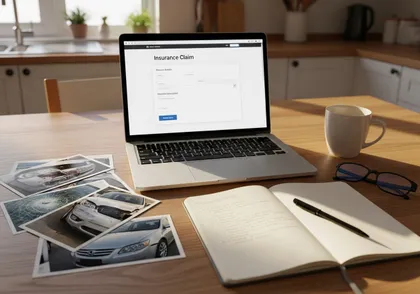
- Take Photos or Videos — Visual evidence can capture details such as skid marks, road conditions, and vehicle positions. You can also take photos of any visible injuries.
- Witness Information — If there are witnesses at the scene, ask for their contact details. They can provide unbiased perspectives of the accident that could support your claim. Car accident lawyers can contact these potential witnesses to get their official statements.
- Identify Potential Video Evidence — Check for cameras that may have captured the incident. List nearby:
- Businesses
- Traffic camera spots
- Residential security systems
- Vehicles with dashcam footage, if there are any
- Police Report Number — If law enforcement responds, they will usually file a Traffic Collision Report. Ask the officer for the report number and instructions on how to request a copy. This document is typically available several days or weeks after the accident.
You can continue collecting evidence in the days following the crash. For example, consider documenting your recovery progress in a journal. Your notes can provide proof of the accident’s intangible impacts. You may record:
- Physical pain, symptoms, and limitations that you experience every day.
- Emotional distress, anxiety, or changes in mood due to the injuries you sustained.
- The impact of your injuries on your daily activities, ability to work, and personal relationships.
- Any setbacks, improvements, or ongoing challenges during your recovery.
Report The Accident To The Authorities And Insurers
Report the accident to the appropriate parties. They can create official records of the incident that can support any future claims. Consider notifying:
- The California Department of Motor Vehicles (DMV) — The California DMV requires you to report any traffic accident resulting in injuries, fatalities, or property damage exceeding $1,000 in value. To do so, you need to submit the SR-1 form within 10 days of the crash.
- Local Authorities — Report the crash to the law enforcement agency with jurisdiction over the scene. Often, the local police or sheriff’s department will respond to a 911 call. However, if they do not, consider notifying them directly. Their official police reports often include crucial details, such as an initial assessment of fault, which may support your insurance or legal claim.
- Your Own Insurance Company — Even though you are not at fault, it’s vital to notify your insurer about the accident. Here are a few reminders for reporting with your insurer:
- Stick to the truth when you describe the accident and provide precise information.
- Include any supporting documents you have gathered, including images and the police report number, in your submission.
After a car accident that wasn’t your fault, you will likely have to seek damages from the at-fault driver’s auto policy. In California, all drivers must carry minimum liability insurance. The requirements include:
- $30,000 for injury or fatality to an individual.
- $60,000 for injury or death to more than one victim.
- $15,000 for property damage.
Despite that, it’s still important to notify your own insurance company. Even if you didn’t cause the crash, you may be contractually obligated to notify your carrier to keep your coverage active.
Claims with the other party’s insurer can also take time. Your policy could help with immediate expenses, such as medical treatment or vehicle repairs. Some insurance coverages that may apply include:
- Medical payments coverage
- Collision coverage
- Uninsured/underinsured (UM/UIM) motorist coverage
The availability of these coverages depends on the specific policy you carry. California law requires insurers to offer UM/UIM coverage, but you don’t have to add it to your policy. Similarly, medical payments and collision coverage are optional. You can contact your insurance agent to confirm which of your benefits may apply after a car accident.
Track Medical Treatment And Accident-Related Costs

Injured victims often face financial challenges after car accidents. Medical expenses typically comprise the majority of their losses. To pursue compensation for them, it’s ideal to:
- Follow Recommended Medical Treatment — These may depend on the injuries you sustained. Some victims may need physical therapy, chiropractic care, or surgery after car accidents. Make sure to follow your doctor’s recommendations and complete all prescribed treatment. Doing so will:
- Support your recovery.
- Help document your injuries.
These are key to your insurance claim. Gaps in treatment or ignoring medical advice may cause insurers to question the severity of your injuries.
- Keep Medical Records and Bills — Your medical records can show why your treatments or procedures are necessary. Meanwhile, your billing statements can demonstrate your accident-related medical costs, which can substantiate the value of your claim.
- Track Other Accident-Related Expenses — Assess your other financial losses after the car collision. Depending on the situation, these may include:
- Vehicle Repair or Replacement — Car accidents often lead to significant vehicle damage. Obtain a repair estimate from a licensed auto body shop or an assessment from your insurer’s adjuster. If your car is deemed a total loss, request a valuation.
- Medical Equipment — If your injuries cause temporary or permanent limitations, you may need medical equipment such as crutches, wheelchairs, or other assistive devices.
- Transportation Costs — While your car is being repaired or replaced, you might have to rent a car or book a rideshare service to get to important appointments.
- Household Help or Child Care — If your injuries limit your ability to manage household tasks or care for your children, track all related expenses.
These actions can help you document the damages you suffered due to the accident. Some losses you can include in your claim are:
- Medical expenses
- Lost wages
- Property damage
- Other out-of-pocket costs
Pursue Compensation For Your Losses
After getting involved in a car crash you didn’t cause, you could either file an insurance claim (through your insurance or the at-fault party’s) or a lawsuit. Both options can help you seek compensation for the losses you incurred after the accident. However, their availability in your situation depends on the facts of your case.
Filing An Insurance Claim
You may initially file a claim with your own insurance company. You also have the option to file a claim directly with the at-fault party’s insurer.
The process often proceeds as follows:
- You report the accident to your insurance company and provide all required details and documentation.
- You file a claim with your insurer and/or the at-fault party’s insurer. Submit the necessary documentation and proof of losses.
- The insurer assesses your damages. The process may include:
- Vehicle inspection and damage assessment by an adjuster or auto body shop.
- Verification of medical evaluations, treatments, and costs.
- The insurance companies involved in your claim determine fault and coverage. In some cases, comparative negligence may apply if there is evidence that you contributed to the accident. California follows a pure comparative negligence rule. It allows injured parties to continue seeking compensation, even if they’re partially at fault.
- If your claim is accepted, you receive payment of covered losses, either through your insurer or the at-fault party’s insurer.
- Subrogation may occur if your insurer covered some of your expenses during the claims process. If so, it will seek reimbursement for those costs from the at-fault party’s insurance company.
The California Department of Insurance (CDI) sets clear time frames for handling claims. If an insurance company does not comply with them, a lawyer or the CDI can help you address any unreasonable delays in:
- Acknowledgement — Insurers must acknowledge a claim within 15 days. They should start the investigation, provide forms and instructions, and offer help.
- Decision — Insurers must accept or deny the claim within 40 days.
- Payment — If a claim is accepted, insurers must pay it without unreasonable delay, under the policy terms.

Filing A Car Accident Lawsuit
You have the option to take the at-fault driver to court if settlement negotiations fail or if they deny responsibility for your injuries. In California, there is a set deadline for filing civil cases, called the statute of limitations:
- Personal Injury — 2 years from the accident date.
- Property Damage — 3 years from the accident date.
Consider these deadlines when filing a claim. There are special circumstances that may adjust them:
- The Victim Is a Minor — The time limit starts running once they turn 18. Parents or legal guardians can file the lawsuit on their behalf until then.
- The Case Involves a Government Entity — If the car accident involves a government vehicle or road conditions that the city/county failed to address, victims must submit an administrative claim within six months of the accident.
- If denied, they have 6 months from the date of the denial to file a claim.
- If the government entity fails to respond within 45 days, victims have two years from the date of their injury to file a lawsuit.
Filing civil cases can be confusing. Aside from the statute of limitations, court procedures as a whole can be complex. If you’re unfamiliar with these processes, you may find yourself saying, “I need a personal injury lawyer.” An attorney can help clarify the steps you need to take and assist with filing a lawsuit.
Frequently Asked Questions (FAQs)
It’s understandable for victims to have concerns about seeking compensation, especially if someone else caused their car accident. Below are answers to some common questions people ask after such incidents.
Should I Get A Lawyer For A Car Accident That Wasn’t My Fault In California?
It depends on the details of the case. Generally, you can handle car accident claims on your own. However, if your case involves serious injuries or long-term financial impacts, a lawyer can evaluate your losses and help you pursue an appropriate compensation amount.
They can also support your case when the at-fault party or its insurer raises disputes regarding who caused the accident. An attorney can present evidence to establish the liability of the other party or advocate for a fair determination of fault.
However, finances may be a concern for you after a crash. If so, your decision to get legal representation may involve asking, “Do lawyers only get paid if they win?” Some of them do, especially if they work on a contingency fee basis.
Under this arrangement, you only pay an attorney’s fees if compensation is recovered in your case. Injury law firms, like AK Law, offer this payment structure.
What Happens If The Driver Who Hit Me Doesn’t Have Insurance?
You can file a claim with your insurer. California law requires insurance companies to offer Uninsured Motorist (UM) coverage. If you have this coverage, your own insurer may pay for some or all of your accident-related expenses. You can also sue an uninsured driver to seek damages.
Should I Give A Recorded Statement To The Other Driver’s Insurance Company?
No. You aren’t legally required to provide the other driver’s insurance company with a recorded statement. Before agreeing to do so, you might want to consider seeking free accident lawyer advice.
Without appropriate guidance, your remarks could impact the outcome of your claim. For example, avoid saying “I’m sorry” or “I’m fine.” These statements could lead insurers to question who actually caused the accident or how bad your injuries really are.
Does An Accident I Didn’t Cause Affect My Insurance In California?
If you are not at fault, your insurance premiums cannot legally be raised because of the accident. Under California law (Proposition 103), insurance companies must get approval from the Insurance Commissioner before adjusting rates.
How Soon After An Accident Must It Be Reported To Insurance In California?
California law does not set a strict deadline for notifying insurers. However, most policies may require you to report a vehicle accident promptly. Failing to notify your insurance company within a reasonable timeframe could affect your claim. It is advisable to confirm the applicable deadlines with your insurer.
Lawyers Can Help You With Your Car Accident Claim
You can seek compensation for your losses if you were involved in a car accident that was not your fault. When liability is clear, pursuing a valid claim can be more straightforward. However, questions may arise about fault, insurance coverage, or claim procedures.
In this case, legal guidance may help clarify available options. Arash Law provides information and case evaluations related to California car accident claims. You can call (888) 488-1391 to request a free initial consultation.