TL;DR: Teen drivers have more driving accidents than most older people because their crash risk per mile is higher. NHTSA and California DMV data rank drivers aged 16 to 19 as having the highest risk. Inexperience, distraction, speeding, passengers, and night driving cause many crashes.
Highlights:
- Teen drivers face higher crash risks, especially per mile driven.
- California DMV data shows teens aged 16-19 have the highest crash rates.
- Inexperience, distraction, and night driving are key causes of teen crashes.
- California restricts teen drivers from driving late at night and carrying young passengers.
- Liability after a teen driver crash can extend beyond the driver to parents or vehicle owners.
- For crash recovery, maintain records of medical care, bills, and insurance details.
Tip: Preserve any available visual evidence to support your claim.
Table of Contents
Yes. Teen drivers have more accidents than most older drivers, especially when you look at crash risk per mile driven. The California Department of Motor Vehicles (DMV) notes that drivers aged 16 to 19 have the highest average annual crash and traffic violation rates per 100 drivers. National safety agencies also list teens among the highest-risk drivers on the road.
The reason is not just age. Teen drivers are still learning how to spot danger, judge speed and distance, and stay calm in fast-moving traffic. Safety agencies consistently point to inexperience, distraction, speeding, and night driving as major reasons teen crashes happen more often.
What The Data Says About Teen Driving Risk
Teen drivers are one of the highest-risk groups on the road. In California, drivers ages 16 to 19 have the highest average annual crash and citation rates per 100 drivers.
Nationally, the National Highway Traffic Safety Administration (NHTSA) says these drivers were involved in 4.8 fatal crashes per 100 million travel miles. That contrasts with the average 3.3 accidents for ages 20 to 24 and 1.4 collisions for ages 30 to 59.
That does not mean every teen driver is reckless. It means that, as a group, teens face a higher crash risk because they are new to driving and are more likely to make serious mistakes under pressure. The Insurance Institute for Highway Safety (IIHS) says teen drivers have crash rates nearly four times those of drivers 20 and older per mile driven.
Crash Rates By Age: A Quick Table
The table below keeps the numbers simple. California DMV data uses average annual crash rates per 100 drivers. NHTSA uses fatal crashes per 100 million travel miles.
| Age group | California DMV view | NHTSA per-mile fatal crash rate |
|---|---|---|
| 16 to 19 | Highest average annual crash and citation rates per 100 drivers | 4.8 |
| 20 to 24 | Lower than ages 16 to 19 | 3.3 |
| 30 to 59 | Lower than ages 16 to 19 | 1.4 |
| 80 and older | California teen per-mile crash rates are matched only by drivers 85+; NHTSA shows this older group as the main exception | 5.4 |
Do Teens Crash More Than Older Drivers Per Mile Driven Or In Total?
The answer depends on the metric. Some sources compare crashes per licensed driver. Others compare crashes per mile driven. For teen drivers, the per-mile comparison is especially important. It shows how risky each mile can be for a new driver, not just how many licensed teen drivers there are in California.
That is why the cleanest answer to the title question is this: teen drivers have more accidents than most older drivers, especially per mile driven.
Why Teen Drivers Get Into More Accidents
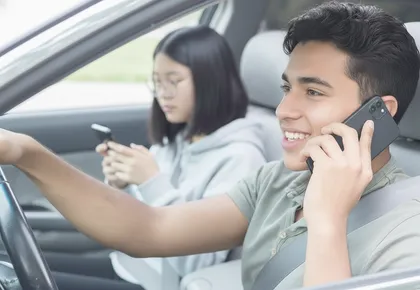
Inexperience is the biggest reason teen drivers crash more often. More specifically, California DMV research links their higher crash risk to immaturity, limited time behind the wheel, and risk-taking. The IIHS says teen drivers often do not recognize hazards early enough or respond safely when traffic changes fast.
Distraction also plays a major role. Phones, friends in the car, loud music, and busy roads can pull a young driver’s attention away from what matters most. Even a brief lapse in focus can lead to a serious mistake, especially when the driver lacks strong instincts behind the wheel.
Night driving adds even more risk. Darkness limits visibility, fatigue slows reaction time, and weekend traffic can bring more speed, more passengers, and more impaired drivers. These conditions are difficult for any driver, but especially challenging for someone still learning.
Some teen crashes also involve alcohol or drugs, but impairment is not the only concern. Many serious wrecks happen because a young driver panics, misjudges a gap, follows too closely, or reacts too late. These risk factors behind teen car crashes can cause accidents, even when there was no intent to drive recklessly.
Are Older Drivers Ever Riskier Than Teens?
Sometimes. NHTSA’s per-mile fatal crash data shows drivers 80 and older as the main exception to the usual pattern. California DMV research also notes that teen crash rates per 100,000 miles are matched only by drivers aged 85 and older.
That does not change the main answer. Teen drivers still stand out as one of the highest-risk groups on the road. So the clearest answer remains yes, teens have more driving accidents than most older people.
California Teen Driving Laws: Passenger And Night Restrictions
California limits some of the highest-risk situations for new teen drivers. During the first 12 months of owning a provisional license, drivers under 18 cannot:
- Drive between 11 p.m. and 5 a.m.
- Carry passengers under 20 years old. They can only do so if a parent, guardian, driving instructor, or California-licensed driver at least 25 years old is in the car.
These rules matter because they target the same risks the safety data highlights: night driving, peer passengers, and inexperience. A violation can matter in a liability argument, but it does not, by itself, establish fault. That still depends on the full facts of the crash. The statutes and DMV rules show why those facts matter.
Why Teen Driving Accidents Can Be So Dangerous
A teen driving accident can cause the same severe injuries as any other crash. That can include head trauma, neck and back injuries, broken bones, internal bleeding, and emotional harm. California courts note that injured people may seek compensation for medical bills, lost wages, emotional distress, and other losses resulting from the injury.
These cases can also become more complicated than people expect. A crash may involve the teen driver, the parent or guardian, the vehicle owner, and one or more insurance policies. That matters because the legal and insurance picture may extend beyond the driver.
Who Can Be Liable After A Teen Driver Accident In California?
Liability after a teen driver crash can extend beyond the teen driver. Depending on the facts, several people may share responsibility.
Potentially liable parties may include:
- The Teen Driver: They can be at fault if negligent or wrongful driving causes injury or property damage.
- The Person Who Signed the License Application: Under California law, the adult who signed a minor’s driver’s license application may share liability for damages caused by the minor’s driving.
- A Parent or Guardian Who Gave Permission: They may be responsible if the minor drove with their express or implied permission.
- The Vehicle Owner: An owner may be liable when a negligent driver uses the vehicle with the owner’s permission.
That does not mean every parent is automatically liable in every case. Legal responsibility depends on the facts, the insurance coverage, and the applicable California statute. Due to these nuances, cases involving teen-driver crashes can be more complicated than a standard two-driver accident claim.
If you need free advice from a teen driving accident lawyer, this is often the point where legal guidance can help you understand who may be responsible and which insurance policies may apply.
What Compensation Can You Recover After A Teen-Driver Crash?
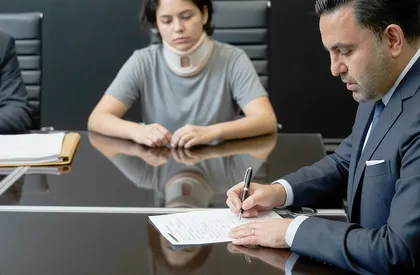
If someone else caused the crash, an injured person may seek compensation for medical bills, lost wages, emotional harm, and other losses. In a car crash case, the available compensation can also include vehicle damage and the cost of follow-up treatment.
The key is proof. Keep records for emergency care, follow-up visits, prescription costs, missed work, vehicle repairs, and any chiropractic treatment if that is part of your recovery plan. Clear records make it easier to show what the crash cost you.
Deadlines And Reporting Rules For California Driving Accidents
California deadlines matter after any crash. In most personal injury cases, Section 335.1 of the state’s Code of Civil Procedure gives you two years to file suit. Claims against a public entity move faster. Government Code Section 911.2 requires a claim for injury, death, or personal property damage to be presented within 6 months of an accident.
California also has a DMV reporting rule. The SR-1 is a DMV accident report, not an insurance claim form. The DMV says you must file it within 10 days if the crash caused injury, death, or more than $1,000 in property damage.
What Should You Do After A Crash With A Teen Driver?
The steps below are general recommendations to help you protect your health and your claim. They are not legal nor medical advice. However, these are actions you can consider taking:
- Get Continuous Medical Care: Don’t stop at the initial medical evaluation. If you sustained injuries in a teen-driver crash, keep going to doctor’s appointments until you heal. Doing so can create a clear record of your condition and recovery period after the accident.
- Obtain Available Surveillance Footage: Visual evidence can help clearly show what happened. If there were traffic, dashboard, or private security cameras nearby at the time of the crash, try identifying who owns footage of your crash and ask for a copy before it’s overwritten.
- Identify the Vehicle Owner and Insurance Coverage: Find out who owned the car and which insurance policy covered it. Teen driver cases may involve more than one liable party or policy.
- Keep the Process Organized: Hold onto every bill, report, photo, and insurance document. Good records can make it easier to show your losses later.
If you want case-specific guidance, Arash Law can explain your options after a teen driver crash.
Frequently Asked Questions About Whether Teens Have More Driving Accidents Than Older People
Teen driving risk raises many follow-up questions. The answers below explain how teen crash rates compare with those of older drivers. They also clarify why these accidents occur and what those differences can mean after a crash.
Are Teen Drivers More Dangerous Than Older Drivers?
In general, yes. The best-supported version of that statement is that teen drivers have more crashes than most older drivers, especially per mile driven.
Do Teens Crash More Because They Are Reckless?
Not always. Inexperience explains much of the risk. Safety sources point to immaturity, distraction, speeding, and problems with hazard recognition, not just reckless behavior.
Are Teen Drivers More Likely To Crash At Night?
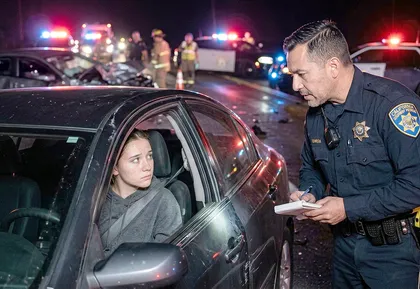
Yes. The CDC says teen fatal crash risk rises sharply at night, which is one reason California restricts late-night driving for provisional drivers.
Does A Teen’s Violation Of License Restrictions Prove Fault?
Not by itself. A restriction violation can be useful evidence. However, fault still depends on the full facts, the conduct that caused the crash, and the applicable state laws.
Can The Car Owner Be Liable Even If They Were Not Driving?
Yes, in some cases. California Vehicle Code Section 17150 can make an owner liable if another driver uses their vehicle with their permission.
Do Lawyers Only Get Paid If They Win?
The answer is yes for many personal injury lawyers who work on a contingency fee basis. That means they take their legal fees from a final settlement or award. Clients aren’t billed upfront or on an hourly basis. More importantly, they don’t pay their attorney if they don’t receive compensation.
The exact terms still depend on the fee agreement, so read it carefully before signing.
Talk To AK Law About Your Options After A Teen Driver Crash
If a teen driver hurt you or someone in your family, you do not have to sort out fault, parent liability, and insurance issues on your own. AK Law can review what happened, explain your legal options, and help you understand what steps make the most sense for your case.
If you are thinking, “I need a personal injury lawyer,” this is the right time to ask clear questions. A free initial consultation can help you understand liability, deadlines, insurance coverage, and what records to keep.