Berkeley Premises Liability Lawyers

We’ll review what happened and tell you what options may be available.
MAKE THEM PAY, CALL AK!
24-hour accident hotline: (888) 488-1391
Our Berkeley Premises Liability Lawyers Offer Trusted Counsel For Injury Victims
In California, most premises liability claims come down to one basic rule: people who own, lease, occupy, or control property must use reasonable care to keep it safe. That duty can apply to a property owner, a business, a landlord, a tenant, or a public entity. If one of them failed to fix a dangerous condition or warn you about it, you may have the right to seek compensation for your injuries.
In Berkeley, these cases often involve crowded transit areas, aging sidewalks, and dense rental housing. The Southside, in particular, has heavy student foot traffic, and many properties blur the line between public and private space. Because of that, it is not always immediately clear who controlled the area where the injury happened. A fall near Downtown Berkeley BART, an injury on a stairway in a multi-unit rental, or a hazard on city property can each raise different issues involving proof, liability, and legal deadlines.
California premises liability lawyers can help injured people understand the process, identify the right liable party, and move forward with clearer guidance.
Why Premises Liability Cases In Berkeley Are Different
Berkeley premises liability cases often involve control, notice, and timing. An injury may happen near a storefront, sidewalk, transit entrance, or public property, which can make liability less clear from the start.
Here are some of the main reasons these claims can be different in Berkeley:
- Downtown Berkeley BART: Incidents near station approaches, plazas, and nearby commercial areas can create disputes over control, surveillance access, lease responsibility, and witness availability.
- Southside Berkeley: Areas near Bancroft Way, Dwight Way, Prospect Street, Fulton Street, and Telegraph Avenue combine dense housing, heavy student activity, and constant foot traffic. Those conditions can affect stairway, walkway, entryway, and common-area claims.
- Telegraph Avenue: Claims here may involve lighting, curb design, sidewalk conditions, loading activity, visibility problems, and storefront operations in crowded pedestrian areas.
- Ashby Avenue and Adeline Street: Cases near these corridors may raise issues involving crossing design, barriers, adjacent property maintenance, and public-entity notice.
- Berkeley Sidewalks: Resident sidewalk reports may help show prior complaints, notice, or the length of time a defect existed.
- Rental Housing: Berkeley’s rental safety self-inspections, proactive inspections, and complaint-based housing inspections can create important evidence in apartment, balcony, stairway, and common-area cases.
- Public Property Claims: Claims against the City of Berkeley usually require filing an administrative claim within 6 months. If a lawsuit follows, it is generally filed in Alameda County Superior Court.
Because of these local conditions, Berkeley property injury claims often require early investigation and a careful review of who controlled the area.
(No guarantee of outcome. Results displayed were dependent on unique facts of that case, and different facts will bring different results.)
How Insurance Applies To Premises Liability Cases
Insurance often shapes the early stage of a Berkeley premises liability claim. A store, restaurant, apartment complex, landlord, hotel, or commercial property manager will often have liability coverage. In dense rental areas like Southside Berkeley, a homeowners or renters policy may also become relevant. If the injury occurred on public property, the claim may be initiated through a government claims process rather than a standard insurance claim.
Common insurance issues include:
- Disputes Over Notice: Insurers may argue they did not know about the hazard or that it appeared too close to the incident to have been fixed.
- Claims That the Hazard Was Obvious: They may argue that you should have seen and avoided the condition.
- Blame Shifting: Insurers often try to shift the blame to the injured person for where they walked or how the incident occurred.
- Early Injury Minimization: They may question the injury’s severity before treatment is complete.
- Mixed-Use Property Disputes: In places like storefront entrances, shared apartment common areas, transit-adjacent zones, or public sidewalks next to private property, the first issue is often which policy, entity, or defendant is responsible.
These disputes become more common when the scene changes quickly, the video is limited, or a claim is pushed toward settlement before the full medical picture is clear.
California also follows comparative fault rules. That means the defense may argue that you were partly responsible for the incident, such as by failing to notice an alleged hazard, choosing a route they claim was unsafe, or ignoring conditions they say were obvious. Even if they prove some share of fault, that does not automatically bar recovery in a standard negligence case. Instead, your damages can be reduced by the percentage of responsibility assigned to you.
That is why early evidence matters so much in Berkeley premises liability cases. Photos, videos, witness statements, incident reports, and evidence of how the condition appeared at the time can help show what was actually there, how long it existed, and whether the defense is unfairly trying to shift blame.


Severe Injuries And Compensation In Premises Liability Claims
Premises liability cases in Berkeley can cause severe injuries that do far more than send someone to the emergency room. In many cases, the injury affects the amount of compensation available because more serious harm usually leads to higher medical bills, a longer recovery, higher lost income, and a stronger claim for pain and suffering. Falls from stairs or balconies in multi-unit buildings, fires on unsafe property, and negligent security incidents in commercial areas can all lead to life-changing harm.
Common serious premises liability injuries include:
- Traumatic brain injuries
- Concussions
- Spinal cord injuries
- Deep lacerations
- Torn ligaments
- Bone fractures
- Burns
- Permanent disabilities
These injuries often require extensive treatment, such as emergency care, imaging, surgery, pain management, physical therapy, occupational therapy, and chiropractic care when appropriate. However, the medical diagnosis is only part of the picture. Compensation often increases when the injury causes lasting limitations in walking, working, sleeping, driving, studying, or living independently.
Serious injuries can increase compensation in several ways:
- Higher Medical Costs: Severe injuries often require hospitalization, specialist care, surgery, rehabilitation, medication, and follow-up treatment.
- Future Medical Needs: A claim may need to account for future care, such as additional procedures, long-term therapy, mobility aids, or pain management.
- Lost Income and Reduced Earning Capacity: Compensation may increase when the injury keeps you out of work, limits your hours, or prevents you from returning to the same job.
- Greater Pain and Suffering: Chronic pain, reduced mobility, nerve symptoms, scarring, and loss of independence can significantly affect non-economic damages.
- Permanent Impairment: Claims often carry greater value when the injury results in lasting disability, permanent work restrictions, or visible disfigurement.
Psychological harm can also increase the overall value of the claim. Severe falls, assaults tied to negligent security, and other traumatic property incidents may lead to anxiety, panic symptoms, sleep disruption, or other emotional effects that interfere with daily life. Children and older adults may face even more serious consequences because these injuries can affect development, recovery, mobility, and long-term independence.
A strong Berkeley premises liability claim should document both the diagnosis and the real-world consequences of the injury. The more serious and disruptive the harm, the more important it becomes to show how the injury changed your health, your work, and your everyday life.

What Typically Happens After A Personal Injury Claim Begins
Most Berkeley premises liability cases follow a similar process, although the details change from case to case.
- Reporting the Incident & Documenting the Scene: You report the incident and gather supporting documents. In Berkeley, that can include getting the incident report, apartment complaint, or sidewalk hazard report.
- Directing the Claim to the Right Defendant & Insurer: Early investigation focuses on who controlled the area. It matters if the defendant is a private or public entity. It also matters if multiple parties share liability.
Gathering Evidence Before It Disappears: Important evidence includes the following.
- Maintenance logs.
- Repair records.
- Inspection histories.
- Lease documents.
- Photographs.
- Witness statements.
- Housing code records.
- Available surveillance footage.
- Documenting Medical Treatment & Damages: The medical record must connect the unsafe condition to your injuries. Linking injury and cause helps track recovery, restrictions, and future care needs.
- Negotiation Usually Happens Before Suit: Many cases resolve through settlement discussions. However, you must properly document liability and damages to evaluate the claim realistically.
- Case Proceeds to Court: Injury cases are filed with the Alameda County Superior Court system. If a city property is involved, you must first file a government claim within six months of the incident. The suit can proceed then. Personal injury attorneys in Berkeley represent victims in court if the case comes to that stage.
Delays often happen when insurers dispute who controlled the area, question whether anyone had notice of the hazard, or wait for the medical picture to become clearer. Video from businesses, apartment buildings, or transit-adjacent areas may also be missing or overwritten. If public property is involved, the government claim process adds extra steps and deadlines that can slow the path to recovery.
Deadlines For Premises Liability Cases
In most California premises liability cases, you generally have two years from the date of the injury to file a lawsuit. That is the usual deadline for injury claims based on another party’s wrongful act or neglect.
However, do not assume every Berkeley premises case gets the full two years. The deadline can be much shorter when a public entity is involved, such as the City of Berkeley or another government agency responsible for a sidewalk, street feature, public building, or other public property. In those cases, you usually must present a government claim within six months of the injury before you can file suit.
Here is the general timeline:
- Private Property Cases: You usually have two years from the injury date to file suit.
- Public Property Cases: You usually must first file a government claim within six months of the injury.
Government Response Period: The public entity generally has 45 days to act on the claim. If it does not act within that time, the claim is generally treated as rejected by operation of law.
- If the Claim Is Rejected in Writing: You usually have six months from the date the rejection notice was personally delivered or mailed to file a lawsuit.
- If No Written Rejection Is Given: You generally have up to two years from the injury date to start the lawsuit, subject to the government-claim rules.
Because the deadline may be two years, six months, or something that depends on how a public claim was handled, it is important to identify early whether private property, public property, or both were involved.
Do You Have A Premises Liability Case In Berkeley?
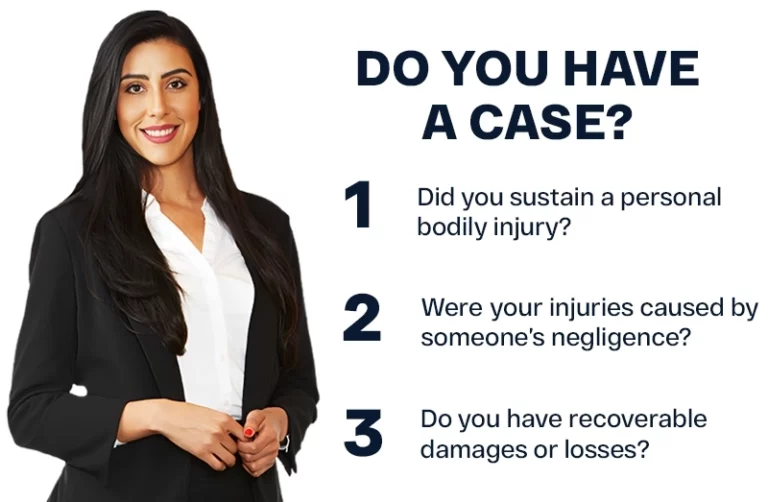
The injury alone is not the sole basis of a valid premises liability claim in Berkeley. It is based on specific factors, including the responsible party recognizing hazardous conditions but failing to warn about them. You may be eligible for a premises liability claim if:
- A dangerous property condition existed.
- The defendant owned or controlled the area.
- They knew or should have known about the hazard.
- They failed to repair or warn you about it.
- Their action or inaction caused actual harm.
Many Berkeley cases depend on notice. Claimants usually need to prove that the owner or controller created the danger, knew about it, or would have found it through a reasonable inspection.
A spill on the floor, a loose handrail, a broken gate, poor lighting, ongoing water leaks, or a worn balcony all count as key evidence. That can matter far more than a general claim that the property was “unsafe.”
You may have a premises liability case if your injury came from conditions such as:
- Slippery floors or entryways.
- Uneven sidewalks or parking lot defects.
- Unsafe stairs, railings, balconies, decks, or walkways.
- Falling merchandise or collapsing fixtures.
- Negligent security in apartments, garages, or businesses.
- Dog attacks on private property.
- Pool hazards.
- Toxic exposure, mold, smoke, or chemical conditions in a building.
California law does not treat every visitor exactly the same in every premises liability case. Instead, the scope of the owner’s responsibility usually depends on why the person was on the property and what happened.
In general, property owners and others who control the premises must use reasonable care toward lawful visitors, including:
- Customers
- Tenants
- Guests
- Delivery Workers
- Other Lawful Visitors
Trespasser cases are more limited, but they are not automatically barred. Whether a trespasser may still have a claim can depend on factors such as:
- Whether the property owner could reasonably expect people in that area.
- The nature of the hazard.
- Whether the risk was serious and foreseeable.
- The specific facts surrounding the incident.
Children may receive added protection in some dangerous-condition cases, even if they entered without permission. That can become especially important when:
- Young children were likely to enter the area.
- The property had an artificial condition or a dangerous feature.
- The condition created a serious risk of harm.
- The child was too young to fully understand the danger.
Whether you have a Berkeley premises liability case depends on more than the fact that you were hurt. The key questions are what dangerous condition existed, who controlled the area, whether that person or entity had notice of the hazard, and how the condition caused your injuries. A careful review of the facts can help show whether you may have a valid claim.
Who May Be Liable For A Berkeley Property Injury?
Liability in a Berkeley premises case depends on control, not just the street address. Property owners, business owners, landlords, or contractors may all share responsibility, depending on the situation.
The following parties may be liable in Berkeley premises cases:
- Commercial property owners and retail operators.
- Landlords and apartment owners.
- Residential tenants who controlled the hazard area.
- Property management companies.
- Maintenance or janitorial contractors.
- Security companies.
- The City of Berkeley or another public entity, when public property is involved.
Public property claims follow different rules. A city or other public entity may be responsible when a dangerous condition on public property creates a foreseeable risk of injury and the entity caused it, or had enough time to fix it or warn people about it.
If you were hurt while working on someone else’s property, there may be two separate claims to consider. You may have a workers’ compensation claim through your employer. You may also have a separate civil claim against a third party, such as a property owner, contractor, business, or property manager, who made the area unsafe. A Berkeley injury law firm can assess who created the danger, who controlled the property, and whether you may have grounds for one claim or both.
What Compensation May Be Available In Premises Liability Cases
Compensation in a Berkeley premises liability case usually depends on liability, injury severity, medical proof, and available coverage. If the claim succeeds, damages might cover the following:
- Medical expenses
- Future treatment costs
- Rehabilitation
- Lost income
- Reduced earning ability
- Pain and suffering
In fatal cases, eligible family members may recover damages through a wrongful death claim.
The value of the case depends on how serious the injury is, how clear the liability evidence is, whether the hazard was documented, how long recovery lasts, and whether you sustained permanent limitations.
What Our Premises Liability Lawyers In Berkeley Do
People looking for lawyers for premises liability in Berkeley often need help with proof, control, deadlines, and insurance pressure. Our team at Arash Law focuses on practical steps that move the claim forward.
Our team helps clients through the following actions:
- Identify who owned, leased, occupied, or controlled the property.
- Obtain incident reports, photos, witness statements, maintenance records, and available video.
- Check inspection records, rental housing complaints, or public property claim issues, as relevant.
- Organize medical records and document how the injury affected work and daily life.
- Respond to blame-shifting and low settlement offers.
- Prepare the claim for negotiation or, when needed, filing suit.
If you are thinking, “I need a personal injury lawyer,” Arash Law can help. Our California premises liability attorneys can assess your case and explain how we can help.

(No guarantee of outcome. Results displayed were dependent on unique facts of that case, and different facts will bring different results.)
Frequently Asked Questions
After an accident, victims often search for free advice from premises liability lawyers online. Before choosing counsel, many people want direct answers to the questions that actually affect a claim. These are some of the most common issues in Berkeley premises cases.
Can I Still Recover If I Was Partly At Fault?
Yes. California allows fault to be shared. However, your share of responsibility reduces your recovery. If the court finds you 20% at fault, you can recover only 80% of your total damages. That issue often arises when insurers argue that you ignored an obvious condition or were inattentive.
Can I Sue The City Of Berkeley For A Dangerous Sidewalk Or Public-Property Hazard?
Yes, potentially. The Government Code allows claims for dangerous conditions of public property when they meet the required elements. However, you must submit an injury claim against the city within six months of the incident.
What If My Child Was Hurt At An Apartment Complex, Pool, Or Other Property In Berkeley?
A child can still have a valid claim. Property owners face more responsibility if a dangerous condition might attract kids. These cases need quick investigation. The scene can change rapidly, and child injuries might be worse than they seem.
What If I Was Hurt While Working On The Property?
You may have a workers’ compensation claim through your employer. You may also have a third-party civil case if someone other than your employer controlled the dangerous property condition. That issue comes up in delivery, maintenance, construction, and vendor work.
Do Lawyers Only Get Paid If They Win?
Yes, if they work on a contingency fee basis. That means the attorney’s fees are not billed up front. They are taken as a percentage of the compensation recovered on your behalf. Ask your premises liability lawyer in Berkeley to review the fee agreement and costs before you sign anything.
Speak With Berkeley Premises Liability Lawyers About Your Rights
Unsafe property cases are rarely just about the fall, the stairway, a dog attack, a broken railing, or the poorly lit entry itself. The real questions are: Who controlled the property? Did they know about the hazard? What records exist? How serious is the injury? And what deadline applies?
In Berkeley, sidewalks, transit stops, dense rental buildings, student areas, and mixed-use blocks can quickly complicate a claim.
If you were hurt and need guidance from a premises liability lawyer in California, you can call Arash Law at (888) 488-1391. We offer free initial consultations!
Our Berkeley personal injury attorneys represent clients from Berkeley neighborhoods and the rest of California, including:
- Downtown Berkeley
- North Berkeley
- South Berkeley
- West Berkeley
- Elmwood
- Claremont
- Northside
- Southside
- Berkeley Hills
- Thousand Oaks
- Westbrae
- Fourth Street