TL;DR: Most truck accidents occur on major freight routes, freeways, intersections, and rural highways where speed, congestion, or poor visibility increase crash risk. Drivers and passengers typically face severe injuries. Liability often involves fatigue, maintenance, or cargo issues, and evidence can fade quickly after a crash.
Highlights:
- Seek follow-up medical care even if symptoms appear later.
- Organize medical records, bills, and treatment notes in one place.
- Document symptoms daily, including pain levels and activity limits.
- Request copies of police reports and crash-related documents.
- Avoid recorded statements when providing statements to insurers.
- Save repair estimates, receipts, and proof of lost income.
- Track deadlines: two years for injury, six months for government claims.
Tip: Stick to clear facts in all communications and avoid guessing about speed, fault, or what happened.
Table of Contents
Most truck accidents occur on major freight routes, congested freeways, busy intersections, and rural highways. Many crashes also happen along port corridors where large commercial trucks share space with smaller vehicles. In California, high-risk areas include the I-5, SR-99, I-10, I-15, and I-80. Others include Southern California routes tied to the ports of Los Angeles and Long Beach.
Truck crashes can happen for various reasons depending on the location. Urban routes create risks from congestion, merging traffic, tight turns, and frequent stops. Rural highways pose dangers such as high speeds, poor lighting, fog, and longer emergency response times. In such incidents, determining liability can be complex. Several factors may be involved, including driver fatigue, speeding, improper cargo loading, mechanical failure, poor maintenance, and violations of safety regulations.
Why Do Truck Accidents Happen In California?
Truck accidents happen in both urban and rural areas of California because the state has some of the busiest thoroughfares in the country. Many trucks travel through these roads every day to move goods between cities, farms, and ports. Below is a comparison of urban and rural areas, including the factors that lead to accidents in both:
| Factors | Rural | Urban |
|---|---|---|
| Speed of travel | Vehicles often travel at high speeds with fewer stops. | Traffic is slower, but sudden stops and stop-and-go driving are common. |
| Road infrastructure | Roads may be narrow, poorly maintained, and have limited signage or lighting. | Roads are more developed, but they can be narrow for large trucks and have complex intersections. |
| Traffic conditions | Less traffic, but long stretches of empty road can lead to fatigue. | Heavy traffic, frequent congestion, and lane changes. |
| Visibility and lighting | Less lighting and poor visibility, especially at night or in foggy rural stretches of road. | Better lighting overall, but visibility can be blocked by buildings, traffic, or crowds. |
| Driver fatigue | Long, straight roads can make drivers tired or sleepy. | Stop-and-go traffic can also cause stress and fatigue. |
| Common distractions | Animals crossing roads and long, monotonous driving conditions. | Pedestrians, cyclists, signs, landmarks, and busy surroundings. |
| Crash types | High-speed head-on crashes are more common because there’s often no divider between opposing lanes. | More rear-end and intersection crashes due to congestion and lane changes. |
When Do Truck Accidents Happen Most?
According to the National Highway Traffic Safety Administration (NHTSA), around 62% of fatal large truck accidents in 2024 happened during the daytime. Still, driving at night presents its own risks. Truck crashes also peaked in the summer and early fall, with October frequently mentioned as the month with the highest risk.
Do More Truck Accidents Happen In Urban Or Rural Areas?
Both urban and rural roads pose serious risks of truck crashes. These dangers exist for different reasons. For example, urban areas frequently experience minor truck accidents due to traffic congestion. In contrast, fatal crashes are more common in rural areas because big rigs often travel faster there.
Urban crashes involve complex intersections, pedestrians, bicyclists, warehouse traffic, delivery routes, and tight turning areas. These crashes can happen near ports, industrial zones, commercial districts, and freeway interchanges. In these cases, truck accident lawyers need to review evidence, such as traffic camera footage, black box data, and eyewitness statements, to identify who may be at fault.
Meanwhile, rural crashes often happen at higher speeds. Roads in these areas have less lighting and longer emergency response times. Poor shoulders, fatigue, fog, and two-lane roads also contribute to these accidents. The Federal Motor Carrier Safety Administration (FMCSA) reported that about 54% of fatal large-truck crashes occurred in rural areas in 2022.
That does not mean rural roads have more total truck crashes in every state or county. It means rural roads play a large role in fatal truck crash patterns, especially where high speeds and limited road design leave drivers less room to recover from mistakes.
Which California Freeways Have A High Risk Of Truck Accidents?
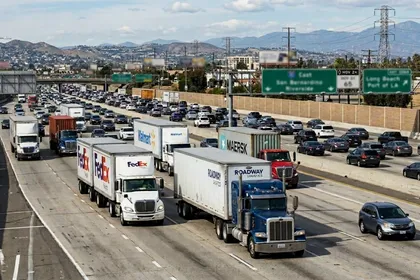
Truck drivers travel through busy cities, mountain passes, and long rural highways, all of which are accident-prone. The risk is even higher during rush hour due to heavy traffic and many large trucks on the road. In Southern California, truck traffic is especially heavy near ports, as well as farming, manufacturing, and distribution centers.
In 2023, the NHTSA reported that 371 large trucks were involved in fatal collisions across California. This figure reflects how dangerous truck accidents can be on California roads, though it doesn’t capture non-fatal crashes. High-risk truck routes in California include the following:
- Interstate 5 (I-5): This interstate runs from the Oregon border to Mexico, making it a common route for trucks. It passes through the Central Valley, Sacramento, and Los Angeles. The “Grapevine” mountain section is dangerous due to steep climbs, sharp turns, and elevation changes. Fog in the Central Valley can reduce visibility, increasing the risk of accidents.
- State Route 99 (SR-99): This highway runs through Bakersfield, Fresno, and Sacramento, serving as a key route in California’s Central Valley. The road features older sections, narrow lanes, and limited shoulders, all of which increase the risk of accidents. Heavy traffic from farming and local transport adds to congestion.
- Interstate 10 (I-10): This interstate connects Los Angeles to Arizona and is a major route for cargo from the ports of Los Angeles and Long Beach. Heavy traffic in the Los Angeles area increases the risk of rear-end collisions involving large trucks. As the highway continues east, desert conditions can lead to driver fatigue and high-speed crashes.
- Interstate 15 (I-15): This interstate runs from San Diego to Las Vegas and is used by trucks, buses, and tourists. The Cajon Pass is one of the most dangerous sections due to its steep slopes. Trucks may lose braking control while descending or struggle to maintain speed while ascending. Strong winds in the area can also make large vehicles unstable.
- Interstate 80 (I-80): This interstate connects the San Francisco Bay Area to Nevada and is an important trucking route. It includes steep grades and heavy truck traffic. Weather conditions such as fog, rain, and snow can reduce visibility and increase the risk of accidents, especially for large commercial vehicles.
What Should You Do After A Truck Accident?
After a truck crash, focus first on safety, medical care, and evidence. Truck accident claims can involve several companies, insurance policies, and records that disappear quickly. Below are a few steps to consider taking in the days following the crash:
- Continue receiving medical care until you recover.
- Obtain copies of key evidence such as surveillance footage and police reports.
- Save medical records, bills, repair estimates, and wage-loss documents.
- Avoid giving recorded statements to the other party’s insurer before you fully understand your rights.
Get medical care even if you feel fine initially. Some truck crash injuries, like head trauma, spinal injuries, and internal injuries, may not seem serious at first. If you see a physical therapist or chiropractor, keep those records with the rest of your treatment file.
If there is evidence that someone else is at fault, victims may have a case. Some injured individuals consider seeking free advice from a truck accident lawyer to understand their legal rights in these situations.
Who May Be Responsible For A Truck Accident?
While truck drivers are often the focus of liability, other parties may be responsible in some cases. Another careless driver or a cargo loading company may share responsibility. Factors such as poor road conditions or faulty vehicle parts can also contribute to these accidents.
Potentially liable parties include:
- Truck Drivers: Drivers who speed, drive while distracted, drive while tired, or fail to yield the right of way may be responsible for the crash.
- Trucking Companies: Generally, these companies have third-party liability insurance for these accidents. However, it’s also possible that they can contribute to the accident if there is evidence that they:
- Pressure drivers to meet tight deadlines.
- Skip safety inspections.
- Hire unqualified or unsafe drivers.
- Cargo Loaders: Workers or companies may be liable if poor cargo loading led to the accident. This issue can occur when they overload the truck or fail to properly secure the freight, leading to cargo shifting during transport.
- Maintenance Companies: Their duties include inspecting or repairing critical systems, which can cause accidents if done incorrectly.
- Parts Manufacturers: They may contribute to mechanical failure and increase the risk of a crash.
- Public Entities: Government agencies responsible for road safety may share fault when dangerous conditions, such as poor road design, potholes, or missing signage, contribute to accidents. They may also be liable if a government vehicle, like a city bus, was involved in the crash.
A truck crash investigation should look beyond the obvious impact. The driver might have made the final mistake, but other factors often play a role as well. Company policies, poor maintenance, bad loading, or unsafe route planning can also contribute to a crash.
What Types Of Truck Accidents Cause Serious Injuries?
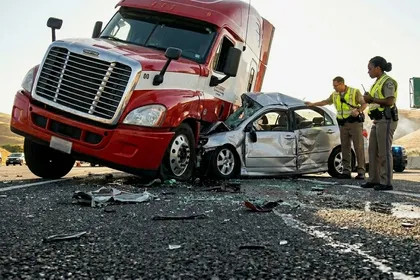
Head-on, T-bone, and underride collisions are some of the most common types of truck crashes that cause severe injuries. Truckers often get into these accidents due to factors such as a big rig’s heavy weight, high ground clearance, shifting cargo, and long stopping distances. These issues also increase the likelihood of serious injuries. This brief overview of crash types shows why:
- Head-on Collisions: These are among the most dangerous crashes. They occur when a truck collides head-on with another vehicle. They can lead to fatal injuries when excessive speeding is involved.
- T-Bone Crashes: These occur when a truck hits the side of another vehicle, usually at intersections. The occupants on the side where the impact occurs face the greatest risk.
- Underride Crashes: When a smaller vehicle slides under the truck’s trailer, its occupants can sustain catastrophic injuries such as head trauma, amputations, or death.
- Rear-End Collisions: These occur when a truck crashes into the vehicle in front, often due to delayed braking. Victims may suffer whiplash, back and neck injuries, or traumatic brain injuries (TBIs).
- Jackknife Crashes: These crashes happen when the trailer swings out at an angle, forming an “L” shape. It can sweep across lanes, causing collisions.
- Rollovers: Trucks can tip over during sharp turns or when carrying uneven loads. These crashes may involve only the truck or lead to collisions with other vehicles. They can cause crush injuries, amputations, or severe head trauma.
- Sideswipe Crashes: These occur when a truck hits the side of another vehicle, often during lane changes or in blind spots. They can result in a loss of vehicle control, leading to further injury.
- Wide-Turn Collisions: Trucks need extra space to turn and may trap vehicles beside them. Victims can suffer crush injuries, severe cuts, or internal organ damage.
Passenger vehicle occupants face the greatest danger in many truck-car crashes. When victims suffer serious injuries like TBIs or spinal cord injuries, they also face greater financial and personal losses. Severe head injuries may lead to permanent cognitive issues. Meanwhile, serious spinal cord damage can lead to temporary or permanent paralysis.
In cases involving catastrophic bodily harm, truck accident lawyers collaborate with medical and accident experts to evaluate the full impact of a victim’s injuries. This step helps them estimate a claim’s potential value more accurately.
What Compensation Can A Truck Accident Claim Include?
Compensation depends on the injuries, available evidence, insurance coverage, fault, and long-term impact. In California, injured victims can seek compensation for economic damages and non-economic damages.
Economic damages cover financial losses, such as:
- Medical bills.
- Future medical care.
- Lost income.
- Reduced earning ability.
- Rehabilitation.
- Medication and medical equipment.
- Vehicle damage and other property loss.
Non-economic damages cover personal harm, such as:
- Pain and suffering.
- Emotional distress.
- Loss of enjoyment of life.
- Scarring or disfigurement.
- Loss of companionship in qualifying cases.
Punitive damages are different. They punish extreme wrongdoing rather than compensate ordinary losses. Courts reserve them for limited cases involving conduct that goes beyond ordinary negligence.
For fatal incidents, eligible family members of victims can file a wrongful death claim. This legal action would allow them to pursue damages, such as:
- Funeral costs.
- Burial expenses.
- Loss of financial support.
- Loss of consortium.
Frequently Asked Questions About Truck Accident Cases
Understanding where truck accidents commonly occur in California can help drivers stay alert and reduce risk in those areas. However, once a crash actually happens, it’s natural to have more complex legal questions. Below are answers to some of the most common concerns victims have about these incidents.
How Long Do You Have To File A Truck Accident Claim In California?

Many California personal injury lawsuits must be filed within two years of the injury date. This statute of limitations applies to injury or death claims caused by another person’s wrongful act or neglect. However, there are exceptions:
- If the victim is a minor, the two-year time limit only begins when they turn 18.
- If a public entity may be responsible, such as a city, county, state agency, or public road authority, claimants must file a government claim within six months.
Do not wait until the deadline is close. Trucking evidence can disappear long before the filing deadline arrives.
What If You Share Fault For The Truck Accident?
If you share fault for the truck accident, your percentage of responsibility reduces your compensation. California uses pure comparative negligence. That means responsibility can fall on more than one party.
For example, if the evidence shows a truck driver was speeding, but another driver made an unsafe lane change, both sides may dispute fault. Evidence matters in these situations. Photos, video, truck data, witness statements, and crash reconstruction can affect how insurers and courts evaluate responsibility.
When Do I Need A Lawyer After A Truck Accident?
You may think, “I need a personal injury lawyer,” if the case is complex. That’s usually the case for truck accidents. They frequently involve multiple potentially liable parties, including trucking companies, drivers, and even third-party contractors. In these situations, negotiations and legal processes may take longer and require careful evaluation of evidence.
In addition, victims who suffer severe injuries often experience greater financial and personal losses that are difficult to measure fully. A truck accident lawyer can help assess the full extent of these damages to determine the compensation you may pursue.
What Evidence Can Support A Truck Accident Claim?
Evidence supporting a truck accident claim includes information that shows how the crash occurred and who may be responsible. These can include:
- Police reports.
- Photos and videos from the accident scene.
- Footage from nearby dashboard, traffic, or security cameras.
- Witness statements.
- Driver logs and hours-of-service records.
- Truck inspection and maintenance records.
- Electronic control module (“black box”) data.
- Cargo loading records.
- Cell phone records or metadata.
- Drug and alcohol test results (if available).
How Much Does It Cost To Hire A Truck Accident Lawyer?
The cost may vary depending on the case’s complexity and the lawyer’s fee structure. More complex cases require more time and resources, both of which can affect overall legal costs.
If you’re wondering, “Do lawyers only get paid if they win?” Many personal injury firms, such as Arash Law, use contingency fee arrangements. That means the attorney’s fee is paid from the potential recovery, not from an hourly bill. Before you sign anything, ask the firm to explain the fee agreement and what happens if there is no recovery.
Talk To AK Law About A California Truck Accident Claim
Truck accident cases depend on fast evidence preservation, careful fault analysis, and a clear record of injuries and losses. If a commercial truck crash injured you or a loved one, our truck accident lawyers can review the facts, explain possible claim options, and help you understand your next steps.
Call us at (888) 488-1391 to schedule a free initial consultation. Pay nothing up front.