TL;DR: Yes, you can be compensated if an Uber driver slammed on the brakes and caused injuries like whiplash or head trauma, even without a collision. Payment comes from the at-fault driver’s policy or Uber insurance coverage, and missing California’s 2-year deadline can leave you paying medical bills and lost wages.
Highlights:
- Screenshot your Uber trip receipt and driver details right away.
- Report the incident in the Uber app Safety section.
- Photograph seatbelt marks, interior contact points, and visible injuries.
- Get medical care promptly and keep all records and bills.
- Request the traffic collision report, or ask how to file one.
- Collect witness names, contact details, and any dashcam footage.
- Calendar key deadlines – California lawsuits are generally due within 2 years.
Tip: Save all app logs, texts, and notes about symptoms, and when you report the event, stick to facts and avoid guessing.
Table of Contents
Yes. You may be able to seek compensation if an Uber driver slammed on the brakes and the sudden stop caused your injuries. You do not always need a collision with another vehicle to have a claim. The key questions are whether the braking was unreasonable, whether it caused your injury, and which insurance policy applies. If you were on an active Uber trip, Uber insurance coverage or Uber passenger insurance may apply depending on fault and policy terms.
Who Is Liable When Your Uber Suddenly Brakes, And You Get Hurt?
Liability after a sudden braking incident depends on what caused the stop and whether any driver acted negligently. In some cases, the Uber driver may be responsible. In others, another driver may have caused the dangerous situation that led to the abrupt braking. Liability depends on what caused the sudden stop and which party’s negligence created the risk.
Potentially liable parties can include:
- Uber Driver: They may be liable if they were speeding, distracted, tailgating, or braking harshly without a valid emergency. Following too closely is illegal in California under California Vehicle Code Section 21703. If there is evidence that a driver was tailgating, that conduct may be considered negligence.
- Another Driver: Another motorist may be liable if they are negligent. For example, they cut off the Uber, stop abruptly, merge unsafely, or create a traffic hazard that triggers the sudden stop. Stopping suddenly or slowing down without signaling can be negligence, under California Vehicle Code Section 22109.
- Shared Fault Among Drivers Involved: If both the Uber driver and another driver contributed to the unsafe conditions that led to the sudden braking, they may share liability.
- Another Passenger Contribution (Rare): If a passenger interfered with the driver (for example, physically grabbing the wheel), that conduct can affect fault allocation.
Identifying the liable parties can be complicated, especially when multiple drivers or factors are involved. Some victims consider seeking free advice from an Uber accident lawyer to understand who may be responsible and what options they may have for pursuing a claim.
What Insurance May Apply To My Case?
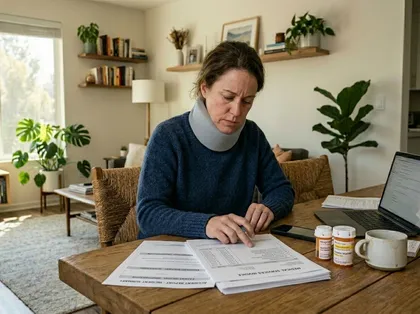
Depending on the circumstances, compensation may come from one or more insurance policies. Which policy applies will depend on who is found responsible for the accident.
If you’re unsure what happens if your Uber has an accident, understanding which insurance policy applies can make a major difference in how your claim is handled and paid.
Potential insurance coverage includes:
- Auto Liability Insurance: The policy that applies depends on who the at-fault driver is. This can be the Uber driver or another motorist. In California, all drivers must maintain minimum liability insurance coverage, which includes:
- $30,000 for injury or death to one victim.
- $60,000 for injury or fatality to more than one person.
- $15,000 for property damage.
- Uber’s Commercial Insurance Policy: Uber insurance coverage applies to passengers during active rides. When the passenger is in the vehicle, the following coverage applies:
- Up to $1,000,000 in liability coverage if the Uber driver is responsible for the crash or unsafe driving. This is a policy limit, not a guaranteed payout.
- Uninsured motorist coverage may apply if an uninsured driver causes a collision or if it is a hit-and-run, depending on policy terms.
- Underinsured motorist coverage is available if the at-fault driver has insurance, but not enough to cover your injuries fully.
California follows a pure comparative fault system. Under this legal doctrine, several parties can share liability for the same incident. Injured passengers may pursue compensation from each responsible party.
Uber accident attorneys rely on evidence such as trip records, dashcam footage, and witness statements when assessing who may be at fault. If you are a victim of such incidents, gathering evidence quickly can help support your claim.
Why Sudden Braking Leads To Uber Passenger Injuries And Losses
When an Uber driver suddenly hits the brakes, your body keeps moving forward. Nothing counteracts that momentum except your seat belt or the seat in front of you. This abrupt jolt can forcefully propel you forward, potentially causing serious injury. Rapid braking may lead to injuries such as whiplash, back strains, and head injuries, depending on the severity of the stop and what your body strikes.
While seatbelts help prevent more severe impacts, they can also cause injuries to the chest and shoulders due to the sudden restraint. These injuries can result in short-term pain or long-term issues like memory loss and concentration problems.
A serious accident can lead to medical bills, lost income, and other financial losses. In California, the at-fault person, business, or entity may be responsible for those damages. Comparative negligence may also affect how compensation is divided. Uber accident compensation may include:
- Car Accident Medical Expenses: Emergency care, hospital bills, physical therapy, medication, and future treatment costs.
- Lost Wages: Income lost while recovering or attending medical appointments.
- Reduced Earning Capacity: Compensation if your injuries affect your long-term ability to work.
- Non-Economic Damages: Covers intangible losses victims incur, if applicable. These may include compensation for emotional distress, trauma, and anxiety, among others.
- Rehabilitation Costs: Ongoing therapy, rehabilitation programs, or mobility assistance. This can include physical therapy and chiropractic treatment when medically appropriate.
- Out-of-Pocket Expenses: Transportation, medical equipment, and other injury-related costs.
If you face severe injuries, you might think, “I need a personal injury lawyer.” These cases often entail substantial losses that can be hard to quantify on their own. An Uber accident attorney could collaborate with medical and financial professionals to accurately document and substantiate the complete scope of damages.
What To Do To Protect Your Compensation Claim

Quick evidence preservation helps protect your claim because insurers evaluate liability and damages early. Gaps in medical documentation, app logs, or official reports may raise questions about your case.
Consider the following steps:
- Save Your Trip Receipt: Open the Uber app and take a screenshot of your trip confirmation. This evidence proves you were an active passenger at the time of the crash.
- Document the Scene: If you can, take photos of seatbelt marks, headrest/seat-back contact points, and any visible injuries.
- Report the Crash in the App: Go to Safety in the Uber app and report the incident. This action creates an official record with Uber.
- See a Doctor: Get medical attention even if you feel fine. Injuries like whiplash may not appear immediately, and a doctor’s visit creates a record that links your injuries to the crash. A rideshare accident attorney can use your medical records to support your claim.
- Get a Police Report: If law enforcement responded, request the traffic collision report. If they did not respond, ask how to file a report with the appropriate agency.
Frequently Asked Questions
Navigating a rideshare injury claim can be confusing, especially when you are hurt and do not know where to start. Below are answers to some common questions about these types of cases.
Can I Sue Uber Directly For My Injuries?
You can, but suing Uber directly isn’t always easy because its drivers are generally classified as independent contractors. This reality limits Uber’s direct liability for most driver actions. Uber is not always directly liable, but it can be held responsible when its own actions contributed to the risk. Here’s an example:
- Uber failed to properly screen a driver with a known history of reckless driving.
- That driver later causes an accident.
- Uber may share responsibility if there is evidence of negligent screening.
Do I Have To Pay For Medical Bills Before My Uber Claim Settles?
Medical bills may be paid by health insurance, MedPay (if available), or on a lien arrangement. Settlement funds are commonly used to repay medical costs and liens. However, the exact reimbursement depends on billing arrangements and the resolution of the claim.
How Long Do I Have To File An Injury Claim In California?
If you’re filing an insurance claim, the deadline depends on the specific policy, so it’s advisable to file it as soon as you can. Lawsuits have different deadlines. Under California’s statute of limitations, you have two years from the date of injury to file. However, the time limit may be extended under the state’s delayed-discovery rule.
If the injury manifested at a later date, the legal time limit may be adjusted depending on:
- The date of discovery.
- The date that the injury should have been reasonably discovered.
Missing the applicable deadlines for personal injury claims can affect your ability to pursue compensation.
What If The Uber Driver Denies Slamming On The Brakes?
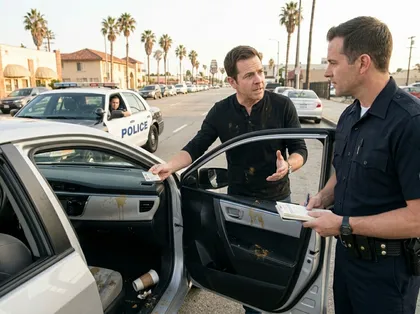
GPS data from the app, your medical records, and witness statements can all support your case. Medical records can confirm injuries consistent with a sudden stop, even if the driver disputes the events.
What If I Were Not Wearing A Seat Belt?
Not wearing a seat belt can reduce the financial damages you recover if it contributed to your injuries. This is because California follows comparative negligence. This rule reduces your compensation by your share of fault rather than barring your claim entirely. For example, if your injuries would have been less severe with a seat belt, the insurer may assign you a percentage of fault and reduce your recovery by that amount. Insurers will assess which injuries the seat belt would have prevented and allocate fault accordingly.
How Much Does It Cost To Hire An Uber Accident Lawyer?
The cost depends on the complexity of the case. If more time and resources are needed to handle the case, legal costs may increase. However, if you’re asking, “Do lawyers only get paid if they win?” the answer depends on the fee structure.
Most injury law firms, including Arash Law, work on a contingency fee basis. If this arrangement applies, the lawyer receives attorney’s fees only if there is a recovery in the case. California requires contingency fee agreements to be in writing and to include required disclosures.
Get Help From A Lawyer After An Uber Accident
After an Uber accident, dealing with the insurance process can feel overwhelming. Our Uber accident lawyers at AK Law have handled California rideshare cases and understand the laws that govern them. We preserve app and trip evidence, coordinate records, and handle insurer communications. Reach out to us at (888) 488-1391 to start your free initial consultation today.