TL;DR: Trucking company rapid response teams are defense groups that deploy after serious crashes to collect electronic data, inspect trucks, and build the carrier’s liability case. Injured drivers and passengers can lose access to black box data or witness proof, which can reduce insurance payouts or weaken a lawsuit.
Highlights:
- Get medical care fast and report every symptom, even delayed ones.
- Call 911 and confirm that law enforcement creates a crash report.
- Photograph vehicles, skid marks, debris, signals, weather, and nearby cameras.
- Capture the truck’s company name, trailer number, plate, and USDOT number.
- Get witness names and contact information before they leave.
- Save all insurer and trucking communications – texts, emails, forms, voicemails.
- Know deadlines: 2 years for injuries, 3 years for property damage, 6 months for government claims.
Tip: If an adjuster calls, stick to basic facts and follow up in writing to preserve an accurate record.
Table of Contents
Trucking companies may send rapid response teams to a serious crash scene within hours. These teams often include lawyers, investigators, insurance representatives, and accident experts. They gather evidence for the trucking company, not for the injured person.
While you are getting medical care, the company’s team may already be photographing the scene, speaking with witnesses, inspecting the truck, and reviewing electronic data. That early evidence can affect fault, insurance disputes, and the value of an injury claim.
If you were hurt in a truck accident, your priority should be your health. When it is safe, preserve photos, witness details, medical records, and communications from insurers. A lawyer can also send preservation letters to help protect truck data before it is deleted, overwritten, repaired, or lost.
Why Do Truck Companies Have Rapid Response Teams?
Rapid response teams handle serious crashes quickly. These teams may include investigators, accident experts, lawyers, and insurance staff. Their role is tied to the truck company’s need to investigate serious accidents, document conditions promptly, and address potential liability issues as early as possible.
Some reasons these teams exist include:
- Truck crashes often cause serious injuries, and it can be hard to figure out what happened quickly.
- Key evidence can disappear, change, or become harder to find if it is not collected early.
- Trucking companies must follow federal safety rules, so rapid response teams may review driver logs, inspection records, maintenance history, cargo records, and other details to see whether those rules were followed.
- These cases often involve large insurance claims for the truck, the driver, and, sometimes, the cargo.
- More than one party may be involved, such as the driver, trucking company, contractors, or maintenance teams.
These teams gather information early so the trucking company can understand the crash, notify insurers, prepare its defense, and limit preventable evidence gaps.
Evidence That Trucking Company Rapid Response Teams Prioritize
Timely and clear evidence is very important in truck accident cases. Unlike regular car crashes, commercial truck crashes store a lot of data that can help explain what happened and who may be at fault. If this information is not saved early, it can be lost or overwritten.
For injured people, this evidence can help answer important questions: Was the driver too tired to drive safely? Did the company skip maintenance? Was the cargo loaded improperly? Did the truck’s electronic data support or contradict the defense story?
Unlike regular car crashes, commercial truck crashes trigger internal investigations and legal procedures. Knowing what happens when a trucker gets into an accident can help injured people understand why defense teams move so quickly.
Truck company rapid response teams may focus on the following evidence:
- Electronic Logging Device (ELD) Records: These show how long the driver was on the road. Records generally include rest breaks taken or hours-of-service violations.
- Accident Reconstruction Analysis: Explains how the crash likely happened using physical evidence.
- Truck Inspection and Maintenance Records: These may state whether the truck was safe or had mechanical issues.
- Black Box: This device can record speed, braking, and movement right before the crash.
- Cargo Records: These indicate the cargo and whether the load was too heavy or unsafe.
- Photos and Police Reports: These documents provide important details from the accident. They may show damage, road conditions, and vehicle positions.
- Video Footage: This digital evidence may come from dashcams or traffic cameras. The footage can illustrate what happened during the crash in real time.
- Witness Statements: People who saw the crash or what happened before and after can share what they noticed. These accounts can help support a case by offering different perspectives.
- Driver Training Records: These reveal whether the driver was properly trained and qualified.
Rapid response teams review evidence to understand what caused the crash. The same information can also be important for truck accident lawyers. Both sides may use these records to help determine who is responsible and what damages were caused.
Why Truck Data Can Disappear Quickly
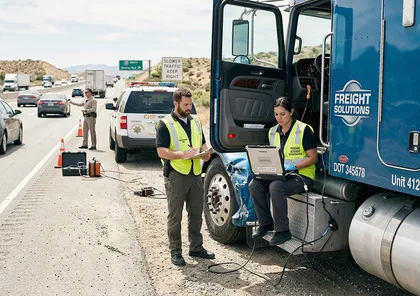
Truck data and other evidence can disappear for several reasons. Some limits come from normal business and tech systems. Others arise from storage rules or timing.
- Electronic systems like black boxes and ELDs can overwrite old data over time.
- Trucks are often repaired and returned to service, which may affect stored information.
- Video footage may be deleted automatically after a set storage period.
- Paper records and reports can be lost, damaged, or misplaced during routine operations.
- Witness memories can fade or become less accurate over time.
Some records also have set retention periods. For example, the Federal Motor Carrier Safety Administration (FMCSA) generally requires carriers to retain ELD record-of-duty-status data and supporting documents for six months. After that, certain data may no longer be available unless it has been formally preserved.
Truck accident attorneys often act quickly because photos, truck data, inspection records, video footage, and witness details may become harder to find as time passes. Lawyers may use a spoliation letter to ask the trucking company to preserve evidence that could otherwise be deleted, repaired, overwritten, or lost.
What Is A Spoliation Letter?
A spoliation letter is a legal notice a lawyer sends after a truck accident. It asks the trucking company to keep all important evidence and not delete or destroy it. It also tells the company that a legal claim or lawsuit may be likely. This often leads the company to put a hold on important information.
These can include:
- Driver logs and qualification files.
- Truck maintenance and inspection records.
- Drug and alcohol test results.
- GPS and dispatch records.
- Electronic data from the truck (like the “black box” or ELD data).
- Photos, videos, and crash reports.
The duty to keep evidence usually begins when a lawsuit becomes likely, not when the company receives a letter. If the company loses or destroys evidence after that point, a court may issue penalties based on the facts of the case.
How Rapid Response Teams Can Affect Fault Disputes
Rapid response teams can affect how the fault is investigated and disputed. They may gather evidence that supports the trucking company’s side of the story. They may focus on facts that shift blame to the victim, another driver, bad weather, traffic conditions, or an unavoidable emergency.
California negligence law looks at whether someone failed to use reasonable care and caused harm. California Civil Code Section 1714 states that people are responsible for injuries caused by their failure to exercise ordinary care. Still, the state also follows a pure comparative negligence rule, allowing parties to share liability.
In a truck accident case, that means the evidence must answer questions such as:
- Was the truck driver speeding, distracted, fatigued, impaired, or following too closely?
- Did the trucking company hire or properly train the driver?
- Did the company push unsafe schedules?
- Did poor maintenance contribute to the crash?
- Did cargo loading create a hazard?
- Did the injured person do anything the defense can use to argue shared fault?
The crash survivor’s side often needs enough evidence to challenge an incomplete or one-sided defense narrative.
What Should Victims Do When The Trucking Company Is Already Investigating?
Your priority should be your health. Do not risk your safety to collect evidence. If you can act safely, focus on keeping proof of what happened. That evidence can help protect your side of the story before the trucking company’s version becomes the main record of what happened.
Take these steps if possible:
- Get Medical Care: Tell doctors about all symptoms, even if they seem minor at first.
- Report the Crash: Call 911 and make sure law enforcement documents the collision.
- Photograph the Scene: Capture vehicle positions, damage, debris, skid marks, road signs, lane markings, traffic signals, and weather conditions.
- Identify the Truck: Save photos of the truck, trailer, company name, license plate, and United States Department of Transportation number.
- Get Witness Information: Ask for names and contact details before witnesses leave.
- Avoid Fault Statements: Do not guess, apologize, or explain the crash before all evidence is reviewed.
- Save Communications: Keep letters, emails, texts, claim forms, and voicemails from insurers or trucking representatives.
If your injuries prevent you from doing these things, ask a family member, friend, or trusted person to help. Some injured people also seek free advice from a truck accident attorney to understand which evidence to preserve, which statements to avoid, and which deadlines may apply.
How Medical Records Protect Victims When The Defense Moves Fast
Rapid response teams focus on the fault, but injured people also need records documenting their injuries and how those injuries affected their lives. The defense may argue that your injuries were minor, unrelated, delayed, or caused by something else.
Medical records help connect the crash to your injuries. They can show when symptoms started, what doctors found, what treatment you needed, and how the injuries affected your daily life.
Save records from:
- Emergency care and hospital visits.
- Primary care doctors and specialists.
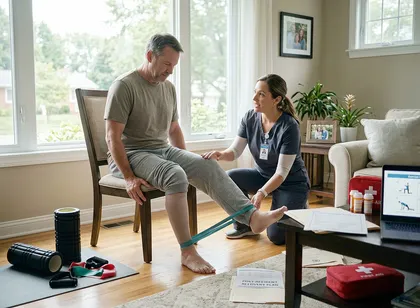
- Physical therapy and chiropractic care (if recommended).
- Imaging appointments like X-rays, CT scans, or MRIs.
- Mental health treatment (if the crash caused anxiety, trauma, or sleep problems).
Do not exaggerate symptoms, but do not minimize them either. Clear, consistent medical reporting helps protect victims from defense arguments that the crash did not cause serious harm.
How A Lawyer Can Help Counter A Rapid Response Team
If you are thinking, “I need a personal injury lawyer” after a truck crash, the reasons often come down to evidence, timing, and the complexity of commercial trucking claims. When a rapid response team is already working for the trucking company, a lawyer may help preserve evidence that shows what happened, who may be responsible, and how the crash affected you.
A truck accident lawyer can help by:
- Sending preservation letters quickly.
- Identifying which companies control key records.
- Requesting electronic truck data.
- Locating dashcam or surveillance footage.
- Hiring accident reconstruction experts.
- Reviewing driver logs and maintenance files.
- Investigating whether federal safety rules were violated.
- Handling insurer communications.
- Identifying all liable parties.
- Calculating damages based on medical care, lost income, and future needs.
That does not guarantee an outcome. It does help prevent the trucking company’s rapid response team from becoming the only side that collected evidence early.
FAQs About Trucking Company Rapid Response Teams
Truck accident victims in California often have questions about their legal rights, particularly when rapid response teams are involved. Below are answers to some of the most common questions.
Are Trucking Company Rapid Response Teams There To Help The Victim?
No. Rapid response teams usually work for the trucking company, insurer, or defense side. Their job is to protect the company’s interests after a serious crash, including issues involving liability, cargo, vehicle damage, insurance exposure, and other losses.
That does not mean they are doing anything improper. It means their priority is not the injured person’s recovery. Claimants should focus on medical care, documentation, and the protection of evidence that may support their claim.
How Long Do Victims Have To Act After A Truck Crash?

In California, personal injury lawsuits generally have a two-year deadline from the date of injury. Property damage claims generally have a three-year deadline. Claims involving government agencies can involve different and earlier requirements.
If a government truck or dangerous public road condition is involved, California Government Code Section 911.2 can require a written claim within six months for injury, death, or personal property damage claims against a public entity.
Should I Talk To The Trucking Company’s Insurance Adjuster?
You can provide basic identifying information, but you should be careful with recorded statements. An adjuster might ask about fault, speed, injuries, past medical history, or how you feel. That can happen before you have all the facts. A short statement made while you are in pain, confused, or medicated can create problems later. It is reasonable to get legal guidance before giving a detailed statement.
What Should I Photograph After A Truck Accident?
If it’s safe, take photos of the vehicles, the road, debris, skid marks, traffic signs and signals, weather, visible injuries, and nearby cameras. Photograph the truck’s company name, trailer number, license plate, and USDOT number. Do not enter unsafe areas, touch truck equipment, or interfere with police. Your safety comes first.
Can A Trucking Company Delete Black Box Data?
Truck data can be overwritten, lost, or affected by routine operations if no one preserves it. Once a company has notice that a claim is likely, it may have a duty to preserve relevant evidence. Truck accident lawyers often send spoliation letters to prevent the destruction of evidence that may support their clients’ claims.
How Much Does It Cost To Hire A Truck Accident Lawyer In California?
The cost depends on the lawyer’s fee agreement and the complexity of the case. Truck accident claims can require accident reconstruction, electronic truck data, expert review, and detailed records requests.
Many people ask, “Do lawyers only get paid if they win?” Many personal injury lawyers use contingency fee agreements. Under this arrangement, the lawyer is paid from the recovery if the case is successful. Fee terms can vary, so ask how attorney fees, case costs, and reimbursements work before signing.
Protect Your Side Of The Story After A Truck Crash
A trucking company’s rapid response team can start protecting the carrier within hours of a serious crash. Victims deserve their own evidence strategy. Medical records, photos, witness details, truck data, preservation letters, and early legal guidance can help prevent the company’s version from becoming the only version.
If you were injured in a commercial truck accident, AK Law can explain your legal options and help preserve evidence that may support your claim. Our truck accident lawyers can review deadlines, request key records, and help you understand the next steps. Call us at (888) 488-1391 for a free case review.