TL;DR: The consequences of not stopping after an accident in California include criminal penalties, fines, jail or prison, license revocation, DMV points, and civil liability. Injured victims may pursue compensation through an insurance claim or a lawsuit. Strict reporting and filing deadlines apply, so early legal guidance is important.
Highlights:
- File a police report within 24 hours of the hit-and-run crash to preserve your claim eligibility.
- Submit a sworn statement to your insurer within 30 days of the accident for uninsured motorist coverage.
- Document the fleeing car’s physical contact with you or the vehicle you were occupying to support a UM claim.
- Understand that fleeing does not automatically prove fault, but it may serve as circumstantial evidence of wrongdoing.
- Know that punitive damages may be awarded on top of compensatory damages to punish the driver’s conduct when clear and convincing evidence establishes oppression, fraud, or malice.
- Consider consulting an attorney, particularly if you were injured or when liability or coverage is disputed.
Tip: Take photos, save dashcam footage, and give police and insurers only clear, factual details you personally observed.
Table of Contents
In California, failing to stop after an accident can lead to serious consequences, including criminal charges, jail time, and fines up to $10,000. Additionally, offenders risk losing their driver’s license. It also leads to civil liabilities and negatively impacts insurance standing.
All drivers need to stop at the scene of an accident, regardless of who is at fault or whether there are injuries or only property damage.
Understanding your rights to seek compensation for medical expenses, lost income, and other losses, even if the other driver leaves the scene, is crucial for your recovery.
What Are The Consequences Of A Hit-And-Run In California?
California law sets two levels of criminal charges for drivers who leave the scene of a crash. For accidents involving property damage, the driver faces a misdemeanor, a less serious criminal charge under California Vehicle Code (CVC) § 20002. If someone was injured or killed, the driver faces a “wobbler” offense under CVC § 20001, which prosecutors can charge as either a misdemeanor or a felony. A felony is a more serious crime that can lead to state prison time.
The charge depends on the outcome of the crash, not on who was at fault.
Property Damage Only: Misdemeanor Hit-And-Run
If a driver damages your vehicle or other property and leaves without exchanging information, the driver may face a misdemeanor hit-and-run charge under CVC § 20002.
Potential penalties include:
- Up to six months in county jail.
- A fine of up to $1,000.
- Court-ordered restitution for qualifying economic losses, depending on the conviction, sentence, and connection between the loss and the criminal conduct.
- Probation, community service, or other court-imposed conditions.
If your parked vehicle was hit, the driver must leave a visible note with identifying information and notify law enforcement without unnecessary delay.
Injury Or Death: Felony Hit-And-Run
California law requires every driver in a crash to stop at the scene. Drivers must share their name and contact information and offer reasonable aid to anyone hurt. This duty applies regardless of who caused the crash. Leaving without fulfilling these obligations is a criminal act, even if the other driver was entirely at fault.
When you or another person is injured, the driver must stop immediately, provide identifying and insurance information, and render reasonable assistance. This may include calling emergency services or arranging transportation for medical treatment.
Leaving the scene of an injury accident may be charged as either a misdemeanor or a felony under CVC § 20001. Evidence gathered during the criminal investigation may also be relevant to a civil claim.
Potential penalties include:
- Up to one year in county jail or, if treated as a felony, a state prison sentence for an accident involving injury.
- A fine ranging from $1,000 to $10,000.
- Two, three, or four years in state prison when the accident causes death or permanent serious injury.
- An additional five-year prison enhancement in certain vehicular-manslaughter cases.
The criminal charge a driver faces is tied to the harm caused, not who was responsible for it. A criminal charge alone does not establish liability.
Does A Hit-And-Run Affect A Driver’s License And Insurance?
A hit-and-run conviction in California can result in DMV points, license revocation or suspension, and increased insurance costs in addition to criminal penalties. The severity of these consequences depends largely on whether the crash caused only property damage or involved injury or death.
License Suspension Or Revocation
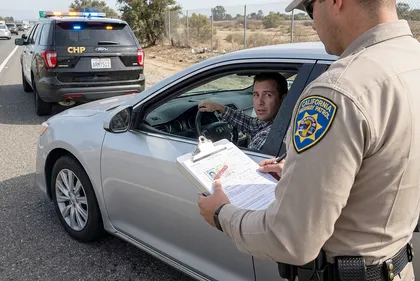
A conviction of a hit-and-run leading to property damage, injury, or death can add two points to the driver’s DMV record.
A § 20001 (hit-and-run leading to injury or death) conviction requires license revocation, and the DMV cannot reinstate driving privileges for at least 1 year. Reinstatement also requires proof of financial responsibility, typically provided by an SR-22 insurance certificate.
A § 20002 (hit-and-run leading to property only) conviction does not require automatic suspension. However, a court may suspend the license for up to six months, and the DMV separately has discretion to suspend it. The conviction’s two points may additionally contribute to a negligent operator action. Accumulating four points in 12 months, six points in 24 months, or eight points in 36 months generally results in a one-year probation that includes a six-month suspension, subject to the driver’s hearing rights.
Insurance Premiums And Coverage
Since a hit-and-run conviction adds two points, the driver may lose eligibility for California’s Good Driver Discount and face higher premiums. If the conviction results in license suspension or revocation, the insurer may also have grounds to cancel the policy under certain circumstances. The precise effect depends on the driver’s record, insurer, approved rating plan, and policy status.
Most two-point convictions, including hit-and-run, remain on a California DMV public driving record for 7 years from the date of the violation. A conviction may therefore have lasting insurance consequences for several years after the incident.
What Should You Do Immediately After A Hit-And-Run?
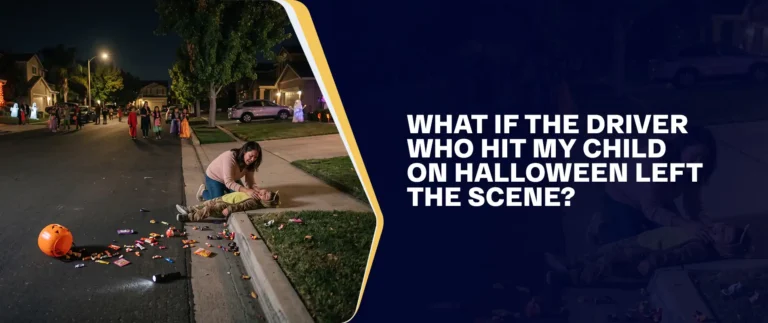
If you were hit by a driver who fled the scene, prioritize reporting the incident and seeking medical attention. Taking immediate steps after a hit-and-run can help protect both your health and your ability to recover compensation later.
If you’re still at the scene, follow these recommended steps:
- Call 911 to report the crash and request medical attention if anyone is injured, even if injuries seem minor at first.
- Try to safely note the fleeing vehicle’s license plate, color, make or model, and direction of travel.
- Look for witnesses and ask for their names and contact information before they leave.
- Check for nearby surveillance cameras or dashcam footage that may have captured the crash.
- Seek medical evaluation as soon as possible, even if you feel fine.
- Notify your insurance company promptly.
- Keep in mind the 24-hour police report and the 10-day SR-1 report deadlines.
The SR-1 is a separate DMV report — not the same as a police report. SR-1 reporting is required whenever a crash causes an injury, death, or more than $1,000 in property damage. Missing it can lead to license suspension.
These same steps apply whether you were in a vehicle, riding a bike, or walking as a pedestrian when you were hit.
Can You Recover Compensation If A Driver Hit You And Fled The Scene?
You may still recover compensation if a driver hits you and flees the scene. If the driver is identified, you may pursue a claim against the driver or their insurer and, when appropriate, file a personal injury lawsuit. If the driver cannot be identified, your uninsured motorist coverage may compensate you for qualifying injuries and losses. Eligible family members may also pursue a wrongful death claim if the accident results in death.
The types of damages (compensation for your losses) you may be able to recover include:
- Medical Expenses: Hospital bills, surgeries, chiropractic care, medications, and future treatment.
- Property Damage: Repair or replacement costs for your vehicle.
- Lost Wages: Income you lost while recovering, and any wages you may lose in the future.
- Pain and Suffering: Money for physical pain and emotional distress from the crash.
Punitive damages may be available in some hit-and-run cases, but they are not automatically awarded simply because the driver fled. California law requires clear and convincing evidence that the driver acted with oppression, fraud, or malice, including despicable conduct carried out with a willful and conscious disregard for another person’s safety.
For example, evidence that a driver knowingly abandoned a seriously injured person without seeking assistance may be relevant to a punitive damages claim. Whether punitive damages are available depends on the driver’s knowledge, actions, and the specific circumstances surrounding the accident.
Your civil case is separate from any criminal case. Criminal courts require proof “beyond a reasonable doubt.” Civil courts use a lower standard. This means you may still be able to seek compensation, even if the driver is never convicted of a crime. You may still be able to recover compensation even if the driver is never charged, depending on the circumstances of your case.
Likewise, a hit-and-run charge does not automatically prove that the fleeing driver caused the original collision. Fault must still be established through evidence such as:
- Witness statements
- Vehicle damage
- Surveillance recordings
- Dashcam footage
- Police findings
- Accident reconstruction
If the driver is convicted of a crime, that conviction can support your civil personal injury claim.
How Injured Victims Can Recover Compensation After A Hit-And-Run
If the driver who hit you is never found, your own Uninsured Motorist (UM) coverage may be your main path to compensation. UM coverage is a part of your auto insurance policy that pays for your injuries when the at-fault driver cannot be identified. If the driver is found later, you can file a civil lawsuit (a legal claim for money damages filed in civil court) against them, no matter what happens in criminal court.
Under California Insurance Code § 11580.2, your UM coverage can pay for your injuries if the driver who hit you is never found. UM coverage can pay for your medical bills and lost wages up to your policy limits.
To use it when the driver who hit you remains unidentified, you must meet three strict requirements:
- The unknown vehicle must make physical contact with you or with the vehicle you are occupying.
- You must file a police report within 24 hours of the crash, or your claim may not be valid.
- You must file a sworn statement with your insurer within 30 days of the accident. Missing this deadline can result in unnecessary legal complications.
Missing the 24-hour report or 30-day sworn-statement requirement may jeopardize an unidentified-driver UM claim, so comply with both requirements whenever possible and review the policy promptly.
It’s important to remember that Uninsured Motorist (UM) coverage is not mandatory. While insurance providers in states like California are legally required to offer UM coverage when a policy is purchased, drivers have the right to decline it. A written rejection may eliminate UM bodily injury benefits under that policy. Vehicle damage is governed separately by any applicable collision or uninsured-motorist property-damage coverage and its own terms.
Many people seek free advice from a hit-and-run attorney because these claims involve UM insurance rules, a strict physical contact requirement, and a civil lawsuit, all at the same time. Getting this right requires legal guidance.
The hit-and-run accident attorneys at Arash Law have helped victims injured by hit-and-run and uninsured drivers.
- $1,750,000 — Our client was struck by an uninsured driver while crossing a dangerous intersection. We successfully held the city accountable for failing to address the safety risks at that location, ensuring justice for our client.
- $1,000,000 — Our client, a dedicated rideshare driver, was involved in a hit-and-run incident. After extensive arbitration, we secured the highest policy limits just before the trial.
- $1,700,000 — Our client, a 79-year-old woman, was struck in a hit-and-run while crossing in a crosswalk. The defense tried to shift blame onto her but agreed to a fair resolution weeks before trial.
Disclaimer: Results displayed were dependent on the unique facts of each case, and different facts will bring different results. Past performance does not guarantee future results, nor does it guarantee case outcomes.
Frequently Asked Questions
After a hit-and-run, it is normal to feel overwhelmed and unsure of what to do next. You may have questions about your insurance, your rights, and whether you can afford legal help. Here is what you need to know.
What Happens If You Do Not Stop After A Minor Car Accident?
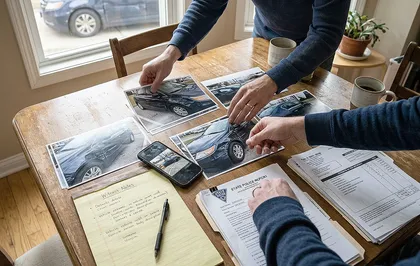
Leaving the scene of even a minor property-damage collision can result in criminal penalties. The victim may also pursue a civil claim, but liability for the original damage still depends on fault, causation, and proof.
California law requires every driver to stop after any crash that causes property damage, no matter how small.
Does A Hit-And-Run Affect My Insurance Rates If I’m Not At-Fault?
If you were not at fault, California law prohibits your insurer from raising your rates. Under California Insurance Code Section 1861.02 and related Department of Insurance regulations, your insurer generally cannot surcharge your policy or raise your rates solely for an accident where you were not at fault.
Can You Recover For Injuries Worsened By The Driver’s Failure To Help?
If the driver leaves without calling for help and that delay causes your condition to worsen, you may be able to seek compensation for the additional harm. Recovering these damages generally requires evidence connecting the delay in receiving assistance to the worsened injury or death.
What Deadlines Apply To Hit-And-Run Claims?
California generally gives injured victims two years to file a personal injury lawsuit and three years to pursue a claim for property damage. If the driver is unknown, the lawsuit may identify them as “John Doe” while efforts continue to determine their identity.
For a UM claim, the victim generally must take qualifying action within 2 years, such as filing a lawsuit against the responsible driver, reaching an agreement with the insurer, or initiating written arbitration.
These deadlines apply in addition to, not instead of, the shorter 24-hour police report and 30-day sworn statement requirements for uninsured motorist claims described above.
When Should I Decide I Need A Personal Injury Lawyer?
If you are thinking, “I need a personal injury lawyer,” the best time to call is right after you get medical care. Acting sooner helps preserve key evidence, such as surveillance footage, witness accounts, and crash records.
What Evidence Should I Gather If The Other Driver Fled?
Start collecting evidence as soon as you can, including the following:
- Photos: Take pictures of your vehicle, the scene, and any visible injuries.
- Witness Information: Write down the names and contact details of anyone who saw the crash.
- Police Report: File a report as soon as possible to establish an official record of the crash.
If you have already taken these steps, speaking with an attorney is the logical next move.
Know Your Legal Options After A Hit-And-Run Accident
After a hit-and-run accident, time matters. Evidence fades, witnesses move on, and filing deadlines approach faster than most people expect. If you were hurt and the driver fled, you have the right to pursue compensation, and you do not have to figure out how to do it on your own.
The attorneys at Arash Law are ready to help you understand your options and fight for the compensation you may be entitled to under California law. Our team handles cases on a contingency fee basis. You pay nothing unless we win your case.
Call us today at (888) 488-1391 for a free consultation. The sooner you call, the sooner we can start gathering evidence and protecting your rights.