TL;DR: Wrongful death in California is a death caused by another party’s negligence, recklessness, or wrongful act. Families usually have 2 years to file a lawsuit against a private party. If a government entity is involved, it usually requires filing a written administrative claim within six months, followed by a separate deadline to file a lawsuit.
Highlights:
- To file a wrongful death claim, you must prove that the defendant’s negligence directly caused the death.
- Check whether you are among the eligible parties who can file a wrongful death claim under California law, such as a spouse, heir, or dependent minor.
- You can file a wrongful death claim for damages such as funeral expenses and loss of companionship and guidance.
- Note that the statute of limitations for suing for wrongful death is two years from the date of your loved one’s passing.
- If your loved one was partly at fault for the fatal incident, you may still recover compensation through a wrongful death case, but the amount can be reduced based on their share of fault.
- Remember that immigration status does not bar an otherwise eligible person from filing a California wrongful death claim.
Tip: Keep detailed records of all accident-related evidence, medical documents, and communications from the other party, as these form the foundation of your claim and help preserve your case.
Table of Contents
In California, wrongful death means a person died because of another party’s wrongful act or neglect. This rule is clear. A wrongful death claim may exist when an actionable wrongful act caused the death, and the person filing qualifies under state law.
This rule applies to many types of incidents. That includes car crashes, workplace accidents, and premises liability. When another party’s wrongful conduct causes a death, eligible surviving relatives may seek compensation for the resulting losses. To legally qualify as a wrongful death claim, it must meet specific criteria regarding the nature of the act, the person filing the claim, and the damages suffered.
What Qualifies As Wrongful Death Under California Law?
Under California Code of Civil Procedure (CCP) § 377.60, a death qualifies as a “wrongful death” when it is directly caused by the “wrongful act or neglect of another.” The defendant does not need to have intended the death. However, the claimant must still prove that the wrongful conduct caused it.
Not every fatal accident is a wrongful death. To qualify, the death must be legally attributable to another party’s actions under California law. A case generally qualifies when:
- A person has died.
- Another party engaged in legally wrongful conduct. Examples include negligence, an intentional act, or conduct that creates liability for a defective product or a dangerous property condition.
- That conduct was a substantial factor in causing the death.
- An authorized person under California law brings the claim.
- The surviving claimants suffered legally compensable losses resulting from the death.
A wrongful death claim is a legal action that seeks compensation for losses suffered by eligible survivors. It is separate from any criminal prosecution. It may proceed even if prosecutors do not file criminal charges.
If you need help determining whether you have a valid wrongful death claim, consider seeking free advice from a wrongful death lawyer. An attorney can also explain your available legal options.
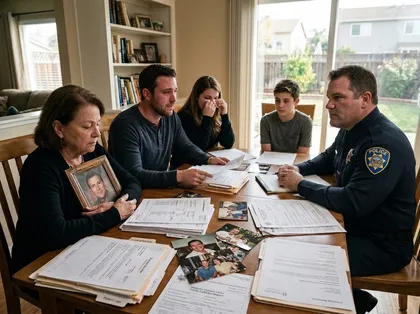
Who Can File A Wrongful Death Lawsuit In California?
California law limits who can file a wrongful death claim to the people listed in CCP § 377.60. Eligible claimants may bring the action directly. The decedent’s personal representative may also bring a claim on their behalf. Some people qualify because of their legal family relationship or status as intestate heirs. Meanwhile, others must prove financial dependence on the deceased.
Generally, eligible claimants include:
- Surviving Spouse or Domestic Partner: A surviving spouse or registered domestic partner may bring a wrongful death claim.
- Surviving Children: The deceased person’s children, including adopted children. Descendants of a deceased child may also qualify.
- Dependent Minors: A minor may qualify if they lived in the deceased person’s household for the 180 days before the death and received at least half of their support from the deceased. The minor may qualify even if a spouse or another adult in charge also survives.
- Intestate Heirs: If the deceased left no surviving children or other descendants, people who would inherit under California intestacy law may qualify. Depending on which relatives survived, this may include parents, putative spouses, children of putative spouses, and certain legal guardians.
The claimant must also establish a valid basis for liability and prove that the defendant’s wrongful conduct caused the death.
How Do You Prove A Wrongful Death Claim?
In a negligence-based wrongful death claim in California, a claimant generally must prove four elements:
- Duty of Care: The defendant owes the deceased person a legal duty of care. For example, drivers must follow traffic laws and operate their vehicles with reasonable care.
- Breach of Duty: The other party failed to meet that duty. Examples may include running a red light, driving while impaired, or violating an applicable safety law.
- Causation: The breach must have been a substantial factor in causing the death. Careless conduct alone is not enough.
- Damages: The plaintiff suffered losses because of the death. These may include financial support and the loss of care, companionship, comfort, guidance, and household services.
These elements apply to negligence-based cases, such as fatal car crashes, truck collisions, and falls. Other cases may follow different liability rules. Defective-product cases may involve strict liability. Meanwhile, work-related deaths may result in workers’ compensation death benefits and possible claims against responsible third parties.
A wrongful death lawyer can help determine which legal rules apply to a particular case.
Common Causes Of Wrongful Death Claims
A fatal accident caused by negligence can lead to a wrongful death claim. Wrongful death claims in California commonly arise from:
- Motor Vehicle Accidents: Fatal crashes involving cars, trucks, motorcycles, bicycles, or pedestrians may support a wrongful death claim when another party caused the death. Examples include impaired driving, distracted driving, speeding, and other unsafe conduct.
- Premises Liability: Property owners and occupiers must use reasonable care to maintain property under their control. Fatal falls, fires, or other dangerous conditions may support a claim when a failure to use reasonable care causes the death. Negligent security claims may also arise when a property owner fails to take reasonable precautions against a foreseeable risk.
- Defective Products: A product with a manufacturing defect, unsafe design, or inadequate warning may cause fatal injuries. A manufacturer, distributor, or retailer within the product’s chain of distribution may be held responsible, depending on the circumstances.
- Workplace Accidents: When a covered employee dies because of a work-related injury, eligible dependents may receive workers’ compensation death benefits. Workers’ compensation is generally the exclusive remedy against the employer. The family may also have a wrongful death claim against a responsible third party, such as an equipment manufacturer, property owner, or outside contractor.
Our attorneys have successfully helped clients pursue compensation after fatal incidents. Below are examples of past cases:
- $6,000,000 — A head-on collision with an impaired driver resulted in the death of our client’s wife. We overcame challenges regarding fault and insurance to recover the full policy limits.
- $1,500,000 — A distracted driver caused a fatal accident, claiming the life of a beloved community member. Our team secured the at-fault driver’s full insurance limits and donated to honor her memory.
Disclaimer: The case results mentioned above are based on past outcomes. They do not guarantee similar results in future cases. Each case is unique and depends on its specific facts and circumstances.
What Damages Can You Recover In A California Wrongful Death Case?
California law allows eligible surviving claimants to seek compensation for certain financial and personal losses resulting from a wrongful death. It’s important to note that the damages available in a wrongful death claim depend on the specific circumstances of the case.
Economic damages are losses that can be assigned a monetary value. They may include:
- Lost Financial Support: The income and benefits your loved one likely would have provided during the period supported by the evidence.
- Lost Household Services: The work and care they gave at home.
- Funeral and Burial Costs: The costs your family paid for burial and services.
Non-economic damages compensate eligible survivors for personal losses, including:
- Loss of Love and Companionship: The care, comfort, and closeness your loved one gave you.
- Loss of Guidance: The support and direction they would have offered over the years.
- Loss of Consortium: A surviving spouse or domestic partner may recover for the loss of marital intimacy and support, depending on the facts of the case.
Survival Actions Vs. Wrongful Death Claims
To cover the medical expenses your loved one incurred before passing away, you may file a separate survival action. A survival action is different from a wrongful death claim because it continues a legal claim for compensation that the deceased could have pursued if they had lived.
Recoverable damages may include medical expenses, lost income before death, chiropractic care, property damage, and, when supported by the facts, punitive damages. Under current California law, damages for the deceased person’s pain, suffering, or disfigurement are generally unavailable in survival actions filed on or after January 1, 2026.
California Wrongful Death Filing Deadlines
California law imposes strict deadlines on wrongful death claims. For an ordinary wrongful death lawsuit against a private person or company, Code of Civil Procedure § 335.1 generally provides two years from the date of death to file. Missing the applicable deadline may bar the claim, although different statutes, tolling rules, or limited exceptions may apply.
Claims involving a California public entity generally require the claimant to present a written government claim to the proper entity within six months after the death. Claims involving public employees acting within the scope of their employment may also be affected by these requirements. After the entity rejects the claim, a separate deadline applies to filing the lawsuit. A limited late-claim procedure may be available, but the application must generally be submitted within a reasonable time, not more than 1 year from the date of death.
Code of Civil Procedure § 352 generally tolls certain private-party filing deadlines for eligible claimants who were minors when the claim accrued. That tolling rule does not apply to covered government claims. Although minors may qualify for late-claim relief, strict time limits still apply.
Frequently Asked Questions About California Wrongful Death Claims
Families in wrongful death cases often face fears that stop them from seeking help. Families may worry about immigration status, partial fault, or how a criminal case could affect a civil claim. These concerns can make it harder to seek help. The answers below explain how California law may apply.
Can Undocumented Immigrants File A Wrongful Death Lawsuit In California?
Yes. Immigration status does not stop an otherwise eligible person from filing a California wrongful death claim. Evidence Code § 351.2 bars courts from admitting immigration status as evidence and bars discovery into that status in these cases. Your right to file depends on whether you qualify under CCP § 377.60, not on your immigration documents.
Can You File A Claim If Your Loved One Was Partially At Fault?
Yes. California uses a rule called pure comparative negligence. Pure comparative negligence means you may still be able to recover compensation even if your loved one was partly responsible for what happened. The court will reduce the award based on your loved one’s share of fault. For example, if the court finds your loved one 30% at fault, it will reduce your family’s award by 30%.
Can I File A Wrongful Death Claim If My Loved One Was A Victim Of Criminal Violence?
Yes. A civil wrongful death case is separate from a criminal case. You may file a claim against the person who caused the death. You do not need a criminal conviction to file a civil claim.
Do Lawyers Only Get Paid If They Win A Wrongful Death Case?
Yes, if the wrongful death lawyers work on a contingency fee basis. Under this type of agreement, the lawyer collects an attorney’s fee only if the claim resulted in a settlement or a verdict. You do not pay an attorney’s fee unless they win your case for you.
Our Firm Can Help Protect Your Family’s Rights After A Wrongful Death
Understanding what constitutes wrongful death in California is crucial for establishing liability under state law. Wrongful death claims can arise from various situations, including accidents or intentional acts. Grieving families need to understand their rights and the legal processes involved in seeking justice for their loved ones.
If you believe you have a wrongful death case, consulting an experienced attorney can provide clarity and support as you navigate this challenging time. Ultimately, seeking accountability from the responsible parties can bring a sense of closure and promote safer practices in our communities.
At Arash Law, we are dedicated to helping grieving families find a path forward. Your first consultation with us is completely confidential and carries no obligation to hire us afterward. Call AK Law at (888) 488-1391 to schedule that free case review.