TL;DR: Yes, you can file an injury claim against a dealership if a defective car caused your accident and the defect existed when it was sold. Injured drivers must prove the defect caused the crash and file within 2 years or lose the right to recover medical bills and lost wages.
Highlights:
- Preserve the vehicle and parts – avoid repairs, sale, or disposal.
- Take photos of damage, warning lights, and any failed safety features.
- Gather purchase paperwork, warranties, certified inspection reports, and dealer disclosures.
- Pull recall notices and keep repair and maintenance records showing the defect timeline.
- Get medical care promptly and keep treatment notes, including chiropractic visits.
- Track every loss: bills, time off work, travel costs, and out-of-pocket expenses.
- Calendar the 2-year California deadline and start expert inspection early.
Tip: When talking to insurers or the dealership, stick to observable facts and save all emails, texts, and repair estimates.
Table of Contents
Yes. You may be able to file an injury claim against a dealership if a defective car caused or contributed to your accident. California product liability law does not limit responsibility to the manufacturer. A dealership may share liability if it sold a vehicle with a dangerous defect, even if it did not build the car or the defective part.
To have a valid claim, you must show that the defect existed when the dealership sold you the vehicle, that the defect caused the crash or injury, and that you suffered real damages. These cases often require expert inspection, so you should preserve the vehicle and get legal guidance before repairing or selling it.
Why The Dealership Is Responsible Even If They Did Not Build The Car
California product liability law can hold dealerships responsible for defective vehicles they sell. This can apply even if the dealership did not make the car or the defective part.
This rule is called “strict liability.” It means an injured person does not always have to prove the dealership acted carelessly. The main question is whether the vehicle was defective when the dealership sold it.
California buyers also have protections when they purchase vehicles from licensed dealers. These may include accurate disclosures, warranty protections when they apply, and inspection reports for certified used cars. If a dealership misrepresents a vehicle’s condition, hides known safety issues, or fails to meet certified used-car requirements, those facts may help support the claim.
An “as-is” sale or warranty disclaimer does not automatically prevent an injury claim. It may affect warranty or contract claims, but a dealership may still face product liability if it sold a defective vehicle that caused injuries.
A dealership may be liable if it:
- Sold a vehicle with a manufacturing, design, or warning defect, or otherwise sold a vehicle that was damaged or unsafe.
- Failed to disclose a known safety problem to the buyer.
- Ignored recalls or other known safety issues.
- Changed or repaired the vehicle in a way that made it unsafe.
- Sold a certified used vehicle without completing the required inspections.
California’s Lemon Law protects buyers and lessees when a vehicle has warranty-covered defects that the manufacturer or authorized dealer cannot fix after a reasonable number of repair attempts. In an injury claim, records from that process may help show a history of the same defect, repair attempts, or safety complaints.
However, those issues do not automatically prove an injury claim. You still need to show that the vehicle had a legal defect, the defect caused or contributed to your accident or injuries, and you suffered real damages.
These cases can be complex, so some injured people seek free advice from an auto defect injury lawyer to understand how to prove liability.
How To Prove Your Injury Claim Against The Car Dealer
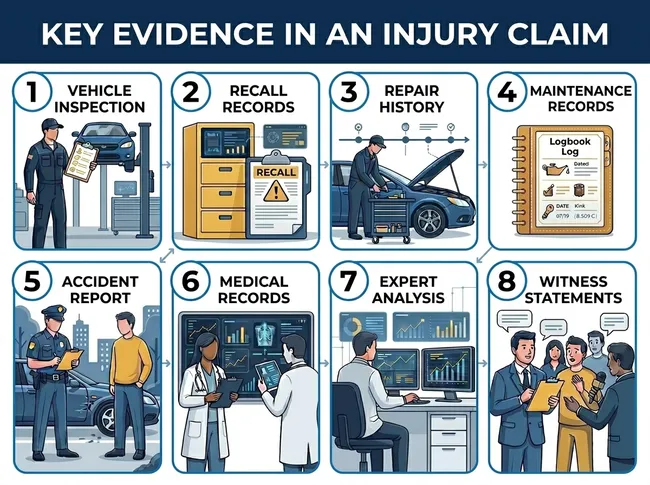
To have a valid injury claim against a car dealer, you generally need to prove four things:
- The vehicle had a dangerous defect.
- The defect existed when the dealer sold the vehicle.
- The defect caused or substantially contributed to your crash or injuries.
- You suffered real, documented damages.
Here is how to build that proof:
Step 1: Preserve The Vehicle
Do not repair, sell, dispose of, or change the vehicle before an expert can inspect it. The vehicle is often the most important evidence in an auto defect case.
Step 2: Identify The Defect
A vehicle may be defective due to a manufacturing flaw, an unsafe design, or a missing safety warning. Examples include faulty brakes, defective airbags, steering problems, or missing warnings about a known risk.
Step 3: Prove The Defect Existed When The Dealer Sold The Vehicle
You must show that later misuse, neglect, poor maintenance, or modifications did not cause the defect. Repair records, recall notices, maintenance logs, photos, and prior complaints about the same issue may help support this point.
Step 4: Connect The Defect To The Crash Or Injuries
A defect alone is not enough. You must show that the defect caused or substantially contributed to the accident or your injuries. For example, a defective airbag may support a claim if it failed to deploy and worsened your injuries.
Step 5: Document Your Damages
Keep records of your medical treatment, lost wages, property damage, and other losses. Medical records, bills, accident reports, and witness statements can help show the harm you suffered.
Step 6: Use Expert Support
Mechanics, engineers, product safety specialists, or accident reconstruction experts may inspect the vehicle and explain what failed, why it failed, whether the defect existed before the sale, and how it caused the accident or injuries.
All of these elements must work together. A defective vehicle does not automatically create a valid claim unless the defect existed when the dealer sold it, caused or contributed to your injuries, and resulted in real damages. Auto defect injury lawyers can help gather evidence, work with experts, and build the strongest possible case to support your claim.
What Compensation Can You Recover After A Defective Car Accident?
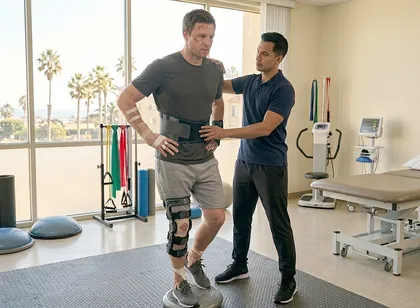
The compensation you may pursue depends on the actual damages you incurred due to the defective car accident. A claim should cover both the financial costs the crash caused and the personal toll it took on your life.
Economic damages cover your direct financial losses:
- Medical Bills: Past and future costs for care, surgery, and follow-up treatment. Depending on the injuries, these may also include costs of physical therapy, chiropractic care, or medication.
- Lost Wages: Pay you missed while you were hurt and unable to work. It also includes the reduced ability to earn in the future.
- Out-of-Pocket Costs: Includes costs for travel to doctor visits, mobility aids, home modifications, towing, rental cars, and vehicle-related losses. Accident history can also affect a vehicle’s safety and resale value, especially when future buyers have concerns about buying a car that has been in an accident.
Non-economic damages cover the personal impact of your injuries:
- Pain and Suffering: Physical pain from the crash and your recovery.
- Emotional Distress: Anxiety, depression, or mental harm from the accident.
- Loss of Life Enjoyment: Not being able to do the things you loved doing before the crash.
You can only recover these damages if you act promptly. California law sets firm deadlines for filing, and missing them can result in losing your right to compensation. Product liability lawyers can determine the applicable deadline after assessing the facts of your case.
The Deadline To File Your Defective Car Lawsuit In California
California law generally gives victims two years from the date of injury to file a personal injury lawsuit. This time limit applies to injury claims involving defective vehicles or defective car parts. However, related claims, such as warranty, contract, fraud, property damage, or government-related claims, may have different deadlines.
Thinking, “I need a personal injury lawyer to handle my auto defect case,” is understandable. Two years sounds like plenty of time. In a vehicle defect case, it may not always be the case. Before filing, auto defect injury lawyers may need months to conduct the technical investigation a case like this requires. By the time the investigation is complete, your two-year window may already be near the end.
Frequently Asked Questions
Auto defect claims involve more parties and more legal complexity than a standard car accident case. These answers address the most common questions people have after a crash involving a defective vehicle or part.
What If There Was A Car Recall Before The Accident?
A vehicle recall can be strong evidence that a defect existed and may have contributed to the accident. However, the timing of the recall and your knowledge of it can affect your claim. If you were unaware of the recall at the time of the accident, that may strengthen your case because you had no reasonable opportunity to address the defect.
On the other hand, if you knew about the recall and failed to have the vehicle repaired or replaced, the dealership or another party may argue that you share some responsibility for the resulting damages. In such cases, the extent of any shared fault will depend on the specific facts and the applicable law.
Who Else Can I Sue For A Defective Car Part?

You can sue the part manufacturer and the vehicle assembler, not just the dealership. Any company in the supply chain that contributed to the defect may share liability.
What If The Dealership Blames My Driving For The Crash?
Blaming the driver is one of the most common defenses in these cases. This is why preserving the vehicle and its parts for expert inspection is critical. Proof of the defect and its direct link to the crash can help you address insurer disputes.
How Much Does It Cost To Hire A Lawyer?
The cost of hiring an accident lawyer depends on the complexity of the case. In cases involving auto defects, product liability lawyers often have to work with mechanical experts to connect the defect to the accident. These may lead to additional legal costs.
Many people ask, “Do lawyers only get paid if they win?” In injury cases, most attorneys work on a contingency fee basis, meaning no upfront costs, and they only get paid if they obtain compensation on your behalf.
Contact Arash Law For Your Defective Car Accident Claim In California
Our auto defect injury lawyers at AK Law can handle claims against manufacturers, dealerships, and parts suppliers. If a defective vehicle injured you or someone you love, you may have the right to pursue compensation from the party responsible.
Our team can review your case and work with subject-matter experts to establish liability. Call us at (888) 488-1391 to schedule your free initial consultation. You pay no upfront fees. You also only pay the attorney’s fees if we win your case or secure a settlement.