TL;DR: Medical bills after a truck crash usually remain the injured person’s responsibility while they pursue liability claims. Injured drivers and passengers may use health insurance, MedPay, workers’ compensation, or liens, then seek repayment from liable parties after proving fault, coverage, and accident-related treatment.
Highlights:
- Use health insurance or MedPay to keep treatment moving.
- Ask providers about liens or payment plans if you’re uninsured.
- Save every bill, receipt, explanation of benefits, and prescription record.
- Track out-of-pocket costs, including co-pays and medical supplies.
- Document future treatment needs before discussing settlement value.
- Review lien or reimbursement claims before resolving the case.
- Check whether workers’ compensation applies to work-related driving.
Tip: Keep billing records separate from insurance messages, and stick to facts when describing treatment or crash details.
Table of Contents
Medical bills after a truck accident can pile up fast. You need to know who pays and when. Your own health coverage or auto insurance policy can step in first. If someone else’s negligence caused the crash, their insurance may reimburse you later once your claim resolves.
Truck accidents can result in serious injuries due to the vehicles’ size and the possible force of impact. Medical bills from these accidents are often much higher than those from regular car crashes. Fielding calls from hospital billing departments while you are trying to heal from a severe commercial truck impact can quickly become overwhelming. That’s why it can help to know how to cover immediate medical expenses after a crash.
How California Law Handles Truck Accident Medical Bills
California follows a fault-based system for insurance claims. The at-fault party’s insurance will cover your costs if they are liable. However, that insurance won’t pay your bills right away. You may have to use your own coverage to keep treating your injuries in the meantime. If your claim succeeds, the settlement or verdict can repay medical costs.
Most trucking liability claims resolve through settlement or judgment, so bills usually get paid in a lump sum at the end. In some cases, insurers make partial payments, but you should not rely on that to keep treatment going.
How To Pay Your Bills While Waiting For A Settlement
While the truck driver’s insurance may eventually pay, you likely need options for paying your bills right now. Your own insurance policies can cover medical expenses in the meantime. Using your benefits does not prevent you from pursuing a claim against a liable party. However, an insurer’s reimbursement rights may limit how much you’re able to recover.
- Personal Health Insurance: Submit your bills to your health insurer as you receive them. You may still owe co-pays and deductibles, but your insurer pays the rest. This action keeps your bills paid and your account in good standing.
- Auto Medical Payment Coverage (MedPay): MedPay is optional coverage you can add to your car insurance policy. It pays your medical bills up to your policy limit, which is typically between $1,000 and $10,000. It applies regardless of who caused the crash and has no deductibles or co-pays. You can use MedPay alongside your health insurance to cover your out-of-pocket costs.
- Medi-Cal and Medicare: If you qualify for Medi-Cal or Medicare, your medical providers can bill these programs directly for covered services. However, not all health providers accept both programs. Each health plan has the right to receive reimbursement from your final settlement. For Medi-Cal, this reimbursement right arises under California law, and your attorney may negotiate the amount owed in some cases. For Medicare, stricter federal rules that limit reduction options govern reimbursement.
- Uninsured/Underinsured Motorist Coverage (UM/UIM): It can step in if the at-fault driver does not have enough insurance to cover your losses. Another optional coverage for auto policies, UM/UIM coverage can pay your medical bills and help cover other losses while you wait for the claim to resolve.
Since insurers may seek reimbursement from the settlement through a process known as “subrogation,” many crash victims seek free advice from a truck accident lawyer to understand how pursuing compensation from their own policies can affect their claims.
What If You Were Driving For Work When The Crash Happened?
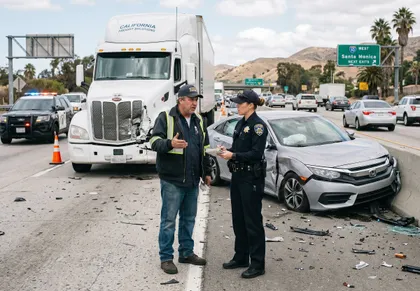
If you were driving a company vehicle or while accomplishing job duties when the truck crash happened, workers’ compensation can cover your medical bills right away. It may also provide wage benefits, depending on the severity of injuries. Nevertheless, you can still pursue a separate claim if a third party caused the truck accident. Your workers’ compensation insurer may also pursue reimbursement from your third-party settlement.
What Options Exist If You Do Not Have Health Insurance?
If you lack health insurance after a truck crash, you could obtain necessary medical care through medical liens or payment plans. Many healthcare professionals offer these alternative options to help you continue your physical recovery without immediate out-of-pocket expenses. Your attorney can find doctors who agree to delay billing until your case resolves.
- Medical Lien: You don’t have to pay for medical care up front. However, your provider retains the right to receive payment from your potential settlement. Payment comes directly from the settlement funds, rather than from your own pocket.
- Payment Plan: This option lets you make smaller payments over time, which may help you avoid having unpaid bills sent to a collection agency.
A medical lien or payment plan can help prevent a lack of immediate coverage from stalling your physical recovery. However, the ultimate goal is to have the at-fault parties cover your medical bills.
In truck accident cases, reaching that goal often involves pursuing compensation from multiple corporate entities rather than just the driver who hit you. To this end, truck accident lawyers work to identify all potentially liable parties and applicable insurance policies.
Who Is Legally Responsible For Your Medical Costs?
Unlike a normal car crash, a truck crash involves entire companies, not just one driver. That means multiple parties may be held responsible for your medical bills. The truck driver, the trucking company, and parts manufacturers can all be required to pay.
These are the common liable parties in a truck crash:
- The Truck Driver: The truck driver may be liable if their negligence caused the accident. Their company’s commercial trucking insurance may cover them. Federal FMCSA rules require trucking carriers to carry insurance limits much higher than those in standard car policies, depending on the type of truck and cargo involved.
- Other Drivers: Truck drivers don’t cause all truck accidents. In some cases, other motorists can cause crashes if they are reckless. Truck drivers can also be victims in these cases.
- The Trucking Company: Under the legal doctrine of vicarious liability, a trucking company may be responsible if one of its drivers acts negligently and causes an accident while on the job. In some cases, it may also be directly at fault for an accident if evidence shows that:
- It hired an untrained driver.
- It imposed unreasonable delivery demands that encouraged reckless behavior.
- Truck Manufacturers or Maintenance Shops: If a defective part or a negligent brake job caused the crash, the manufacturer or the shop that serviced the truck may be held responsible. It adds another potential source of payment for your medical costs.
California follows a pure comparative negligence rule, meaning parties may share fault for an accident. Each one would have to compensate the victim according to their percentage of liability. If the situation applies, victims may have more coverage for their actual losses, especially when they suffered severe injuries.
How To Protect Your Claim For Medical Bills
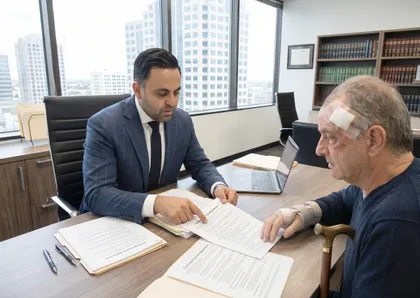
To pursue compensation for medical costs, you need to build a strong and complete claim. The process involves carefully gathering evidence that can prove that your medical bills are accident-related. After a crash, document the truck accident scene and get your injuries treated as soon as possible.
From here:
- Save All Records: Keep every bill, receipt, and benefit explanation from your provider. Include out-of-pocket expenses like co-pays, crutches, and prescription medications.
- Document Future Costs: Your settlement must account for long-term medical care, not just current bills. A truck accident lawyer works with medical experts to project these future expenses.
- Be Prepared for Challenges: Insurance companies may argue that some treatments were unnecessary or unrelated to the crash. Keep detailed records or recommendations from your physician, therapist, or chiropractor that clearly state the medical necessity of the treatments.
You may think, “I need a personal injury lawyer to handle my claim,” when you have to deal with many insurers. A truck accident attorney can manage these complex processes on your behalf. They can deal with insurers, review your policies, and determine the appropriate party to file your claim against.
Frequently Asked Questions About Medical Bills After A Truck Crash
Truck accident claims involve insurance processes, legal timelines, and financial risks that are unfamiliar to most people. When medical bills start piling up during your recovery, it is completely normal to feel overwhelmed about your next steps. The frequently asked questions below address the most common financial concerns you may have after a commercial truck crash.
Do Unpaid Medical Bills Eventually Go Away?
No. Medical bills from a truck accident do not disappear on their own. If you leave them unpaid, they might go to collections, damage your credit score, and result in a lawsuit against you. You need to address them, even while your personal injury claim is still open.
How Long Does It Take To Get Medical Bills Fully Covered?
A truck accident case can take anywhere from several months to more than a year to settle, depending on the complexity of the case. Your truck accident attorney may have to wait until you reach Maximum Medical Improvement (MMI) before negotiating a final settlement.
MMI is the point at which your condition has stabilized, and doctors don’t expect further treatment to improve it significantly. Settling before MMI risks leaving future medical costs unpaid. Once you sign a settlement, you generally cannot reopen it for additional compensation.
Can My Health Insurance Ask For Their Money Back Later?
Yes. Health insurance, Medicare, and Medicaid have the legal right to seek reimbursement from your settlement. They can exercise this right if they paid your medical bills while your case was open. An attorney can negotiate with lien holders for a fair distribution of the settlement.
What If The Truck Driver Does Not Have Enough Insurance?

Your own Uninsured and Underinsured Motorist Coverage (UM/UIM) can step in to cover the gap. The trucking company itself may also be liable, under certain circumstances. Truck accident attorneys can investigate your case and determine if there are other potentially liable parties for your case. You may be able to pursue claims against them.
Can I Include Future Medical Costs In My Claim?
Yes. A truck accident attorney works with medical experts to calculate the cost of future surgeries, therapy, or ongoing care. That figure goes into your settlement demand, so your recovery covers what lies ahead, not just past bills.
Arash Law Helps Pursue Medical Bills After A Truck Accident In California
When you contact AK Law, our truck accident lawyers can handle communications with medical billing departments, respond to insurer demands, and negotiate with lien holders. You can focus on your recovery while we manage the financial pressure of outstanding medical bills.
If costs are still a concern, you may be asking, “Do lawyers only get paid if they win?” The attorneys on our team do so because we work on a contingency-fee basis. Under this arrangement, our lawyers only get paid if we win or settle your case. Call (888) 488-1391 to schedule a free initial consultation.