TL;DR: Cuts and lacerations are the most common injuries in a machine shop, affecting workers handling exposed blades and spinning parts. Injuries may involve employer or third-party negligence, and prompt reporting with evidence preservation is critical.
Highlights:
- Report any machine shop injury to your employer as soon as possible.
- Seek medical attention through your employer’s approved Medical Provider Network.
- Photograph machines, guards, and hazards before equipment gets repaired.
- File the California DWC-1 claim form within one working day of reporting.
- Identify whether an outside party contributed to the injury for possible claims.
- Be aware that repetitive work can cause cumulative trauma injuries over time.
Tip: Keep written records of all incidents, photos, and communications to preserve evidence effectively.
Table of Contents
Cuts and lacerations are among the most common injuries in a machine shop setting. Crush injuries and amputations happen less often but can cause far more serious harm. Your legal options depend on how the injury happened, who caused it, and whether workers’ compensation or a third-party claim applies.
California’s manufacturing industry is the largest in the country by output. That scale poses real dangers to workers on the floor. The Occupational Safety and Health Administration (OSHA) reports that workers who operate and maintain machinery suffer about 18,000 amputations, lacerations, crushing injuries, and abrasions each year, along with more than 800 deaths.
A deep cut, crush wound, or amputation may lead to different claims. It depends on whether your employer, a contractor, a machine maker, or another outside party contributed to the injury. Aside from seeking workers’ compensation benefits, you may have the right to file a personal injury claim against a negligent third party after getting hurt on the job.
The Most Common Shop Injuries: Cuts And Lacerations
Cuts and lacerations are the leading injuries reported by machine shop workers in California. Sharp sheet metal, exposed saw blades, spinning drill bits, and grinding wheels are common hazards in this work environment. When safety controls fail, workers can suffer cuts within seconds.
These injuries often happen because workers handle sharp or unstable materials every day. Below are some common hazards that frequently cause them:
- Sheet metal panels have razor-fine edges.
- Oily surfaces make materials hard to grip.
- Drills, grinders, and lathes have rotating parts.
- Blades or moving machine components can cause injury when they’re exposed.
Missing guards, poor training, rushed work, or a lack of cut-resistant gloves can increase the risk of serious cuts. Guards help keep hands away from moving blades and parts. Without proper safeguards, even a routine task can cause a deep wound.
Do not ignore a cut in a machine shop, even if it looks small. Bacteria and metal particles can enter the wound. That can lead to a severe infection within days.
A deep laceration can also signal a broader safety issue. The same machines that cause cuts can also cause crush injuries, amputations, or deeper wounds. The risks of these injuries run high when guards, training, or safety procedures fail.
The Most Severe Machine Hazards: Crush Injuries And Amputations
Heavy machinery can cause crush injuries and amputations when it catches a worker at a pinch point. This refers to any area where machine parts come together and can trap a body part. Gears, belts, pulleys, and rollers can pull in clothing, gloves, or fingers before a worker can react.
Specific machines create these hazards in distinct ways:
- Lathes: A spinning lathe can catch hair, loose clothing, or jewelry quickly.
- Power Presses: These machines can apply extreme force in a single stroke. That makes guarding, lockout procedures, and safe operation critical.
- Rolling Mills: Material passes through a pair of rollers under high pressure. That can create nip points along the entire feed path.
- CNC Equipment: Computer-controlled equipment can still cause worker injuries. Rotating spindles, clamping tools, and automatic cycles can pose hazards when safeguards fail or workers reach in while operating.
Machine guarding helps protect workers from moving parts, pinch points, and rotating equipment. Cal/OSHA Title 8 rules may apply to these hazards. Section 3203 also requires California employers to maintain a written Injury and Illness Prevention Program, commonly known as an IIPP. That program should identify workplace hazards and explain how the employer will correct them.
If a missing or defective guard involves an outside party, such as a machine maker or repair contractor, the injured worker may have options beyond workers’ compensation.
Other Common Machine Shop Injuries
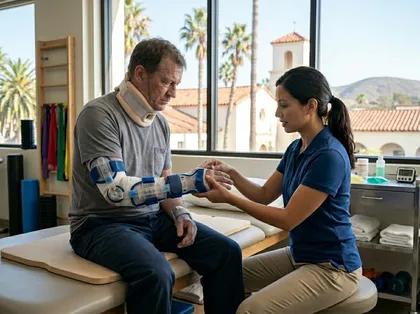
Machine shop workers may suffer many injuries beyond cuts, crush injuries, and amputations. Some happen in a single accident. Others build up over months or years of repeated work. Knowing how to recognize them can help you care for your well-being and understand whether you have legal options early.
Other common machine shop injuries include:
- Cumulative Trauma Injuries: They develop over time from repetitive lifting, gripping tools, awkward postures, forceful motions, or vibrating equipment. These injuries often include back strain, shoulder injuries, tendonitis, carpal tunnel syndrome, and joint pain.
- Eye Injuries: Metal chips, sparks, dust, chemicals, or other debris can fly into the eyes. The resulting injuries can range from irritation and scratches to permanent vision damage.
- Burns: Hot metal, welding sparks, cutting torches, steam, solvents, or degreasers can cause thermal, chemical, or electrical burns. These can lead to lasting tissue damage.
- Hearing Loss: It can result from long-term exposure to loud machinery, such as grinders, compressors, and power tools. Repeated exposure to noise can cause permanent hearing damage.
- Respiratory Injuries: Caused by breathing in dust, fumes, welding smoke, chemical vapors, or metal particles. These injuries may lead to breathing problems or occupational lung disease.
- Fractures and Sprains: They can result from falls, struck-by accidents, dropped materials, or sudden machine movements. These injuries can affect bones, muscles, ligaments, and joints.
- Chemical Injuries: Can be caused by exposure to solvents, coolants, degreasers, acids, and other shop chemicals. Chemical exposure may damage the skin, eyes, lungs, or other parts of the body.
- Electrical Injuries: Resulting from faulty wiring, damaged tools, exposed circuits, or poorly maintained equipment. Electrical accidents can cause burns, nerve damage, cardiac injuries, or electrocution.
- Skin Conditions: These include rashes, irritation, burns, and chemical dermatitis from repeated contact with oils, fluids, cleaning products, and industrial chemicals.
Workers may not immediately recognize that some injuries are work-related, especially when symptoms develop gradually instead of after a single accident. California workers’ compensation law may cover both sudden injuries and conditions that arise over time. The evidence must show that workplace duties or exposures caused them.
Depending on the circumstances, a machine shop injury may support a workers’ compensation claim and, in some cases, a separate third-party claim against someone other than the employer. After an injury, you may ask yourself, “Do I need a personal injury lawyer?” A factory accident lawyer can review how the injury happened and help determine which legal options may apply.
California Legal Options: Workers’ Compensation And Third-party Claims
California law gives injured machine shop workers two main legal options after a shop injury. The right path depends on how the accident happened and who caused it. In some cases, both may apply. Here’s more on the difference between workers’ comp and personal injury claims:
-
Workers’ Compensation: Employees injured on the job can pursue workers’ compensation claims. You do not need to prove your employer did anything wrong to seek benefits. Workers’ comp can cover authorized medical care, Temporary Total Disability (TTD) payments while you cannot work, and Permanent Partial Disability (PPD) payments if your injury causes lasting harm.
Workers’ compensation is usually the main remedy against your direct employer. This is called the “exclusive remedy” rule. Some exceptions may apply, so an attorney should review the facts of your case.
-
Third-Party Claim: A third-party claim is a civil claim against someone other than your employer. It may apply if an equipment maker, repair contractor, property owner, vendor, supplier, maintenance company, subcontractor, or another outside party caused or contributed to your injury.
A third-party claim may allow you to seek damages that workers’ compensation does not cover, such as pain and suffering and more complete wage-related losses.
Many workers seek free advice from a workers’ compensation lawyer to learn whether workers’ comp, a third-party claim, or both may apply. These systems can move simultaneously, but they affect each other. Acting quickly after the accident can help preserve evidence and clarify which legal path may be best for your case.
Non-employees injured in a machine shop may also be able to bring a personal injury claim if unsafe conditions, faulty equipment, or negligence caused their injuries. Examples include:
- Delivery drivers
- Truck drivers
- Independent contractors
- Subcontractors
- Equipment technicians
- Maintenance workers
- Inspectors
- Vendors
- Sales representatives
- Customers
- Clients
- Visitors
- Temporary workers
Crucial Steps To Take After A Machining Accident In California
What you do in the hours and days after a machining accident can influence your ability to pursue compensation for your losses. Acting quickly can help you safeguard your health and preserve evidence before the machine is repaired, protecting your potential legal options.
These four steps are your priority:
- Report the Injury to Your Employer Right Away: California law gives you up to 30 days to report a workplace injury. However, waiting risks having your claim questioned or denied. Tell your supervisor about your injury as soon as possible. If possible, put it in writing.
- Seek Medical Attention From an Approved Provider: Your employer has a Medical Provider Network (MPN), a pre-approved group of doctors authorized to treat work injuries. You need to see a physician from that network. Seeing an outside provider can affect your benefits.
- Preserve the Evidence Before the Machine Is Repaired: Take photos of pinch points, missing guards, and any visible damage. Photograph the machine’s serial number tag. Request the maintenance and inspection records in writing if you believe the equipment failed.
- File a DWC-1 Claim Form: This is the official form from the California Division of Workers’ Compensation (DWC) that starts your workers’ compensation case. Your employer must give you this form within one working day of learning about your injury.
Recovering while managing insurer calls, appointments, and paperwork is a heavy load. When a third party contributed to your accident, such as a machine manufacturer or a maintenance contractor, many injured workers find they need a personal injury lawyer to pursue that separate civil claim. Getting that guidance early can help you protect the compensation that may be available based on the facts of your case.
Frequently Asked Questions About Machine Shop Injury Cases
California factory and machine shop workers navigate two separate legal systems after a workplace injury: workers’ compensation and civil liability law. These systems have different rules, deadlines, and benefits. Understanding both can affect how much you recover and how quickly you get medical and chiropractic care. The questions below address the concerns we most often hear from workers in your situation.
What If I Get Injured At Work But Don’t Report It Right Away?
If you have already delayed reporting, you still have options, but acting quickly matters. A missed report gives your employer or their insurer grounds to deny your workers’ compensation claim. Tell your employer in writing as soon as you can, note the date you did so, and speak with an attorney about whether a late report can still be accepted in your case.
Can I Choose My Own Doctor For A Machine Shop Injury?
When you first file a workers’ compensation claim, your employer’s Medical Provider Network (MPN) generally determines which doctor treats you. After 30 days in the MPN, you may be able to request a different provider or a second opinion, especially if your condition is worsening. Your rights depend on your employer’s plan and the details of your injury. Reviewing your claim paperwork or speaking with an attorney can help you understand your options.
What If I Was Injured By Faulty Equipment Not Maintained By My Employer?
If a defective machine or an outside vendor caused your injury, you may have grounds for a civil lawsuit against that party, separate from your workers’ compensation claim. A successful civil claim can recover damages that workers’ comp does not cover, such as pain and suffering, and your full lost income. An attorney can help you determine which outside party, whether an equipment maker, a maintenance contractor, or another vendor, may share responsibility.
How Long Do I Have To File A Personal Injury Lawsuit For A Defective Machine?
California law generally gives you two years from the date of your injury to file a personal injury lawsuit. Some exceptions can shorten or extend this filing window. However, if you miss it, you will most likely lose the right to sue, no matter how strong your case is.
Do Lawyers Only Get Paid If They Win A Machine Shop Injury Case?
Yes. Most personal injury lawyers in California work on a contingency fee basis. That means they collect a fee only if your case ends in a settlement or court award. You pay nothing up front, and if the case does not succeed, you owe no attorney’s fees.
Can I Claim Workers’ Compensation For An Injury That Developed Over Time?
Yes. California workers’ compensation covers cumulative trauma, meaning injuries that build up over time rather than from one incident. Common examples include repetitive strain, back problems from years of heavy lifting, and breathing issues from chemical exposure. For these claims, the injury date is generally when you first became disabled and knew, or reasonably should have known, the condition was work-related.
Protect Your Rights After A California Machine Shop Injury
If a defective machine or a negligent contractor caused your factory or machine shop injury, you have legal options worth exploring. An experienced attorney can help you understand who may be held accountable and what you can pursue.
Arash Law has advocated for injured factory and machine shop workers across California. Our attorneys pursue claims against equipment makers, manufacturers, and contractors whose negligence puts you at risk. AK Law works to recover the maximum compensation you may be entitled to under California law.
Take the next step. Call at (888) 488-1391 for a free initial consultation. Share what happened, and our team will review your situation and discuss how we can help.