TL;DR: Overloaded trucks create serious crash risks on California roads because excess weight strains brakes, tires, and steering. Drivers, passengers, and nearby motorists face severe injuries when mechanical failures occur, and trucking companies, shippers, or loaders may be liable for exceeding weight limits.
Highlights:
- Check for visible signs of overloading, such as sagging suspension or bulging tires.
- Document the truck’s speed, braking, and handling before and during the crash.
- Preserve weigh station records and bills of lading as key evidence.
- Note the truck’s cargo and load distribution for potential liability claims.
- Identify all parties involved, including trucking companies, shippers, and loaders.
- Seek prompt medical evaluation for injuries like fractures, TBIs, or spinal trauma.
- Report weight-limit violations to CHP or local traffic authorities immediately.
Tip: Gather photos and witness statements quickly to support any claim or investigation.
Table of Contents
Overloaded trucks create serious safety risks on California roads. When a truck carries too much weight, it needs more distance to stop safely. The extra weight can also make steering more difficult. On top of that, tires may blow out under the added pressure, and brake systems may struggle to stop the truck. These problems can lead to serious crashes and severe injuries.
A crash involving an overloaded truck can leave victims with significant physical, emotional, and financial losses. California law requires trucking companies to follow weight limits. When companies ignore those rules, they put others at risk. If an overloaded truck caused your injuries, you may have the right to seek compensation.
How Excess Weight Causes Mechanical Failures And Truck Accidents
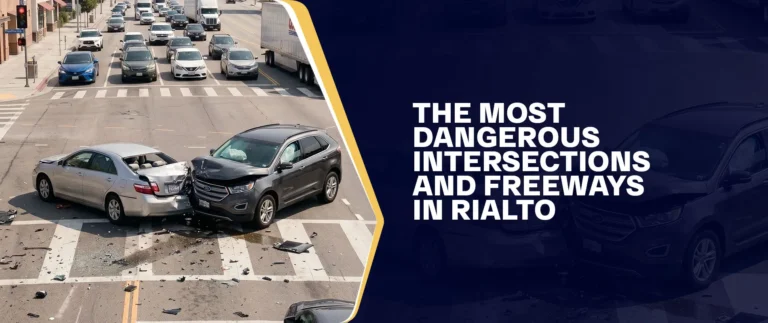
Excess weight changes how a truck moves, steers, and stops. It pushes tires, brakes, and suspension past their design limits. When those limits break, crashes follow. Rear-end accidents, rollovers, and jackknifing can endanger everyone on the road, especially when overloading wears down truck tires and brakes.
An overloaded truck can require significantly more stopping distance than a truck within legal weight limits. That extra distance can turn a near-miss into a rear-end collision.
Extra weight also raises a truck’s center of gravity. A high center of gravity increases the likelihood of rollovers, especially when truckers maneuver curves, ramps, and sharp lane changes on busy or winding highways like the I-5 and Cajon Pass. The IIHS reports that about half of all truck occupant deaths involve rollover crashes.
All that strain wears down a truck’s mechanical systems until something fails. The two most dangerous breakdowns involve:
- Tire Blowouts: Tires carry every pound the truck holds. When loads exceed their design limits, heat builds up inside them. That heat causes tread separation and blowouts, often at highway speed.
- Brake Fade: Kinetic energy is the force a moving object carries. Heavier loads force the brakes to absorb more of this energy on every stop. That overload heats brake pads and causes brake fade, meaning the brakes lose stopping power when the driver needs them most.
These mechanical failures can endanger everyone on the road, especially when excess weight worsens maneuverability in adverse road conditions. For example, it can be more challenging for truckers to stop or avoid hazards when it’s foggy or the roads are slick from recent rain.
The truck’s large size can affect other road users, especially if the trailer jackknifes or the truck itself rolls over, spilling cargo into adjacent lanes. Motorcyclists, cyclists, and pedestrians are especially vulnerable in these incidents because they have the least physical protection on the road.
California Truck Weight Limits And Legal Liability
In California, the law generally limits commercial trucks to a maximum gross vehicle weight of 80,000 pounds. These weight limits exist to protect public safety. A truck that exceeds this limit violates state law the moment it enters the roadway.
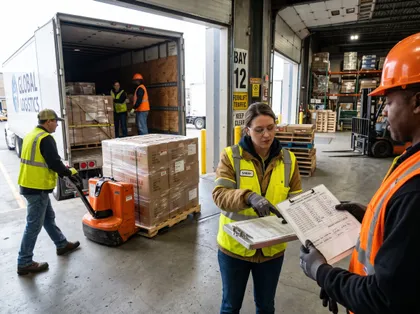
Trucking companies, shippers, loaders, and other parties involved in transporting cargo must follow these rules and exercise reasonable care. They must load cargo properly, verify weight information, and keep trucks within legal limits. When they fail to meet those duties, overloaded trucks can become harder to stop, steer, and control. Those safety problems can lead to serious accidents and injuries.
California law may treat a weight-limit violation as evidence of negligence if it contributes to a crash. If an overloaded truck caused your injuries, the violation may help establish liability.
Depending on the facts of the case, one or more parties may be responsible:
- Trucking Company: Responsible for its drivers and vehicles. If it allowed a truck to operate above legal weight limits, it may be liable for the resulting injuries.
- Shipper: Prepares cargo for transport. If the shipper provided inaccurate weight information or improperly packaged the cargo, they may share responsibility for the crash.
- Cargo Loader: Controls how freight goes onto the truck. If improper loading caused the truck to exceed legal weight limits or created an unsafe weight distribution, the loader may be liable for resulting injuries.
Identifying all responsible parties is an important step in an overloaded truck accident claim. Multiple parties may share liability when their actions contribute to the crash.
Key Evidence Needed To Prove A Truck Was Overloaded
Trucking companies control most of the evidence in an overloaded truck case. They keep weight records, cargo files, and electronic data. You need to act fast before that evidence disappears. An attorney can help you demand its preservation within hours.
Understanding the impacts of overloaded trucks on safety starts with the evidence that proves the truck was over the legal limit. Some of these records are hard for trucking companies to change or destroy:
- Weigh Station Records: These records can show that the truck exceeded the legal weight limit before the crash. Government agencies create and maintain these records. As a result, other parties cannot easily alter them after the fact.
- Bill of Lading: This document lists the cargo’s declared weight. It can reveal a gap between declared and actual weight. That gap may show the load was never within legal limits.
- Black Box Data: The truck’s electronic control module (ECM) records speed, braking, and other data just before a crash. This data can record exact conditions at the moment of impact.
Despite that, much of this evidence won’t last long. Federal rules allow trucking companies to destroy driver logs after six months. Meanwhile, electronic systems may overwrite ECM data after the retention period expires. Truck accident lawyers can send a spoliation letter within 24 to 48 hours to demand that the company preserve this evidence.
Injuries And Available Compensation After An Overloaded Truck Crash
Victims of overloaded truck crashes may be able to recover money for their losses, depending on the facts. Excess weight can create an extreme impact force. That force causes injuries far worse than in a typical car accident, such as head and spinal cord trauma. Medical bills, lost wages, and long-term care costs can reach hundreds of thousands of dollars.
Common injuries from these crashes include:
- Traumatic Brain Injuries (TBIs): The force of impact can cause serious damage to the brain, affecting memory, movement, and daily function.
- Spinal Cord Damage: The crash force can fracture or compress the spine, leading to lasting pain or paralysis.
- Severe Fractures: Bones in the legs, arms, ribs, and pelvis can break under the extreme forces of a collision.
- Internal Organ Damage: Blunt force trauma can rupture organs like the liver, spleen, or kidneys, causing internal bleeding.
- Crushed Limbs: The weight of an overloaded truck can pin and crush limbs. Victims may require multiple surgeries. In some cases, amputation may become necessary.
- Severe Lacerations and Burns: Debris or friction from the crash can result in deep cuts or burn injuries, sometimes requiring skin grafts. Serious cuts may get infected. Meanwhile, severe burns may result in long-term pain and suffering and permanent scarring or disfigurement.
- Psychological Trauma: Survivors may develop post-traumatic stress disorder (PTSD), anxiety, or depression due to the accident.
The damages victims can collect after a truck accident can cover financial losses, such as medical bills, lost wages, and property damage. They can also cover personal losses, such as pain and suffering resulting from an injury.
Finally, a claim can account for future losses. Treatment after a truck crash can last for years. You may need regular visits to a chiropractor or physical therapist to treat ongoing pain or regain mobility. You can also seek compensation for those long-term costs.
Those who think “I need a personal injury lawyer” can consult one to understand the full costs of their injuries. An attorney can calculate future care needs and long-term income loss.
Frequently Asked Questions About Overloaded Truck Accidents
Overloaded truck accidents can raise many questions about safety, liability, and compensation. The answers often depend on the facts of the crash. The following FAQs address common concerns raised by injured victims and their families after these incidents.

How Can You Tell If A Commercial Truck Is Overloaded?
Look for visible signs such as sagging rear suspension, excessive tire bulging, or an unusual tilt when the truck turns. The truck may also take longer than expected to stop or accelerate slowly on inclines. These signs do not confirm overloading, but they may indicate a problem worth reporting.
Can I Sue The Shipper If They Lied About The Cargo Weight?
Yes, you could sue the shipper if they provided false weight information, and that conduct contributed to the crash. Incorrect cargo information can lead to an overloaded truck or other dangerous conditions. Many injured victims seek free advice from truck accident lawyers to find out who may be responsible. Lawyers assess liability based on the facts of the case and the available evidence.
How Do I Report A Truck That Violates Local Weight Limits?
Contact your city’s public works or traffic engineering department to report a truck on a restricted local road. You can also contact Caltrans for state highway violations. For an immediate safety threat, contact the California Highway Patrol (CHP).
Does The California Highway Patrol Check The Weight Of Every Commercial Truck?
No. The CHP uses weigh stations and roadside inspections to check trucks. However, officers can’t check every truck. Trucks may bypass weigh stations or travel routes without inspection stops.
Why Do Trucking Companies Intentionally Overload Their Vehicles?
Some carriers overload trucks to reduce the number of trips, which cuts fuel and labor costs. This practice can violate federal and California weight limits. The financial benefit to the company does not reduce its legal responsibility when an overloaded truck causes a crash.
Injured In An Overloaded Truck Accident? Contact Arash Law Today!
An overloaded truck accident can leave you with serious injuries and financial stress. Arash Law offers a free case review to help you understand your legal options.
Evidence in these cases can disappear quickly, so early action matters. Our commercial vehicle accident attorneys can preserve records that may prove a truck exceeded legal weight limits. We investigate trucking companies, shippers, cargo loaders, and other parties that may share responsibility.
Many injured victims ask, “Do lawyers only get paid if they win?” If you work with our firm, the answer is yes. AK Law works on a contingency fee basis, so you don’t have to pay the attorney’s fees unless we recover compensation for you. Call (888) 488-1391 to schedule your free initial consultation.