TL;DR: There is no standard duration for a California motorcycle accident lawsuit. Some claims settle before litigation begins, while a filed lawsuit may take months or several years, depending on the injuries, disputed liability, discovery, motions, court scheduling, settlement negotiations, and whether the case proceeds to trial or appeal.
There is no fixed timeline for a California motorcycle accident lawsuit. A case may take several months to several years, depending on the severity of the injuries, disputed liability, discovery, motions, court scheduling, settlement negotiations, and whether the case proceeds to trial or appeal.
Some motorcycle accident claims settle before a lawsuit is filed. When liability is clear, the injuries are sufficiently documented, and the parties agree on the value of the claim, settlement may be possible without litigation. However, disputes over fault, the extent of the injuries, future medical needs, insurance coverage, or the value of damages can prolong negotiations and lead to a lawsuit.
Understanding the timeline matters for two reasons. First, California law imposes filing deadlines that generally do not pause simply because negotiations or medical treatment are ongoing. Second, delays can make evidence harder to preserve and may affect how efficiently a claim or lawsuit can move forward.
Motorcycle accident cases can take longer when they involve serious injuries, disputed fault, multiple defendants, complex medical evidence, or public-entity claims. A personal injury lawyer can help evaluate the applicable deadlines, explain what may affect the timeline, and guide the case through settlement negotiations or litigation.
Key Facts About California Motorcycle Accident Timelines
- Code of Civil Procedure (CCP) § 335.1 gives you 2 years from the date of the crash to file a personal injury lawsuit against a private party.
- Government Code (Gov. Code) § 911.2 requires a written claim against a public entity to be filed within 6 months of the accident.
- Code of Civil Procedure § 338(c) provides a 3-year limitation period for property damage claims involving your motorcycle or other personal property.
- California Rules of Court, Rule 3.1380, authorizes courts to order a mandatory settlement conference before trial.
- Reaching MMI can help with that evaluation, but a formal MMI determination is not required before a California motorcycle accident claim can settle.
Table of Contents

Motorcycle Accident Lawsuit Timelines In California
Motorcycle accident cases can follow very different timelines. Some claims resolve before a lawsuit is filed, while others continue through litigation for months or years, depending on the injuries, disputed liability, discovery, court scheduling, and whether the case proceeds to trial or appeal.
- Pre-Lawsuit Resolution: When liability is clear, and your injuries are documented but not catastrophic, a skilled attorney may be able to move from a demand letter to a signed settlement agreement within a few months. Common clear-fault scenarios include a driver who ran a red light, rear-ended you, or turned across your lane. That window assumes the insurer responds in good faith, and the medical records are available. Neither is guaranteed.
- Cases Requiring Litigation: A motorcycle accident lawsuit can take more than a year when serious injuries require surgery, rehabilitation, or extended medical care. Cases add additional time regardless of injury severity when fault is genuinely disputed, when the at-fault party is underinsured, or when multiple defendants are involved, such as a negligent driver and a municipality with a dangerous road. California courts in high-volume jurisdictions carry substantial dockets, and if your case reaches the trial stage, that alone adds time.
Factors That Determine The Timeline Of Your Lawsuit
Several factors can affect how long a motorcycle accident lawsuit takes. The timeline often depends on the severity of your injuries, whether liability is disputed, how many parties are involved, and the insurer’s willingness to negotiate. Understanding these factors can help explain why some cases resolve within months while others take much longer.
Injury Severity And The MMI Improvement
Before settling, your attorney may need to understand whether you will fully recover and what future treatment you may need. This often becomes clearer after you reach Maximum Medical Improvement (MMI).
Minor soft-tissue injuries with a clear treatment arc may allow your attorney to evaluate damages and make a settlement demand sooner. Serious injuries, including road rash requiring skin grafts, broken bones, a TBI, or a spinal injury, require time to treat, document, and properly value.
For serious or evolving injuries, it may be appropriate to wait until your prognosis and likely future treatment are sufficiently clear before settling. Reaching MMI can help with that evaluation, but a formal MMI determination is not required.
A settlement typically releases the claims covered by the settlement agreement. Once those injury claims are released, you generally cannot reopen them simply because your condition later worsens. The time spent waiting for MMI is time your attorney uses to build the evidence file, not dead time in the case.
Disputed Liability Or Multiple Parties
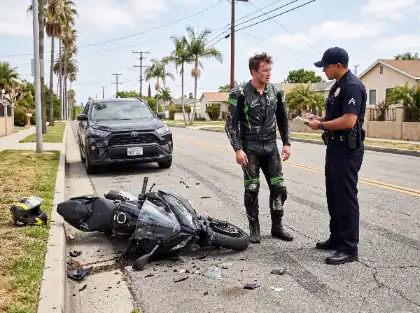 When the other driver denies fault, or when an insurer opens a comparative-fault investigation to reduce your recovery, the timeline extends. Both sides collect evidence: California Highway Patrol (CHP) collision reports, prepared on the CHP 555 form; dashcam or intersection camera footage; witness statements; and expert reconstruction analysis. When footage from a commercial property or a municipal traffic camera is involved, video evidence can disappear quickly, and early preservation is critical.
Cases with multiple defendants take longer still. A rider injured by both a negligent driver and a dangerous road condition controlled by Caltrans, for example, faces two separate claim tracks simultaneously: one against the private driver, and one against the state. Each defendant may have separate counsel and separate insurance adjusters who coordinate independently.
Insurance Company Tactics And The Insurer’s Timeline
Some insurers respond promptly. Others may take longer because they request additional records, investigate liability, evaluate damages, or continue negotiating. These delays can extend the time needed to resolve a claim.
When an insurer refuses to make a fair offer, filing a formal lawsuit, with a summons, complaint, and service of process, changes the dynamic. It imposes court-managed deadlines on the defendant and begins the formal litigation clock.
The Stages Of A California Motorcycle Accident Lawsuit
After filing, a California motorcycle accident lawsuit typically passes through several stages, including service and responsive pleadings, case management, discovery, motions, settlement negotiations or ADR, pretrial proceedings, and, if the case does not settle, trial. The exact sequence and timing vary by court and case.
- Filing the Complaint: Filing a formal complaint and serving the defendant starts the lawsuit. The defendant generally has 30 days to file a written response after being served. That response, whether an answer or a demurrer, frames the contested issues and begins the discovery phase.
- Discovery: The stage when both sides exchange documents, conduct depositions, and consult experts. Complex motorcycle cases, such as one involving disputed biomechanical injury causation or a road-defect claim requiring engineering analysis, may require months of investigation.
- Strong evidence gathered early, including medical records, collision reports, and preserved video, can support depositions and strengthen the case.
- Both parties are entitled to dig into the evidence, and the scope of that investigation controls the pace.
- Settlement Conferences or Mediation: A court may order a mandatory settlement conference under California Rules of Court, Rule 3.1380, and the parties may also participate in mediation or other settlement proceedings before trial.
- Trial: If negotiations fail, the case proceeds to trial. In many California courts, the time between filing and trial can be substantial and depends on the court’s docket, the county, and the complexity of the case. A jury trial in a serious motorcycle injury case may itself run one to three weeks. At the end of a trial, the jury deliberates and returns a verdict. Either party may then appeal, further extending the timeline.
Most personal injury cases settle before a jury reaches a verdict, and motorcycle accident cases broadly follow that pattern. Settlement offers outcome certainty, closes the case on a defined date, and avoids the risk that a jury awards less or nothing.
Ready to understand where your case stands? Call our motorcycle accident lawyers at Arash Law at (888) 488-1391. We offer a free case evaluation. Our team has handled California motorcycle accident claims across the full spectrum of this timeline, from quick insurance resolutions to multi-year jury trials against public entities. You don’t have to deal with insurance companies on your own. We’re here to help you.
Settlement Negotiations Vs. Trial: What To Expect
Settling a California motorcycle accident claim typically provides a known gross settlement amount and a defined closing date once the agreement is fully executed and funded. Going to trial can force a fairer outcome when insurers undervalue your claim, but it carries the risk of a defense verdict.
When fault is disputed, one important issue in settlement negotiations may be whether the rider shares any responsibility for the crash under California’s pure comparative negligence rule. Established by the California Supreme Court in Li v. Yellow Cab Co., 13 Cal. 3d 804 (1975), that rule means that a motorcycle rider found to be 20% at fault for a crash can still recover, but that 20% reduces their damages. This is why insurers push hard to assign you even a small share of blame. A 20% fault assignment on a $500,000 case costs you $100,000 before negotiations begin.
When fault is disputed, settlement negotiations may center on both the value of the damages and the parties’ respective shares of responsibility. Your attorney’s job is to establish the strongest possible liability picture through the investigating agency’s collision report, witness accounts, camera footage, and expert testimony, before any number is discussed.
A settlement offers more certainty about the gross settlement amount and resolution date. Note that the net amount you receive can still vary depending on attorney fees, costs, and lien resolution. Once a settlement is reached, additional time may be needed to execute releases, issue payment, and resolve liens or other outstanding matters.
When insurers dispute liability entirely, deny that the crash caused your injuries, or ignore your future care costs, settlement talks break down, and litigation becomes necessary to move the case forward.
How The Statute Of Limitations Affects Your Lawsuit
California law sets filing deadlines that do not bend for ongoing treatment, insurance negotiations, or uncertainty about whether to hire an attorney. Missing a deadline can permanently bar you from recovering compensation, even if the underlying case is otherwise strong.
- Personal Injury Claims (CCP § 335.1): You have 2 years from the date of the crash to file a personal injury lawsuit against a private party. This is the standard deadline for motorcycle accident claims against individual drivers.
- Government Entity Claims (Gov. Code § 911.2): When a dangerous road, defective traffic signal, or maintenance failure contributes to a crash, a public entity may share liability. California generally requires that a written claim be presented within six months of accrual. Claims against cities or counties go to their designated recipients. Many state claims go through the Government Claims Program, while certain Caltrans claims of $12,500 or less may be filed directly with Caltrans.
- The agency generally has 45 days to act. If it sends a proper written rejection, you usually have 6 months from the date of the notice to file suit.
- Without a qualifying rejection notice, the deadline is generally 2 years from the accrual date.
Missing either deadline may bar the claim, so promptly confirm the correct agency and filing procedure.
- Property Damage Claims (CCP § 338(c)): For damage to your motorcycle or other personal property, you have 3 years to file.
- Minor Tolling: For many private personal injury claims, the filing deadline may be tolled while the injured person is a minor. Government-entity claims, medical malpractice claims, and other specialized claims can have different timing rules, so the applicable deadline should be reviewed with an attorney.
Rare exceptions exist, but the risk of relying on one without legal guidance is significant. These deadlines do not pause during insurance negotiations, during your recovery, or while you are deciding whether to hire a lawyer.
How To Minimize Delays In Your Motorcycle Accident Case
The most effective steps to minimize delays include following your treatment plan, promptly obtaining any available collision report, and preserving surveillance footage before it is overwritten. Other important actions are listed below.
- Follow your doctor’s treatment plan. Attend every appointment. Gaps in medical treatment give insurers grounds to argue that your injuries were not serious or that you failed to mitigate your harm. Both arguments reduce your recovery.
- Request the CHP collision report. If CHP investigated your crash, an eligible party may request the report through CHP’s online crash-report portal or by submitting Form CHP 190. CHP limits access to involved parties and others with a proper interest, including their attorneys and insurers.
- Preserve your evidence immediately. Dashcam footage, cell phone video from the scene, and witness contact information must be secured now. Surveillance footage from nearby businesses or municipal traffic cameras can disappear quickly, sometimes within days or even hours. A preservation letter can put the person or entity controlling the footage on notice that potentially relevant evidence should be preserved.
- Do not give recorded statements to the other driver’s insurer. You are not required to, and anything you say in a recorded statement can be used to reduce or deny your claim.
- Consult a lawyer before settling anything. A free case evaluation with a motorcycle accident attorney costs you nothing and tells you whether the insurer’s first offer reflects real case value. Consider whether hiring a motorcycle accident lawyer makes sense for your situation before making any decisions.
What Arash Law’s Case Experience Means For Your Timeline
Arash Law has recovered over $1 billion for injured clients across California. That track record reflects cases resolved efficiently when the facts allowed it and cases taken all the way through trial when they had to be.
$1,450,000 — Motorcycle Accident: Uneven Pavement In A Construction Zone. Our client, a motorcycle rider, struck uneven pavement in a construction zone, fracturing her ribs and suffering head trauma. The contractors and the city denied liability as the case moved toward trial; it settled on the first day of trial after the defendants offered sufficient compensation.
The firm’s attorneys evaluate whether continued negotiation or litigation is appropriate based on the evidence, damages, and circumstances of each case. See our case results for the full record.
Past results do not guarantee future outcomes. Every case is different, and results depend on the specific facts and evidence involved.
Frequently Asked Questions About Motorcycle Accident Timelines
Motorcycle accident timelines can vary at every stage, from investigating liability to distributing settlement funds. The following answers explain how medical treatment, insurance disputes, liens, lane splitting, and the type of damages claimed may affect how long a case takes.
How Long Does Getting Money After Settling Take?
Under the Fair Claims Settlement Practices Regulations (Cal. Code Regs., tit. 10, § 2695.7(h)), once an insurer agrees to settle and receives any required release, it is generally required to issue payment promptly, often within 30 days. Timing can still vary depending on lien resolution, coverage disputes, or other open issues.
If you have an attorney, the firm typically receives the funds first, deducts agreed legal fees and any outstanding medical liens, and then forwards the remaining amount to you. Lien resolution can add several additional weeks after the settlement check arrives. This delay is especially common when Medi-Cal or a private health insurer paid for your care and has asserted a reimbursement right.
Can A Lane-Splitting Dispute Make My Motorcycle Lawsuit Take Longer?
Yes. Lane splitting does not automatically bar a California motorcycle accident claim. However, a dispute over the rider’s speed, positioning, or conduct can extend the case. Parties may need additional witness testimony, video evidence, or accident-reconstruction analysis to determine fault.
What Happens If The Insurance Company Disputes Liability?
When an insurer challenges fault, it opens its own investigation, requests additional documentation, interviews witnesses, and sometimes hires its own accident reconstruction expert. That process can prolong resolution and may ultimately lead to formal litigation. An skilled motorcycle accident attorney can preserve relevant evidence, use discovery to obtain available evidence from the parties and appropriate nonparties, and use expert testimony to challenge an insurer’s theory of fault.
Why Might Resolving A Medical Lien Delay A Payout?
Medi-Cal, Medicare, and many health plans may have reimbursement rights, lien rights, or subrogation claims against your settlement, and the specific rights depend on the payer and the plan. Negotiating those claims down, as Medi-Cal liens are often negotiable, and confirming the final payoff amount before funds are released can add weeks or months to the disbursement process. An attorney can evaluate and negotiate those claims before your funds are disbursed.
What Is Maximum Medical Improvement?
Maximum Medical Improvement (MMI) is the point at which your treating physician determines your condition has stabilized and is unlikely to improve significantly with additional treatment. It is not necessarily a full recovery; an MMI determination can mean your injury is permanent.
MMI can help doctors and attorneys evaluate permanent limitations, future care needs, and long-term lost earning capacity. However, a formal MMI finding is not required to prove or settle these damages when reliable medical and economic evidence can establish them with reasonable certainty.
Can My Case Be Resolved Faster If I Only Claim Property Damage?
Yes. Property damage claims under CCP § 338(c) involve no medical analysis, no treatment timeline, and no MMI determination. There is no need to calculate future care costs or lost earning capacity. Property-damage-only claims may resolve faster because they do not require evaluation of medical treatment, future care, or lost earning capacity.
Speak With A California Motorcycle Accident Lawyer Today
Your motorcycle accident case has a timeline, and that timeline is running. The sooner you act, the more evidence your attorney has to work with, and the stronger your negotiating position will be. Arash Law’s attorneys are prepared to fight for the maximum compensation your case allows, and if the facts call for trial, they will go to trial.
Call (888) 488-1391 today for a free case evaluation. In that first conversation, we can review your deadline, identify your next steps, and tell you exactly where your case stands.
Arash Law handles motorcycle accident and personal injury claims on a contingency fee basis: you pay no attorney fees unless we obtain compensation on your behalf.
Arash Law. Make Them Pay, Call AK.
Sources
California Legislative Information. Code of Civil Procedure § 335.1: Two-Year Statute of Limitations for Personal Injury and Wrongful Death. California Legislature. leginfo.legislature.ca.gov/faces/codes_displaySection.xhtml?sectionNum=335.1.&lawCode=CCP (accessed September 7, 2026).
California Legislative Information. Government Code § 911.2: Six-Month Government Claim Deadline Against Public Entities. California Legislature. leginfo.legislature.ca.gov/faces/codes_displaySection.xhtml?sectionNum=911.2.&lawCode=GOV (accessed September 7, 2026).
California Legislative Information. Code of Civil Procedure § 338(c): Three-Year Limitation for Property Damage Claims. California Legislature. leginfo.legislature.ca.gov/faces/codes_displaySection.xhtml?sectionNum=338.&lawCode=CCP (accessed September 7, 2026).
California Judicial Council. California Rules of Court, Rule 3.1380 — Mandatory Settlement Conference. Judicial Branch of California. courts.ca.gov/cms/rules/index/three/rule3_1380 (accessed September 7, 2026).
California Department of Motor Vehicles. Insurance Requirements — SB 1107 Minimum Liability Coverage (Effective January 1, 2025). dmv.ca.gov/portal/vehicle-registration/insurance-requirements/ (accessed September 7, 2026).
Disclaimer
Past results do not guarantee future outcomes. Every case is different. The information on this page is for general educational purposes and does not constitute legal advice. No attorney-client relationship is formed by reading or relying on this content. If you were injured, consult a licensed California personal injury attorney about your specific situation. Arash Law: (888) 488-1391.