TL;DR: California personal injury lawyers must complete legal education, pass the state bar exam and MPRE, and receive a positive moral character determination before they can practice. They also develop the skills that matter in personal injury cases, such as evaluating liability, interpreting medical records, and negotiating with insurers, through practical experience after admission. For injured victims comparing attorneys, checking for personal injury experience is just as important as confirming that they are licensed.
If you were injured in an accident and are looking for legal help, understanding what it takes to become a personal injury lawyer can help you evaluate the attorneys you’re considering. In California, a personal injury lawyer must have completed the required legal education, passed the California Bar Exam and the Multistate Professional Responsibility Examination (MPRE), satisfied the State Bar’s moral character requirement, and been formally admitted to practice.
Most attorneys follow the traditional path of undergraduate studies followed by law school, though California also offers alternative routes, such as the Law Office Study Program. However, passing the bar is only the starting point. Personal injury lawyers build experience through actual practice: handling tort claims, navigating civil procedure, negotiating with insurance companies, and litigating when necessary. That means investigating accidents, gathering evidence, identifying liable parties, and documenting damages — not just knowing the law on paper.
The right attorney should also communicate clearly and explain what to expect throughout your case. Understanding both the formal qualifications and the practical skills makes it easier to choose someone genuinely prepared to advocate for you.
Key Facts About a California Personal Injury Lawyer’s Qualifications
- The State Bar of California’s current directory identifies four types of law schools: ABA-approved, California-accredited, jointly accredited, and registered unaccredited law schools.
- The State Bar of California Law Office Study (LOS) Program allows bar eligibility through supervised study in a law office or a judge’s chambers and requires four years of qualifying study.
- State Bar of California data reports California Bar Exam pass rates of 30.8% in February 2026, 54.8% in July 2025, 33.9% in February 2024, and 53.8% in July 2024.
- The State Bar of California requires applicants to pass the Multistate Professional Responsibility Examination (MPRE), which the National Conference of Bar Examiners administers.
- You can verify any California attorney’s license status, standing, and disciplinary history for free through the State Bar’s online attorney search tool.
Table of Contents

Required Legal Education
Before trusting a lawyer with your case, it helps to know what “completing legal education” actually requires in California. The state offers several ways to satisfy the educational requirements for becoming an attorney. Most aspiring lawyers follow the traditional path of completing a bachelor’s degree and attending law school, although a bachelor’s degree is not itself required by California’s bar admission rules.
Before beginning legal study, applicants generally must have completed at least two years of college or demonstrate equivalent intellectual achievement under State Bar rules.
For those following the traditional law school route, there is no required undergraduate major. Courses in history, English, political science, philosophy, or similar subjects may help develop analytical writing and reasoning skills. Undergraduate academic performance can also affect law school admission.
Many law schools consider Law School Admission Test (LSAT) scores, while some accept alternatives such as the Graduate Record Examination (GRE). Testing policies vary by school. The LSAT’s multiple-choice sections assess reading comprehension and logical reasoning, while LSAT Argumentative Writing is a separate, unscored writing component. These are the foundational reasoning and writing skills an attorney will later rely on to evaluate a claim and present it effectively.
State Bar Registration and First-Year Exam Requirements
Aspiring California lawyers must register with the State Bar as a law student or attorney applicant, and, depending on their educational path, may also need to pass the First-Year Law Students’ Examination (FYLSX). This requirement generally applies to students at registered unaccredited law schools and participants in the Law Office Study Program, though exemptions may apply.
However, whether the First-Year Exam previously applied to an attorney’s path doesn’t replace the need to evaluate their experience handling personal injury claims. For injured victims, the practical takeaway is: you can verify whether your attorney is licensed and in good standing directly through the State Bar of California.
Legal Education Paths for California Personal Injury Lawyers
California personal injury lawyers may come from different educational backgrounds. The State Bar of California identifies four types of law schools in the state:
- ABA-Approved Law Schools: These schools are approved by the American Bar Association and are deemed accredited by the State Bar of California’s Committee of Bar Examiners.
- Jointly Accredited Law Schools: These schools are accredited by the State Bar’s Committee of Bar Examiners and also hold institutional accreditation recognized by the U.S. Department of Education.
- California-Accredited Law Schools: These schools are accredited by the State Bar of California’s Committee of Bar Examiners and may offer instruction in person, online, or through a combination of formats.
- Registered Unaccredited Law Schools: These schools are not accredited by the ABA, the State Bar, or any other regulatory accreditor, but are registered with the State Bar as required by California law.
California also provides an alternative to attending law school. Through the Law Office Study Program, applicants may complete qualifying legal study in a law office under the supervision of an eligible California attorney or in the chambers of a qualifying California judge.
The program requires four years of qualifying study. Participants must also satisfy applicable State Bar requirements, including the First-Year Law Students’ Examination, unless an exemption applies, as well as the requirements for eventual admission to practice law.
This distinction matters if you’re vetting an attorney. Whether they attended an ABA-approved school or came through an alternative path like the LOS Program, both are legitimate routes to licensure in California, but neither alone tells you about their injury case experience.
California’s Licensing Requirements
Every practicing attorney must clear the State Bar requirements. These include passing the California Bar Exam and the Multistate Professional Responsibility Examination (MPRE), receiving a positive moral character determination, and satisfying other applicable admission requirements.
These requirements can establish that an attorney has met California’s baseline standards for legal knowledge, ethics, and fitness to practice.
Pass the California Bar Exam

The California Bar Exam is one of the primary testing requirements for admission to practice law in the state. It tests major areas of law, including subjects relevant to personal injury practice such as torts, civil procedure, and evidence.
The California Bar Exam has historically had challenging pass rates, including 30.8% in February 2026, 54.8% in July 2025, 33.9% in February 2024, and 53.8% in July 2024, according to State Bar of California data. In many recent administrations, February pass rates have been lower than July pass rates, although February 2025 was a notable exception.
Tort law is particularly relevant to personal injury practice because it encompasses negligence and other principles that attorneys use to evaluate liability, causation, and damages. Your attorney will use those same principles to evaluate whether you have a viable claim and what compensation you may be entitled to.
Applicants who do not pass may apply to take a later administration. Another application and applicable fee are generally required for each attempt, and bar preparation can involve additional time and expense.
Pass the Multistate Professional Responsibility Examination
The Multistate Professional Responsibility Examination (MPRE) is a separate national ethics examination administered by the National Conference of Bar Examiners. It tests professional-responsibility principles that prepare applicants to understand lawyers’ ethical obligations. California requires applicants to achieve a passing score on the MPRE as part of the admissions process.
Once licensed, California attorneys must comply with the California Rules of Professional Conduct, including rules governing client communication, confidentiality, and the handling of client funds. All of which matters given how much sensitive medical, financial, and insurance information clients may be sharing with them.
Receive a Positive Moral Character Determination
Every attorney must also receive a positive moral character determination from the State Bar of California before they can practice.
The review considers information relevant to an applicant’s present moral character and fitness to practice law, including factors like employment history, criminal history, and financial responsibility. The State Bar says processing generally takes at least 6 months after an application is deemed complete and encourages applicants to apply 8 to 10 months before they hope to be admitted.
This means your attorney went through a substantial vetting process before becoming licensed to practice.
Passing the California Bar Exam doesn’t eliminate this requirement. Every attorney must clear it, along with all other applicable admission requirements, before becoming licensed. For you as a potential client, this is part of the broader screening process behind an attorney’s authority to represent you, and it’s one more thing you can confirm is in good standing through the State Bar’s attorney search tool.
What Licensing Doesn’t Tell You
After satisfying the applicable education, examination, moral character, and other admission requirements, an applicant must complete the State Bar’s enrollment process and take the attorney’s oath. After taking the oath and submitting the completed New Licensee Registration and Attorney Oath form, the attorney may practice California law while the State Bar processes enrollment and assigns a bar number. The attorney may then choose to focus on areas such as personal injury.
Here’s the part that matters most for you as an injured client: licensing establishes that someone is authorized to practice law. It does not, however, demonstrate substantial experience handling injury claims by itself. Those skills are usually developed after or alongside formal legal training through work on actual cases. That distinction is exactly what you should weigh when comparing a newly licensed attorney against one with a track record of personal injury cases.
What to Look For: Real Personal Injury Experience
A license confirms that someone can practice law, but what significantly helps your case is experience specific to injury claims. Experience with negligence law, insurance claims, medical evidence, damages, negotiations, civil procedure, and litigation is important.
Attorneys typically build this through:
- Judicial Clerkships: Working with a judge to analyze legal questions and observe how courts evaluate evidence and legal arguments.
- Firm Internships: Assisting with research, evidence, case files, communications, and trial preparation under appropriate supervision.
- Associate Positions: Working on client matters while developing experience with case strategy, discovery, negotiations, and litigation under the guidance of more experienced attorneys.
When you’re comparing attorneys, ask about this kind of background directly. A law license demonstrates that an attorney has met California’s admission requirements, while lawyers develop experience handling personal injury matters through actual legal practice. That experience may affect how efficiently a lawyer identifies liability issues, evaluates damages, deals with insurers, and prepares a claim for litigation if necessary.
Reading Medical Records: A Core Skill in Personal Injury Practice
Personal injury cases often rely on medical evidence. Treating physician notes, imaging reports, surgical records, and rehabilitation documentation can help establish the nature of an injury, the treatment received, and its effects on your health and recovery.
A lawyer’s ability to read, interpret, and use these records is an important skill in personal injury practice and is often developed further through practical experience and specialized training.
If your injury is serious or long-term, it’s worth asking a prospective attorney about their experience working with medical evidence. Ask about how they identify gaps in documentation, understand future treatment needs, and present the medical impact of an injury.
The California injury attorneys at Arash Law have recovered over $1 billion for injured clients across California, with each case requiring the development of its own medical, liability, and damages evidence.
Networking and Professional Development
The Consumer Attorneys of California provides legal education resources, legislative updates, and networking opportunities for plaintiff attorneys. Continued professional development can help lawyers stay current on changes in personal injury law, litigation practices, and issues that may affect injured clients.
Continuing education is also not optional in California. Active licensees generally must complete 25 hours of Minimum Continuing Legal Education (MCLE) during each applicable compliance period, including specified minimum hours in subjects such as legal ethics, competence issues, and the recognition and elimination of bias in the legal profession.
Attorneys must report compliance to the State Bar, and failure to comply can lead to noncompliance status and eventual involuntary inactive enrollment, which suspends the ability to practice. Personal injury attorneys often satisfy these hours through programs on tort law, evidence, trial practice, and insurance issues, which also keeps them current on developments affecting injured clients.
Why Experience Matters When Choosing a Personal Injury Lawyer
If your lawyer has the right qualifications, licensing, and practical experience, they may be better prepared to handle the legal, medical, and insurance issues involved in a personal injury claim.
Experience with injury cases can help an attorney evaluate liability, review medical records, document damages, negotiate with insurers, and prepare a case for litigation when necessary. That can be especially important in serious injury cases or claims involving disputed fault or complex evidence.
Arash Law’s attorneys handle serious injury cases throughout California. Call us at (888) 488-1391 for a free case evaluation.
Frequently Asked Questions About a Personal Injury Lawyer’s Qualifications
The questions below can help you evaluate an attorney’s background, how long their training took, what makes injury litigation demanding, and what their license does and doesn’t guarantee about their experience with cases like yours.
How Long Does It Take to Become a Personal Injury Lawyer in California?
If an attorney followed the common bachelor’s degree and J.D. route, the educational portion typically takes about seven years: roughly four years of undergraduate study and three years of law school. California also recognizes alternative routes to satisfying its educational requirements.
Bar preparation, the MPRE, and the moral character process can extend the timeline beyond the seven-year educational baseline. The process may also take longer if an applicant needs more than one attempt to pass the bar exam.
What Makes Personal Injury Law Particularly Challenging?
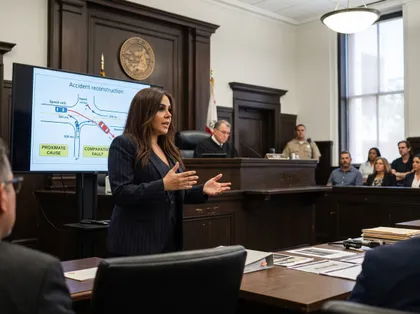
Personal injury practice can require attorneys to work across several areas at once, including tort law, civil procedure, insurance issues, damages, and medical evidence. Cases involving catastrophic injuries may also require detailed medical records, expert testimony, and evidence concerning long-term care or disability.
Torts is one of the subjects tested on the California Bar Exam, along with civil procedure, evidence, contracts, constitutional law, criminal law and procedure, and other subjects. California’s recent bar exam pass rates have varied significantly, with rates of 30.8% in February 2026 and 54.8% in July 2025.
Can an Attorney Practice Law in California Without Going to Law School?
Yes. California offers the Law Office Study (LOS) Program, which allows you to complete a qualifying legal study under the supervision of an eligible California attorney or judge instead of attending law school. The program requires four years of qualifying study. This route is just as legitimate as traditional law school; it isn’t a shortcut you should discount when reviewing a lawyer’s background.
Should I Look for an Attorney Who Focused on Certain Subjects in Law School?
Torts, civil procedure, and evidence are especially relevant for personal injury practice. Torts covers legal principles governing civil wrongs, including negligence, liability, and damages. Civil procedure covers the rules and processes used in civil lawsuits, while evidence addresses what information may be admitted and presented during litigation. These subjects are also tested on the California Bar Exam.
Does a Lawyer Need a Separate License to Practice Personal Injury Law?
No. California does not require attorneys to obtain a separate personal injury license before handling injury cases. Once an attorney is admitted and authorized to practice law in California, they may focus their practice on personal injury law. Attorneys develop experience in areas such as negligence, insurance claims, medical evidence, settlement negotiations, and litigation through continuous education, training, and actual legal practice.
What Does a Personal Injury Lawyer Do Each Day?
A personal injury attorney may spend the day investigating and advancing client cases. Tasks can include collecting police reports, medical records, and witness statements; evaluating liability and damages; communicating with insurers and other parties; and preparing demand letters or settlement proposals.
If a case does not resolve, the attorney may prepare court filings, conduct discovery, work with experts, take or defend depositions, and prepare for trial. Understanding the damages that may be available in serious cases, including compensation available for catastrophic injuries, is also part of evaluating and presenting a personal injury claim.
Talk to Arash Law About Your California Injury Case
Understanding how personal injury lawyers are educated, licensed, and trained can also help injured people evaluate who they trust with a claim. Licensing establishes that an attorney is authorized to practice law, but experience handling injury cases, medical evidence, insurance disputes, negotiations, and litigation can also matter.
Arash Law represents injured people throughout California and has recovered over $1 billion for clients. If you or someone you love was injured because of another person’s negligence, our attorneys can review your case, explain your legal options, and help you understand the deadlines that may apply.
Call (888) 488-1391 for a free case evaluation, or reach out online anytime.
Arash Law — Make them pay, call AK.
Sources
State Bar of California: Legal Education. Overview of the educational routes that can satisfy California Bar Exam eligibility requirements, including ABA-approved, California-accredited, registered unaccredited, and law office study pathways.
https://www.calbar.ca.gov/admissions/requirements/education/legal-educationState Bar of California: Law Schools Directory. Information on the four types of law schools in California: ABA-approved, jointly accredited, California-accredited, and registered unaccredited law schools.
https://www.calbar.ca.gov/admissions/law-schools/law-schools-directoryState Bar of California: Law Office Study Program. Requirements for completing qualifying legal education through supervised study in a law office or judge’s chambers.
https://www.calbar.ca.gov/admissions/requirements/education/legal-education/Law-Office-or-Judges-ChamberState Bar of California: General Bar Examination Pass Rate Summary. Pass-rate data by exam administration, including February 2026, July 2025, February 2024, and July 2024.
https://www.calbar.ca.gov/sites/default/files/2026-05/GBXpassratesummary-0226.pdfState Bar of California: Scope of the California Bar Examination. Subjects and format of the California Bar Exam, including torts, civil procedure, evidence, contracts, constitutional law, and criminal law and procedure.
https://www.calbar.ca.gov/admissions/examinations/california-bar-examination/scope-california-bar-examinationState Bar of California: Multistate Professional Responsibility Examination. California’s MPRE requirement and information about the exam’s administration by the National Conference of Bar Examiners.
https://www.calbar.ca.gov/admissions/examinations/multistate-professional-responsibility-examinationState Bar of California: Moral Character. Information on the moral character determination process and expected review timeline.
https://www.calbar.ca.gov/admissions/moral-characterState Bar of California: Submitting a Moral Character Application. Guidance on when applicants should submit their application, including the recommended 8–10-month lead time.
https://www.calbar.ca.gov/admissions/moral-character/submitting-applicationConsumer Attorneys of California. A professional organization is referenced in the article’s discussion of networking and professional development.
https://www.caoc.org/Disclaimer
The information on this page is for general educational purposes and does not constitute legal advice. No attorney-client relationship is formed by reading or relying on this content. If you were injured, consult a licensed California personal injury attorney about your specific situation. Arash Law: (888) 488-1391.