TL;DR: You are not automatically liable for a crash caused by mechanical failure. Liability depends on why the part failed and whether you knew about the safety issue. Hidden defects, bad repairs, or sudden failures may shift fault to another party.
Highlights:
- Arrange an independent inspection before any repairs or parts replacement.
- Ask the tow yard in writing not to release, repair, or destroy it.
- Collect maintenance logs, repair invoices, and any mechanic warnings.
- Photograph dashboard alerts, tire condition, and any visible failed components.
- Check NHTSA recalls by VIN and save the recall results.
- File injury claims within 2 years; property damage within 3 years (California).
- Talk to a lawyer early to line up experts and protect evidence.
Tip: When reporting the crash, stick to observable facts and say the cause is pending inspection.
Table of Contents
A crash involving a mechanical failure in your vehicle does not automatically make you liable in California. Liability depends on why the part failed and whether you knew, or reasonably should have known, about the problem before the crash. If evidence shows that you ignored warning signs, skipped needed maintenance, or drove after learning the vehicle was unsafe, you may share responsibility for the accident.
Still, you may not be liable if:
- A defective part or product caused the failure.
- A mechanic or repair shop missed the issue during an inspection or performed the work incorrectly.
After the crash, keep the vehicle, repair records, recall notices, photos, videos, and witness details. These records can help investigators and motor vehicle accident lawyers determine what caused the failure and who may be responsible.
Can A Mechanical Failure Make The Driver Liable?
Yes, but only if the facts support it. A driver may be liable if they fail to use reasonable care to keep the vehicle safe. Reasonable care means acting as a careful person would under similar circumstances.
A driver may share fault if they:
- Ignored worn brake pads, low tire pressure, dashboard warnings, or unusual sounds.
- Drove the vehicle after knowing that there were serious safety issues.
- Failed to complete repairs after a recall or safety warning.
- Used mismatched, damaged, bald, or improperly inflated tires.
- Continued driving after a mechanic warned that the vehicle was unsafe.
A driver is not automatically liable just because a part failed. If the defect was hidden, sudden, or caused by negligent repairs or manufacturing problems, another party may be responsible.
In California, the rule of pure comparative negligence applies. You can still get compensation even if you were partly at fault. However, the amount you recover will be reduced by your share of the fault. For example, if you are found 35% responsible, you may still recover 65% of your losses.
Who Else May Be Responsible For The Accident?
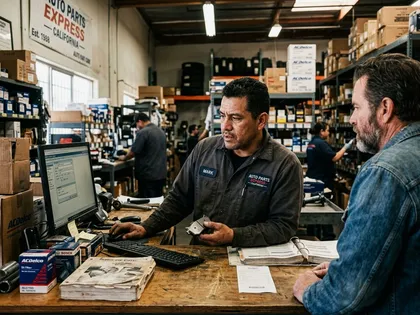
Mechanical failure cases may involve more than one responsible party. Liability can depend on what caused the failure and how the accident happened. In some cases, the injured driver or vehicle owner may have a claim instead of being fully responsible for the crash.
Manufacturers And Auto Parts Companies
A defective part can turn what first looks like a driver’s mistake into a product liability claim. In these cases, the key question is whether the vehicle or one of its parts was defective. The defect may involve how the part was made, how it was designed, or whether the manufacturer failed to give proper warnings. The claim also looks at whether the defect caused the crash and the injuries or losses that followed.
Common mechanical failures that may support a product liability claim include:
- Tires that blow out or come apart because of a design or manufacturing defect.
- Brakes that fail because of defective parts or poor assembly.
- Steering defects that make the vehicle hard to control.
- Airbags that do not deploy, or deploy incorrectly, because of a defect.
- Seatbelts that fail during a crash because of defective parts or poor design.
- Defective accelerators or electronic systems that cause the vehicle to move unexpectedly.
- Faulty headlights, brake lights, turn signals, or warning systems caused by a product defect.
When defective braking systems contribute to a collision, victims may have grounds for a brake failure accident claim against the responsible manufacturer or parts distributor. Brake failure attorneys can help investigate the defect, preserve key evidence, and identify potential responsible parties.
A product defect may directly cause the crash and worsen injuries. For example, defective brakes may cause a collision. Meanwhile, a defective airbag or seatbelt may worsen the injuries. The National Highway Traffic Safety Administration (NHTSA) allows consumers to check for recalls by vehicle identification number, make, model, tire, car seat, or equipment. A recall does not, by itself, prove liability, but it can help identify known safety issues.
Product liability injury lawyers often work with expert witnesses in mechanical failure cases. These cases can be technical, especially when a failed part, repair issue, or design problem may have contributed to the crash.
Experts can inspect the damaged vehicle, review maintenance records, and examine the failed parts. Their findings can help show what went wrong, whether a defect caused the breakdown, and who may be responsible.
Repair Shops Or Mechanics
A repair shop may be liable if careless work caused the mechanical failure. In simple terms, negligence means someone failed to use reasonable care, and that failure caused harm.
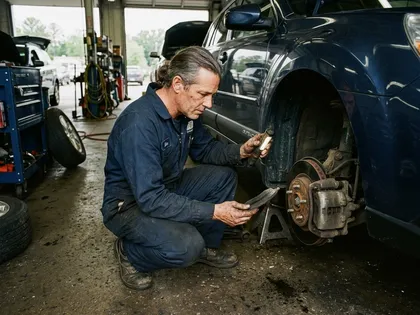
A repair-related mechanical failure may involve situations where:
- The shop installed brakes, tires, steering parts, or suspension components incorrectly.
- The shop missed a serious safety issue during the requested work.
- The shop used defective, mismatched, or unsafe replacement parts.
- The shop left repairs unfinished or performed them improperly.
- The shop found a dangerous condition but failed to warn the customer.
The repair shop’s responsibility usually depends on what you ask it to inspect or repair. For example, a shop hired only to replace a battery may not have the same duty to inspect the brakes as a shop hired to diagnose a braking problem. That is why repair records, invoices, and expert review can matter.
Some drivers find these cases complicated. So, they seek free advice from a motor vehicle accident lawyer to learn about their options. This is especially important if there is shared or disputed liability.
Frequently Asked Questions
Many injured people ask, “I need a personal injury lawyer, but what should I do first?” Mechanical failure cases can involve repair records, recalls, expert inspections, and disputed fault. These FAQs explain the key issues to consider after this type of crash.
What Deadlines Apply In California?
In California, there are legal time limits known as the statute of limitations. The general deadline for personal injury claims is two years from the date of injury. Property damage claims generally have a three-year deadline. Still, exceptions may apply in certain cases.
What Evidence Should I Save After A Mechanical Failure Crash?
Save the vehicle, failed parts, repair records, recall notices, photos, videos, witness details, insurance letters, and medical records. If the vehicle is at a tow yard, ask that it not be repaired, sold, or destroyed before inspection.
Also, keep any dashboard warnings, unusual noise complaints, tire pressure issues, brake concerns, or prior mechanic recommendations.
What Compensation May Be Available?
If another party’s negligence or defective product caused the accident, injured people may pursue compensation for economic and non-economic losses. Economic losses are financial costs. Non-economic losses are human losses that do not come with a fixed bill.
Compensation may include:
- Medical bills and future treatment.
- Lost income and reduced earning ability.
- Property damage and vehicle repairs.
- Pain and suffering.
- Emotional distress.
- Loss of enjoyment of life.
Medical documentation matters. Emergency room records, primary care notes, surgeon reports, physical therapist files, and chiropractic records can link your injuries to the crash. These documents also show how these injuries impacted your daily life.
Compensation depends on liability, insurance coverage, injuries, evidence, treatment, and the impact of the crash on the injured person’s life. No lawyer should promise a specific result before investigating the facts.
How Much Does It Cost To Hire A Lawyer In California?
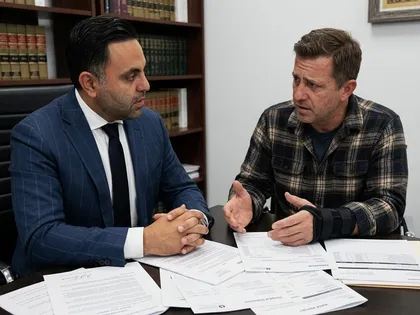
The cost depends on the complexity of the case and the lawyer’s fee structure. For mechanical failure accidents, more resources may be necessary to manage the case. If you’re asking, “Do lawyers only get paid if they win?” Many personal injury lawyers, such as those at Arash Law, handle accident cases on a contingency fee basis. That means you only pay the attorney’s fees if they can get compensation on your behalf. Fee terms vary, so ask the attorney to explain the full fee arrangement before you sign.
Should I Talk To The Insurance Company Before The Vehicle Is Inspected?
Report the crash as your policy requires. But be careful about recorded statements and admitting fault. You can share basic facts while avoiding guesses about what caused the failure.
If the cause is unclear, say that the vehicle needs inspection. Mechanical failure cases can change once experts review the failed parts, repair history, and recall information.
Consider Legal Help After A Mechanical Failure Accident
A mechanical failure accident can leave you blamed for a crash you did not fully cause. It can also leave you fighting insurers, repair shops, manufacturers, or parts companies while you are trying to recover.
Our motor vehicle accident attorneys at AK Law can provide legal support. We can review the crash, preserve key evidence, and help identify potential responsible parties. Our team can work with experts to investigate mechanical failures and support your claim. Call (888) 488-1391 for a free initial consultation. No fees unless we win.