TL;DR: California car accident claims usually stay out of the public record due to private settlement practices. Injured motorists may see information disclosed only when a case proceeds to trial or a court order allows access to filings.
Highlights:
- Car accident claims are typically confidential in California unless a court order is issued.
- Settlements are usually private and do not appear in public records.
- Personal injury trials are public; details can be accessed by anyone in attendance.
- Accident reports, such as those from the CHP or DMV, can be released to specific parties.
- Driving records may be accessed by authorized parties, including insurers and legal entities.
- It’s crucial to avoid making public statements or accepting quick settlement offers.
Tip: Stick to facts when discussing your case, and avoid sharing sensitive information prematurely.
Table of Contents
No, car accident claims are usually not part of the public record in California. Private settlements stay confidential unless filed in court. Meanwhile, lawsuits, verdicts, and judgments are public unless sealed by a court order.
Details of car accident claims are typically kept private among those involved. That helps keep sensitive information, such as a victim’s medical history, losses, and settlement amount, away from prying eyes. This privacy is one of the key reasons many claims resolve before trial.
Why Are Car Accident Claims Confidential?
Generally, car accident claims are not part of the public record because they usually involve personal information protected under California’s privacy laws. For this same reason, most settlement agreements also come with confidentiality clauses. However, things may change if negotiations with insurers fail and car accident victims pursue further legal action.
Car Accident Claims Vs. Lawsuits: Are They Part Of The Public Record?
A personal injury settlement typically occurs between an insurance company and the claimant or their lawyer, and it does not go through a court or jury. These settlements may involve calls with insurance representatives or meetings with mediators in California.
An injury trial, on the other hand, involves a judge and a jury. A trial has each side of a dispute presenting their arguments; then, a judge or jury decides the outcome. This process differs from the parties settling the matter themselves.
As a result, a settlement will not be part of the public record. However, a personal injury trial is a public affair. Anyone can attend hearings and trials. From courtroom journalists to even strangers, anyone present can become privy to details such as:
- The names of the plaintiff and defendant.
- The facts of the case.
- Statements and testimony from witnesses.
- The presented evidence.
- The plaintiff’s injuries and losses.
- Personal details about the plaintiff’s family.
- Arguments used by both sides.
- The case’s verdict.
- The amount of the final award, if any.
However, exceptions may apply. In some cases, certain parties can request information about car accident claims for approved purposes. Similarly, the details of a trial can be sealed by a court order.
What Parts Of A Car Accident Claim Can Become Public?
Though the details of a car accident claim are generally kept private, California law allows parties other than those involved to access specific information under limited circumstances. These include:
Official Accident Reports
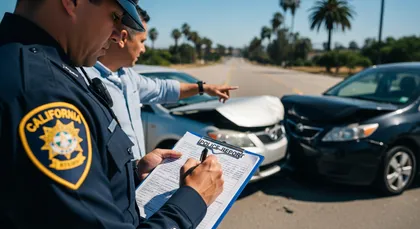
A car accident report includes details about the events before, during, and after the incident. It may also detail a responding officer’s initial conclusions on who may be at fault for the collision. While you don’t need a copy of an accident report to file a claim, it can serve as supporting evidence for your case.
According to California Vehicle Code §20012, crash reports from the Department of Motor Vehicles and the California Highway Patrol are generally confidential. However, they can be released to the following parties:
- An injured driver or passenger.
- An authorized representative, such as a legal guardian (for minors) or a conservator.
- The owner of a vehicle involved in the collision.
- The owner of the property that was damaged in the crash.
- Individuals who may face civil liability as a result of the accident.
- Attorneys representing any of the parties listed above.
Driving Records
When pursuing compensation, you may need to see the at-fault party’s driving history, such as to resolve legal disputes or settle an insurance claim. In other cases, someone else might need to access yours. For example, they may request this information if they’re buying a used car you put up for sale.
The Driver’s Privacy Protection Act (DPPA) generally restricts the disclosure of personal information from motor vehicle records, but it also allows disclosure without consent for specific permissible purposes, such as:
- Government Functions: For courts, law enforcement agencies, and other public entities that need this information to perform official tasks.
- Motor Vehicle Safety: For manufacturer investigations into safety recalls, emissions, theft, and advisories.
- Legitimate Business Needs: For businesses that verify personal information, such as banks and employers, when screening applicants for driving-related jobs.
- Legal Proceedings: For civil or administrative cases in which accident records are required as evidence.
- Insurance Purposes: For insurers that manage claims, combat fraud, handle underwriting, and assess risks.
What Steps Should You Take After A Car Accident In California?
The actions you take following a car accident can have a significant impact on your injury claim. Here are some common steps that apply after most crashes:
- After receiving immediate medical care, attend all follow-up appointments and follow the treatment plan your doctor prescribed for your recovery.
- Report the car collision to your insurance provider. Your policy may be able to cover any urgent costs you incur as you pursue compensation.
- Seek legal guidance. Car accident lawyers can explain your legal rights and help you understand the claims process. They can also answer any questions you may have about your privacy as a claimant.
- Do not provide recorded statements to an insurance company without legal assistance. What you say can affect how insurers review your claim.
- Avoid accepting quick settlement offers. Once you receive a payout, you typically cannot pursue compensation for the same car accident. That means you take on the risk of future medical costs. Instead, consider waiting until your condition stabilizes before reviewing any settlement offers with a lawyer.
Frequently Asked Questions (FAQs) About Confidentiality In Car Accident Claims
Many car accident victims seek free accident lawyer advice to address their privacy concerns when filing personal injury claims. Here are some of the answers to the questions they frequently ask:
How Does A Private Settlement Work? Are There Any Exceptions?
After a car accident, you sign a formal agreement if you accept a settlement offer from the other driver’s insurer. In most cases, this legally binding document includes a confidentiality clause. However, settlement details may still be shared in the following scenarios:
- Someone Breaks Confidentiality: One side talks publicly about the settlement, despite having agreed not to.
- A Court Gets Involved: If one party fails to meet the settlement terms, the other can take legal action. Court documents might then show parts of the agreement.
- Media Attention: In high-profile accidents involving public figures, the press may become involved. However, it may be difficult for journalists to obtain information about the actual settlement terms unless they’re disclosed by someone involved in the crash.
Do All Car Crashes Show Up On Your Accident Record In California?
Not all accidents appear on your record. Very minor incidents are unlikely to be recorded, especially if they don’t need to be reported to the police. Examples include minor bumps and scrapes in a parking lot that don’t result in injuries or significant property damage.
How Long Does An At-Fault Accident Stay On Your Insurance Record?
In California, car accidents can stay on your insurance record for several years, especially if you share fault for the crash. However, timeframes can vary across insurers.
Is A Settlement Private?
Yes. Settlement agreements typically include confidentiality terms that prevent the parties from disclosing information to outsiders or the public.
Are Lawsuit Settlements Made Public?
Yes, but only in certain situations. Lawsuits can settle at any point before going to trial. Private out-of-court settlements are typically not part of the public record and remain confidential.
Can Someone Google My Settlement Amount?

Someone cannot Google your settlement amount if it was agreed upon privately. However, they may be able to search for it online if it appears in a judgment, published opinion, press coverage, or a filed settlement.
Contact A Lawyer For Help With Your Car Accident Claim
Car accident claims are typically confidential. They don’t become public until someone shares them. Judgment searches, news articles, and legal research sites can provide some information. However, there is no official government database that lists all settlements.
If you choose to push through with filing a compensation claim but are worried about protecting your privacy while doing so, you may be thinking, “I need a personal injury lawyer.” Our car accident lawyers at Arash Law can help you understand your options and plan your next steps. We also offer a contingency fee agreement. If you’ve ever wondered, “Do lawyers only get paid if they win?” the answer is yes under this no-win, no-fee policy. If you sign on as one of our clients, you don’t have to pay our attorneys unless they obtain compensation on your behalf.
Call AK Law at (888) 488-1391 to schedule a no-obligation initial consultation.