TL;DR: The best cars for elderly drivers are those with high safety ratings, advanced driver-assistance features, and ergonomic designs that reduce injury risk from accidents or strain. Seniors face higher risks due to slowed reaction times, joint pain, and declining vision, making robust safety and comfort features essential. Timely vehicle choice matters as delayed decisions can increase injury risk or insurance costs, with older drivers and those with mobility issues most affected.
Table of Contents
As we age, driving can feel harder for a variety of reasons. Vision can change. Joints can feel stiff. Reaction time can slow down. The best cars for elderly drivers make driving easier and safer by combining strong crash protection, easy access, and helpful safety technology.
This guide explains what to look for and lists top vehicle options using safety information from trusted sources, including the National Highway Traffic Safety Administration (NHTSA) and the Insurance Institute for Highway Safety (IIHS), along with expert vehicle reviews.
What Makes A Car Safer And Easier For Seniors To Drive
A car can feel safer and less stressful for older drivers when it offers:
- Smooth, predictable handling
- Easy entry and exit
- Strong visibility through large windows and minimal blind spots
- Simple, readable controls
- High safety ratings from NHTSA and IIHS
Many newer vehicles also include driver-assistance features that can help you spot hazards sooner and avoid common crashes. These features can include:
- Automatic emergency braking
- Blind-spot monitoring
- Lane-keeping assist
- Adaptive cruise control
Fuel efficiency can also matter, especially for seniors on fixed incomes. A vehicle that uses less fuel can reduce how often you need to stop for gas.
Today’s market includes several fuel-saving options:
- Hybrid Electric Vehicles (HEVs) — These combine a gas engine with an electric motor and battery. They recharge through regenerative braking and do not require plugging in.
- Plug-In Hybrid Electric Vehicles (PHEVs) — These can run on electricity alone for short trips, then switch to gas. They require access to charging to get the most benefit.
- Battery Electric Vehicles (BEVs) — These run on electricity only and have fewer moving parts than gas vehicles. They require charging access.
Best Cars For Seniors: Safe, Comfortable, And Budget-Friendly
Below are strong options for elderly drivers based on safety ratings and senior-friendly design.
Honda HR-V
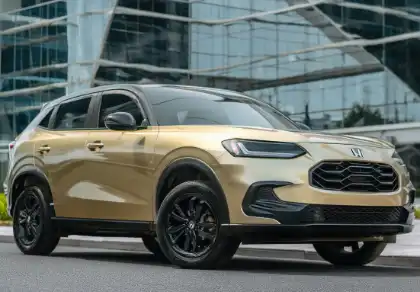
- 2026 Model MSRP: Starts at $26,500
- NHTSA Safety Rating: 5/5 stars
- IIHS Safety Rating: Top Safety Pick+
The Honda HR-V is easy to drive and simple to access for older drivers. Its slightly higher seating position helps with entry and exit, while the compact size makes parking and handling easier.
Key features include:
- Adaptive cruise control
- Lane-keeping assist
- Automatic emergency braking
EX-L trim highlights:
- Heated leather seats
- Blind-spot monitoring
- Power-adjustable driver’s seat
Honda Accord
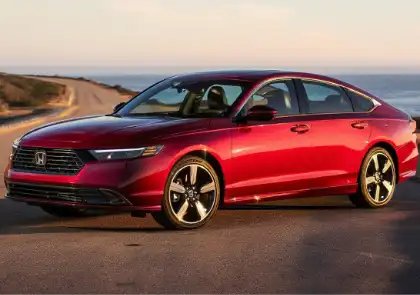
- 2025 Model MSRP: Starts at $28,295
- NHTSA Safety Rating: 5/5 stars
- IIHS Safety Rating: Top Safety Pick+
The 2025 Honda Accord offers comfort, safety, and easy-to-use controls for older drivers. Its spacious interior and smooth ride help reduce fatigue during daily driving and longer trips.
Honda Sensing safety features include:
- Lane-keeping assist
- Forward collision warning
- Adaptive cruise control
Toyota Camry
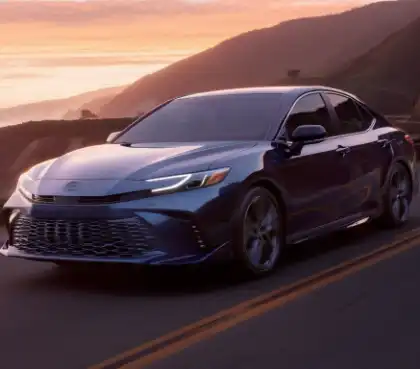
- 2026 Model MSRP: Starts at $29,100
- NHTSA Safety Rating: 5/5 stars
- IIHS Safety Rating: Top Safety Pick+
The Toyota Camry is a reliable and easy-to-use option for older drivers. Its roomy interior and simple controls make daily driving more comfortable.
Toyota Safety Sense 3.0 includes:
- Automatic emergency braking
- Lane-keeping assist
- Road sign recognition
- Adaptive cruise control
Additional benefits:
- A hybrid option with strong fuel efficiency to reduce gas stops.
- Available all-wheel drive for better stability in different weather.
Honda CR-V
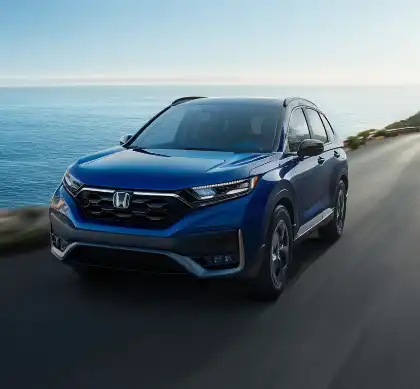
- 2025 Model MSRP: Starts at $30,100
- NHTSA Safety Rating: 5/5 stars
- IIHS Safety Rating: Top Safety Pick
The 2026 Honda CR-V offers space, visibility, and easy-to-use safety features for older drivers. Its higher seating position and large windows improve awareness on the road.
Standard safety features include:
- Automatic emergency braking
- Lane-keeping assist
- Adaptive cruise control
EX trim highlights:
- Blind-spot monitoring
- Rear cross-traffic alert
- Heated front seats
- Power-adjustable driver’s seat
Kia Telluride
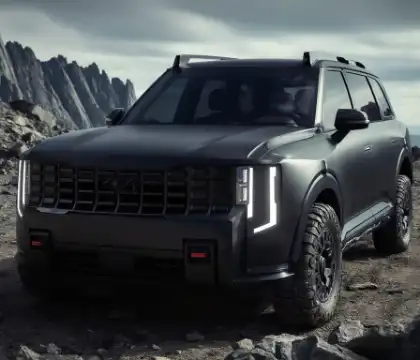
- 2025 Model MSRP: Starts at $36,390
- NHTSA Safety Rating: 5/5 stars
- IIHS Safety Rating: Top Safety Pick+
The Kia Telluride is easy to access and comfortable for older drivers. Its higher seating position makes entry and exit easier, and the controls are simple to use.
Comfort and convenience features include:
- Heated and adjustable seats
- Large touchscreen with straightforward controls
Safety features include:
- Forward collision warning
- Blind-spot monitoring
- Lane-keeping assist
- Available all-wheel drive for added stability
Subaru Ascent
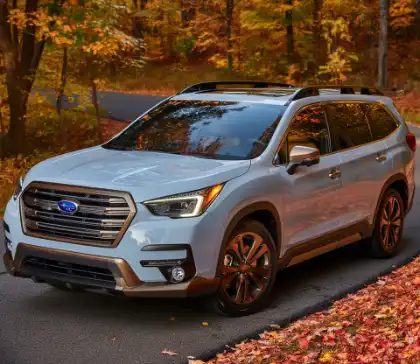
- 2026 Model MSRP: Starts at $40,795
- NHTSA Safety Rating: 5/5 stars
- IIHS Safety Rating: Top Safety Pick
The Subaru Ascent offers stability without sacrificing everyday efficiency. Its standard all-wheel drive can help older drivers feel more confident on the road.
Key features include:
- High seating position and wide doors for easier entry
- 8-way power-adjustable driver’s seat
- Heated front seats
Safety and visibility features include:
- Adaptive cruise control
- Large 11.6-inch touchscreen
- Steering-responsive headlights for better night visibility
Toyota Sienna
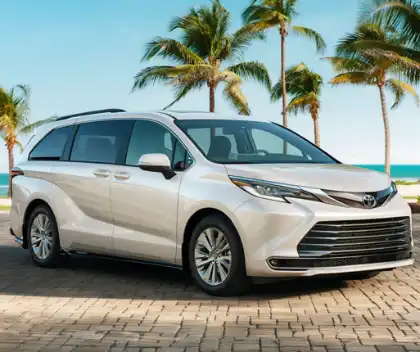
- 2025 Model MSRP: Starts at $39,185
- NHTSA Safety Rating: 5/5 stars
- IIHS Safety Rating: Top Safety Pick
The Toyota Sienna is a fuel-efficient and easy-to-use option for older drivers. Its hybrid design can reduce gas stops, and its minivan layout supports comfort on longer trips.
Convenience and comfort features include:
- Power sliding doors
- Hands-free liftgate
- 8-way power-adjustable driver’s seat
- Tilt-and-telescoping steering wheel
- Tri-zone climate control
Safety features include:
- Automatic emergency braking
- Lane-tracing assist
- Adaptive cruise control
Toyota Crown
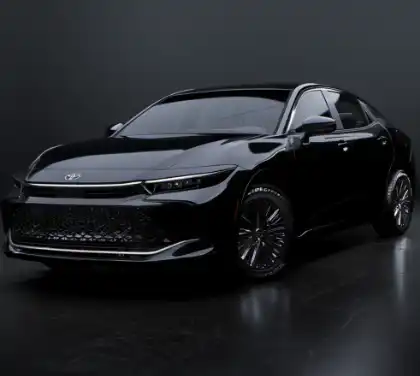
- 2025 Model MSRP: Starts at $41,440
- NHTSA Safety Rating: 5/5 stars
- IIHS Safety Rating: Top Safety Pick
The Toyota Crown offers easy access, a smooth ride, and strong fuel efficiency for older drivers. Its higher seating position reduces strain when getting in and out.
Key features include:
- Hybrid powertrain to reduce fuel stops
- Smooth ride for less fatigue
Safety features include:
- Adaptive cruise control
- Lane-keeping assist
- Automatic emergency braking
Hyundai Ioniq 5
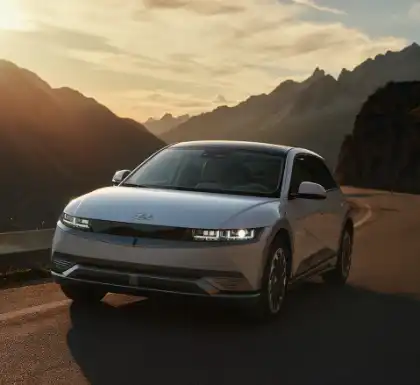
- 2025 Model MSRP: Starts at $42,600
- NHTSA Safety Rating: Not yet rated
- IIHS Safety Rating: Top Safety Pick+
The Hyundai Ioniq 5 offers easy access and simple controls for older drivers. Its spacious cabin supports comfort during daily driving.
Safety features include:
- Forward collision warning
- Automatic emergency braking
- Blind-spot monitoring
Comfort and convenience features include:
- Heated front seats
- 8-way power-adjustable driver’s seat
- Large 12.25-inch touchscreen
Acura MDX
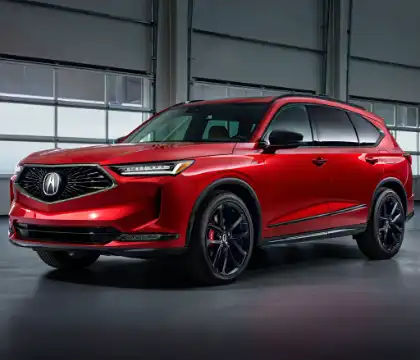
- 2026 Model MSRP: Starts at $51,800
- NHTSA Safety Rating: 5/5 stars
- IIHS Safety Rating: Top Safety Pick
The 2026 Acura MDX offers comfort, visibility, and stable handling for older drivers. Its interior features are easy to adjust and see.
Comfort and convenience features include:
- 12-way power-adjustable front seats
- Powered tilt-and-telescoping steering wheel
- Tri-zone automatic climate control
- Large 12.3-inch infotainment display
- Power rear liftgate
Performance and stability features include:
- Available all-wheel drive
- V6 engine for smooth, confident driving
Subaru Forester
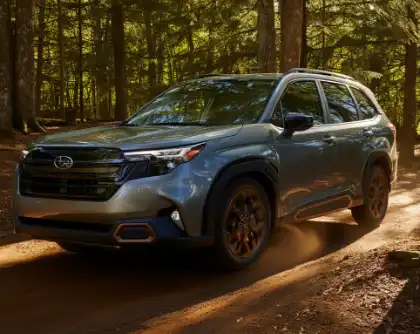
- 2025 Model MSRP: Starts at $29,695
- NHTSA Safety Rating: 5/5 stars
- IIHS Safety Rating: Top Safety Pick+
The Subaru Forester is easy to access and offers strong visibility for older drivers. Its upright design helps drivers see more clearly in all directions.
Key features include:
- Low step-in height and wide-opening doors.
- EyeSight Driver Assist Technology.
- Symmetrical all-wheel drive for better stability in different weather.
Hyundai Palisade
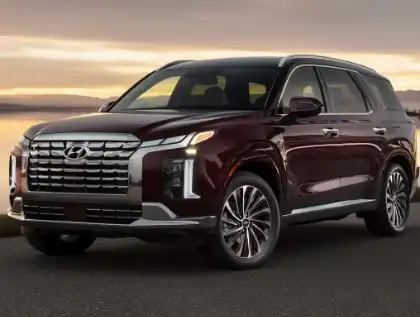
- 2025 Model MSRP: Starts at $36,800
- NHTSA Safety Rating: 5/5 stars
- IIHS Safety Rating: Top Safety Pick+
The Hyundai Palisade offers space, comfort, and easy-to-see displays for older drivers. Its smooth ride supports relaxed daily driving.
Comfort and convenience features include:
- Available 12.3-inch touchscreen
- Head-up display for easier viewing
- Power-folding third-row seats
- Hands-free smart liftgate
Safety features include:
- Blind-Spot Collision Warning
Toyota Highlander
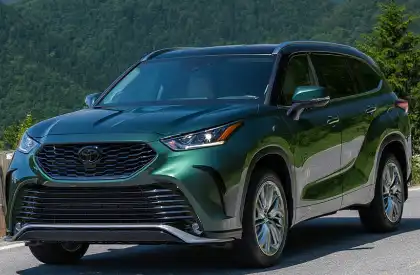
- 2025 Model MSRP: Starts at $39,530
- NHTSA Safety Rating: 5/5 stars
- IIHS Safety Rating: Top Safety Pick
The Toyota Highlander offers a reliable, comfortable driving experience for older drivers. Its intuitive controls and supportive seating make daily driving easier.
Key features include:
- Toyota Safety Sense 3.0 with pedestrian detection and lane-keeping assist.
- Refined suspension for a smoother ride.
- Available hybrid powertrain for better fuel efficiency.
How Safety Features Can Reduce Common Crash Risks For Older Drivers
Modern safety systems can help drivers detect hazards earlier and respond faster. These tools can be particularly helpful for older adults. Advancing age often brings impairments that affect driving ability, such as slower reaction time, poorer vision, and limited mobility.
Here are the key safety features you should consider having in your next car:
Collision Warning
Collision warning systems alert drivers to hazards before a crash, helping older drivers respond sooner despite slower reaction times or reduced vision.
These systems include:
- Forward Collision Warning — Alerts you if a vehicle or obstacle ahead is too close, giving you time to slow down or stop.
- Rear Cross Traffic Warning — Detects vehicles approaching from the side when you’re backing out of a parking space, reducing the risk of collisions.
- Blind Spot Warning — Notifies you when a vehicle is in your blind spot, helping make lane changes safer and more predictable.
Collision Intervention
Advanced collision intervention systems can automatically step in to prevent accidents. These safe driving technologies can offer an extra layer of protection for older adults who miss hazards due to delayed reaction times:
- Automatic Emergency Braking — Applies the brakes when a potential front-end collision is detected, helping prevent or reduce the impact of a crash.
- Pedestrian Automatic Emergency Braking — Detects people crossing in front of your car, automatically braking if you don’t react in time.
- Rear Automatic Braking — Stops the car if it detects an obstacle while reversing, making parking and backing out of driveways safer.
- Blind Spot Intervention — Uses either visual indicators on the side mirrors or audible alerts to notify you of vehicles in your blind spot, then brakes or makes steering corrections if you don’t respond. This feature can make lane changes safer for drivers with limited neck mobility due to conditions like arthritis.
Driving Control Assistance
These features can reduce fatigue during longer trips and steady the vehicle during highway driving:
- Adaptive Cruise Control — Adjusts your speed to keep a safe distance from the car ahead. It reduces the need for frequent braking and acceleration.
- Lane Centering Assistance — Keeps your vehicle centered in the lane by making minor steering adjustments. This feature can make highway driving smoother and less demanding.
- Lane Keeping Assistance — Steers the car back into its lane if it drifts out of its lane without signaling. It can help prevent unintentional lane departures.
Other Safety Systems
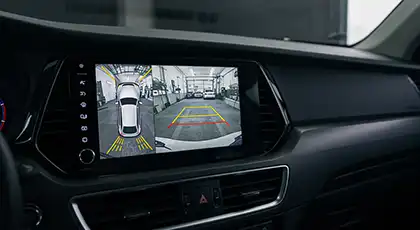
Additional safety and convenience features can make driving easier for elderly drivers. These systems help with visibility, assist in emergencies, and reduce the effort needed for specific driving tasks:
- Automatic High Beams — Adjust lighting automatically based on traffic and conditions, helping older drivers see better at night without manually switching headlights.
- Backup Camera — Provides a clear view behind the vehicle, helping compensate for limited neck mobility and reduced rear visibility when reversing.
- Automatic Crash Alerts — Notify emergency responders after a collision, which can be critical if an older driver is injured or unable to call for help.
- Night Vision Enhancement — Detects pedestrians, animals, or obstacles beyond headlight range, helping drivers with reduced night vision spot hazards sooner.
What Makes A Car Easier For Seniors To Use Every Day
Safety matters, but comfort and usability also shape an older driver’s confidence.
Accessibility
Look for design features that reduce strain:
- Seat height near hip level so you avoid deep bending or climbing.
- Lightweight doors and easy-to-grip handles.
- A door opening that feels wide enough for comfortable entry.
Visibility
A higher driving position and large windows can improve all-around visibility. You can also look for:
- Headlights that provide a clear view at night.
- Automatic high beams.
- Auto-dimming mirrors to reduce glare.
- Rain-sensing wipers for easier driving in wet conditions.
Comfort
Comfort features can reduce fatigue and joint strain, especially on longer trips:
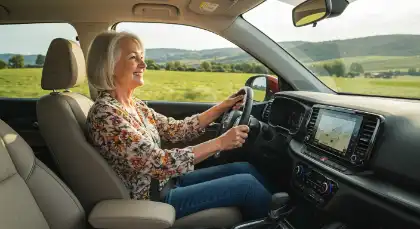
- Power-adjustable seats with lumbar support.
- Heated seats or steering wheels in colder months.
- Ventilated seats in hotter months.
- Adjustable steering wheel reach to reduce shoulder strain.
Some models also offer adjustable pedals, which can help drivers maintain a safer seating distance while reaching the pedals comfortably.
Convenience
Features that reduce daily effort include:
- Automatic transmission
- Voice controls and hands-free calling
- Keyless entry
- Hands-free liftgates
- Automatic climate control
Noise Control
A quiet cabin reduces distractions and makes for a more relaxing drive. However, some vehicles offer better sound insulation than others. Consider test-driving to see how much road and engine noise seeps in.
Low Maintenance And Reliability
Many seniors prefer vehicles that feel dependable and cost-effective to own. Fuel efficiency can help, but so can a reputation for reliability and easier routine service needs.
Safety
Modern cars offer anti-lock brakes, stability control, traction control, and airbags to protect you. Vehicles with top crash-test ratings from the IIHS or NHTSA provide added reassurance. Advanced driver-assistance systems can further enhance safety.
Adaptive Equipment And Vehicle Modifications For Enhanced Accessibility
Some older drivers benefit from adaptive equipment, especially when mobility limits driving comfort.
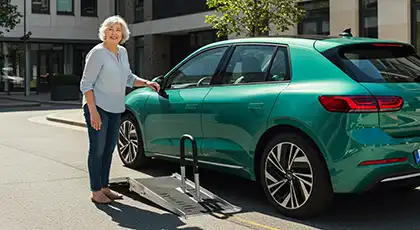
Common options include:
- Swivel seats for easier entry and exit.
- Hand controls for drivers with limited leg mobility.
- Pedal extensions for shorter drivers.
- Steering wheel covers or steering knobs to improve grip.
- Cushions or lumbar supports for posture and comfort.
- Door handle adapters for limited hand strength.
- Mirror adaptations to reduce blind spots.
- Seatbelt adjusters for a better fit and reduced pressure.
The American Automobile Association (AAA) and the National Mobility Equipment Dealers Association (NMEDA) can help connect drivers with certified installers for more advanced modifications.
An occupational therapist can also recommend solutions based on your physical needs. Medicare and many insurance plans do not cover vehicle modifications, but some programs may offer assistance for eligible seniors. Veterans may also qualify for VA benefits.
Common Questions Elderly Drivers Ask When Choosing A Car
Elderly drivers often share the same concerns: safety, comfort, visibility, and simplicity. These FAQs can help you make a confident choice.
What Should I Do Before Buying A Car?
You can make the process easier with a few practical steps:
- Research pricing for the models you want before visiting a dealership.
- Secure financing through a bank or credit union if you want to compare rates.
- Compare multiple models and do not rush the decision.
- Test drive carefully with senior comfort in mind. Check entry and exit, seat adjustments, control readability, and visibility. If possible, try night driving to evaluate headlights and glare.
Is A Car Or An SUV A Better Choice For Older Drivers?
It depends on their needs and preferences. Both offer essential safety features. However, some seniors prefer cars for their smooth handling and fuel efficiency. Others find SUVs easier to get in and out of, thanks to their higher seating position. When choosing between the two, consider which one you personally find more comfortable and easy to access.
What Features Should I Look For In A Car?
Start with safety ratings from the NHTSA and IIHS, then look for features that support awareness and control, such as:
- Forward collision warning and automatic emergency braking.
- Blind-spot monitoring.
- Lane departure warning or lane-keeping assist.
- Backup camera and parking sensors.
- Strong headlights for night driving.
You should also look for clear displays, simple controls, and comfortable seating.
What Are The Most Comfortable Cars For Older Drivers?
Some of the most comfortable vehicles for elderly drivers include:
- Honda Accord
- Honda CR-V
- Toyota Crown
- Hyundai Ioniq 5
- Toyota Sienna
However, comfort depends on your specific needs. Test driving helps you confirm what feels best.
Can The Right Car Help Prevent Accidents For Older Drivers?
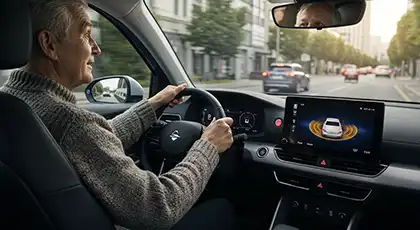
A safer car can reduce certain crash risks, especially with features like automatic emergency braking, blind-spot monitoring, and lane support. However, no vehicle can completely prevent elderly driving accidents. Negligent driving by others, wrong-way drivers, and intersection collisions can still cause serious injuries.
How Do Vehicle Features Impact Insurance Rates For Seniors In California?
Certain vehicle features can directly affect insurance rates for seniors in California. Cars with advanced safety features often qualify for lower premiums. On the other hand, luxury vehicles, sports cars, or models with high repair costs may lead to higher rates. A car with strong safety ratings and lower repair expenses can help keep insurance costs down for seniors.
What Should Seniors Know About Advanced Driver Assistance System (ADAS) Maintenance Costs?
An ADAS, such as adaptive cruise control, lane-keeping assist, and automatic emergency braking, can increase maintenance and repair costs. Such systems use sensors, cameras, and radar technology. These can be expensive to replace or recalibrate after accidents. They could even drive up the cost of minor repairs, like windshield replacements. You might also need to go to specialized service centers for regular maintenance.
Choosing The Right Vehicle And Protecting Your Rights On The Road
Choosing the right vehicle can help older adults stay independent and drive more safely. The best cars for elderly drivers offer clear visibility, simple controls, comfortable seating, and modern safety features that help address changes in reaction time, vision, and mobility.
Even so, no vehicle can prevent every accident. Seniors often suffer more serious injuries and longer recoveries when another driver acts negligently.
If you or a loved one was hurt in a car accident, you may be looking for free accident lawyer advice. AK Law Firm helps injured seniors understand their rights after a car accident. If someone else caused the crash, our attorneys can explain your legal options and help you pursue compensation for medical care and recovery.
Call us at (888) 488-1391 for a free case review.