
Hayward Pedestrian Accident Lawyers
We’ll review what happened and tell you what options may be available.
Or, get LIVE help now — call our free 24-hour accident hotline at (888) 488-1391
Our Hayward Pedestrian Accident Lawyers Can Protect Your Legal Rights After An Injury
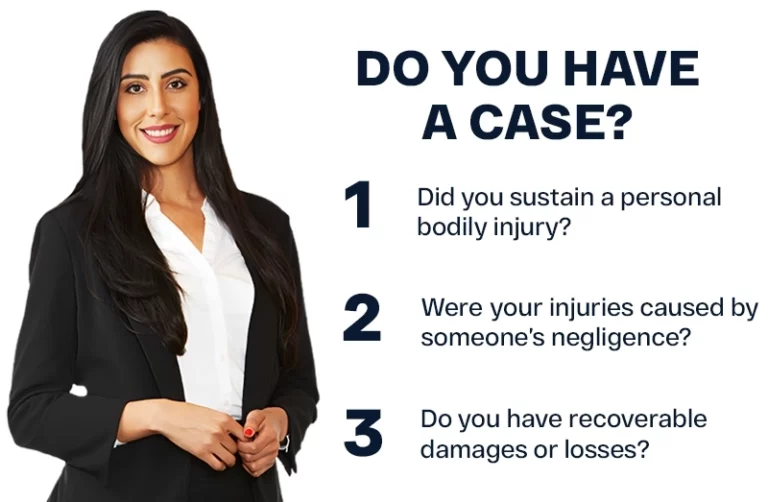
If you were injured in a pedestrian accident in Hayward, California law may allow you to seek compensation for your injuries. Most pedestrian injury cases are based on negligence, meaning a driver or another responsible party failed to use reasonable care and caused harm. In such cases, you may have the right to pursue damages for medical expenses, lost income, pain and suffering, and related losses. Hayward pedestrian accident lawyers can explain how California negligence law applies to your situation and guide you through the claims process.
Why Pedestrian Accident Cases In Hayward Are Different
Pedestrian accident cases in Hayward reflect local traffic patterns, roadway conditions, and documented crash trends that can affect how these incidents are investigated and understood:
- Hayward reports a steady number of pedestrian injury collisions each year. According to the California Office of Traffic Safety, the city recorded 41 pedestrian injury crashes in 2022, placing it among higher-ranking Alameda County cities for pedestrian collisions.
- Major corridors such as Mission Boulevard, Hesperian Boulevard, and Foothill Boulevard see frequent pedestrian activity alongside fast-moving, multi-lane traffic, increasing the risk of serious injuries in collisions.
- AC Transit bus routes and stops throughout Hayward contribute to pedestrian movement near curbside lanes, bus shelters, and mid-block crossings, especially during commute hours.
- Traffic cameras in Hayward are mostly located near I-880 and I-580 ramps and select intersections, leaving many surface streets and commercial corridors without continuous city-owned video coverage.
- The Hayward Police Department handles the majority of city traffic collision investigations, documenting injury, fatal, and hit-and-run pedestrian crashes and preparing official traffic reports used by emergency responders and investigators.
- The California Highway Patrol (CHP) may be involved in pedestrian crashes on state highways or unincorporated areas near Hayward, and CHP Hayward area officers sometimes assist with investigations, especially on roadways under state jurisdiction or when specialized traffic reconstruction is needed.
- Emergency response often involves Hayward Fire Department paramedics and local hospitals capable of treating serious injuries. St. Rose Hospital, in Hayward, has an emergency department and is part of the regional trauma and emergency care network, which receives patients with pedestrian injuries.
- In cases involving more complex or severe trauma, patients may also be transported to larger facilities within the Alameda Health System, which operates major hospitals in Alameda County with advanced trauma and emergency services.
- Pedestrian accident lawsuits arising in Hayward are typically filed in Alameda County Superior Court, which handles civil injury cases for the city. The court location and county rules can affect filing deadlines, procedures, and how cases move forward.
(No guarantee of outcome. Results displayed were dependent on unique facts of that case, and different facts will bring different results.)
How To Prove Liability In Pedestrian Accident Cases
California negligence law determines liability in Hayward pedestrian accidents when evidence shows that the responsible party failed to exercise reasonable care and caused the injury. In such situations, you may have the right to pursue compensation.
To prove liability, you must establish the following four elements:
- Duty of Care — Every driver has a legal duty to act with reasonable care. This duty includes staying alert and yielding to pedestrians when required.
- Breach of Duty — A breach happens when a driver fails to act with reasonable care. Common examples include speeding, distracted driving, failing to yield, or ignoring traffic signals.
- Causation — You must show that the driver’s actions directly caused your injuries. You can use evidence such as the crash report, CCTV footage, vehicle damage, or witness statements to link their unsafe behavior to the harm you suffered.
- Damages — Damages are the losses caused by the accident. These may include physical injuries, emotional distress, medical costs, and lost income.
How Insurance Applies In Pedestrian Accident Claims
In Hayward, pedestrian accident claims typically move through auto insurance coverage rather than directly against the at-fault party. The process follows California insurance regulations, but local factors often influence how claims are managed and delayed.
Depending on your situation, the following insurance coverage may apply:
- The driver’s auto liability insurance is usually the primary source of payment for pedestrian injuries.
- Your own uninsured or underinsured motorist (UM/UIM) coverage applies if the driver has no insurance or insufficient coverage.
- Medical Payments (MedPay) coverage kicks in if available under an auto policy.
- Health insurance typically pays first while liability is still being determined.
In this phase, payment delays or denials often happen because insurers usually wait for complete police reports, medical records, or liability decisions. Delays can also occur due to disputes over fault percentages or gaps in treatment.
Hurt in a Pedestrian Accident?
What Typically Happens After A Personal Injury Claim Begins
After a pedestrian accident claim begins in Hayward, the process follows a series of steps that depend on local reporting practices, insurance handling, and venue involvement.
Here’s how a personal injury claim usually proceeds:
- The Crash Is Reported — The Hayward Police Department usually documents the collision. In some cases, the California Highway Patrol may handle crashes near I-880 or I-580.
- Medical Treatment Is Documented — You receive medical care, sometimes days after the crash. Medical records establish the nature and extent of your injuries. Insurers review the timing of treatment and follow-up care.
- The Insurance Claim Is Opened — You file a claim with the at-fault driver’s insurer. An adjuster reviews the police report, medical records, and available evidence.
- The Insurer Investigates Liability — Insurers review fault and may raise a liability issue. Delays often occur when reports are pending or when evidence is limited.
- Resolution or Litigation Follows — The insurer may discuss settlement after evaluating liability and damages. If the parties do not reach a settlement, you can file a lawsuit in the Alameda County Superior Court.
Recoverable Damages In A Pedestrian Accident Case
Under California law, pedestrians may have the right to seek compensation for accident-related losses if someone else’s negligence caused the injury. You may be eligible to recover the following types of damages, depending on the facts of your case:
- Medical Expenses — Emergency care, hospital treatment, surgery, rehabilitation, and future medical needs.
- Lost Wages — Income lost during recovery and reduced earning capacity if injuries affect future work.
- Property Damage — Repair or replacement of personal items damaged in the accident.
- Pain and Suffering — Physical pain, emotional distress, and loss of enjoyment of daily life.
- Home and Lifestyle Changes — Costs for home modifications, mobility equipment, or in-home assistance.
- Punitive Damages — Courts may award punitive damages in rare cases involving extreme misconduct, such as drunk or reckless driving.
Common Injuries In A Pedestrian Accident
Pedestrian accidents often cause severe injuries because the body absorbs the full force of the vehicle. These injuries can permanently change your life and may require long-term medical care.
Common pedestrian accident injuries include:
- Traumatic brain injuries (TBIs), including permanent cognitive impairment.
- Spinal cord injuries, which may cause partial or complete paralysis.
- Broken bones, often affecting the legs, hips, arms, ribs, or pelvis.
- Internal bleeding and organ damage.
- Back and neck injuries, including nerve damage.
- Chest injuries, such as lung or cardiac trauma.
- Joint damage, which limits mobility.
- Cuts, lacerations, and scarring.
- Amputations, especially in high-speed impacts.
Victims of pedestrian accidents in Hayward may also experience long-term psychological effects, including anxiety, depression, or PTSD. When children are involved, injuries are often more serious due to their size and vulnerability. These may lead to growth complications, learning difficulties, or permanent physical limitations.
Common Causes Of Pedestrian Accidents
Drivers have a legal duty to operate their vehicles with reasonable care and to watch for pedestrians. When drivers fail to meet this duty, pedestrian accidents often follow.
In Hayward, this risk is reflected in local safety data. In 2023, 57 pedestrians were killed or injured in traffic collisions. This information can show how driver error and other external factors lead to serious harm to people on foot.
Some of the common causes include:
- Distracted Driving — Using a phone, adjusting navigation, or talking to passengers pulls a driver’s attention from the road. Distraction may lead to collisions at crosswalks and intersections.
- Impaired Driving — Driving under the influence of alcohol or drugs can slow reaction time and impair judgment. Impaired drivers may miss pedestrians or fail to respond to traffic signals.
- Failure to Yield the Right of Way — Drivers must yield to pedestrians in crosswalks. Crashes may happen if they rush through intersections or ignore pedestrian signals.
- Speeding — Excessive speed reduces a driver’s ability to stop in time. It also increases the severity of pedestrian injuries on impact.
- Poor Road Conditions — Cracked pavement, uneven sidewalks, faded crosswalks, or missing signage can create hazards for pedestrians and increase the risk of collisions.
- Poor Visibility — Low lighting, bad weather, or obstructed views can make it harder for drivers to see pedestrians, especially at night or in poorly lit areas.
Potential Liable Parties In Pedestrian Accidents In Hayward
Any person or entity whose careless actions contribute to a pedestrian’s injuries may be held legally responsible. Liability often depends on where the crash happened, how it occurred, and who controlled the conditions involved.
Potentially liable parties may include:
- Negligent drivers, such as those who were distracted, impaired, or failed to yield.
- Vehicle owners who allow an unqualified driver to use their car.
- Employers, when a driver was working at the time of the collision.
- Government entities, if unsafe road design, poor lighting, missing signage, or damaged crosswalks contributed to the accident.
- Property owners or businesses, when hazards near driveways, parking lots, or storefronts create unsafe conditions for pedestrians.
- Manufacturers or maintenance providers, if a vehicle defect or brake failure played a role.
More than one person or entity may share fault in Hayward pedestrian accident cases. California’s comparative negligence rules allow liability to be divided based on each side’s level of responsibility. Identifying all potentially liable parties helps you understand who could be responsible for your injuries and how you can pursue compensation.
What We Do In Hayward Pedestrian Accident Cases
Hayward is a suburban region near the San Francisco Bay Area with busy shopping areas, neighborhoods, and transit routes. Pedestrians use commercial corridors, residential streets, and intersections every day. Accidents can still happen when drivers fail to exercise due care. If someone else’s negligence caused your injuries, they may be held legally responsible.
In Hayward pedestrian accident cases, we help injured individuals by:
- Explaining how California pedestrian and negligence laws apply to the facts of the crash.
- Gathering key records, including police reports, medical records, and available CCTV footage or witness information.
- Handling insurance communications, so you don’t have to give statements or accept early offers.
- Evaluating fault and shared responsibility, including comparative negligence issues.
- Identifying all potentially responsible parties, such as drivers, employers, or public entities.
- Tracking damages, including medical costs, lost wages, and long-term care needs.
(No guarantee of outcome. Results displayed were dependent on unique facts of that case, and different facts will bring different results.)
Frequently Asked Questions (FAQs)
The following answers address common questions pedestrians in Hayward ask after getting injured in a traffic collision.
What Is The Cost Of A Pedestrian Accident Lawyer Near Me?
Most Hayward pedestrian accident attorneys work on a contingency fee basis. Generally, clients do not need to pay legal fees up front. Many people ask, “Do lawyers only get paid if they win?” In this structure, yes. The lawyer’s fee is a percentage of the compensation recovered, and payment is only owed if the case results in a settlement or court award. The exact fee depends on the complexity of the case and the nature of its resolution.
How Much Time Do I Have To File A Pedestrian Accident Claim In Hayward, CA?
In California, you generally have two years to file a lawsuit for a pedestrian accident. If you miss this deadline, you may lose your right to seek compensation.
There are exceptions to this two-year limit. Different deadlines may apply if the injured person is a minor, if the claim involves a government entity, or if the injury was not immediately discovered. These situations can either shorten or pause the time allowed to take legal action, depending on the circumstances.
How Much Compensation Can I Claim For A Pedestrian Accident?
There is no fixed amount. In Hayward, compensation depends on the facts of your accident and how the injuries affect your life. Many people ask this question when they start thinking, “I need a personal injury lawyer to understand what my case may be worth.”
Factors that affect compensation include:
- Severity of your injuries.
- Impact on your daily life.
- Extent of the other party’s negligence.
- Other circumstances of the accident.
How Is Pain And Suffering Compensation Calculated In Hayward?
Pain and suffering compensation in Hayward is evaluated using the facts of your case and how the injuries affect your life. Insurance companies, attorneys, and courts typically consider:
- The overall severity of your injury.
- The impact of the accident on your daily life.
- The extent of any long-term or permanent harm.
- The duration of your recovery.
- Your economic and non-economic losses.
Do I Still Have A Case If I Wasn’t Injured In A Crosswalk?
Yes. In Hayward, you may still have a valid claim even if the accident did not happen in a crosswalk. California law does not automatically bar recovery based solely on location. The key issue is whether the driver failed to use reasonable care.
Is A Pedestrian Accident Handled Like A Normal Auto Collision?
Not exactly. While auto insurance still applies, pedestrian accident claims in Hayward often involve different risks. Insurers closely examine right-of-way, visibility, and pedestrian behavior. These factors can affect fault, delay payment, or reduce compensation, even when a vehicle strikes a pedestrian.
Consult A Hayward Pedestrian Accident Lawyer Today
Many injured pedestrians first seek free accident lawyer advice to understand their options before deciding how to move forward. The Hayward pedestrian accident lawyers at Arash Law can answer your questions, outline the claims process, and discuss potential compensation based on the facts of your case. You can contact us at (888) 488-1391 or use our online form to request a case review.
Our personal injury lawyers handle a wide range of cases, including car accidents, rideshare collisions involving Uber or Lyft, truck accidents, and motorcycle crashes. In addition to Hayward, we serve other areas such as Berkeley, Emeryville, San Leandro, Livermore, and Piedmont, as well as clients throughout surrounding counties and across California.