TL;DR: You have 24 hours to report a car accident to the police or CHP if someone is hurt or killed. You also have 10 days to file the DMV SR-1 form. Late reports can lead to license suspension or insurance problems.
Highlights:
- Report injury or fatal crashes to the police or CHP within 24 hours.
- Confirm whether the responding officer filed the accident report.
- File the DMV SR-1 form within 10 days for crashes involving injuries, deaths, or vehicle or property damage over $1,000.
- Check your policy for your exact insurance notice deadline.
- Notify your insurer and provide basic crash details to preserve policy benefits.
- Keep police, DMV, and insurance reports separate.
Tip: Keep copies of every report, form, policy notice, and claim submission so you can prove when each deadline was met.
Table of Contents
You have 24 hours to report a car accident to your local police department or the California Highway Patrol (CHP). You also have 10 days to fill out and submit an SR-1 form to the state’s Department of Motor Vehicles (DMV).
These deadlines apply to crashes that cause an injury or death. Notifying the DMV is also necessary if a collision caused more than $1,000 in property damage.
Additionally, tell your own insurance company about the crash, even if you didn’t cause it. You may be contractually obligated to do so. Deadlines for reporting vary across policies, so consider taking this step as soon as possible.
Missing any of these time limits carries real consequences. A late or missing DMV report can trigger a suspended license. A significantly delayed notification to your insurer may give them grounds to dispute your claim. The obligation to report applies to every driver involved, regardless of who caused the crash.
The 24-Hour Deadline To Report A Crash To Law Enforcement
You must report a crash to the police or the California Highway Patrol (CHP) within 24 hours if it caused injury or death. This rule applies to all drivers involved in the car accident. The agency you report to depends on where the collision occurred. The CHP covers state and federal highways, while local police handle city streets.
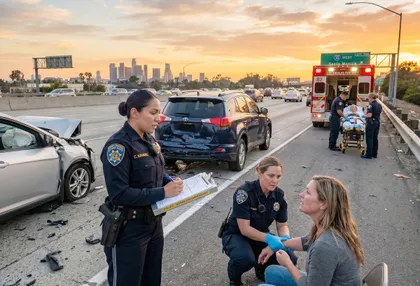
Sometimes a law enforcement officer responds to the scene. When that happens, the officer’s written report already satisfies your reporting obligation. A police report can support your claim by creating an official record of:
- What Happened: The report creates an unbiased, third-party record of the crash. It outlines the incident’s location, conditions, and witnesses.
- The Available Evidence: Officer notes lock in the facts before memories fade or physical evidence disappears.
- Initial Statements: Responding officers can document and time-stamp the statements of all parties involved. That could make it much harder for anyone to alter or contradict their original account later.
However, be sure to confirm that the officer filed the report after you leave the scene. Additionally, reporting to the police does not fulfill the separate California DMV filing requirement, which carries its own deadline.
Due to these different time limits, it’s normal to think, “I need a personal injury lawyer to manage these reports,” so you don’t accidentally miss a critical filing window.
The 10-Day Deadline To Report A Crash To The California DMV
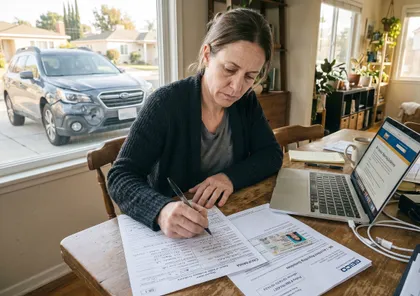
In some cases, you must file an SR-1 form with the DMV within 10 days of a car accident. You usually have to do so for crashes that cause injury, death, or property damage over $1,000. If you miss the deadline, the DMV can suspend your driver’s license.
Before filing, gather the following information:
- Driver’s License or Identification: Your California driver’s license or ID card number.
- License Plate or VIN: Your vehicle’s license plate number or vehicle identification number (VIN).
- Your Insurance Information: Your current auto insurance policy details, including your carrier name and policy number.
- Other Party’s Information: The other driver’s vehicle details and insurance information, if available.
Some accident victims suffer injuries that prevent them from managing reporting requirements themselves. In those situations, car accident lawyers can help prepare and submit the SR-1 form, provided the required accident and insurance information is available.
When To Notify Your Auto Insurance Company
Unlike police and DMV deadlines, which state law establishes, your insurance reporting deadline depends on the terms of your policy contract. Your policy may require prompt notice or specify a reporting window. For example, it may give you between 24 and 72 hours to notify your agent of a crash.
Check your policy to find your exact window before you make any calls. Late reporting may give your insurer grounds to delay or deny your claim as a breach of contract. Some victims also seek free advice from a car accident lawyer to review their policy and understand whether they are eligible for coverage.
Even if you’re not at fault, notifying your insurer can help you access benefits while your claim with the other party is pending. Depending on what it includes, your own policy may pay for medical bills and vehicle damage. It may also cover necessary treatments, such as physical therapy or chiropractic care, if recommended by your physician.
Don’t Confuse Reporting Deadlines With Lawsuit Deadlines

The statute of limitations establishes the maximum amount of time a person has to file a lawsuit after an incident occurs. It is separate from the reporting deadline. Reporting a crash must happen within hours or days. In contrast, you generally have more time to file a civil case.
Below are some key legal deadlines that apply to car accident cases in California:
- Personal Injury Lawsuits: You have two years from the date of the crash to file a lawsuit.
- Claims Involving Minors: If the injured person was a minor at the time of the crash, the two-year clock does not begin until their 18th birthday.
- Property Damage Cases: If a car accident involves only property damage and no personal injuries, the deadline to file a lawsuit is generally three years from the date of the accident.
- Government Claims: If your crash involved a government vehicle or happened because of a dangerous condition on public property, the deadline is much shorter. You must file an administrative claim with the right government agency within six months of the crash. If you miss that deadline, you likely lose the right to sue the government entirely.
Frequently Asked Questions About Reporting Car Accidents In California
After a car accident, the reporting rules can feel overwhelming. You may have questions about your specific situation that the general rules do not cover. Below are answers to these common concerns.
What Happens If I Don’t File The SR-1 Form With The DMV?
If you miss the deadline to submit an SR-1 form for a qualifying accident, the California DMV may suspend your driving privilege. The suspension stays in effect until you file the overdue report or show proof of valid insurance. This reporting obligation applies regardless of who caused the crash.
Do You Have To Call The Police After A Minor Car Accident In California?
California law does not require you to contact the police for a minor accident. However, filing a report can still help. Without one, it may become more difficult to establish what happened, though other forms of evidence may still support your account. The other driver may also dispute your account during the claims process.
Can Someone File The Accident Report On My Behalf?
Yes. If you are hurt or unable to file, someone else can submit the SR-1 for you. A car accident attorney, insurance agent, or authorized representative all qualify. You remain legally responsible for ensuring your representative files the SR-1 form correctly. Give them all the accident details and your insurance information beforehand.
Do I Need To Report An Accident That Happened In A Parking Lot Or On Private Property?
It depends on the circumstances of the incident. California’s reporting rules apply regardless of where the accident happened. If anyone was hurt or if property damage exceeded $1,000, you must file the SR-1. That rule applies anywhere, including parking lots and private lots.
Does A Police Report Automatically Go To Your Insurance?
No. Law enforcement does not automatically send the crash report to your insurance company. You or your car accident lawyer must obtain a copy of the finalized police report and submit it to the insurance adjuster yourself. Notifying your insurer about the accident is also your responsibility, separate from any law enforcement report.
Do I Still Need To Report The Crash If I Don’t Have Auto Insurance?
Yes. The DMV reporting requirement applies to all drivers, insured or not. Failing to file the SR-1 when required can result in license suspension. If the DMV discovers you were uninsured at the time, separate penalties apply. Those penalties are in addition to any consequence for not filing.
Contact Arash Law After A Car Accident In California
Failing to file the SR-1 can result in a license suspension. Missed reporting deadlines can also jeopardize your right to seek compensation. Our car accident lawyers at AK Law can handle reporting and other key aspects of your case so you can focus on recovery.
We can help obtain the police report and file the SR-1 on your behalf. If you have a valid claim, we can also help you pursue compensation for your losses under California law.
If you’re worried about upfront costs, you may be wondering, “Do lawyers only get paid if they win?” At our firm, the answer is yes. We handle car accident cases on a contingency fee basis, so you only pay the attorney’s fees if they win a case or secure a settlement on your behalf.
Call (888) 488-1391 for a free initial consultation.