TL;DR: In California, the amount someone can sue for after a car accident reflects the losses caused by the crash, including medical costs, lost income, property damage, and daily life impact. Drivers and passengers face risk because fault, injury severity, insurance limits, and strict filing deadlines shape how damages are measured and recovered.
Highlights:
- Get medical care quickly and keep all treatment and prescription records.
- Photograph the scene, vehicles, visible injuries, and road conditions immediately.
- Report crashes with injury, death, or over $1,000 property damage.
- Save bills, receipts, pay stubs, and business records to prove losses.
- Log non-medical costs like rideshares, rentals, childcare, and home modifications.
- Keep a daily symptom and activity journal to support non-economic damages.
- Calendar deadlines: 2 years generally – 6 months for government-entity claims.
Tip: When communicating with insurers, stick to facts and share documentation – avoid guessing.
Table of Contents
In California, the amount someone can sue for after a car accident is based on the losses caused by the crash. Medical costs, lost income, property damage, and the impact on daily life determine the value of the claim. Each case is measured by its specific facts and harm.
Here are the common factors that influence how much a person may be able to include in a car accident claim:
- Severity of Injuries — This factor influences both the economic and non-economic consequences of the accident. The more severe the injuries, the greater the impact on the following:
- Medical costs
- Lost income
- Non-economic losses
- Liability — In California, pure comparative negligence applies. It means that if the victim is partially at fault, the compensation they can seek may be reduced depending on their portion of fault.
- Insurance Policy Limits — Insurance policies typically set a limit on the amount the insurer will pay for damages. When pursuing a lawsuit, courts and insurers consider how much of your losses have already been covered by insurance.
- Other Losses — Victims may suffer property damage and incur additional expenses related to the accident. For example, if a vehicle is damaged, repair or replacement costs may arise. If injuries limit a person’s ability to perform daily tasks, they may need household help or in-home nursing care.
Understanding Car Accident Settlement Amounts In California
As one might think, there is no straightforward answer to the question of how much a car accident victim in California can sue for. Generally, victims can include the damages they incurred due to the incident. Damages refer to all losses, and not just property damage. The amount you could get in a settlement depends on several factors. These include the severity of your injuries, the extent of property damage, and the insurance coverage available.
Key Factors That Influence The Value Of Car Accident Cases
To evaluate your car accident case’s value, it’s advisable to understand the factors that affect settlement amounts. There are several variables that play a role in calculating how much you can sue for. Car accident lawyers often look at available documentation of losses and other factors when calculating potential claims.
Severity Of Injuries

Compensation amounts depend heavily on the severity of your injuries. Settlements for more severe injuries are usually higher because they cause greater losses. Here’s a general overview of the common categories of injury severity:
- Minor Injuries — Whiplash, bruising, sprains, and soft-tissue injuries are examples of minor injuries. Losses are typically minimal in these cases. However, it still depends on the impact of the injuries. Even minor injuries that require urgent care and recovery can result in financial and personal losses for victims.
- Moderate Injuries — These include shattered bones, concussions, and soft tissue injuries. These injuries often need urgent care, treatment, and rehabilitation. Combine this with time away from work or business, and victims generally incur damages for such harms.
- Severe Injuries — These may include spinal cord injuries and traumatic brain injuries (TBIs), among others. When a victim suffers severe injuries, recovery may be prolonged and complex. In some cases, the long-term effects can be permanent, such as paralysis, cognitive impairment, or loss of mobility.
- Fatal Injuries — Someone can still sue for a car accident even if the victim later dies from their injuries. In such cases, the victim’s spouse, children, or parents may bring a wrongful death claim against the at-fault driver. Recoverable losses may include:
- Lost financial support.
- Emotional suffering due to loss of companionship.
- Funeral and burial expenses.
Depending on the severity of injuries, losses can be categorized into economic and non-economic losses:
Economic Damages
These are losses that have a direct financial impact on victims. You can substantiate these damages through receipts, billing statements, and relevant records. Such costs may include:
- Medical Costs — Medical expenses vary depending on the injuries and treatments required, which may include:
- Urgent care
- Hospital stay
- Physical therapy
- Doctor’s fees
- Chiropractic care
- Prescription medication
- Lost Income — Victims may experience income loss as a result of injuries. Such losses are recoverable as part of a personal injury claim or lawsuit. They may include:
- Lost wages due to time missed from work.
- Lost business income resulting from a temporary or permanent inability to operate a business.
- Loss of earning capacity if injuries permanently limit the victim’s ability to earn at the same level as before.
Non-Economic Damages
These are losses that are not easy to measure in dollars but can still be part of a claim. Examples of these non-economic losses are:
- Pain and Suffering — Physical discomfort resulting from injuries.
- Emotional Distress — Feelings of anxiety, fear, or depression after the car crash.
- Loss of Quality of Life — A reduced ability to take part in daily activities or enjoy hobbies that the victim was able to do before the accident.
- Loss of Socialization — Difficulty taking part in social activities due to injuries. Victims may struggle with social interaction, especially if the injuries cause scarring or disfigurement. These can affect their confidence and willingness to engage with others.
Liability In The Car Accident
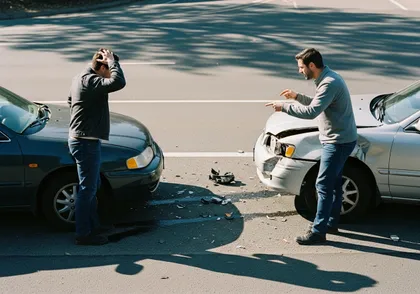
California follows the pure comparative negligence rule. In this statute, even if a victim is partially at fault for an accident, they may still be able to pursue a claim. They can recover damages proportional to their share of fault. For example:
- The victim is found to be 20% at fault for the accident.
- The total of losses the victim incurred is $100,000.
- Under the pure comparative negligence rule, the victim may still recover 80% of the total losses.
- In this example, the available compensation for the victim would be $80,000.
This factor is important because it ensures a fair determination of damages, especially in cases of shared liability.
Insurance Coverage And Policy Limits
The coverage that applies to an accident case depends on the policy limits. The California Department of Motor Vehicles (DMV) requires all motorists to carry minimum liability insurance in the event of an accident. These include the following:
- $30,000 for injury or fatality to an individual.
- $60,000 for injury or death to more than one person.
- $15,000 for damage to property.
Some insurance policies may provide coverage above the minimum required limits. When pursuing a car accident claim in California, policy limits are an important factor, especially if the damages exceed the available coverage.
Cases Involving Underinsured/Uninsured Motorists
For example, if the at-fault driver’s liability insurance covers only $30,000 but the total damages amount to $60,000, the victim may pursue the remaining $30,000 through a lawsuit against the at-fault driver, depending on the driver’s ability to pay.
If the at-fault driver is uninsured, victims can still seek compensation by suing the driver directly. However, the ability to recover damages often depends on the driver’s financial capacity. Some drivers may be uninsured or underinsured because they lack sufficient resources, while others may have an expired or lapsed insurance policy.
In the latter case, the driver’s ability to pay through a settlement or judgment may differ from that of drivers with no financial capacity at all. To understand how much you may be able to pursue in a case, consider seeking free accident lawyer advice.
Other Losses And Punitive Damages
Apart from injury-related damages, there can also be other losses that can be included in a car accident lawsuit in California. Some of these include:
- Property Damage — Your claim can include the costs of repairing or replacing your car, as well as any additional property damage.
- Other Out-of-Pocket Costs — These are expenses you may pay because your injuries limit daily activities or because your vehicle is temporarily unavailable. Some of these costs include:
- Transportation Expenses — These may include the cost of renting a car or using rideshare services to attend medical appointments, legal consultations, or other accident-related obligations.
- Household or Childcare Help — Some victims may sustain injuries that prevent them from performing daily household tasks. They may need assistance with chores, childcare, or daycare services. For more severe injuries, professional nursing or in-home care may be necessary.
- Medical Devices or Home Adjustments — Some injuries can cause temporary or permanent limitations, requiring medical devices such as crutches or wheelchairs. Victims may also need to modify their homes to accommodate their condition, such as installing ramps, stair lifts, or other accessibility features.
You may also include legal costs when filing a lawsuit. If you are wondering, “Do lawyers only get paid if they win?” Then the answer is yes if they work on a contingency fee basis. Most law firms in California, including AK Law, have this payment arrangement. In this fee structure, they only receive attorney’s fees if they are able to obtain compensation on your behalf.
Punitive Damages
In California, punitive damages are awarded only in limited cases involving car accidents. The court may award punitive damages when the injured party has clear evidence that the defendant acted with oppression, fraud, or malice, including conduct amounting to gross negligence or intentional harm. These damages punish the at-fault party and help prevent similar behavior in the future.
How To Justify Your Losses In A California Car Accident Lawsuit

There are certain actions that you can take in order to prove your losses in a car accident case. Some of these include:
- Preserve Important Documentation — Compile all receipts, billing statements, and documentation of every expense related to the accident. These may include:
- Medical or Hospital Bills — These show your medical costs. They cover treatments, procedures, and ongoing care.
- Employment Records — Pay stubs and records showing time missed from work can prove lost wages.
- Business Income Statements — If injuries caused a business to close or slow down, these statements show the income it would have made without those injuries.
- Receipts — Keep receipts for accident-related expenses. These may include transportation costs, medical devices, and home modifications.
- Obtain Evidence of Non-Economic Damages — If you are claiming non-economic losses, providing supporting evidence can help establish your claim. This evidence may include:
- Journal — Writing down your thoughts and feelings after the accident can help show the non-economic damages you faced.
- Statements From Family and Friends — Loved ones can share how your injuries have caused emotional pain, distress, or trauma.
- Psychological Evaluation — Professional assessments or counseling records can document the mental health impact of the accident.
- Account for Future Losses — Some car accidents cause long-term impacts that continue to affect victims. You can prove these losses through:
- Medical Records — These include records of ongoing treatments and any maintenance medications.
- Economic Evaluation — Assessment of lost future income and reduced earning capacity based on career and earning potential.
- Life Plan Assessment — Projection of long-term necessities, including rehabilitation and daily living assistance.
Frequently Asked Questions
Below are answers to common questions for people considering suing the other party after a car accident in California.
How Long Does It Take To Secure A Car Accident Settlement?
The time it takes to reach a car accident settlement can vary depending on the circumstances of each case. When liability is relatively straightforward, the process may move more quickly. In complex situations, investigations, evidence gathering, and negotiations can affect how long it takes. If you pursue a legal case, the court process may further extend the timeline.
Once a decision is made, whether through an insurance claim or a court order, the responsible party generally issues the settlement promptly. Insurers generally must issue payment within specific timeframes after they accept the claim. It is commonly 30 days, but it still depends on the company’s policy. Consider consulting an attorney to understand the timeline for obtaining a settlement.
How Long Do You Have To Sue For A Car Accident Case In California?
Victims generally have two years from the date of the accident to file a personal injury case in California. For property damage, the filing deadline is two years from the date of the incident. The statute of limitations sets the legal deadlines for filing a claim. Nevertheless, certain exceptions may apply to these time limits:
- Victims Under 18 — The statute of limitations will not begin until they reach 18 years old. Until then, a parent or legal guardian can sue on their behalf.
- Case Against Government Entities — If the victim is planning to sue a government entity, they have six months from the date of the accident to file a claim. If denied, they have another six months to file a lawsuit. If there is no definitive denial after 45 days, they can file the case within 2 years of the accident.
A car accident attorney can review the details of your case and help you understand the applicable deadlines.
Will My Case Go To Court?
Most car accidents get resolved without going to court. A claim may move into litigation when one or more of the following issues arise:
- Disputes over liability.
- Allegations of insurance bad faith.
- Damages beyond the policy limits.
These are among the most common reasons car accident cases go to litigation. Complex cases with major damages often go to court. However, many issues can still be settled at different points, even after litigation starts.
Do I Need To Report A “Minor” Car Accident In California?
It is generally advisable to report a minor car accident or fender bender. Even low-impact collisions can result in damage that may not be immediately apparent. If you plan to file an insurance claim, reporting the accident helps create proper documentation and allows the insurer to review and verify your claim.
Apart from that, the California Vehicle Code requires accidents to be reported if they resulted in:
- Injuries (no matter how minor)
- Fatalities
- Property damage over $1,000
Legal Representation Can Help In Car Accident Cases
There are a lot of variables that might affect how much you can sue for a California car accident. Generally, the amount you may be able to sue for depends on the actual damages you suffered due to the accident. If the process of calculating these losses is overwhelming for you, it is valid to think, “I need a personal injury lawyer to help me with my car accident lawsuit.”
Our car accident lawyers at Arash Law can help you explore your legal options, especially if you decide to file a lawsuit for a car crash. We can evaluate your case and determine whether a civil action is appropriate. Call us at (888) 488-1391 for a free case review.