
TL;DR: More than 40,000 people die in car accidents each year in the U.S., about 1 every 13 minutes. Speeding, impairment, and distraction cause many fatal crashes, and families may pursue compensation when another driver’s negligence leads to sudden loss.
Highlights:
- Over 40,000 people die in car accidents annually in the U.S., with speeding, impairment, and distraction as major causes.
- Fatal crashes often occur on rural highways, at intersections, and in poor weather conditions.
- Speeding, impaired driving, and distracted driving significantly increase the risk of fatal accidents.
- Families may pursue wrongful death claims for compensation related to funeral costs, lost income, and emotional distress.
- California has a strict two-year deadline for filing wrongful death claims after a fatal accident.
- Vehicle safety features like airbags and seat belts help reduce the risk of fatal injuries.
Tip: Gather essential evidence such as police reports and witness statements to support your claim.
Table of Contents
More than 40,000 people die in car accidents each year in the United States. Recent national data shows this equals roughly one death every 13 minutes. While most trips end safely, fatal crashes remain a significant public safety issue.
The exact number of deaths changes slightly from year to year, but the overall toll stays high. Beyond the loss of life, serious crashes can also create financial and emotional strain for those involved and their families.
When someone else’s negligence causes a crash, injured individuals or surviving family members may have the right to seek compensation. These claims are usually filed against the at-fault driver’s insurance and may cover losses such as medical bills, lost income, and other damages.
Medical bills may include emergency care, hospital treatment, rehabilitation, or chiropractic care for crash-related injuries. In fatal cases, compensation may also include funeral costs and the loss of a loved one’s financial and emotional support.
How Many People Die In Car Accidents Each Year In The U.S.?
Traffic crashes remain one of the leading causes of accidental death in the United States. Each year, more than 40,000 lives are lost in car accidents, including drivers, passengers, motorcyclists, and pedestrians.
Federal safety data shows:
- Over 40,000 deaths per year.
- About 110 deaths per day.
- Roughly one death every 13 minutes.
- Millions suffer nonfatal injuries annually.
These fatal crashes happen on highways, rural roads, city streets, and intersections, and they affect drivers, passengers, pedestrians, and cyclists alike.
While yearly totals shift slightly, they remain high compared to earlier years. Even small changes still represent thousands of lives. Each statistic reflects a real person and a family coping with loss. For this reason, traffic safety remains a major public health concern nationwide.
Are Deaths Increasing Or Decreasing?
Car accident deaths change from year to year, but they remain high overall.
Recent safety data shows that traffic deaths rose sharply during the early 2020s. Some later reports show slight declines, but totals still exceed many pre-2020 levels.
Several factors affect these trends:
- More people drive longer distances.
- Population growth adds more vehicles to the road.
- Risky behaviors like speeding and distraction persist.
- Vehicle safety improves, but drivers still make dangerous choices.
Because of these mixed factors, fatality numbers do not move in one direction for long. Some years improve, while others worsen.
Even when deaths drop, the country still loses tens of thousands of people each year to car crashes. That keeps traffic safety a primary national concern.
What Causes Most Fatal Car Accidents?
Fatal car accidents do not happen at random. In most cases, the same dangerous behaviors appear again and again in crashes that result in death. Traffic safety agencies consistently track these patterns to understand why so many lives are lost on the road each year.
The following factors account for a large share of fatal car accidents in the United States:
Speeding

Speeding makes deadly crashes more likely. When drivers go too fast, they have less time to react, and crashes become more severe. That’s why speeding contributes to many traffic deaths.
Impaired Driving
Alcohol and drugs impair judgment and slow reaction time. Drivers under the influence may misjudge distance or respond too slowly, which increases the chance of a deadly crash.
Distracted Driving
Taking attention off the road, even briefly, increases the risk of a fatal crash. Common distractions include:
- Texting or using a phone.
- Eating while driving.
- Adjusting controls.
- Talking to passengers.
- Looking at navigation screens.
Not Wearing A Seat Belt
Seat belts help protect people by keeping them secure during a crash. Many fatal crashes involve people who were not properly restrained.
Drowsy Driving
Fatigue slows reaction time and impairs decision-making, increasing the risk of a deadly crash. Tired drivers may drift between lanes or miss hazards. Long trips, late-night driving, and lack of sleep increase the likelihood of these situations.
Safety researchers often compare severe fatigue to alcohol impairment. Each year, drowsy driving contributes to hundreds of traffic deaths.
Who Is Most At Risk Of Dying In A Car Crash?
Car crashes can affect anyone, but crash data shows that some people face a higher risk of death on the road. Factors like age, driving conditions, and location all play a role.
Higher-risk groups include:
- Teen and Young Drivers — Young drivers have less experience and may take more risks. Speeding, distraction, and nighttime driving often contribute to crashes in this group.
- Older Drivers — Age-related changes in vision, reaction time, and health can affect driving ability for some older adults. In certain situations, these factors may increase the risk of serious crashes.
- Nighttime Drivers — Fatal crashes happen more often at night. Reduced visibility, fatigue, and impaired driving all contribute.
- Rural Road Drivers — Rural roads show higher fatality rates than urban roads. These areas often involve:
- Higher speed limits
- Longer emergency response times
- Less lighting
- Narrow lanes or shoulders
Where Do Fatal Car Accidents Happen Most Often?
Fatal crashes can happen anywhere, but crash data shows that specific road environments increase the risk of deadly collisions. Speed, visibility, road design, and traffic patterns all influence where fatalities occur.
Fatal crashes happen more often in the following locations:
- Rural Highways — Rural roads report higher fatality rates than many urban roads. Drivers often travel at higher speeds, and these areas may lack lighting, barriers, or divided lanes. Emergency response times can also be longer in remote areas, worsening outcomes after a severe crash.
- Intersections — Intersections create multiple crossing paths for vehicles, cyclists, and pedestrians. Drivers who fail to yield, run red lights, or misjudge timing can cause high-impact collisions. Side-impact crashes at intersections often lead to serious or fatal injuries.
- Poorly Lit Roads — Dark roads reduce visibility and make it harder to see hazards, curves, or pedestrians. Drivers may also overestimate their ability to see at night. Limited lighting increases the risk of severe crashes, especially at higher speeds.
- Roads in Bad Weather — Rain, fog, and snow reduce traction and limit visibility. Wet pavement increases stopping distance and raises the chance of skidding or hydroplaning. Sudden weather changes can catch drivers off guard and lead to deadly crashes.
How Do Vehicle Safety Features Affect Fatality Rates?
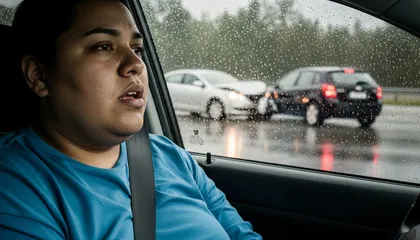
Modern vehicles include safety systems that help reduce the risk of death in serious crashes. These features either help drivers avoid collisions or protect occupants in a crash. While no technology can prevent every tragedy, these systems have saved thousands of lives over time.
Standard safety features that lower fatality risk include:
- Seat Belts — Keep occupants secured and reduce the chance of ejection.
- Airbags — Cushion impact and protect the head and chest.
- Anti-Lock Brakes (ABS) — Help drivers maintain control during hard braking.
- Electronic Stability Control — Reduces the risk of rollovers and skidding.
- Automatic Emergency Braking — Detects obstacles and applies brakes if the driver does not react.
- Blind-spot Monitoring — Warns drivers about vehicles they may not see.
These technologies lower injury severity and help drivers avoid some crashes. However, they cannot fully protect against speeding, impairment, or distraction. Driver choices still play the most significant role in preventing fatal accidents.
How Can Fatal Car Accidents Be Prevented?
After a fatal crash, many families look for answers about what went wrong and whether it could have been avoided. While no one can control every situation on the road, safety experts often point to certain behaviors that reduce crash risk.
Here are common safety recommendations to consider:
- Wear a seat belt on every trip.
- Follow posted speed limits.
- Avoid alcohol or drugs before driving.
- Limit phone use behind the wheel.
- Drive while well rested.
- Use caution in poor weather.
- Keep a safe distance from other vehicles.
These measures cannot prevent every tragedy, but they reflect what researchers and safety agencies identify as ways to reduce road risks.
The Impact Of Fatal Car Accidents On Families
Fatal car accidents affect far more than yearly statistics. They leave lasting emotional and practical effects on the people left behind. Families often face sudden changes that touch nearly every part of daily life.
Loved ones may experience:
- Emotional grief
- Financial strain
- Sudden life changes
- Loss of household income or support
The ripple effects can last for years.
When another driver’s negligence contributes to a fatal accident, some families choose to explore their legal options under state law. These cases are commonly known as wrongful death claims. They follow specific legal rules, and families usually need evidence showing how the crash happened and who was responsible.
While no legal process can undo such a loss, it may help families manage financial burdens that follow a tragedy.
How Fatal Crash Claims Work In California
When a fatal car accident occurs in California, two types of legal claims may arise: a wrongful death claim and, in some cases, a survival action. Separate personal injury claims may also apply when someone survives the crash with injuries.
Wrongful Death Claims
Certain surviving family members may file a claim for wrongful death when another party’s negligence contributed to the crash. This claim focuses on the family’s losses caused by the death.
Negligence means someone failed to use reasonable care on the road. Families must usually show:
- The other party had a duty to drive safely.
- That duty was not met.
- The unsafe behavior contributed to the crash.
- The crash led to the death and related losses.
When these elements are present, the at-fault party may be held legally responsible under California law.
Survival Actions
A survival action is different from a wrongful death claim. It allows the deceased person’s estate to recover certain losses the person suffered before death, such as medical expenses or lost earnings between the injury and death.
Personal Injury Claims For Survivors

If someone survives a serious crash, they may pursue a personal injury claim against the at-fault party. These claims focus on the injured person’s losses, which may include:
- Medical expenses
- Lost income
- Rehabilitation costs
- Pain and suffering
- Other documented damages
Evidence In Fatal And Injury Cases
Evidence plays a central role in all crash-related claims. Families and injured individuals often rely on:
- Police or collision reports
- Medical and coroner records
- Crash reconstruction findings
- Witness statements
- Photos or video from the scene
Filing Deadlines
California law sets strict time limits for filing wrongful death claims. In many cases, families have about two years from the date of death, though exceptions may apply. Missing these deadlines can limit a family’s ability to recover compensation. Because of this, some families choose to speak with car accident lawyers, including those at Arash Law, to better understand their options and timelines.
Potential Compensation In Fatal Cases
While no claim can undo a loss, a wrongful death claim may help families manage certain financial burdens that follow a fatal crash. These may include:
- Funeral and burial expenses.
- Lost income the loved one would have provided.
- Loss of household support or services.
- Medical bills related to the final injury.
- Other documented financial losses are connected to the crash.
Each case is different, and what families may recover depends on the facts and available evidence. The legal process cannot replace a loved one, but it can help reduce some of the financial strain left behind.
Common Questions About Car Accident Deaths
People often have practical questions after learning how many lives car accidents claim each year. The answers below address when, where, and how fatal crashes most often occur, based on traffic safety data.
What Time Of Year Are Fatal Crashes Most Common?
Fatal crashes occur year-round, but summer and major holidays often show higher death totals. More people travel during these periods, which increases traffic volume. Celebrations may also involve alcohol, late-night driving, and fatigue. Together, these factors raise the likelihood of deadly collisions.
Do Most Fatal Crashes Happen Close To Home?
Yes, many fatal crashes happen within a short distance of home. People drive familiar local routes more often, which increases exposure. Drivers may also feel more relaxed and pay less attention on routine trips. Even short drives carry real risk, especially at intersections and on local roads.
Are Highways Or City Streets More Dangerous?
Both highways and city streets carry risk, but they differ in how fatal crashes happen. Highways involve higher speeds, which can lead to more severe collisions. City streets have more intersections, pedestrians, and stop-and-go traffic. Each environment presents different dangers that can lead to fatal outcomes.
How Many People Die In Car Accidents Worldwide?
Worldwide, road crashes kill over one million people each year. Global health agencies rank traffic injuries among the leading causes of death, especially for younger age groups. Differences in road design, vehicle safety, and law enforcement affect fatality rates, but traffic deaths remain a major global safety issue.
Support After A Fatal Car Accident
Fatal crash statistics do more than count numbers. They help explain how and why deadly accidents happen on today’s roads. While these figures cannot ease a personal loss, they show how often families face the same tragedy.
For those who have lost a loved one, the questions often go beyond statistics. Families may wonder what happened, who was responsible, and what steps come next. Some families reach a point where they think, “I need a personal injury lawyer,” especially when insurance questions arise.
If another driver’s negligence contributed to the crash, your family may have the right to seek compensation under California law. Speaking with a qualified attorney can help you understand your options, timelines, and the process involved in a wrongful death claim.
Many wrongful death and car accident lawyers handle cases on a contingency fee basis. This means the attorney’s fee typically comes from any recovery obtained, not from upfront payments. Attorneys usually explain how the arrangement works and discuss any potential costs before representation begins.
A conversation can provide clarity during a difficult time and help you decide what feels right for your family. If you want to speak with someone, you can contact AK Law at (888) 488-1391 to ask questions and learn about your options.