TL;DR: Uber may be liable for a slip on a wet curb if the driver was active in the app and acted negligently. Liability depends on whether the driver chose an unsafe pickup spot or ignored a visible hazard. Claims in California generally must be filed within 2 years after the accident.
Highlights:
- Uber may be liable if the driver was active in the app during the pickup.
- Negligence occurs when a driver ignores visible hazards, such as wet curbs.
- If the driver was off the app, their personal insurance applies.
- Document the scene with photos and witness information to support your claim.
- Report the incident through the Uber app for a digital record of the accident.
- In California, you have 2 years to file a personal injury lawsuit against Uber.
Tip: Stick to the facts and preserve evidence to help support your claim and avoid disputes.
Table of Contents
Uber may be legally responsible if you slip on a wet curb while getting into the vehicle. Still, liability depends on two key factors: whether the driver was active in the Uber app and whether the driver acted negligently. If the driver chose an unsafe pickup location, failed to warn you about a visible hazard, or parked in a way that forced you into danger, Uber’s commercial insurance may apply.
In California, fault is based on negligence, not just whether the accident happened during a ride. Insurance companies examine a driver’s conduct, the app’s status, and whether the hazard was avoidable before determining responsibility.
Can Uber Be Responsible For Slipping On A Wet Curb During Pickup?
Uber may be liable if you slip on a wet curb while entering the vehicle, depending on the specific facts of the incident. However, Uber’s liability is not automatic. Insurers and courts usually determine fault based on the driver’s app status at the time and whether the driver followed required safety standards.
Uber may be responsible for your injuries if the driver:
- Was active on the app.
- Accepted the ride request.
- Acted negligently.
If the driver is not using the app for work or is using their car for personal reasons, Uber is typically not responsible. In such cases, the driver or other parties may be liable for any resulting losses. To protect your rights, it’s important to know how claims against Uber work if you sustained injuries during a rideshare pickup.
Who May Be Liable If You Slip On A Wet Curb While Entering An Uber?
Liability depends on who created the dangerous condition and whether the Uber driver was actively working in the app at the time of the incident. Responsibility may fall on Uber, the driver, a property owner, or even a city agency, depending on the specific facts.
Rain accounts for more accidents than any other weather condition. Wet pavement near pickup zones can increase slip hazards and reduce visibility. These conditions may influence how investigators evaluate fault in certain cases.
In California, Uber drivers are classified as independent contractors, not employees. This means Uber is not automatically responsible for every injury that happens during pickup. Determining liability requires examining the driver’s app status, the driver’s conduct, the condition of the curb, and which insurance policy applies.
There are mainly three possible liable parties:
Uber May Be Liable If The Driver Was Active In The App
Uber may be liable if the driver was actively working in the app and acted negligently during the pickup. Liability does not arise simply because you were getting into an Uber. It depends on whether the driver failed to use reasonable care under the circumstances.
California classifies Uber drivers as independent contractors. This means Uber is not automatically responsible for every injury involving a driver. However, when a driver is actively engaged in a ride and causes harm through negligent conduct, Uber’s commercial coverage framework may apply.
Under the California Civil Code, negligence occurs when someone fails to use reasonable care and causes harm. Rideshare drivers must exercise reasonable care to ensure passengers can safely enter and exit the vehicle.
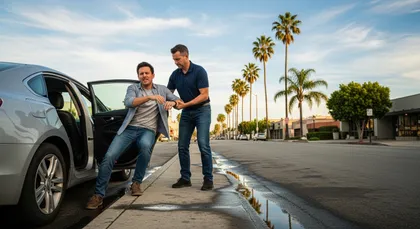
Uber may be legally responsible if the driver:
- Choosea pickup spot with known hazards wonly hen a safer alternative is aunavailable
- Stops in an unsafe or illegal location, such as:
- A busy street
- A double-parked position
- A poorly lit area
- A high-traffic zone
- Moves the vehicle while you are entering.
- Rushes you while stepping into the car.
- Fails to warn you about a visible wet or uneven curb.
If the driver saw, or reasonably should have seen, the wet curb and failed to warn you or reposition the vehicle, that conduct may support a claim that the driver breached their duty of care during pickup.
So what insurance applies if Uber is liable?
If the driver had accepted your ride request or was on the way to pick you up, Uber’s commercial liability insurance may apply.
Uber provides up to $1 million in third-party liability coverage during:
- Period 2 — When the driver is en route to pick up a passenger.
- Period 3 — When the passenger is inside the vehicle.
If you slipped while the ride was active or after the driver accepted your request, this commercial policy may provide coverage for your injuries.
The Driver May Be Responsible Individually If They Were Off The App
If the driver was not logged into Uber or had not accepted your ride request, Uber’s commercial coverage generally does not apply.
In that situation:
- The driver’s personal auto insurance is usually the primary coverage.
- Uber’s $1 million policy would not be triggered.
This distinction is critical because personal auto policies often have lower limits than Uber’s commercial coverage.
A Property Owner Or City May Be Responsible If The Curb Itself Was Dangerous
If the driver selected a reasonably safe pickup location and the curb was hazardous due to poor drainage, uneven pavement, construction conditions, or lack of maintenance, the issue may fall under premises liability rather than auto insurance.
In those cases, the responsible insurance policy may belong to:
- A property owner’s commercial liability insurer.
- A business liability carrier.
- A construction company’s insurance.
- A city or public agency’s risk management department.
If a government entity is involved, a claim typically must be filed within six months under the California Government Claims Act before filing a lawsuit.
The key question is not simply whether you were getting into an Uber. The legal and insurance analysis focuses on:
- Was the driver actively working in the app?
- Did the driver create or ignore a foreseeable hazard?
- Or was the curb dangerous due to property conditions outside the driver’s control?
The answer determines whether:
- Uber’s $1 million commercial policy applies.
- The driver’s personal auto insurance applies.
- A property owner’s liability policy applies.
- Or a government entity’s insurance applies.
How Fault And Evidence Affect Your Claim
Even if Uber, the driver, or another party may be liable, fault is not always clear. More than one person can share responsibility for the fall. Insurance companies often seek ways to minimize or deny payments, so understanding how fault and evidence are evaluated is essential.
California follows a pure comparative negligence rule. This means that if you share responsibility, the insurer may assign you a percentage of fault during the claim process. If the case goes to court, a judge or jury determines fault and reduces your compensation by that percentage. For example, if you are 30% at fault, you recover 30% less compensation. Sharing fault does not stop you from filing a claim, but it can lessen the amount you receive.
Insurance companies may also challenge your claim in several ways. They may argue that:
- The driver was not using the app, so Uber’s commercial coverage does not apply.
- The fall is a premises liability issue rather than an auto-related claim.
- A city or property owner maintained the curb.
- Your injuries are minor, pre-existing, or unrelated.
- The fall was caused by the weather, not the driver’s conduct.
These disputes often focus on the driver’s app status, the driver’s actions, and who controlled the location where the fall occurred.
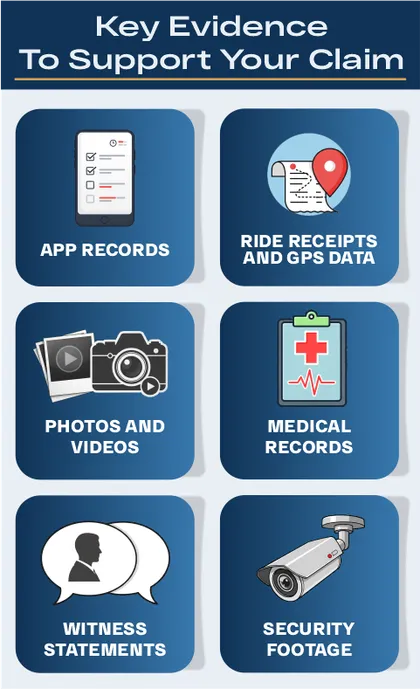
Because insurers often dispute liability, you need clear evidence to support your claim. Helpful evidence may include:
- App records showing whether the driver was active.
- Ride receipts and GPS data confirming the pickup location.
- Photos or videos of the curb and surrounding area.
- Medical records linking your injuries to the fall.
- Witness statements or nearby security footage.
Gathering evidence early can make it easier to resolve disputes about fault and determine which insurance policy applies.
What To Do After Slipping On A Wet Curb While Entering Your Uber
If a fall caused your injuries while entering an Uber, you may be able to pursue slip-and-fall injury compensation. Navigating the process can be overwhelming without legal guidance. That’s why many victims realize, “I need a personal injury lawyer.” Taking the proper steps early can help protect both your health and your legal rights.
Here’s what you can do after slipping on a wet curb during pickup:
- Seek Medical Attention Right Away — See a doctor as soon as possible, even if your injuries seem minor. Early medical care not only helps your recovery but also creates essential records for your claim.
- Document Your Injuries and the Scene — Gather evidence to support your claim against Uber.
- Take clear photos of the wet curb, the sidewalk, and any hazards.
- Photograph your injuries.
- Note the weather, lighting, and other conditions.
- Save your Uber ride receipt and record the driver’s details.
- Collect names and contact information for any witnesses.
- Report the Incident to Uber — Use the Uber app to report your accident promptly. This process creates a digital record that may support your claim later.
- Track All Expenses and Losses — Keep all proof of losses, such as:
- Medical bills, including doctor visits and chiropractic care.
- Receipts for out-of-pocket expenses.
- Documentation of any time missed from work due to your injuries.
- File an Insurance Claim — Submit your claim with all supporting evidence to Uber’s insurance provider, your own insurer, or both, depending on the circumstances and liability.
- File a Personal Injury Lawsuit If Necessary — If you can’t reach a fair settlement through insurance, you may file a lawsuit to pursue compensation through the court system.
Frequently Asked Questions
Below are answers to commonly asked questions about Uber’s liability if a passenger slips on a wet curb while entering the vehicle.
What Is Uber’s Policy On Accidents?
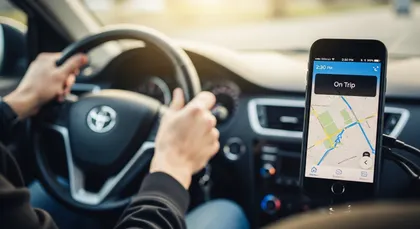
Uber’s insurance coverage depends on what the driver is doing at the time of the accident:
- Driver Not Logged Into the App — Only the driver’s personal auto insurance applies.
- Driver Logged in, Waiting for a Ride — Uber provides limited coverage up to:
- $50,000 per person for injuries
- $100,000 per accident for injuries
- $25,000 for property damage
- Driver En Route or Carrying a Passenger — Uber offers up to $1 million in liability coverage.
The driver’s status is key to determining which insurance will cover your claim. If your ride is active, meaning the driver is on the way to pick you up or you’re in the car, Uber’s third-party liability coverage may pay for:
- Medical bills
- Lost wages
- Pain and suffering
- Emotional distress
Is It Better To Sue Or Settle After Slipping On A Wet Curb During Uber Pickup?
Whether a case is resolved through settlement or litigation depends on the specific facts, the severity of the injuries, and the insurance company’s response.
A settlement may occur when:
- Your injuries are minor, and you have fully recovered.
- The insurance company accepts fault and offers a fair amount.
- There are no future medical needs or lost wages.
Settling is faster and avoids the stress of a lawsuit. However, once you accept a settlement, you cannot ask for more later, even if your condition worsens.
A lawsuit may be filed when:
- The settlement offer does not cover all losses.
- You have severe or long-term injuries.
- The insurance company blames you or denies fault.
- The insurer denies your claim or is uncooperative.
- You suffer from permanent impairments or ongoing pain.
Each case is different, and the appropriate course of action depends on the available evidence, the extent of the damages, and the manner in which liability is evaluated.
Who Is Liable If I’m Injured While Getting Into An Uber In A Construction Zone?
The Uber driver, the construction company, and sometimes Uber itself may all be responsible if you’re injured getting into an Uber in a construction zone. If the driver chooses an unsafe pickup spot or ignores rideshare safety tips, they could be at fault. The construction company may also be liable if it failed to provide safe, clear pedestrian access. In some cases, Uber may share responsibility for failing to enforce safe pickup practices.
Can I Sue If Poor Vehicle Maintenance Caused My Entry/Exit Injury?
Yes, you may be able to sue if poor vehicle maintenance caused your injury while getting in or out of an Uber. Drivers are responsible for keeping their cars safe, including doors, handles, and steps. If poor maintenance led to your accident, the driver and Uber may be held liable if the accident occurred during an active ride.
How Long Do I Have To File A Personal Injury Lawsuit Against Uber?
In California, you generally have two years from the date of your injury to file a personal injury lawsuit against Uber. Missing these time limits can mean losing your chance for compensation.
There are exceptions:
- If your claim is against a government entity, you must file within six months.
- For injured minors, the two-year clock usually starts when they turn 18.
- If you discover an injury later, the deadline starts when you first learn about it.
Seek Legal Guidance After A Rideshare Pickup Injury
Pursuing a personal injury claim against Uber is often tricky, requiring you to face a large corporation and navigate multiple insurance policies. Additionally, crucial evidence may be lost if you do not secure or preserve it immediately. You may seek free accident lawyer advice to understand how rideshare cases work.
Look for a lawyer who has handled weather-related accidents and understands the latest rideshare insurance policies. The right attorney can help you properly document your losses and build a strong case. After getting injured while entering an Uber car, don’t wait to get help. The sooner you act, the better your chances of keeping evidence and dealing with the insurers.
Arash Law helps victims through every step of the claims process. Our Uber accident lawyers can help you seek fair compensation for your injuries and related losses. If you are wondering, “Do lawyers only get paid if they win?” Our attorneys work on a no-win, no-fee policy. In other words, we only get paid if your case results in a win, a settlement, or a court award.
Call AK Law today at (888) 488-1391 for a free case review.