California Baseball Injury Attorneys

  • PAY NOTHING UPFRONT
  • OVER $0 BILLION RECOVERED
  • ZERO-FEES UNTIL WE WIN
Recover Lost Wages, Property Damage, and Medical Bills.
Arash Law Practice Area Border/Divider

We’ll review what happened and tell you what options may be available.

Or, get LIVE help now — call our free 24-hour accident hotline at (888) 488-1391

Table of Contents

Who We Help After A Baseball Injury In California

Arash Law represents spectators, athletes, children, workers, and other victims injured at baseball games, ballparks, practice fields, and baseball-related events across California. These cases often involve unsafe seating areas, inadequate netting, dangerous walkways, defective equipment, poor crowd control, or other preventable safety failures. Compensation may include medical bills, lost wages, pain and suffering, vision-loss treatment, brain-injury care, and other long-term losses.

Why Baseball Injury Victims Call Arash Law

  • We handle spectator, athlete, and youth baseball injury claims.
  • We investigate stadiums, schools, organizers, property owners, and manufacturers.
  • We preserve footage, incident reports, inspection logs, and maintenance records quickly.
  • We challenge assumption-of-risk arguments when the danger was preventable.
  • We pursue medical bills, lost wages, pain and suffering, and long-term damages.

Call (888) 488-1391 for a free consultation. No fees unless we win.

Who Can Bring A Baseball Injury Claim?

A baseball injury claim can involve more than just a spectator struck by a foul ball. Arash Law helps people injured at professional parks, college fields, school facilities, public baseball fields, and baseball-related events across California.

You may have a claim if you were injured:

  • As a spectator hit by a foul ball, a thrown ball, a shattered bat, or another flying object.
  • While walking through an unsafe stairway, concourse, gate area, or seating section.
  • As a child injured during practice, warm-ups, batting practice, or a camp setting.
  • As an athlete injured because of unsafe field conditions, defective equipment, or negligent supervision.
  • As a spectator or participant injured at a public park, city field, school field, or college venue.
  • As a worker or vendor whose injury may involve workers’ compensation and third-party liability.

If the incident was fatal, surviving family members may also have a wrongful death claim under California law.

Why Baseball Injury Cases In California Are Different

California baseball injury claims are different because they often turn on how the law balances assumed risk against a stadium or property owner’s duty to maintain a reasonably safe environment. A claim may involve seating design, netting placement, crowd control, walkway maintenance, practice-area access, or other preventable safety failures. These facts can change liability, insurance coverage, and the strength of the case from the start.

California hosts a large number of professional stadiums, college ballparks, and school fields. Each venue uses different safety features and layouts. These differences affect how liability is evaluated after a spectator injury.

Examples of well-known professional venues in California include:

  • Dodger Stadium (Los Angeles)
  • Oracle Park (San Francisco)

Each ballpark uses different netting coverage and seating angles. These design choices can affect how exposed spectators are to foul balls or broken bats. Liability analysis usually focuses on the exact seating section where the injury occurred.

Baseball-related injuries also occur at college, high school, and public baseball fields, such as these venues in Los Angeles:

  • UCLA Jackie Robinson Stadium
  • USC Dedeaux Field

Smaller venues like these sometimes lack the extended safety netting found in professional stadiums. A foul ball may reach spectators sitting near uncovered areas. Practice sessions may also expose nearby fans or children if gates or barriers remain open.

After a serious injury, local emergency responders typically manage the scene. Police officers and paramedics document the initial incident, while stadium security prepares an internal report. These records may later become important evidence.

Many California stadiums also rely on digital surveillance systems to monitor crowds. Some systems overwrite footage within a short period. Preserving video quickly can be critical because the recording may show the seating area, netting coverage, and the path of the ball.

If a claim leads to a lawsuit, the case usually proceeds in the County Superior Court where the accident occurred. Filing and litigation procedures may vary across these legal venues, which can affect how the claim moves forward.

Baseball tickets frequently include language about foul-ball risks. However, ticket terms do not automatically block a claim. Liability may still exist if a stadium or property owner failed to correct a preventable safety hazard.

$41,950,000.00
A $41.95 million verdict for customers attacked inside a Walmart after a baseball bat left on the sales floor was used in the assault. A jury found Walmart partially responsible based on the evidence presented at trial.
Do I Have A Case
$17,900,000.00
A $17.9 million unanimous verdict against the County of Los Angeles involving two clients harmed in a serious crash. The jury determined the County was entirely at fault after a hard-fought trial that highlighted the clients’ long-term medical needs and the County’s denial of responsibility.
Do I Have A Case
$3,500,000.00
A $3.5 million verdict for a client who suffered a traumatic brain injury in a 2017 collision. Before trial, the insurer initially offered $18,500 and later increased the offer to $300,000. After hearing medical testimony and evidence of the victim’s ongoing symptoms, the jury awarded damages for past and future pain and suffering and future medical care.
Do I Have A Case

(No guarantee of outcome. Results displayed were dependent on unique facts of that case, and different facts will bring different results.)

Establishing Liability In A California Baseball Injury Claim

Liability in a California baseball injury claim depends on whether a stadium owner, operator, organizer, coach, school, manufacturer, or other responsible party failed to maintain a reasonably safe environment and caused measurable harm. These cases often turn on whether the injury resulted from a normal baseball risk or from a preventable safety failure that made the environment more dangerous than it should have been.

Stadium operators hold a legal duty to protect fans from foreseeable risks. This includes evaluating high-velocity foul-ball zones and ensuring netting meets modern safety standards. Liability typically arises when:

  • A stadium fails to extend protective netting in high-speed foul ball sections.
  • A venue allows spectators to sit in exposed areas during batting practice without warnings.
  • Staff members fail to clear seating areas during warm-ups.
  • Protective barriers or screens remain damaged or improperly installed.
  • Security fails to restrict access near active play areas.
  • A defective bat shatters and sends fragments into the spectator area.

After a breach occurs, the injured person must prove that the safety failure directly caused their harm. They may seek free advice from baseball injury lawyers who can use medical records and treatment reports to establish this connection. For example, documentation may show that a foul ball impact caused a traumatic brain injury, broken teeth, or facial fractures. Records of hospital bills, treatment costs, and lost income help document the financial impact.

A medical staff evaluating a baseball player's injury (1)
Sandra Bernabe
Sandra Bernabe
Arash Law firm is been an amazing advocate for me in my case. They truly care about you and your needs. Especially my case manager Cynthia Gracia; she’s amazing at what she does. Always ensures to make sure any questions I have are answered and keeps me updated on my case as soon as possible. Super easy communication and response time! Would definitely recommend to others!
Stephen Watson
Stephen Watson
I highly recommend Arash Law, if I could give them more than 5 stars I would give them 10. The staff, particularly Arlene, is outstanding and very responsive, professional, and most of all kind-hearted. They advocated for me and my girlfriend after an auto accident and were superb. They got us 25 times what the insurance company originally offered. In addition to everything else, they were fast and efficient. Not to mention very honest and up-front about what to expect and the range of possible outcomes. Again, I highly recommend this firm and had the best experience i could have imagined. They actually surpassed my hopes and I consider them to be my friends, especially Arlene. Do not hesitate to contact them, you will not be disappointed. Steve W.
Pearl
Pearl
My experience with Arash Law has been outstanding from the start. Their team Cristina and Oscar are incredibly knowledgeable, consistently providing clear explanations and well-informed guidance that has made every step easy to understand. They have also been exceptionally helpful, always quick to respond and willing to go the extra mile to make sure I feel supported. Arash Law handles everything with professionalism and confidence, which gives me that peace of mind and has made a situation that could have been overwhelming feel manageable. Overall, Arash Law delivers excellent service, expert advice, and a truly smooth experience. I highly recommend them to anyone looking for reliable, caring, and effective legal support.
Catherine Davis
Catherine Davis
Great representation, my case representative, Arlene Perez, is wonderful. She explained everything in detail about how injury law suits work. She is prompt in returning messages, shows genuine concern for my well being, and she is very knowledgeable and eager to help. Without having met anyone from the Arash team in person, I can honestly say that this law group takes care of business. Perhaps this is why this firm is one of the best who also represent people from small rural communities, such as myself. Yes, I 100% recommend, you cannot go wrong with this awesome team of experts. They will fight, unwavering, to win cases. Thank you, Arash Legal Group ! You rock !!
Santos Hernandez
Santos Hernandez
Great experience with Arash Law. A big thank you to Erick Ordonez for his professionalism and support. He helped close my case quickly and kept everything transparent. Highly recommend.
Looking for help with our Baseball Injury attorneys?

Who May Be Liable For A Baseball Injury In California?

A baseball injury claim may involve more than one potentially liable party:

  • A stadium or property owner may be responsible for unsafe seating, stairs, walkways, barriers, gates, or other dangerous conditions.
  • An event operator or team may be responsible for crowd control failures, unsafe practice access, or poor safety procedures.
  • A school, college, youth organization, or public entity may be responsible when a field, event, or program was not operated safely.
  • A coach or supervisor may be implicated in athlete or youth injury claims involving negligent oversight.
  • A manufacturer may be responsible if a defective bat, helmet, netting system, barrier, or other product caused or worsened the injury.
  • Another person at the event may share responsibility if reckless conduct contributed to the harm.

What Compensation May Be Available After A Baseball Injury?

Compensation in a baseball injury claim generally falls into two main categories. Economic damages cover measurable financial losses such as medical bills and therapy costs. Non-economic damages address pain, emotional distress, vision loss, cognitive decline, and loss of enjoyment of life.

A baseball injury claim may include compensation for:

  • Emergency medical treatment.
  • Hospital bills and surgery.
  • Rehabilitation and follow-up care.
  • Future medical treatment.
  • Lost wages and reduced earning capacity.
  • Emotional distress, pain, and suffering.
  • Permanent vision loss or impairment.
  • Traumatic brain injury treatment.
  • Wrongful death damages in fatal cases.

If the injured person was working at the time of the incident, the case may also involve workers’ compensation benefits and a separate third-party personal injury claim, depending on how the injury happened.

The value of the claim depends on liability, injury severity, treatment needs, work disruption, long-term limitations, and the quality of the supporting evidence.

How Insurance Coverage Applies To Baseball Injury Cases

Baseball injury claims often involve commercial liability insurance, event coverage, government-entity exposure, product liability insurance, or workers’ compensation, depending on where the incident happened and who controlled the property or activity. Which policy applies depends on the venue, the event structure, the safety issue involved, and whether multiple parties contributed to the injury. That insurance analysis can shape the timing, value, and direction of the entire claim.

After a stadium injury, insurance carriers review who controlled the property and what safety measures were in place. Adjusters examine incident reports, medical records, and the exact seating area where the injury occurred. Insurers may argue that foul balls are a known part of the sport. However, coverage may still apply if a preventable safety failure contributed to the incident.

Several types of insurance policies may apply in a baseball injury case:

  • Commercial General Liability: Private stadium operators and professional teams usually carry this coverage. It may apply when unsafe property conditions, such as missing netting or damaged barriers, contribute to a spectator injury.
  • Event Liability Insurance: Tournament organizers and event promoters often purchase separate coverage for temporary events. This policy may apply if the injury occurs during a special baseball event or organized competition.
  • Government Entity Coverage: Injuries at city parks, public recreation fields, or public school stadiums may involve government liability coverage. Claims against public entities follow different filing rules and deadlines under California law.
  • Product Liability Insurance: A manufacturer may carry this coverage if defective equipment causes the injury. Examples include bats that shatter, defective helmets, or faulty protective gear.
  • Workers’ Compensation Insurance: This coverage applies to injured stadium employees, vendors, maintenance staff, or other workers injured during baseball operations.

Insurance companies review baseball injury claims carefully before issuing payment. Adjusters may examine the available evidence, the venue’s safety measures, and the severity of the injury. They may also evaluate whether California’s comparative negligence rules apply.

Because insurers rely on documentation, strong claims often require clear evidence. Many victims think, “I need a personal injury lawyer” when they need assistance in proving how the safety failure occurred and which insurance policy may apply.

What Evidence Matters In A Baseball Injury Claim?

Baseball injury claims often depend on evidence that can disappear quickly if it is not preserved early. Important proof may include stadium incident reports, medical records, photos of the seating or walking area, surveillance footage, witness statements, netting or barrier inspection logs, maintenance records, and documentation of prior complaints or similar incidents.

In athlete or equipment-related cases, evidence may also include coaching instructions, field-condition records, practice layouts, product details, and defect documentation. Early preservation matters because some venues overwrite digital footage quickly, and conditions can change soon after the event.

A personal injury lawyer shaking hands with an injured client and his family in a law office

What Typically Happens After A Baseball Injury Claim Begins

A baseball injury claim usually starts with medical treatment, incident reporting, and evidence preservation. From there, the case often turns on property-control analysis, liability review, insurance evaluation, documentation of injuries and losses, and negotiations with one or more carriers. If disputes remain unresolved, the case may move into litigation in the appropriate California Superior Court.

The process typically involves:

  1. Reporting and Documentation: The injured person reports the incident to stadium guest services, security personnel, or field management. Staff prepares an incident report. Security systems may capture surveillance footage, and witnesses may provide statements.
  2. Medical Treatment and Stabilization: Doctors evaluate the injury and provide treatment. Hospitals and clinics create records, imaging reports, and physician notes that document the injury and connect it to the baseball incident.
  3. Investigation of the Incident: Investigators review the location where the injury occurred. They examine seating sections, protective netting placement, safety barriers, and other conditions inside the venue. Witness statements and photographs may support the investigation.
  4. Filing a Claim With Insurance: The injured person submits a claim to the responsible party’s insurance carrier. The case includes medical records, incident reports, and documents that show financial losses.
  5. Negotiation or Litigation: Insurance companies evaluate liability and damages. Some sports accident claims resolve through settlement discussions. Others proceed to a lawsuit filed in the appropriate County Superior Court.

Resolution of the Claim: The case concludes through a negotiated settlement or a court decision. Compensation may address medical bills, lost wages, and other documented losses related to the baseball injury.

Filing Deadlines For Baseball Injury Claims In California

California law imposes strict filing deadlines for baseball injury claims. In most personal injury cases, the injured person has two years from the date of the incident to file a lawsuit. If the injury happened at a government-owned field, public school, or city-operated facility, a much shorter claim deadline may apply. Missing the correct deadline can destroy the right to recover compensation.

If a public entity is involved, a formal claim may need to be filed within six months before a lawsuit can proceed.

Baseball Injuries And How They Affect Compensation

Baseball incidents can cause life-changing injuries because of high-velocity impacts, unsafe walking surfaces, crowd collisions, defective equipment, and uncontrolled activity near spectators or players. The more serious the injury, the more likely the claim will involve extended treatment, missed work, future medical needs, long-term disability, emotional harm, and higher damages. That is why injury severity plays a major role in both claim value and insurer resistance.

The real-world dangers of negligence in sports such as baseball are well-documented. An NBC News investigation identified at least 808 reported fan injuries caused by baseballs between 2012 and 2019. Many of these injuries include concussions and permanent vision loss. California saw the most tragic example of this risk in 2018, when a 79-year-old grandmother was struck by a foul ball at Dodger Stadium and later died from her injuries. While foul balls account for the majority of these incidents, significant injuries also occur during batting practice, during home runs, or when fans collide while scrambling for balls in the stands.

Baseballs traveling at 100 mph can cause catastrophic damage to the skull and face. Common serious sports injuries include:

  • Traumatic Brain Injuries (TBIs): A direct hit to the head can cause a concussion or permanent brain damage. Victims may experience memory loss, headaches, difficulty concentrating, and long-term cognitive impairment. These injuries often require neurological care and extended recovery, which can significantly increase medical costs and long-term damages.
  • Facial and Ocular Trauma: High-speed impacts can break facial bones, damage the eye socket, or detach the retina. Some victims suffer permanent vision loss. These injuries may require reconstructive surgery, vision therapy, and ongoing medical care.
  • Orthopedic Fractures: Broken wrists, ribs, arms, or legs may occur when a foul ball strikes a spectator or when someone falls on poorly maintained stadium stairs. Fractures can require surgery, physical therapy, and months away from normal activities or work.
  • Internal Trauma: The blunt force of a baseball can cause internal bleeding or organ damage. These injuries may not appear immediately, but can become life-threatening without prompt medical evaluation and imaging.
  • Torn Ligaments or Tendons: Players and participants may sustain severe ligament or tendon damage, especially in the elbow or shoulder. Surgical reconstruction, chiropractic care, and long rehabilitation periods are common, which can affect an athlete’s ability to return to the sport.

Beyond physical pain, baseball accidents often lead to long-term psychological distress. Victims frequently develop post-traumatic stress disorder (PTSD) or chronic anxiety when visiting public venues. These mental health challenges require specialized therapy and ongoing care.

Injuries to children at California ballparks carry even more severe consequences. Their developing bodies face risks of permanent growth plate damage and lifelong cognitive delays from head impacts. These traumas often interfere with school performance and future career growth. Legal claims for minors must account for decades of future medical, educational, and developmental support.

Why Hire Arash Law After A Baseball Injury?

Baseball injury claims can become complicated quickly. These cases may involve stadium or property control, netting and barrier design, maintenance failures, surveillance footage, incident reports, overlapping insurance coverage, product defects, and multiple liable parties. Arash Law helps clients preserve evidence, identify all responsible parties, document damages, respond to insurer tactics, and pursue full compensation. We represent injured spectators, athletes, workers, and families across California and charge no upfront fees. You pay nothing unless we win.

Frequently Asked Questions About Baseball Injury Claims

Possibly, yes. While some risks are part of the game, California law does not excuse preventable safety failures. If a stadium, school, organizer, or property owner made the environment more dangerous than it should have been, a valid claim may still exist.

Most California personal injury lawyers work on a contingency fee basis. That usually means attorney fees are paid only if compensation is recovered through a settlement or a verdict. Injured people typically do not need to pay upfront attorney fees to begin a case.

Claim value depends on injury severity, medical costs, lost income, long-term limitations, emotional harm, future treatment needs, and the strength of the liability evidence. Cases involving traumatic brain injury, permanent vision loss, or long-term disability may be worth substantially more than they first appear.

Do not accept an early settlement offer before the full impact of the injury is understood. Early offers may fail to account for future treatment, worsening symptoms, emotional harm, or lasting disability. Once a release is signed, the right to seek additional compensation is usually lost.

Yes. California follows a pure comparative fault rule, meaning an injured person may still recover compensation even if they share some of the blame. The total recovery is reduced by the assigned fault percentage.

Talk To Arash Law’s California Baseball Injury Attorneys

A baseball injury can disrupt daily life with medical treatment, lost income, pain, insurance disputes, and uncertainty about who is responsible. Arash Law helps injured spectators, athletes, workers, and families across California by reviewing incident records, preserving key evidence, identifying the right liable parties, and pursuing full compensation under California law.

Call (888) 488-1391 for a free consultation. No fees unless we win.

Arash Khorsandhi
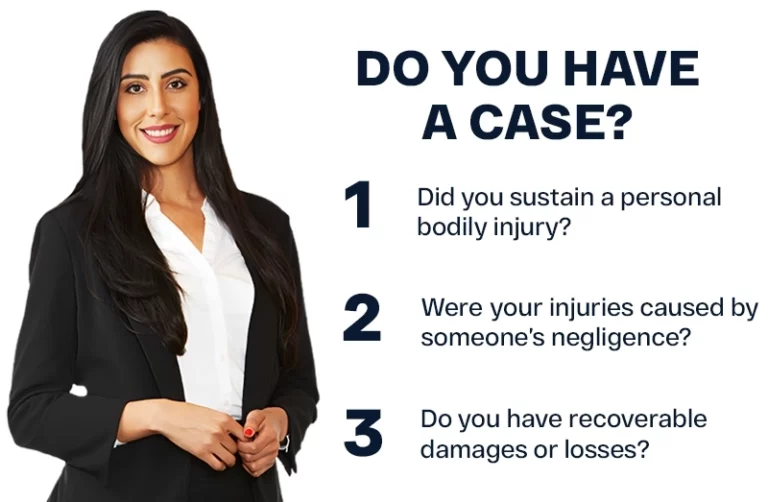
Do You Have A Case?
IF YES, You may be able to recover financial compensation. TELL US MORE:
Do you have a case?
IF YES, You may be able to recover financial compensation. TELL US MORE:

Thank You, We’ll contact you shortly.

DON'T SPEND
HOURS
SEARCHING
FOR ANSWERS
Get FREE Consultations
24 Hours Icon
24 Hours Icon