California Bouncy House Accident Attorneys
- PAY NOTHING UPFRONT
- OVER $0 BILLION RECOVERED
- ZERO-FEES UNTIL WE WIN
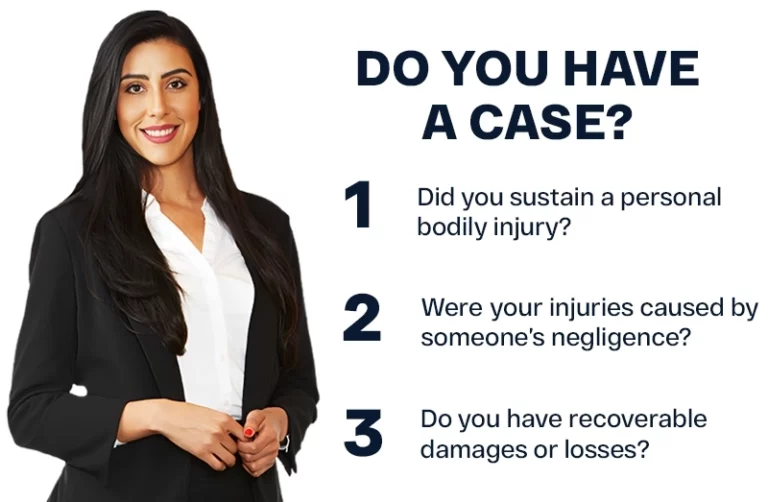
We’ll review what happened and tell you what options may be available.
Or, get LIVE help now — call our free 24-hour accident hotline at (888) 488-1391
Who We Help After A Bouncy House Accident
Arash Law helps people and families across California after serious injuries involving bounce houses, jump houses, inflatable slides, and other inflatable amusement devices. These claims may involve injured children, injured adults, parents pursuing claims for minors, event workers, bystanders, and families who lost a loved one. Liability is not always limited to a single person or business.
A case may involve a property owner, event organizer, rental company, setup crew, manufacturer, or another party that contributed to the creation of an unsafe condition. California claims may also involve premises liability, product liability, vicarious liability, comparative fault, minor-claim procedures, and waiver disputes, depending on how the injury happened. Compensation may include medical bills, future care, lost income, pain and suffering, emotional distress, property damage, and wrongful death damages when a fatal injury occurs.
Why Bouncy House Injury Victims Call Arash Law
- We help injured children, injured adults, and families handling minor claims.
- We investigate rental companies, event hosts, property owners, and product makers.
- We move quickly to preserve photos, witness accounts, incident reports, and evidence of the bounce house equipment and setup.
- We handle waiver issues, shared fault arguments, and multi-party insurance disputes.
- We pursue compensation for medical care, future needs, lost income, and pain and suffering.
- We charge no upfront fees, and we answer the question “do lawyers only get paid if they win?” clearly at the start.
Call (888) 488-1391 for a free consultation. No fees unless we win.
Who Can Bring A Bouncy House Accident Claim?
A bouncy house claim may involve more than one type of injured person. These cases often center on a child, but the claim environment is broader than that.
People who may have a claim include:
- Children injured while using a bounce house or inflatable slide.
- Adults injured while supervising, entering, exiting, setting up, or standing near the inflatable.
- Bystanders struck during a tip-over, collapse, deflation, or wind event.
- Event workers or vendors hurt during setup, anchoring, operation, or takedown.
- People injured by defective equipment, torn surfaces, exposed blowers, or unsafe anchoring.
When a child is injured, a parent, guardian, or guardian ad litem usually brings the claim on the minor’s behalf, and any settlement usually requires court approval.
If the accident is fatal, surviving family members may also have the right to bring a wrongful death claim.
Ordinary statute of limitations rules can also apply differently to children, which is one reason families should not wait too long to speak with counsel.
Why Bouncy House Cases In California Are Different
Bouncy house claims are different from many ordinary injury cases because they often involve children, temporary event setups, disputed supervision, possible equipment problems, and evidence that can disappear quickly.
These accidents may happen at places such as:
- Backyard birthday parties and private residential events.
- School, church, and community festivals.
- Indoor party venues such as Pump It Up in Los Angeles or Scooter’s Jungle in El Segundo.
- Rental setups delivered to homes, parks, schools, and event halls across California.
Important California-specific claim realities may include:
- Local fire department and paramedics/EMS responding after a serious injury.
- Incident reports, venue records, and rental records that may help show what happened.
- Photos, videos, and witness statements that may disappear quickly after the event.
- Proof about the inflatable’s condition and setup, including anchoring, blower placement, and safety warnings.
If a lawsuit becomes necessary, it will often be filed in the California Superior Court for the county where the injury happened or where the responsible party lives or does business.
(No guarantee of outcome. Results displayed were dependent on unique facts of that case, and different facts will bring different results.)
Who May Be Liable For A Bouncy House Accident In California?
More than one party may be liable for a bouncy house accident. A strong claim does not have to depend on a single defendant. Expanding the liability picture often widens the insurance coverage and the path to full compensation.
Potentially liable parties may include:
- The property owner or occupier who allowed an unsafe setup or unsafe use.
- The event organizer or host who failed to supervise or enforce safety rules.
- The bounce house rental company that supplied unsafe, damaged, or poorly maintained equipment.
- The setup or installation crew that failed to properly anchor or inspect the inflatable.
- The operator or staff member who allowed overcrowding, mixed unsafe age groups, or ignored dangerous conditions.
- The manufacturer or distributor if a design, manufacturing, or warning defect contributed to the injury.
- An employer whose employee caused the unsafe condition while working.
- Another third party whose conduct contributed to the incident.
In California, people or businesses that own, rent, or control property usually must act with reasonable care. Manufacturers may be strictly liable for defective products. Employers may also be responsible for harm caused by employees acting within the scope of their jobs. When a bounce house injury happens at a commercial attraction or amusement venue, these overlapping issues may lead families to speak with a California theme park injury lawyer about their options.
What Compensation May Be Available After A Bouncy House Accident?
Compensation may include a wide range of losses based on the facts, the injuries, the liable parties, and the available insurance. In many cases, recoverable damages may include:
- Emergency medical treatment
- Hospital bills
- Surgery
- Follow-up care
- Rehabilitation
- Physical therapy or chiropractic care
- Future medical care
- Lost wages
- Reduced earning capacity
- Property damage, when applicable
- Pain and suffering
- Emotional distress
- Wrongful death damages in fatal cases
The value of a case usually depends on how serious the injury is, how much medical care the person needs, how long recovery takes, how much work they miss, whether they will have future limitations, and how strong the proof of fault is. That is why many families turn to bouncy house accident attorneys to help them evaluate the full value of their claim.
How Insurance Usually Works In These Cases
Insurance can be a major battleground in a bouncy house claim. These cases may involve more than one policy, and each insurer may try to minimize its role.
Depending on the facts, coverage may come from:
- A homeowner’s policy.
- A commercial general liability policy.
- A business or event policy.
- A rental company’s liability coverage.
- A vendor’s policy.
- Product liability coverage.
- Workers’ compensation, if an employee was hurt while working.
- First-party health coverage for immediate treatment needs.
A common problem is that insurance companies often argue over who controlled the inflatable, who set it up, who should have been watching the children, whether a waiver applies, whether the injury could have been expected, and how serious the injuries really are. If a child was hurt, the case may also involve extra legal steps because a court usually must approve any settlement for a minor. Early legal help can matter because insurance issues can affect the whole claim from the start.
What Evidence Matters In A Bouncy House Accident Case?
The evidence in a bouncy house case can differ significantly from that in other personal injury cases. It is often event-based, temporary, and easy to lose.
Important evidence may include:
- Photos of the inflatable, anchoring system, blower, cords, seams, and the surrounding area.
- Videos from phones, security cameras, or event footage.
- Witness statements from parents, staff, vendors, and bystanders.
- Incident reports.
- Rental agreements and setup instructions.
- Warning labels and waiver forms.
- Inspection, maintenance, and repair records.
- Delivery and setup records.
- Employee training records.
- Weather records where wind played a role.
- Medical records linking the mechanism of injury to the harm suffered.
Some of the most important evidence may disappear quickly. The inflatable may be taken down, deflated, repaired, or thrown away. Witnesses often leave after the event. Video footage may also be erased or recorded over. A quick investigation can help preserve this evidence before the rental company, property owner, or insurance company builds the case around its own version of events.
After a serious injury in an inflatable jump house, many people start thinking, “I need a personal injury lawyer.” Because this evidence can disappear quickly, many families consult bounce house accident attorneys soon after a serious bounce house injury.
Bouncy House Accident Injuries And How They Affect Compensation
The severity of the injury often affects the value of a claim. More serious injuries usually mean more medical care, more time away from school or work, more future treatment, and more pushback from the insurance company. Head and brain injuries are especially important in these cases because they can have lasting effects. Even a concussion may lead to headaches, dizziness, trouble focusing, mood changes, or other symptoms that disrupt daily life.
Common injuries in these cases may include:
- Head injuries, including traumatic brain injuries and concussions
- Neck injuries
- Fractures
- Spinal injuries
- Dental injuries
- Cuts and lacerations
- Sprains, strains, and other soft tissue injuries
- Emotional trauma after a frightening collapse, ejection, or wind event
When a child suffers a head or brain injury, the long-term effects may be serious. The injury may affect learning, behavior, development, school performance, and daily activities for years. Other serious injuries, such as spinal injuries, major fractures, or dental damage, may also lead to long-term problems.
Insurance companies often dispute the seriousness of the injury, what caused it, and whether future care is really necessary. That is why strong medical records, specialist follow-up, and clear proof of damages matter. Bouncy house accident attorneys can use that evidence to show the full impact of the injury, whether the claim involves an injured child or an adult who lost income or suffered lasting physical limitations while supervising, helping, or trying to rescue someone during the incident.
What Typically Happens After A Bouncy House Claim Begins?
Most claims follow a practical path:
- The injury is reported.
- The injured person gets medical care.
- Evidence is gathered and preserved.
- The liable parties and insurance policies are identified.
- Medical records and damage documentation are collected.
- Liability and causation are analyzed.
- Settlement negotiations begin.
- Litigation is filed if the insurers do not offer fair compensation.
- Court approval is sought if a minor’s settlement requires it.
Some claims settle once the facts are clear and the injuries are fully documented. Others take longer when fault is disputed, more than one party is involved, a waiver becomes an issue, or the injured person needs more time to understand the full extent of the harm.
Why Hire Arash Law After A Bouncy House Accident?
Bouncy house injury claims can become complicated fast. A family may be dealing with a hurt child, multiple businesses, conflicting stories, waiver language, disappearing evidence, and insurers trying to narrow the claim before the full medical picture is clear.
Arash Law helps by:
- Identifying every viable claimant and liability path.
- Investigating rental companies, event hosts, property owners, operators, and manufacturers.
- Preserving records before they disappear.
- Handling insurer calls and pressure tactics.
- Building the medical damages story clearly.
- Managing child injury claims and obtaining court approval for settlements when needed.
- Negotiating aggressively and litigating when needed.
We also handle cases on a contingency-fee basis, meaning no upfront attorney’s fees. Families looking for free advice from bouncy house accident lawyers often start with a consultation so they can understand what evidence matters, who may be liable, and what the claim may actually involve before making major decisions. Court rules for minors, comparative fault arguments, and waiver issues can all affect value, so early legal guidance can make a real difference.
Frequently Asked Questions About Hiring A California Bouncy House Lawyer
Bounce house injury claims can feel confusing, especially when a child is hurt, and more than one party may be involved. The questions below explain some of the most important issues families may face after a California bouncy house accident.
Do I Need A Lawyer After A Bounce House Accident?
You may not need a lawyer after every minor incident. However, early legal help may be important if a child was hurt, the injuries are serious, more than one party may be responsible, a waiver is being used against you, or it is still unclear who caused the accident.
When Should I Contact A Lawyer?
As soon as possible. Early action can help preserve photos, witness statements, incident reports, rental records, and proof of the inflatable’s condition and setup before that evidence disappears, gets removed, or changes hands.
Can A Lawyer Help If The Company Or Insurer Blames Me?
Yes. California follows pure comparative fault, so partial fault does not automatically bar recovery. Bouncy house accident attorneys can push back against exaggerated blame-shifting and work to protect the value of the claim.
Can I Still Sue If I Signed A Waiver?
Sometimes, yes. A waiver may become part of the defense, but California does not allow advance releases for future gross negligence. The answer depends on the facts, the wording, and the seriousness of the safety failure.
Can A Lawyer Help If My Child Was Injured?
Yes. Minor claims often involve additional rules regarding who may file the case, who may act on behalf of the child, and how a settlement is approved. Those procedures are one reason child injury claims should be handled carefully.
Do Lawyers Only Get Paid If They Win?
Many California personal injury firms, including Arash Law, work on a contingency basis. That usually means no upfront attorney’s fees, and the fee is paid from any recovery.
Should I Talk To The Insurance Company First?
Be careful. You can report basic facts, but detailed recorded statements or early settlement discussions can hurt the claim if the full medical and liability pictures are not yet clear.
Talk To Arash Law’s California Bouncy House Accident Attorneys
A serious bounce house accident can leave a child or adult with painful injuries, expensive treatment, school or work disruption, and lasting emotional harm. These cases may involve property owners, event organizers, rental companies, setup crews, manufacturers, and insurers, all seeking to limit their liability. The faster the investigation begins, the better the chance of preserving evidence and protecting the full value of the claim.
Arash Law attorneys help families and injury victims across California pursue compensation after unsafe inflatable accidents. We investigate the incident, identify every liable party, preserve records, handle the insurers, and fight for the compensation your case deserves.
Call (888) 488-1391 to discuss your bounce house accident case and learn what steps may help protect your claim.