
California Department Store Accident Lawyers

  • PAY NOTHING UPFRONT
  • OVER $1 BILLION RECOVERED
  • ZERO-FEES UNTIL WE WIN
Recover Lost Wages, Property Damage, and Medical Bills.
Arash Law Practice Area Border/Divider

We’ll review what happened and tell you what options may be available.

Or, get LIVE help now — call our free 24-hour accident hotline at (888) 488-1391

Table of Contents

Who We Help After A Department Store Accident

Arash Law represents people injured in department store accidents across California. Among them are shoppers, children, older adults, and people with disabilities. We also help injured bystanders, people in store entry areas, and those using connected spaces like fitting rooms, restrooms, and store parking lots. Additionally, we assist delivery drivers, vendors, contractors, and store workers in pursuing claims against third parties when those third parties are responsible for their injuries.

A department store accident can happen in several ways. You may have suffered a slip and fall in a store, been hit by falling merchandise, gotten hurt on an escalator, tripped over a display, or been injured in a parking lot or entry area. In other cases, poor security, a structural problem, or a defective fixture may have caused the harm.

More than one party can be responsible for these incidents. Depending on the facts, the case may involve the store operator, property owner, landlord, management company, janitorial company, security company, vendor, contractor, or product manufacturer. Compensation may include medical bills, lost wages, property damage, pain and suffering, and other losses tied to the accident.

Why Department Store Accident Victims Call Arash Law

A simple injury claim approach is not enough after a store accident. These cases often involve evidence that can vanish and records managed by large corporations. A proactive legal team acts swiftly to identify all liable parties and compile a comprehensive case file. This early pressure can influence settlement decisions.

  • We help all injured victims of department store accidents.
  • We investigate store owners, landlords, vendors, contractors, and other liable parties.
  • We preserve surveillance video, incident reports, inspection logs, and maintenance records before they get erased or changed.
  • We review store safety practices, including cleaning routines, staffing patterns, and hazard response.
  • We handle communication with insurance companies and push back when they dispute fault or minimize your injuries.
  • We pursue compensation for medical bills, lost wages, and pain and suffering.
  • No fees unless we win.

Call (888) 488-1391 to schedule a free initial consultation with our department store accident lawyers.

Who Can Bring A Department Store Accident Claim?

You could file a claim if you were legally in or near the store and a hazardous condition led to your injury. Your eligibility also depends on who managed the area and what caused the danger.

Here are the potential parties who can bring a department store accident claim:

  • Shoppers: If you were injured while shopping due to hazards such as wet floors, unsafe displays, or defective store equipment.
  • Bystanders: If you were nearby and got hurt during an incident, such as a collapsing display or crowded event.
  • Delivery Drivers, Vendors & Contractors: If you were injured while working in or around the store due to a dangerous condition.
  • Store Employees: If a third party caused the hazard, an injured employee may bring a claim outside of workers’ compensation.
  • Parents or Guardians: If a child is injured in the store, a parent or guardian may bring a claim on the child’s behalf.
  • Surviving Family Members: If the accident was fatal, eligible family members can pursue a wrongful death claim.

Why Department Store Accident Cases In California Are Different

Department store accident cases in California differ because they fall under premises liability and often involve large retail operations, shared property control, and strict notice requirements. These factors can make the claim more complex than a typical injury case.

California’s pure comparative negligence rule also makes cases in the state different. Here, an injured victim can recover damages even if they were 99% at fault for the accident. However, their percentage of fault reduces their potential compensation.

Most department store injury claims in the state also involve negligence. The key issue is whether the store failed to keep the property reasonably safe or failed to warn you about a danger.

These cases may involve more than the condition of one aisle or display:

  • High Foot Traffic & Constant Hazards: Popular department stores, including Macy’s, Nordstrom, and JCPenney, receive heavy foot traffic daily. Spills, cluttered aisles, and unsafe displays can appear quickly and put customers at risk.
  • Inspection & Safety Duties: Stores must regularly inspect the property. They must fix dangerous conditions or warn customers before someone gets hurt.
  • Notice & Timing: Claimants must show that the store knew, or should have known, of the hazard. Claims may depend on how long the condition existed or whether an employee created it.
  • Non-Delegable Duty: A store cannot avoid responsibility by blaming a cleaning company or contractor. The duty to keep the store safe still stays with the business.
  • Fast-Disappearing Evidence: Surveillance video may be erased within days. Stores can fix hazards quickly. Without early action, key proof may be lost.
  • Multiple Parties Involved: Liability may include the store, landlord, property manager, janitorial crew, vendor, or security company.

In California, the response after a department store accident varies based on location and severity:

  • A city police department, such as the Los Angeles Police Department, may respond to serious store incidents.
  • A county agency, such as the San Diego County Sheriff’s Department, may respond in certain areas.
  • Emergency care may be provided at facilities such as UCI Medical Center or Riverside University Health System, depending on where the injury occurs.

Due to these factors, a department store case involves more than how the accident happened. You generally rely on inspection records, store policies, staffing levels, and timely preservation of evidence after the incident.

$41,950,000.00
A $41.95 million verdict for customers attacked inside a Walmart after a baseball bat left on the sales floor was used in the assault. A jury found Walmart partially responsible based on the evidence presented at trial.
Do I Have A Case
$17,900,000.00
A $17.9 million unanimous verdict against the County of Los Angeles involving two clients harmed in a serious crash. The jury determined the County was entirely at fault after a hard-fought trial that highlighted the clients’ long-term medical needs and the County’s denial of responsibility.
Do I Have A Case
$3,500,000.00
A $3.5 million verdict for a client who suffered a traumatic brain injury in a 2017 collision. Before trial, the insurer initially offered $18,500 and later increased the offer to $300,000. After hearing medical testimony and evidence of the victim’s ongoing symptoms, the jury awarded damages for past and future pain and suffering and future medical care.
Do I Have A Case

(No guarantee of outcome. Results displayed were dependent on unique facts of that case, and different facts will bring different results.)

Who May Be Liable For A Department Store Accident In California?

Department store accident claims may involve more than one responsible party. In California, these claims usually focus on retail store negligence. However, liability still depends on who controlled the area, who created the hazard, and who failed to fix or warn about it.

You must show that someone failed to keep the property reasonably safe and that this failure caused your injury.

Potentially liable parties in department store accidents include:

  • Store Owners or Retail Corporations: The store operator is often responsible for hazards inside the store, such as spills, unsafe flooring, or falling merchandise.
  • Property Owners or Landlords: If the injury happened in a shared space, such as an entryway, sidewalk, or parking lot, the property owner may be responsible.
  • Property Management Companies: These companies may handle maintenance, inspections, or security. They may be held liable if they fail to address known hazards.
  • Janitorial or Maintenance Contractors: A cleaning crew may be liable if it creates a hazard, such as leaving a wet floor without warning signs.
  • Third-Party Vendors: Vendors who stock shelves or build displays may be responsible if their work creates a dangerous condition.
  • Security Companies: If the injury results from an assault or unsafe conditions caused by poor security, the security provider may be liable.
  • Product Manufacturers: If a defective shelf, fixture, or escalator caused the injury, the manufacturer may be responsible.

In many cases, responsibility can overlap. For example, in Ross Dress for Less accidents, the store may point to a cleaning company, while the facts may show that staff missed a known hazard. A department store accident attorney can review the records and identify which parties may be legally responsible.

Department store slip and fall accident, customer falling on spilled perfume in beauty aisle
Sandra Bernabe
Sandra Bernabe
Arash Law firm is been an amazing advocate for me in my case. They truly care about you and your needs. Especially my case manager Cynthia Gracia; she’s amazing at what she does. Always ensures to make sure any questions I have are answered and keeps me updated on my case as soon as possible. Super easy communication and response time! Would definitely recommend to others!
Stephen Watson
Stephen Watson
I highly recommend Arash Law, if I could give them more than 5 stars I would give them 10. The staff, particularly Arlene, is outstanding and very responsive, professional, and most of all kind-hearted. They advocated for me and my girlfriend after an auto accident and were superb. They got us 25 times what the insurance company originally offered. In addition to everything else, they were fast and efficient. Not to mention very honest and up-front about what to expect and the range of possible outcomes. Again, I highly recommend this firm and had the best experience i could have imagined. They actually surpassed my hopes and I consider them to be my friends, especially Arlene. Do not hesitate to contact them, you will not be disappointed. Steve W.
Pearl
Pearl
My experience with Arash Law has been outstanding from the start. Their team Cristina and Oscar are incredibly knowledgeable, consistently providing clear explanations and well-informed guidance that has made every step easy to understand. They have also been exceptionally helpful, always quick to respond and willing to go the extra mile to make sure I feel supported. Arash Law handles everything with professionalism and confidence, which gives me that peace of mind and has made a situation that could have been overwhelming feel manageable. Overall, Arash Law delivers excellent service, expert advice, and a truly smooth experience. I highly recommend them to anyone looking for reliable, caring, and effective legal support.
Catherine Davis
Catherine Davis
Great representation, my case representative, Arlene Perez, is wonderful. She explained everything in detail about how injury law suits work. She is prompt in returning messages, shows genuine concern for my well being, and she is very knowledgeable and eager to help. Without having met anyone from the Arash team in person, I can honestly say that this law group takes care of business. Perhaps this is why this firm is one of the best who also represent people from small rural communities, such as myself. Yes, I 100% recommend, you cannot go wrong with this awesome team of experts. They will fight, unwavering, to win cases. Thank you, Arash Legal Group ! You rock !!
Santos Hernandez
Santos Hernandez
Great experience with Arash Law. A big thank you to Erick Ordonez for his professionalism and support. He helped close my case quickly and kept everything transparent. Highly recommend.
Were you injured in a Department Store Accident?

How Insurance Usually Works In Department Store Accident Cases

Most department store claims involve commercial insurance rather than personal auto insurance. Coverage may come from the store, the landlord, a property manager, or multiple contractors. Many injured people seek free advice from department store accident lawyers to understand how these policies apply to their case.

A department store accident claim may involve one or more of the following insurance policies:

  • Commercial General Liability (CGL) Insurance: Covers customer injuries and property damage that happens on the premises when the store is negligent.
  • Commercial Umbrella or Excess Liability Insurance: Additional coverage that applies when the CGL policy limits are not enough.
  • Business Owners Policy (BOP): A bundled policy used by small to mid-sized retailers. It may combine general liability, property coverage, and business interruption protection.
  • Product Liability Insurance: A manufacturer’s policy may apply if a defective product or fixture caused the injury.
  • Workers’ Compensation Insurance: Insurance that applies when the injured person is a store employee, not a customer.
  • Third-Party Property Insurance: Coverage that may apply if personal items, such as a phone or glasses, were damaged during the accident.

You may also deal with claim administrators and multiple corporate entities. Insurance companies may dispute notice, argue that your injury is unrelated, or claim the hazard was open and obvious. Before the store repairs the hazard, overwrites video, or loses incident notes, injured shoppers should document what happened and request that key evidence be preserved.

What Compensation May Be Available After A Department Store Accident?

A department store accident claim can include compensation for how the injury affects your health, income, and daily life. The total value of a claim depends on several factors. These include the severity of the injury, the type of treatment required, time away from work, and whether the injury causes long-term effects.

You can pursue compensation for:

  • Economic Damages:

    • Medical Expenses: Emergency care, hospital bills, surgery, medication, physical therapy, and follow-up care.
    • Lost Wages: Income you missed while recovering from your injuries.
    • Reduced Earning Capacity: Loss of future income if you cannot return to the same type of work.
    • Property Damage: Repair or replacement of items damaged during the accident, such as phones or glasses.
    • Future Medical Costs: Expected costs for continued treatment, rehabilitation, or long-term care.
    • Household Services: Help with daily tasks if your injury limits your ability to manage them.
  • Non-Economic Damages:

    • Pain and Suffering: Physical pain and lasting discomfort caused by the injury.
    • Emotional Distress: Anxiety, stress, or trauma after the accident.
    • Loss of Enjoyment of Life: Limits on your ability to take part in normal activities.
    • Disfigurement or Disability: Lasting physical changes or loss of function.
    • Loss of Consortium: Impact on your relationship with a spouse or partner.

If the accident was fatal, eligible family members may pursue wrongful death damages. These may include funeral and burial costs, loss of financial support, and loss of companionship or guidance.

If the injured person was working at the time of the accident, workers’ compensation may also apply. This state-mandated insurance can cover medical care and partial wage replacement, regardless of fault. A separate claim against a third party may still be available if another party caused the hazard.

A store or insurer may focus only on immediate medical costs, but a complete claim should also account for future treatment, missed work, and the injury’s effect on daily life.

What Evidence Matters In A Department Store Accident Case?

Evidence shows what caused the hazard, how long it existed, and who controlled the area. Department stores hold much of the key proof, including video footage, internal reports, cleaning records, and employee notes. Acting early matters because some records may be overwritten, changed, repaired, or lost during normal store operations. That timing can affect how clearly you can prove fault and damages.

Important evidence includes:

  • Store incident report.
  • Photos of the hazard, flooring, aisle condition, and warning signs.
  • Surveillance video from sales floors, entrances, escalators, and checkout areas.
  • Photos or videos of merchandise displays, shelving, or involved racks.
  • Medical records from all treatment providers, including follow-up care.
  • Witness names and contact details from shoppers or employees.
  • Clothing and footwear worn during the incident.
  • Cleaning logs, sweep sheets, and inspection records.
  • Employee schedules and staffing levels at the time of the incident.
  • Prior complaints or incident history in the same area.
  • Store safety policies on inspections, spill response, and display setup.
  • Delivery or stocking logs if a vendor or employee created the hazard.
  • Maintenance records for escalators, elevators, or automatic doors.

If the store later denies notice of the hazard, your time-stamped photos, witness statements, and video preservation requests can help show what happened before the scene changed.

Department Store Accident Injuries And How They Affect Compensation

Your injury can affect how much your claim is worth. More serious injuries often need more treatment and a longer recovery. They can also affect your ability to work and handle daily tasks.

Victims of department store accidents may sustain these injuries:

  • Head injuries, including concussions or traumatic brain injuries.
  • Broken bones, such as wrist, ankle, or hip fractures.
  • Neck and back injuries, including disc problems or chronic pain.
  • Cuts or lacerations that may require stitches.
  • Sprains or strains affecting muscles and ligaments.
  • Spinal cord injuries that affect movement or cause paralysis.
  • Crush injuries from falling merchandise or collapsing displays.
  • Injuries from escalator or elevator malfunctions.

More serious injuries often require emergency care, imaging, surgery, physical therapy, or chiropractic treatment. These injuries may also lead to higher medical costs, lost income, and long-term limits on your ability to work or perform daily activities.

California insurers may question whether the store accident caused the injury or whether symptoms came from something else. Consistent medical records and clear work restrictions can help answer that dispute.

Department store accident investigation, security officer reviewing surveillance footage with injured employee

What Typically Happens After A Department Store Accident Claim Begins?

Most department store claims proceed through investigation and insurance reviews. Early steps can influence the entire case by determining what evidence is available and how the store documents the event. Accurate reporting, thorough medical documentation, and preservation of store-controlled records are a strong start.

A claim typically involves the following steps:

  • Getting medical care and following treatment plans recommended by providers.
  • Reporting the incident and requesting the incident report reference information.
  • Documenting the exact location, such as store aisles, entrances, or parking areas.
  • Taking pictures of the hazard and the surrounding area before conditions change.
  • Collecting witness contact information before people leave the store.
  • Requesting preservation of video footage and store records through a formal notice.
  • Tracking symptoms, work restrictions, and missed time in a consistent timeline.
  • Responding to insurers, including written questions and recorded statement requests.
  • Sending demand letters after liability and damages are documented.
  • Filing a lawsuit if the insurer denies fault or refuses to offer fair value.

What you say after the accident should match the facts in your medical records, incident report, photos, and witness statements. A lawyer for department store accidents can help you avoid unclear or exaggerated statements that insurers may later use against you. If your symptoms change over time, update your doctor rather than guessing about the cause or severity during an insurance call.

How Long Do You Have To File A Department Store Accident Claim In California?

You generally have two years from the date of the injury to file a department store accident claim in California. If the case involves a wrongful death, the two-year period usually starts from the date of death. If a public entity is involved, you may need to file a government claim within six months, a much shorter deadline. The safest approach is to identify every possible deadline early, especially if the store is located in a mall, public transit hub, airport, or government-owned property.

Why Hire Arash Law After A Department Store Accident?

People hire Arash Law to help handle complex retail accident claims, identify all responsible parties, and protect their right to pursue compensation. Department stores handle high foot traffic every day, and key evidence can disappear quickly without early action.

When you work with our department store accident lawyers, you get help in:

  • Reviewing the facts of the accident and identifying all liable parties.
  • Sending timely records requests to the store, mall, maintenance company, or other responsible parties.
  • Examining inspection logs, staffing levels, and store safety practices.
  • Coordinating with medical providers to document your injuries.
  • Calculating damages based on medical costs, lost income, and future care needs.
  • Handling insurance companies and responding to disputes over fault or value.
  • Preparing the case for litigation when needed.

Many injured people ask, “Do lawyers only get paid if they win?” At Arash Law, the answer is yes, as our attorneys work on a contingency fee basis. That means you do not pay upfront legal fees, and payment comes from a recovery if one occurs.

Legal Questions Our Department Store Accident Lawyers Can Help Answer

You may have questions about your rights, your claim, and what steps to take after a store injury. The answers below address common concerns that come up early in a department store accident case.

Possibly. You may need a lawyer if the accident caused injuries, required medical treatment, or led to a dispute with the store or its insurer. They can help identify who is responsible, preserve evidence, and handle communication with insurance companies.

As soon as possible, especially if you were seriously hurt, the store disputes what happened, or an insurance adjuster has already contacted you. Premises liability attorneys can provide early legal guidance and help you avoid unclear statements, identify the right parties, and understand what records may matter before the claim becomes harder to prove.

It may be worth hiring a lawyer if your injury affects your health, work, or daily life. Claims that involve serious injuries, ongoing treatment, or fault disputes often necessitate a legal professional’s assistance. Department store accident lawyers can assess liability and identify all available insurance coverage.

Yes. A lawyer can review the facts, gather evidence, and respond to the store’s allegations. They can also use surveillance footage, inspection logs, and witness statements to challenge unfair blame and support your claim.

You can report the accident, but limit your communication to basic facts. Insurance adjusters may use your statements to dispute fault or reduce your claim. Once you hire one, your department store accident lawyer can handle all communication with insurers and help protect your rights.

Discuss Your Department Store Accident Case With Our Lawyers

A department store accident can leave you dealing with injuries, medical bills, lost income, and a claim that involves large retailers and insurance companies. You do not have to sort through that process on your own.

Arash Law represents people injured in department stores across California, including locations in Los Angeles, San Diego, Irvine, Tustin, Santa Barbara, and Palm Springs. Our team works to identify responsible parties, preserve key evidence, and handle communication with insurers.

If you are already thinking, “I need a personal injury lawyer,” it may help to get a clear review of your situation. Our department store accident lawyers can explain your options, review the facts, and guide you on the next steps.

Call (888) 488-1391 to speak with our lawyers in a free consultation. No fees unless we win.

Arash Khorsandhi
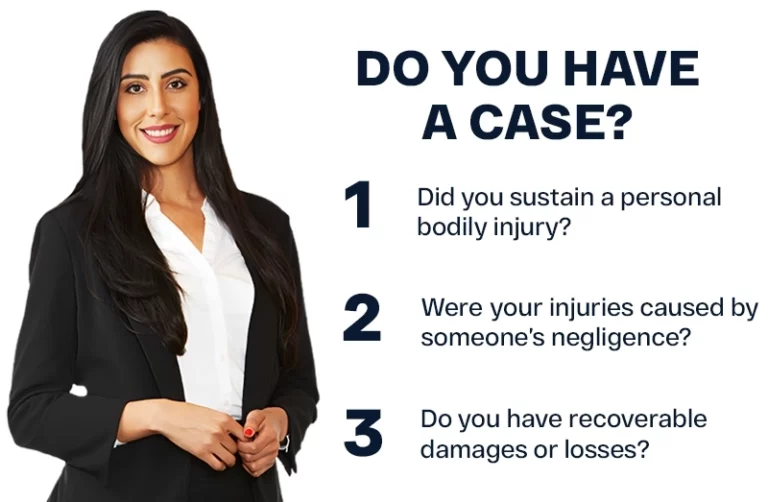
Do You Have A Case?
IF YES, You may be able to recover financial compensation. TELL US MORE:
Do you have a case?
IF YES, You may be able to recover financial compensation. TELL US MORE:

Thank You, We’ll contact you shortly.

DON'T SPEND
HOURS
SEARCHING
FOR ANSWERS
$0 Fees unless
we win.