Sacramento Construction Accident Lawyers

We’ll review what happened and tell you what options may be available.
MAKE THEM PAY, CALL AK!
24-hour accident hotline: (888) 488-1391
Who We Help After a Sacramento Construction Accident
Arash Law represents the following people after construction-related injuries in Sacramento:
- Construction workers and trade workers injured on private development, public works, road work, utility, or infill projects
- Subcontractor employees and temporary workers placed through staffing agencies
- Workers injured on Railyards, Central City, River District, and other downtown infill projects
- Pedestrians, bicyclists, scooter riders, and motorists struck in or near Sacramento work zones — especially where sidewalk or bikeway detours were involved
- Workers injured on Sacramento County Construction Management and Inspection Division projects (roads, bridges, water, drainage, wastewater, airport, county-owned buildings)
- Residents and bystanders affected by falling debris, dust, or work-zone hazards on city or county projects
- Families of workers killed in fatal Sacramento construction accidents
Why Sacramento Construction Accident Victims Call Arash Law
- We investigate Sacramento public works, infill development, and roadway work-zone cases — including identifying the permit sponsor responsible for traffic-control implementation, which is often a non-obvious defendant.
- We coordinate workers’ compensation claims through the Sacramento DWC district office and civil cases through the Sacramento County Superior Court.
- We handle the City of Sacramento and Sacramento County government claim process — strict six-month deadlines apply under California Government Code §911.2.
- We send preservation letters within days to capture traffic-control plans, permits, inspection records, safety logs, and any Cal/OSHA records.
- We pursue medical bills, lost wages, disability, pain and suffering, and wrongful death damages where the facts support them.
- No fees unless we win — case costs may apply.
- Local intake: (916) 414-9552.
Sacramento Construction Accident Lawyers Putting Injured Clients First
If you get injured on or near a construction site in Sacramento, you may have the right to seek compensation under California law. Construction accidents can result in serious injuries that impact your ability to work and live independently. Contractors and other entities in control of a job site can be liable if they fail to maintain a safe environment.
For employees, the first claim path is usually workers’ compensation. This type of claim does not require proof of negligence. If someone other than their employer contributed to the injury, they may also be eligible to file a third-party claim. Residents, pedestrians, and other individuals injured in construction accidents can also file a personal injury case if someone else’s carelessness caused the incident.
However, pursuing these claims can be challenging. Injured construction workers may have multiple options for seeking compensation. Many Sacramento construction projects involve overlapping public and private control. Caltrans-led work along the Capital City Freeway (the original “Fix 50” project is one historical example) typically involves Caltrans as the project owner, an EPC or design-build prime contractor, multiple trade subcontractors, and (for adjacent infrastructure) the City of Sacramento or Sacramento County. A single work-zone accident on a project like that can produce a Caltrans government claim, a third-party claim against the prime contractor, and a separate workers’ comp claim against the injured worker’s direct employer. Sacramento construction accident lawyers work to clarify these complexities so victims can make informed decisions about their case.
Why Construction Accident Cases In Sacramento Are Different
Sacramento construction accident cases sit at the intersection of three things most California cities don’t combine: (1) large-scale downtown infill development, (2) heavy public-works overlap with private development, and (3) work-zone mobility rules that specifically protect people walking, scooting, and bicycling through work zones. Each of these factors changes who can be sued, what evidence is preserved, and what deadlines apply.
- Downtown infill: the Railyards and Central City
The Railyards is a 244-acre former Union Pacific rail site and one of the largest infill redevelopment projects in the nation (source: cityofsacramento.gov, Railyards project page). Central City and the River District add additional mixed-use, infill, and transit-oriented construction. These projects typically involve a master developer, multiple phase contractors, the City of Sacramento, sometimes Caltrans for adjacent infrastructure, utility companies, and the railroad — meaning a single accident often produces multiple potential defendants and multiple insurance towers.
- Public-works overlap: City, County, and Caltrans on the same project
Sacramento County’s Construction Management and Inspection Division works on roads, bridges, water, drainage, wastewater, airport projects, and county-owned buildings — sometimes on the same physical site as a private development. That overlap means a single accident may require a workers’ comp claim against the employer, a third-party claim against the prime contractor, AND a government claim against the City, the County, or both — each with its own deadline.
- Work-zone mobility rules and the permit sponsor
Sacramento has specific work-zone standards requiring accommodations for people walking, scooting, and bicycling through work zones — including ADA-compliant pedestrian pathways, defined sidewalk and bikeway diversions, and traffic-control plans. The City identifies the “permit sponsor” as the entity responsible for implementing those measures. (See the dedicated Permit Sponsor section above.)
- Filing venues
Workers’ compensation disputes go to the Sacramento DWC district office. Civil lawsuits proceed in the Sacramento County Superior Court. Claims against the City of Sacramento are filed with the Office of the City Clerk. Claims against Sacramento County are filed with the County Clerk of the Board. All government claims must be filed within six months of the injury (California Government Code §911.2).
The Permit Sponsor: A Non-Obvious Liable Party in Sacramento Work-Zone Cases
The City of Sacramento’s work-zone standards identify the “permit sponsor” as the entity responsible for implementing temporary traffic-control measures through a work zone (source: City of Sacramento public-works and traffic-control standards). The permit sponsor is the party that pulled the encroachment permit for the work — which is often the developer, the utility, or the general contractor, but is not always the company physically doing the work.
Why this matters for a work-zone injury case: when a pedestrian, bicyclist, scooter rider, or motorist is hurt in a Sacramento work zone — especially in cases involving sidewalk or bikeway detours, improperly placed barricades, missing flaggers, or non-ADA-compliant pedestrian pathways — the permit sponsor is potentially liable in addition to the on-site contractor and subcontractors. Identifying the permit sponsor early is one of the highest-leverage early investigation steps in a Sacramento work-zone case.
How we identify the permit sponsor: we file a California Public Records Act request with the City of Sacramento Department of Public Works for the encroachment permit covering the location and date of the incident. The permit identifies the sponsor by name. We then coordinate the permit-sponsor claim with the workers’ comp claim (if the injured person was a worker) or the contractor liability claim (if a non-worker).
(No guarantee of outcome. Results displayed were dependent on unique facts of that case, and different facts will bring different results.)
Serious Construction Accident Injuries And How They Affect A Case
Job site accidents can cause severe injuries because construction work is inherently risky. Since it often involves working from heights and using heavy machinery, many injuries require surgery, long recovery periods, and time off work. In some cases, they’re fatal.
Construction work in Sacramento County involves elevated risk by national standards. The U.S. Bureau of Labor Statistics reports 1,032 construction and extraction worker deaths nationally in 2024, with 81 private-sector construction deaths in California (source: BLS 2024 Census of Fatal Occupational Injuries). Cal/OSHA’s Region 1 office, which covers Sacramento County, investigates serious construction injuries and fatalities in the area — its citation history for any specific contractor is obtainable through a Public Records Act request and is often central evidence in third-party cases.
We also pull project-specific Cal/OSHA records and Sacramento County construction permit history when investigating a case.
Falls, struck-by events, caught-in or caught-between events, and electrocution cause many of these severe or fatal construction accident injuries. They remain the core construction dangers recognized by OSHA.
Serious Sacramento construction accident cases can involve:
- Traumatic brain injuries
- Spinal cord injuries
- Amputations
- Paralysis
- Compound fractures
- Crush injuries
- Burns
- Toxic exposure
- Electrocution injuries
- Heat illness
- Eye trauma
- Fatal injuries
These injuries can impact work ability, long-term movement, pain, mental health, and daily independence. Injured persons can also suffer long-term psychological effects, like anxiety or emotional distress.
Due to the risk of serious outcomes after construction accidents, Sacramento work injury attorneys focus on gathering exhaustive documentation of a victim’s injuries and the losses they cause. Doing so allows them to more accurately estimate claim value and negotiate compensation.
Who May Have A Construction Accident Case In Sacramento?
Several parties can bring a case in Sacramento, as non-workers can also sustain injuries in construction accidents. Examples include site visitors, pedestrians, and families of workers who were killed.
Here’s a brief overview of who may have a valid construction accident case in Sacramento:
| Who Are You? | What Happened? | What Can You File? |
|---|---|---|
| A Construction Worker | While working on a construction site in Sacramento, you were injured by:
|
|
| A Passerby | While walking, biking, or driving by a construction site in Sacramento, you were:
|
|
| A Family Member of a Construction Accident Victim | Your loved one, who was either a construction worker or a passerby, died due to a construction accident. |
|
Though victims may be aware that they have a case, they might not know which specific claim path is available to them. As a result, many of them seek free advice from construction accident lawyers who can clarify their next steps.


Who May Be Liable Beyond Workers’ Compensation?
A Sacramento construction case often involves more than one potentially liable party. That’s because different entities can share site, safety, and equipment control on job sites. In some cases, California’s pure comparative negligence rule applies. It allows victims to continue pursuing compensation, even if they’re up to 99% at fault.
Depending on the facts, potentially liable parties may include:
- General contractors
- Subcontractors
- Property owners
- Equipment rental companies or vendors
- Product manufacturers
- Architects or engineers
- Drivers in the work area
- City, county, or other public entities

How Insurance Usually Applies To Construction Accident Claims In Sacramento
For injured employees, workers’ compensation is usually the first step. If someone other than the employer contributed to the injury, other insurance may apply. Examples include a contractor’s liability coverage, a subcontractor’s policy, commercial auto coverage, or public-entity exposure on a city or county project. A Sacramento construction accident attorney evaluates which insurance may apply.
Here’s how insurance typically applies to construction accident cases involving:
Injured Workers: California requires employers to carry workers’ compensation coverage. This is a no-fault system that provides defined benefits for work-related injuries. That means injured construction workers can seek these benefits without proving that their employer caused the accident.
An employee can also file a third-party claim if someone other than their employer contributed to the accident. These cases provide additional types of compensation. However, victims must first establish the third party’s negligence.
Injured Third-Parties: Pedestrians, motorists, and site visitors may be able to pursue compensation for their losses from these insurance policies:
- General Liability Insurance: It covers accidental bodily injury and property damage caused by the contractor’s work.
- Homeowners Insurance: This coverage may apply if the accident occurs on residential property.
- Commercial Umbrella Insurance: It applies when a construction accident causes damages that exceed the limits of a regular general liability policy.
- Commercial Auto Insurance: This may apply if the damage was caused by a construction vehicle. Potential vehicles involved include a cement mixer or truck.
Delays and undervaluation happen when insurers question how the accident occurred in Sacramento. Claim disputes often center on site, equipment, and traffic control. Insurance adjusters can question:
- Whether the hazardous condition was temporary or if another party was responsible for addressing it.
- Whether the treatment the victim received for their injuries was truly necessary.
- Whether the injury was actually work-related.
- Whether the victim contributed to the accident and their injuries.
What Typically Happens After A Construction Accident Claim Begins
Construction accident claims in Sacramento usually move through a similar process. However, the exact path depends on whether the victim is seeking workers’ compensation benefits or pursuing a personal injury claim.
The process of filing a workers’ compensation claim typically involves:
- A worker reports the injury to the employer. In California, failing to report within 30 days can jeopardize benefits.
- The employer must provide or mail the construction worker a DWC-1 claim form within one working day of learning of the injury. The claims administrator must also authorize up to $10,000 in appropriate medical treatment while it reviews the claim.
- The workers’ compensation carrier checks site control, subcontractor roles, and traffic plans. It also looks at public detours and project records.
- The insurer decides whether to accept or deny benefits.
- Construction workers can appeal a denial by filing a claim at the Sacramento district office of the Division of Workers’ Compensation and the Workers’ Compensation Appeals Board (WCAB).
In some cases, an employee can pursue a workers’ compensation claim and a third-party claim at the same time. Injured passersby can also file personal injury cases. The claims process would proceed as follows:
- The victim or their lawyer submits a demand letter for compensation to the at-fault party’s insurer.
- A claim adjuster reviews evidence, such as medical records and witness statements, to confirm the facts of the case.
- The adjuster decides whether to accept or deny the claim.
- If the insurer offers an insufficient settlement or the victim successfully appeals a denial, both parties enter negotiations.
- The victim files a lawsuit if settlement talks fail. Further negotiations can proceed during this time.
- If both parties still cannot reach an agreement, the case may go to trial at the Sacramento County Superior Court.
Sacramento Work-Zone Evidence That Can Change A Claim
Sacramento work zones are dynamic — staging areas move, detours change, barricades rotate, and inspection records cycle through City Public Works on tight schedules. Evidence is strongest when preserved within days. The following materials are central to most Sacramento work-zone construction cases:
- Traffic-control plan (TCP) for the work zone on the date and time of the incident
- Encroachment permit identifying the permit sponsor
- Sidewalk and bikeway diversion records
- ADA-compliant pedestrian-pathway plans
- Barricade placement photos taken at the scene
- Flagging logs and the identity of any flagger on duty
- Lane-closure permits issued by the City of Sacramento, the County, or Caltrans
- Sacramento Police Department, CHP, or Sacramento County Sheriff reports
- Public-works inspection records (obtain via Public Records Act request)
- Contractor and subcontractor agreements identifying who controlled the zone
- Dashcam, helmet-cam, and bicycle-cam footage from witnesses
- Witness names and statements (including pedestrians, scooter riders, cyclists, drivers, and nearby business employees)
- Cal/OSHA Region 1 investigation records if a worker was injured
- Medical records connecting the injury to the incident
What Compensation May Be Available To Sacramento Construction Accident Victims?
Compensation is determined by the facts of the case and the type of insurance. Workers’ compensation and personal injury claims will cover different kinds of losses.
Workers’ compensation benefits typically cover:
- Medical treatment.
- Temporary or permanent disability benefits.
- Supplemental job displacement benefits, when eligible.
- Death benefits for surviving dependents after a fatal construction accident.
If you’re eligible to file a personal injury claim, you could recover more types of compensation. California courts recognize economic (financial) and non-economic (personal) damages, such as:
- Medical bills
- Lost wages
- Pain and suffering
If the accident was fatal, construction accident lawyers in Sacramento usually assist eligible surviving family members in seeking wrongful death damages, such as funeral and burial costs.
What Evidence Matters After A Sacramento Construction Accident?
A Sacramento construction case is only as strong as the proof tying the injury to the hazard and the responsible party. On an active site, evidence may change quickly.
Important evidence often includes:
- Employer incident reports and the DWC-1 claim form.
- Photographs and video of the scene, equipment, and injuries.
- Witness names from the crew, subcontractors, flaggers, or nearby businesses.
- Site orientation records, safety meeting records, and inspection materials.
- Traffic control plans, barricade layouts, sidewalk or lane closure records, and permit materials.
- Maintenance records and rental records for machinery or tools.
- Medical records that connect the injury to the incident.
- Police or collision records, if the incident occurred on a public street or access route.
What We Do In Sacramento Construction Accident Cases
A Sacramento construction accident lawyer can focus on several factors. They check who controls the site, the equipment, the walkway, and the lane closure. They also review the public project paperwork at the time of the incident.
Arash Law’s Sacramento accident injury lawyers help victims injured on or near construction sites by:
- Reviewing workers’ compensation rights.
- Investigating third-party liability.
- Preserving site and equipment evidence.
- Calculating long-term losses.
- Handling insurance delays or denials.
- Tracking civil and government deadlines.

(No guarantee of outcome. Results displayed were dependent on unique facts of that case, and different facts will bring different results.)
Frequently Asked Questions About Construction Accidents In Sacramento
Injured individuals in Sacramento often have concerns about work restrictions, insurance delays, and changing site conditions. The answers below address some of the most common questions after a construction accident.
Do I Still Have A Case If Workers’ Compensation Is Already Paying Benefits?
Can I Sue After A Construction Accident In Sacramento?
If you’re an injured construction worker, you usually cannot sue your employer if you receive workers’ compensation benefits. However, you may be able to sue a negligent third party. Examples include a subcontractor, property owner, manufacturer, vendor, driver, or public entity.
What If The Accident Happened On A City Of Sacramento Or Sacramento County Project?
What If I Was Partly At Fault For My Construction Accident In Sacramento?
That does not automatically end the case. Comparative fault can lower recovery in a third-party personal injury case. However, it doesn’t completely block you from filing.
What Should I Do If My Workers’ Compensation Claim Was Denied?
Act quickly. Read the denial letter and gather evidence, such as medical records. Workers’ compensation disputes can go through the WCAB’s Sacramento district office.
How Long Do I Have To Act After A Sacramento Construction Accident?
The answer depends on the claim type. However, sticking to the applicable deadline for your situation is crucial. Insurers, the WCAB, and the Sacramento County Superior Court can dismiss your case if you file it beyond the time limit.
Starting from the date of your construction accident, California’s statute of limitations gives you:
- If the City of Sacramento, Sacramento County, Caltrans, or another public entity is potentially responsible, a government claim must be filed within six months of the injury (California Government Code §911.2). Claims against the City of Sacramento are filed with the Office of the City Clerk; claims against Sacramento County are filed with the Clerk of the Board; Caltrans claims are filed with the California Department of General Services Office of Risk and Insurance Management. On Sacramento work-zone cases, identifying the encroachment permit sponsor is a separate step — see the Permit Sponsor section above.
- One year to file a workers’ compensation claim.
Two years to file a personal injury lawsuit. Some exceptions may apply:
- Injured minors have until their 20th birthday to file.
- The deadline may be extended if you discover your injury late.
Will My Treatment Include Chiropractic Care?
How do I find out who the permit sponsor was for a Sacramento work zone?
File a California Public Records Act request with the City of Sacramento Department of Public Works (or with the County, depending on the location) for the encroachment permit covering the location and date of the incident. The permit names the sponsor — typically the developer, utility, or general contractor that pulled the permit for the work. The permit sponsor is the entity responsible under Sacramento work-zone standards for implementing the traffic-control plan, and may be a defendant in the case in addition to the on-site contractor. We typically file the PRA request within the first 30 days of being retained.
My family member died on a Sacramento Railyards or public-works project. What can we do?
California law allows surviving spouses, registered domestic partners, children, and certain other dependents to file a wrongful death claim, in addition to workers’ compensation death benefits available through the deceased worker’s employer. On Railyards and public-works projects, the case often involves multiple defendants — the master developer, the prime contractor, the trade subcontractor, the City of Sacramento, and sometimes Caltrans or the railroad. Multiple defendants typically mean multiple insurance towers, which can be critical when any single policy is not enough to cover the family’s losses. Government claims must be filed within six months of the death under Government Code §911.2.
Talk To Arash Law’s Sacramento Construction Accident Lawyers
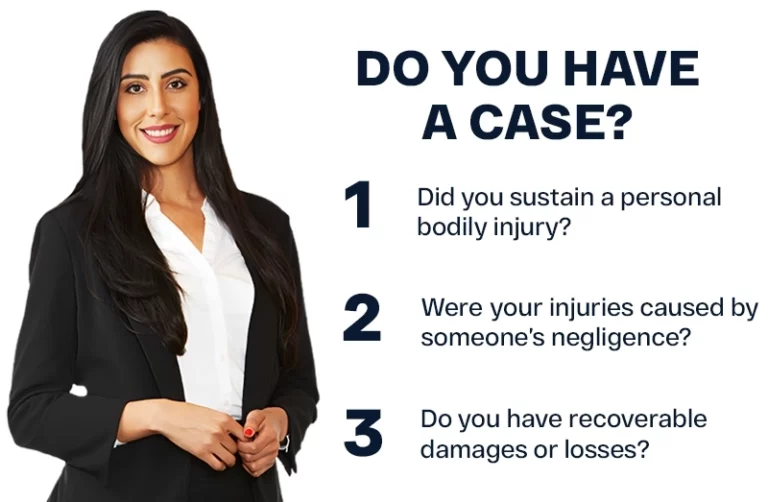
A serious construction injury can raise several legal questions at once. Should I file only a workers’ compensation claim? Is there a third-party claim? Was the project public? Is important evidence about to disappear? Did the insurer classify the case too narrowly?
Because the answers to these questions can be complicated and hard to find, you may be thinking, “I need a personal injury lawyer” to explain my exact rights and options.
Arash Law can help address these concerns. Our lawyers for construction accidents in Sacramento can evaluate site control, identify non-employer defendants, preserve records before an active site changes, and review how city-specific factors affect proof and timing.
From here, our team can determine whether you have a case, explain your next steps, and assist you throughout the claims process. Under our no-win, no-fee policy, you don’t pay our attorneys if you don’t receive compensation. Call (888) 488-1391 to schedule a free initial consultation with our Sacramento injury law firm.
We also represent construction accident clients in nearby cities and counties, particularly those with overlapping court venue and active project corridors:
- West Sacramento — Yolo County venue, but overlapping I-5 / Capital City Freeway work zones.
- Elk Grove and Rancho Cordova — shared Sacramento County Superior Court and shared major employer base.
- Roseville — Placer County venue, but heavy construction commuter overlap with Sacramento.
- Davis — Yolo County venue, with adjacent state and university construction projects.