Santa Maria Lyft Accident Lawyers

We’ll review what happened and tell you what options may be available.
Or, get LIVE help now — call our free 24-hour accident hotline at (888) 488-1391
Our Santa Maria Lyft Accident Lawyers Offer Dedicated Representation For The Injured
Requesting a ride from Lyft means entrusting your safety to another driver. Despite Lyft’s promise of prioritizing your safety before, during, and after your ride, accidents still happen under its watch. If you’re injured in a rideshare-related accident, our Santa Maria Lyft accident lawyers can help you assess whether you may file a claim. Contact Arash Law at (888) 488-1391 for a complimentary, no-obligation initial consultation.
The city of Santa Maria has three main highways, including the 101, 135, and 166, where accidents are relatively common. Commuters and travelers frequently use these routes, leading to periods of heavy congestion and an increased risk of collisions.
Rideshare services are no exception to this. In fact, there have already been numerous accidents involving Uber and Lyft in the Santa Maria area. Some of these accidents go unreported, and many injured victims may face challenges in pursuing compensation for their pain and suffering.
If you were injured in a rideshare accident, our Santa Maria personal injury attorneys can review your case, explain your legal options, and assist you in seeking compensation for your injuries and other related losses.
What Can A Santa Maria Lyft Accident Lawyer Do For Your Case
Navigating the legal process after a rideshare accident can be complex, especially while recovering from injuries. A Lyft accident lawyer can help clarify each step of the process and explain your rights so you can make informed decisions about your case. They can assist in managing the necessary legal and administrative work.
At Arash Law, our Lyft accident lawyers collect relevant evidence to help build a solid claim. We will conduct a comprehensive investigation for your case, including interviewing witnesses and preserving physical evidence.
There are common challenges when filing a claim for damages, including low settlement offers, disputes over liability, and claim denials. Our lawyer can help you navigate these obstacles and protect your rights. We can assist in compiling a well-documented claim and advocating for a settlement that reflects your losses.
If negotiations with insurance companies or opposing counsel do not lead to a resolution, taking the case to court may become necessary. Our Santa Maria Lyft accident attorneys can assist with this process, providing the resources and attention needed to manage your case thoroughly.
Furthermore, retaining legal counsel can serve as a crucial element in pursuing appropriate compensation. By working with our Lyft accident lawyers in Santa Maria, you may be able to navigate the claims process with clarity and confidence. We can also handle all legal matters on your behalf, allowing you to focus on your recovery.
(No guarantee of outcome. Results displayed were dependent on unique facts of that case, and different facts will bring different results.)
Why Consider Hiring Our Lyft Accident Attorneys For Your Claim
Our experienced attorneys provide dedicated representation for injured victims in Lyft accidents in Santa Maria, California. We work to help protect your rights and pursue compensation for the losses you may have suffered.
Here’s what our Santa Maria lawyers do for your Lyft accident claim:
- Dedicated Client Care — Arash Law aims to provide skilled legal services from your initial consultation through the resolution of your case. We also tailor our strategies to meet each client’s unique needs.
- Legal Support and Case Management — We gather and organize relevant evidence, review documentation, and communicate with insurance companies or other parties on your behalf. Our goal is to provide thorough representation so that your case is properly managed.
- Claim Advocacy — Our Santa Maria Lyft accident attorneys can assist with pursuing claims, including negotiating with insurance providers or coordinating with other parties involved in the accident. Although we strive to resolve claims as quickly as possible, we also aim to advocate for a settlement that accurately reflects the value of your claim.
- Flexible Arrangements — We will work around your schedule and meet you at a location that suits you. We accommodate your preferred mode of communication, whether it’s in-person meetings, texts, phone calls, or video calls.
Arash Law operates on a contingency fee basis, meaning you don’t pay any attorney’s fees unless compensation is obtained.
Types Of Lyft Accident Cases Our Lawyers Handle
There are several types of Lyft accident cases. While passengers are typically the plaintiffs (those filing the claim) and Lyft drivers are often the defendants (the party being sued), this isn’t always the case.
Our Santa Maria lawyers can handle Lyft accident cases involving various plaintiffs, including the following:
- A Lyft passenger, another driver, or a pedestrian filing a claim against a Lyft driver.
- A Lyft passenger or Lyft driver filing a claim against another driver.
- A rideshare passenger filing a claim against both the Lyft driver and another driver.
- A victim’s relative filing a wrongful death claim against a Lyft driver or another driver.
- Injured victims filing a claim against Lyft itself for inadequate compensation.
Regardless of the nature of your Lyft accident, our Santa Maria lawyers offer legal representation and guidance in the claims process. We strive to defend your rights and act as your advocate for a fair resolution of your case.


Common Causes Of Lyft Accidents In Santa Maria
The leading causes of Lyft crashes aren’t that different from car accidents. The common culprits remain speeding and driving while distracted, fatigued, or intoxicated. However, the specific circumstances tend to be unique when it comes to the rideshare service.
Here are the common causes of Lyft accidents in Santa Maria:
Distracted Driving
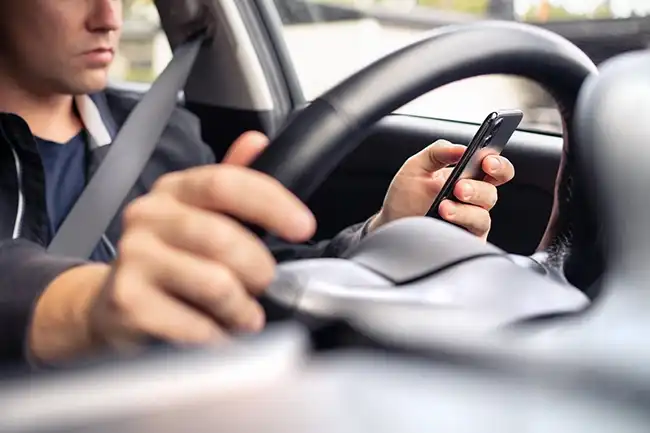
Lyft drivers must access their apps to accept ride requests and navigate to their destinations. Unfortunately, this can divert their attention from the road, increasing the risk of accidents. Even low-impact collisions can cause injuries to pedestrians.
Drivers can also get distracted while they’re looking for the passengers they need to pick up. Some engage in conversations with passengers, which can lead to lapses in attention and failure to notice road hazards.
Reckless Driving
Speeding is also a common issue with Lyft drivers. The pressure to complete trips quickly can result in reckless behavior, such as failing to yield, making improper turns, or running red lights. If you sustain injuries in a rideshare accident, these negligent behaviors can provide grounds for filing a claim.
Whether it’s the Lyft driver or another driver who caused your injuries due to their recklessness, our Santa Maria Lyft accident lawyers can help you seek compensation for your losses.
Driving Under The Influence
Anyone who drives while under the influence of alcohol or drugs poses a serious safety concern. Lyft does not require pre-employment drug tests for its drivers or conduct regular drug testing. Additionally, there seems to be no current system in place to verify if drivers are sober before starting their shifts. Lyft typically addresses impaired driving only after an accident occurs.
Poor Navigational Skills And Coordination
Lyft drivers sometimes have to navigate unfamiliar areas while en route to pick up or drop off a passenger. Even with GPS or navigation assistance, they might still miss turns or take the wrong route. This can lead to accidents as drivers attempt to correct their errors by making illegal U-turns or sudden lane changes.
If you’ve been injured in a Lyft accident caused by a driver’s navigation mistakes, our team can help you investigate and gather evidence. Our Lyft accident lawyers in Santa Maria can obtain the driver’s trip details, GPS data, and dashcam footage to establish the route and what transpired during the incident.
Driver Fatigue
Many drivers work their full-time jobs or other side hustles before driving with Lyft for the day. To earn extra income, they may prioritize accepting and driving passengers over getting enough rest. Lyft doesn’t have limits on the number of hours its drivers can work continuously.
Unfortunately, working overtime can cause drivers to fall asleep behind the wheel and be involved in accidents. Like drunk driving, drowsy driving affects a driver’s alertness and reaction time, making them more prone to crashing into another car, a stationary object, or a pedestrian.
If you were injured in an accident caused by a drowsy Lyft driver, the physical, emotional, and financial toll can be tough to deal with alone. This is when you might find yourself thinking, “I need a personal injury lawyer.” Seeking legal counsel can be beneficial. Our Santa Maria Lyft accident lawyers can guide you through the legal process and pursue the compensation available under the law.
Insufficient Vehicle Maintenance
Some Lyft accidents occur due to vehicle defects or mechanical issues, such as faulty brakes, misaligned tires, or unstable steering wheels.
Lyft does not require its drivers to undergo mandatory vehicle maintenance or inspections; instead, it relies on the drivers themselves to handle this responsibility. Unfortunately, not all drivers prioritize vehicle safety. As such, many issues go undetected or unaddressed until it’s too late.
If you get injured in a Lyft accident in Santa Maria for this reason, our personal injury lawyers can help you file a claim against whichever party may be responsible.

Common Injuries In Lyft Accidents
Among the common injuries that victims suffer in Lyft accidents are cuts, bruises, whiplash, fractures, and concussions. Some injuries, however, can be more severe, complicated to treat, and have long-term effects on the victim’s life.
Our Santa Maria Lyft accident lawyers can provide legal support to victims who have been injured. Here are a few of the common injuries these victims sustain in these incidents:
Facial Injuries
Broken glass and other debris that come flying inside the Lyft vehicle during an accident can cause cuts or lacerations on your face. Most facial cuts can be treated with a visit to the emergency room. However, some sensitive cases require reconstructive surgery to close lacerations or remove scars. Besides taking a longer time to recover from, these medical procedures can increase your expenses.
Traumatic Brain Injuries (TBIs)
Blunt force trauma to the head due to the impact of the crash may lead to brain injuries. The brain is a vital organ, and even a mild concussion can significantly affect your balance, concentration, memory, and, consequently, your quality of life. If left untreated, concussions may develop into more serious traumatic brain injuries that could lead to a coma or even death.
Our Santa Maria lawyers handle Lyft accident cases involving TBIs. We can diligently pursue compensation for catastrophic injuries that affect your life after the accident.
Whiplash Injuries
Whiplash can cause pain and discomfort that extends beyond the neck, affecting your head, shoulders, and back. It could also result in muscle weakness or numbness, dizziness, vision problems, and nerve damage. The symptoms of neck injuries don’t always appear right away, so it may be advisable to seek medical attention after an accident to prevent further complications.
Broken Bones
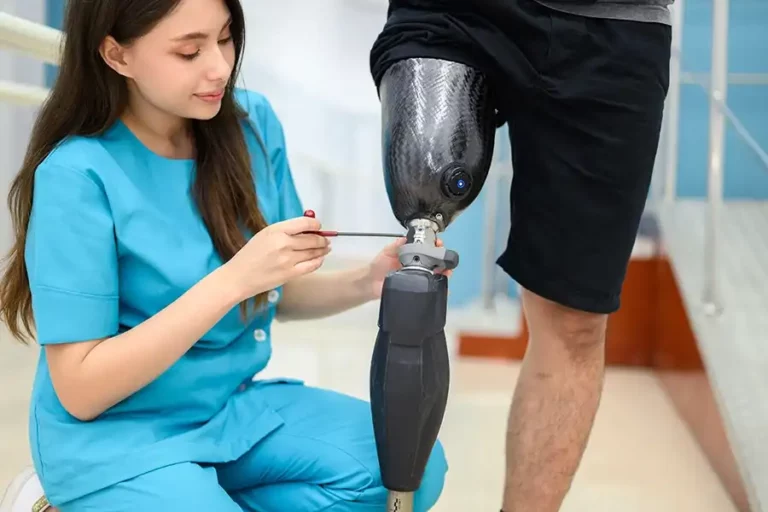
The impact of a Lyft accident can also result in fractures in your skull, face, collarbone, shoulders, arms, ribs, spine, hips, and legs. Aside from the swelling or bruising, victims may also suffer intense pain and limited mobility. Our Santa Maria Lyft accident lawyers have handled rideshare cases involving amputations resulting from crushed bones.
Spinal Cord Injuries
The spinal cord is a bundle of nerves that connects to the brain. An injury to this part of the body can cause the brain to swell and affect its functions. A spinal cord injury may also lead to paralysis in the lower part of your body (paraplegia) or from the neck down (quadriplegia). Paralyzed victims often need their homes modified to accommodate home care and may become dependent on a caregiver for the rest of their lives.
Internal Injuries And Organ Damage
A Lyft accident may also cause damage to internal organs. Many victims suffer abdominal pain due to the bleeding of their liver or spleen. One thing to note about internal injuries and organ damage is that they cannot be thoroughly assessed at the scene right after the accident. You would need further tests to determine the severity of these injuries and how to treat them.
In high-impact Lyft crashes, some victims are instantly killed, while others suffer complications from their injuries within days or weeks. If you’ve lost a loved one in a Lyft accident in Santa Maria, our lawyers can help you file a wrongful death claim to seek compensation for your losses.
California Laws That May Apply To Lyft Accidents
California laws aim to regulate Transportation Network Companies (TNCs) and make the rideshare experience safer for drivers, passengers, and other road users.
Assembly Bill 1289, for example, aims to promote rider safety by regulating the drivers that rideshare companies hire. This law prohibits Uber and Lyft from hiring or retaining drivers who:
- Are currently registered on the U.S. Department of Justice National Sex Offender Public Website.
- Have been convicted of any terrorism-related or violent felony at any point in their lives.
- Have been convicted of misdemeanor assault or battery, a domestic violence offense, driving under the influence, or other felonies within the last seven years.
This law is designed to disqualify rideshare applicants with poor driving records or a history that suggests they may pose a risk to public safety.
Another example is Vehicle Code § 23152(e) VC, which aims to reduce accidents that occur due to drunk or drugged driving. This law states that the maximum allowable blood alcohol level for rideshare drivers is 0.04%. Prior to this, rideshare drivers were permitted to drive with a maximum blood alcohol level of 0.08%, the same standard as for drivers 21 years of age or older.
Our Santa Maria Lyft accident attorneys apply relevant rideshare laws to your case. We identify any legal violations and use that information to help develop a comprehensive strategy to pursue a claim against the responsible party.
Factors That Can Make Lyft Accident Cases More Complex
Rideshare drivers are independent contractors, meaning they’re neither employees nor regular drivers. This makes rideshare accident cases more complex to process since a different set of rules and policies may apply.
Here are common factors involved in handling Lyft accident cases:
- Involvement of Multiple Parties — Several parties can be involved in a Lyft accident, making it more challenging to determine liability.
- Insurance Coverage — Lyft offers insurance coverage for drivers, passengers, and third parties injured in an accident. However, the amount of coverage differs depending on the time of the accident.
- Driver Status — Whether the driver was offline, waiting for a ride request, en route to pick up a passenger, or driving to the destination affects liability and insurance coverage in Lyft accident cases.
- Trip Information — Lyft records data for each trip, including the date, time, pickup point, route, drop-off point, and ride duration. Having access to this official information will be valuable in reconstructing the accident and building evidence against the at-fault parties.
- Official Lyft Accident Report — It’s important to notify Lyft of the accident as soon as possible. Without an official report from the company, filing a claim and pursuing compensation may become more difficult.
If you’re looking to file a claim after a Lyft accident in Santa Maria, our lawyers can guide you through the process and evaluate the potential strength of your case. We will handle complex legal matters, such as determining liability and collecting evidence, so that you can focus on healing from your injuries.
Lyft’s Insurance Policy
There are three distinct periods during which Lyft’s insurance policy applies, and the coverage varies depending on which period an accident happens. Here’s a closer look at these insurance coverage periods:
Period 0: When The Driver Is Offline
A driver’s personal auto insurance policy applies when they get into an accident while their Lyft app is closed or when they’re not logged into the app. California law mandates all drivers, including rideshare drivers, to carry the minimum amount of insurance coverage, specifically:
- $30,000 for bodily injury per person.
- $60,000 for bodily injury per accident.
- $15,000 for property damage.
Period 1: When The Driver Is Online And Waiting For A Request
Lyft provides insurance coverage as soon as the driver goes online or logs into the app. If the driver gets into an accident while actively waiting for a ride request, Lyft’s third-party liability insurance coverage is as follows:
- $50,000 for bodily injury per person.
- $100,000 for bodily injury per accident.
- $25,000 for property damage.
Period 2: When The Driver Is On The Way To Pick Up A Passenger
When a Lyft driver gets into an accident while on the way to pick up a passenger, Lyft’s $1 million insurance policy applies, which is as follows:
- $1,000,000 for bodily injuries and property damage.
- $1,000,000 for accidents caused by uninsured/underinsured motorists (also applies to hit-and-run accidents).
- Vehicle repair costs or actual cash value, with a $2,500 deductible (also referred to as comprehensive and collision coverage).
Both the UM/UIM coverage and the comprehensive and collision coverage are contingent. This means the coverage will only apply if the Lyft driver already had it in their personal car insurance policy prior to the accident.
Period 3: When The Driver And Passenger Are En Route To The Destination
As with Period 2, the same coverage applies from the moment the passenger steps into the vehicle until they exit. Only this time, the coverage also extends to the passenger.
If you have any questions regarding Lyft’s insurance coverage, our Santa Maria Lyft accident lawyers can provide answers and further explain the policy.
Who Can Be Held Liable In A Lyft Accident?
Depending on the circumstances, the parties that could be liable in a Lyft accident are the Lyft driver, another driver, Lyft itself, the vehicle manufacturer or mechanic, and the government. Here are some instances where these parties are responsible:
- Lyft Driver — When a Lyft driver violates traffic rules and crashes into another vehicle or hits a pedestrian, they can be held liable.
- Another Driver — If you get injured as a passenger because another vehicle crashes into your Lyft, you may be able to file a claim against the driver of the other vehicle.
- Lyft — If you can prove that Lyft hired a driver with a questionable background or retained them despite, for example, knowing they use illegal drugs, you may have grounds to go after the ridesharing company itself.
- Car Manufacturer — Lyft accidents that occur due to vehicle defects may be attributed to the car’s manufacturer, but only if you can establish that the issue was present from the start.
- Mechanic — A car mechanic may be liable if the vehicular or mechanical issue that led to the accident arose after a routine maintenance check or recent car repair.
- Local Government — The government can be liable for accidents caused by damaged roads, malfunctioning traffic lights, missing warning signs, and similar issues. However, you’d need to prove they had sufficient time and resources to address the problem but neglected to do so.
Since California is a comparative fault state, multiple parties may be liable for a Lyft accident. Our Santa Maria attorneys can review the details of your case, analyze the evidence, and identify which parties may be legally liable. We help clarify the roles of each party and guide you in pursuing a claim against those responsible for your injuries and losses.
Damages You Can Pursue In A Lyft Accident Claim
There are two main types of damages you can pursue after a Lyft accident: compensatory and punitive damages. Injured victims can seek compensatory damages, but only a few are also awarded punitive damages.
Compensatory damages are meant to compensate victims for the actual losses they’ve experienced. These could be either economic or non-economic:
- Economic Damages — Also known as special damages, these are often tangible losses that are easily calculable. Examples include:
- Past and ongoing medical expenses (ambulance fees, hospital bills, prescription medications, surgery costs, diagnostic tests, etc.).
- Future medical costs (physical therapy or rehabilitation, assistive devices, home care, doctor visits, etc.).
- Property damage (vehicle repair or replacement costs).
- Lost wages.
- Non-Economic Damages — Also called general damages, these losses are harder to quantify because they’re subjective. Examples include:
- Pain and suffering.
- Emotional and psychological distress.
- Loss of earning capacity due to severe injuries.
- Loss of consortium and companionship.
- Reduced quality of life.
Punitive damages are rare because they are reserved for extreme cases of grossly negligent, harmful, and malicious behavior. Their purpose is to punish the responsible party and discourage similar conduct in the future. The amounts awarded can be higher than compensatory damages, depending on the specifics of the case and applicable legal limits.
Our Santa Maria Lyft accident attorneys help identify the types of damages available for your case, gather evidence to document your losses, and estimate the potential value of your claim.
(No guarantee of outcome. Results displayed were dependent on unique facts of that case, and different facts will bring different results.)
Establishing Negligence In A Lyft Accident Case
To better understand how negligence is established in Lyft accidents, let’s look at a specific example:
A Lyft driver had picked up a passenger and was en route to their destination. The light had just turned red as they approached the intersection, so naturally, they had to stop. However, the vehicle behind them failed to brake because the driver was texting while driving. This resulted in a rear-end collision, causing minor injuries to the Lyft driver and passenger.
If the passenger files a personal injury claim against the driver of the other vehicle, there are four things they need to establish:
- Duty of Care — The other driver had a duty of care to keep other road users safe by obeying traffic laws and practicing defensive driving.
- Breach of Duty — The driver of the other vehicle committed a violation of this duty by driving while distracted.
- Direct Causation — This breach directly caused the accident. More specifically, the accident happened because the other driver had their eyes on their phone instead of on the road.
- Damages — The accident caused injuries and losses. The victims’ medical records and other relevant documents can support this.
Demonstrating these elements may help establish that the other driver acted negligently and could be held responsible for resulting damages. Our Santa Maria Lyft accident lawyers can assist in preparing your claim, reviewing the facts and evidence thoroughly to present your case effectively.
What To Do After A Lyft Accident
There are some things to keep in mind so that you may avoid making mistakes in the immediate aftermath of an accident, especially from a legal viewpoint. Here are some recommendations on what might help after a Lyft accident in Santa Maria. Please note that the following do not constitute legal advice:
- Call 911 — The first thing you should do after an accident is to check yourself for injuries. Get to a safe spot on the side of the road. From there, call 911. If you can’t do it yourself, ask someone else to call emergency services on your behalf.
- Seek Medical Attention — As soon as the medics arrive, get yourself checked and given first aid. Prioritize your health and safety after an accident.
- Report the Accident — After calling 911, police officers will be dispatched to your location. Once the police arrive at the scene, they will ask questions about the accident. Stick to the facts and avoid speculation or guesses about the cause of the accident.
- Document the Scene — Take pictures of your injuries, the accident scene, the plate numbers of the vehicles involved, any vehicle damage, and other things that detail the accident. This can be helpful in building your claim later on.
- Collect Driver and Witness Information — Ask for the contact information and insurance policies of the drivers involved in the accident. Request for the contact details of any possible witnesses.
- Consult a Lyft Accident Lawyer in Santa Maria — It’s advisable to seek legal guidance promptly after a Lyft accident. A skilled attorney can help you understand your rights, navigate the claims process, and advocate on your behalf when dealing with insurance companies.
Following these steps can help you handle the aftermath of a crash carefully and reduce the risk of mistakes that might complicate your claim.
Lyft Accident Statistics
Lyft’s Community Safety Report indicates that over 99% of their trips concluded without any safety incidents reported. For the 0.0002% of their rides that came with a safety report, the most common issues were traffic accidents, physical assault, and sexual assault.
In 2019, there were 49 Lyft reports involving motor vehicle fatalities. This showed an increase in fatal Lyft accidents from 34 reports in 2018, which could be attributed to the increasing number of Lyft users. The figures also suggest that the higher the number of Lyft users, the greater the risk of accidents.
One factor that may contribute to Lyft accidents is the company’s approach to driver onboarding and safety policies. Lyft conducts background checks and monitoring, but does not require in-person interviews or pre-employment drug tests. Instead, it relies primarily on post-accident testing when there is suspicion of impairment. Additionally, Lyft does not mandate formal driver training, which could otherwise help reduce the risk of accidents.
Lyft does conduct annual background checks and continuously monitors drivers’ criminal and driving records. However, there may be opportunities to take a more proactive approach to improving overall safety. While Lyft has implemented measures aimed at promoting safety and security, ongoing enhancements remain important for all rideshare service providers.
If you’ve been injured in an accident due to Lyft’s negligence in screening, hiring, and monitoring their drivers, you may have grounds to file a case. Our Santa Maria lawyers will examine your case and assist in establishing a potential connection between Lyft’s policies and the accident.
Frequently Asked Questions
What If Both The Lyft Driver And Another Driver Are At Fault For An Accident?
You may have the option to seek compensation from both parties, though each would typically be responsible only for the portion of liability assigned to them. Handling claims involving multiple parties can be more complex. Our Santa Maria Lyft accident lawyers can help you navigate this process and evaluate potential recovery options.
Does My Personal Car Insurance Policy Cover Rideshare Accidents?
In most cases, personal auto insurance policies do not cover accidents that occur while driving for a rideshare service. Standard policies are generally priced and structured for personal vehicle use. Additional coverage or a rideshare endorsement is typically required to provide protection during rideshare activities.
If you are unsure about how to address medical expenses, property damage, or other losses resulting from a Lyft accident, our Santa Maria Lyft accident lawyers can provide guidance on your options for seeking compensation under the law.
Can I Sue Lyft For An Accident?
It may be possible to pursue a claim against Lyft, depending on the circumstances. Because Lyft drivers are independent contractors, the company is generally not automatically liable for accidents caused by their drivers. Lyft does provide insurance coverage for certain incidents, but holding the company directly responsible typically requires evidence that Lyft hired or retained a driver with a problematic background or failed to follow its own safety policies.
If you are considering a claim involving Lyft, consulting with experienced Santa Maria Lyft accident attorneys can help you understand the applicable laws, evaluate the available evidence, and determine the appropriate steps to take.
How Much Time Do I Have After An Accident To File A Claim Against Lyft?
The statute of limitations for filing a Lyft accident claim is generally two years from the date of the accident. However, there are some exceptions to this. Our Santa Maria Lyft accident lawyers can help you understand the applicable deadline or exemption to your case and gather evidence promptly. They assist in submitting all necessary paperwork while managing the applicable timeframe for your case.
Get Legal Help From Our Santa Maria Lyft Accident Lawyers
Arash Law helps injured victims pursue compensation for losses after a Lyft accident. Whether it’s an insurance claim or a personal injury lawsuit, we provide legal assistance and support throughout the process.
Call our Santa Maria Lyft accident lawyers at (888) 488-1391 for a free case review. During your consultation, our legal team will go over the details of your case and outline potential next steps. We offer tailored guidance throughout the claims process, from the initial consultation to managing the legal aspects of your claim on your behalf.
Arash Law provides legal services throughout California, including Santa Barbara, San Luis Obispo, Kern, and Ventura. We also cater to clients in the following cities and towns: Bakersfield, Los Alamos, Thousand Oaks, and Santa Clarita.