TL;DR: The most common sports injuries are sprains, strains, fractures, dislocations, and concussions that often affect the ankle, knee, shoulder, or head. While athletes assume normal risks, liability can arise from reckless conduct or unsafe facilities, and California claims usually face a 2-year deadline.
Highlights:
- Understand the risks of overtraining, accidents, and faulty safety gear.
- Sprains and strains are common in contact sports like basketball and football.
- Seek medical attention and gather evidence after an injury to support your case.
- California residents must file sports injury claims within 2 years, with exceptions.
- Document all communications, injuries, and reports after a sports injury.
- Coaches, property owners, and manufacturers can be held liable for unsafe conditions.
Tip: Always seek legal guidance if unsure about liability or pursuing a claim.
Table of Contents
The most common sports injuries include sprains, strains, fractures, dislocations, and concussions, with many of them affecting the lower extremities. These injuries often occur due to:
- Overtraining
- Accidents
- Contact with other players or objects
- Defective safety gear
In some cases, athletes may sustain brain injuries, bone fractures, spinal cord damage, and other more severe injuries. Rather than being short-term issues you can recover from, these can be long-term or even lifelong forms of harm that significantly disrupt your health, well-being, and even your ability to live independently.
While getting hurt is often part of playing sports, there may be instances in which someone else is liable for the resulting damages. Under California law, they may have to compensate you for your losses, including the pain and suffering these sports injuries caused.
Understanding Sports Injuries
Sports injuries occur during sports or physical activities. You can sustain them due to accidents, excessive training, or contact with other players.
Here’s a brief rundown of the two main types of sports injuries:
- Acute Injuries: These happen unexpectedly. For example, a person might fall, get hit, or twist a joint. Sprains and dislocations are common acute injuries.
- Chronic Injuries: These injuries develop slowly over time. They are usually caused by overusing the same part of the body. Examples include tennis elbow and stress fractures.
The term “sports injury” refers to the kinds of injuries that most commonly occur during sports or exercise, but they are not limited to athletes. Even children, spectators, and individuals who play sports recreationally can be affected.
Common Types Of Sports Injuries
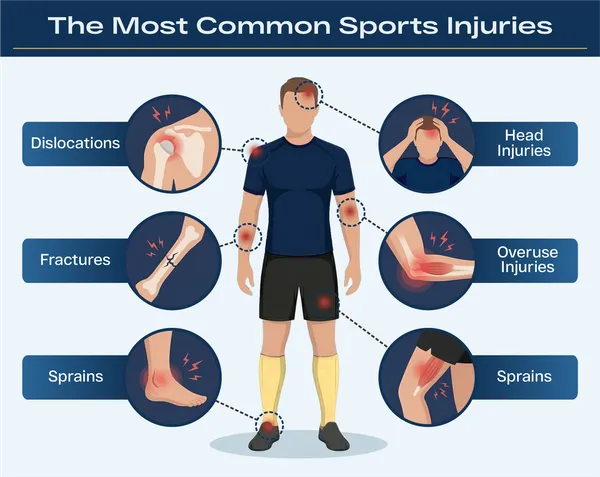
The most common sports injuries are broken bones, dislocated joints, sprains, strains, and sore or swollen joints. Most often, injuries depend on the sport the individual plays.
Some common sports injuries include:
- Sprains: Happen when someone falls or lands the wrong way and an ankle, knee, or wrist joint twists too far.
- Strains: Occur when muscles are pulled or torn, especially in the legs and arms. Pulled muscles in the back of the thigh (hamstring injuries) are common in sports that involve running and jumping.
- Broken Bones: Can happen when someone falls hard or gets hit during a game. Sometimes the bone only cracks, and other times it breaks completely.
- Dislocations: Occur when a shoulder, finger, or knee bone moves out of its normal place in a joint, particularly in contact sports like football or basketball.
- Head Injuries: Caused by hard impacts to the head. The most common forms of head trauma in sports include:
- Contusions: Bruises caused by blunt force trauma. Though some can be minor, more serious ones may be a sign of internal bleeding.
- Lacerations: Cuts to the scalp, which can occur after an athlete hits a sharp surface or sports equipment. These injuries may require stitches.
- Traumatic Brain Injuries (TBIs): Young athletes, as well as athletes in close-contact sports, frequently sustain blows to the head that are strong enough to impact the brain. Traumatic brain injuries include “mild” concussions that cause the brain to “shake” inside the skull, fractures that expose the brain to injury, and severe TBIs that could put an athlete in a coma.
- Overuse Injuries: Develop in athletes who repeatedly perform the same movements, such as throwing, swinging, or pedaling. These actions put stress on certain joints and muscles over time, which may lead to conditions like:
- Tendinitis: Inflammation of the tendons.
- Bursitis: Inflammation of the fluid-filled sacs that cushion joints.
Which Body Parts Get Injured The Most In Sports?
According to a National Center for Health Statistics report, sports injuries most frequently occur in the lower extremities. Injuries to the upper extremities, head, and neck follow these. Joints and their surrounding tissues are often vulnerable during physical activity.
These body parts are particularly at risk:
- Ankle: Can easily get injured when the foot twists or rolls the wrong way, often after landing from a jump or stepping on someone’s foot. Sports like basketball and volleyball often result in ankle injuries.
- Shoulder: Common in sports that involve frequent arm lifting or throwing, such as swimming, tennis, and baseball. Athletes may experience pain when raising their arms. The shoulder can also become unstable or dislocate after a hard fall or impact.
- Elbow: Often seen in sports that involve throwing or racket use. Tennis players and baseball pitchers often experience pain on the inside or outside of the elbow from repetitive motion.
- Knee: Can sustain injuries from twisting, quick turns, awkward landings, or direct impact. Problems may include swelling, pain, misalignment of the kneecap, or ligament damage. Anterior cruciate ligament (ACL) injuries are particularly common.
- Head: Can be injured during falls, collisions, or stunts and athletic moves that involve head-first landings. Concussions and other TBIs are especially common in contact sports such as boxing, football, rugby, and ice hockey, where head impacts are more likely. Though they’re among the less common sports injuries, they carry a higher risk of serious outcomes such as cognitive impairment and paralysis.
The Severity Of Head Injuries In Sports
Head trauma is among the most serious injuries an athlete can sustain. In particular, TBIs give rise to injury claims because of how common they are and how severe their outcomes can be. Concussions account for roughly half of all ER visits for children aged 5 to 18 annually, as well as 29% of those in football.
Despite being considered “mild,” concussions can lead to long-term issues. Roughly 15-20% of patients with concussions may experience memory loss and behavioral changes. Recovery can last up to several years. Meanwhile, severe TBIs can result in more serious complications such as nerve damage, blood clots, and strokes.
These outcomes can lead to high medical bills and lost wages, especially for professional athletes. More importantly, they can cause significant pain and suffering for the victim. If these injuries are caused by factors such as defective helmets rather than the inherent risks of playing a sport, California law allows athletes to pursue compensation for the resulting losses.
However, victims may have a harder time proving the extent of these head injuries to insurers because they often require longer recovery periods and can result in permanent visibility. That said, though they may be eligible to seek higher settlement amounts, the claims process can become infinitely more complicated for them. Legal representation may be necessary to resolve disputes and advocate for fair compensation.
Liability In A Sports Injury Accident
Though sports come with risks, individuals in California may have a case if their injuries were preventable. Intentional harm, unsafe courts or fields, and faulty safety gear can cause such incidents. Sports injury lawyers often consider the circumstances of the incident to determine if someone can be liable for the resulting injuries.
Here are some legal aspects they keep in mind:
Assumption Of Risk In Sports
Injuries are a normal part of playing sports. As such, California’s “assumption of risk” doctrine typically applies to sports injury cases. This rule means that when someone chooses to play a sport, they understand and accept the normal risks that come with it. However, that does not always protect at-fault parties from liability.
In some situations, the injured victim can still file an insurance claim or lawsuit. Assumption of risk may not apply if:
- Someone acted recklessly or intentionally tried to hurt another person.
- There was extreme negligence, meaning someone showed a serious lack of concern for others’ safety.
- Players or visitors were not adequately warned about known hazards at a sports facility.
As such, you may be wondering, “Are waivers and releases effective in California?” Many teams and sports organizations ask players to sign waivers. By signing this form, they acknowledge that they understand the risks involved with a certain activity.
These agreements offer some legal protection. However, they don’t fully excuse sports organizations from legal responsibility. For example, a waiver will not apply to injury cases involving gross negligence or intentional misconduct.
Product Liability In Sports Injuries
Sometimes, injuries happen because sports equipment is defective. If a helmet, bat, or other equipment hurts someone because it was poorly made or unsafe to use, the manufacturer may be responsible.
Under California’s product liability law, manufacturers, distributors, and sellers can be at fault if they produce or sell merchandise that:
- Has a manufacturing defect.
- Has a dangerous design.
- Does not include proper instructions or warnings.
If a defective product causes a sports injury, the injured person may file a product liability claim.
Premises Liability In Sports Accidents
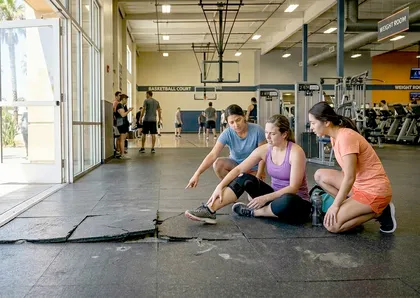
Sports injuries can occur when property owners or operators fail to post clear warnings about hazards or maintain a safe environment for visitors. In these cases, they may face liability under California’s premises liability law. This legal concept also applies in sports facilities such as gyms, fields, or stadiums.
Victims may be able to file a premises liability claim if:
- The at-fault party had control of the property where the sports injury occurred.
- The property owner had:
- Actual notice, or direct knowledge, of a hazard.
- Constructive notice of a dangerous condition, which means they should have discovered it during routine property inspections or maintenance.
- They failed to address that hazard promptly or warn visitors of unsafe conditions they couldn’t fix right away.
- That failure resulted in a sports injury.
Shared Liability
California’s pure comparative negligence rule allows multiple parties to share fault in an accident. If a victim is partially responsible, they can still seek damages for their injuries. For example, suppose they’re 30% liable for their TBI because they weren’t wearing a helmet. If so, they can only pursue the remaining 70% of their total losses.
Comparative negligence can complicate liability and make it more challenging for victims to pursue claims. For instance, the at-fault party may use it to argue that you contributed to the accident, potentially reducing your payout. It’s reasonable to think, “I need a personal injury lawyer” in this scenario, especially if you need assistance advocating for a fair assessment of fault.
Who Can Be Held Liable For Sports Injuries?
Anyone whose careless actions result in a sports injury can face legal responsibility for the victim’s losses. California law states that everyone has a duty of care to avoid causing harm to others. People or organizations who fail to do so are considered negligent.
Injuries sustained due to faulty football helmets or slick stadium floors, such as concussions and broken wrists, may not always have a liable party. Nevertheless, the following parties may be responsible for an otherwise preventable injury:
- Coaches or Trainers: They may fail to properly train athletes or neglect to provide appropriate safety instructions and precautions, especially for individuals who are just beginning to participate in a particular sport.
- Property Owners or Managers: They can be liable if a sports complex, gym, or arena has unsafe conditions that contribute to an accident. For example, they may have ignored complaints about slippery floors, poor lighting, damaged equipment, or other hazards.
- Manufacturers: These businesses may be liable for injuries resulting from defective or poorly designed sports equipment or safety gear, such as helmets, knee pads, or arm protectors.
- Other Players: Other athletes or individuals may be held liable if they intentionally cause harm to another player. These can include deliberate actions meant to injure during the game.
Depending on the circumstances, there can be other liable parties. If there is evidence that someone else is at fault for the sports accident, victims may be able to seek compensation.
Steps Victims Can Take After A Sports Injury
After a sports injury, reporting it, seeking medical attention, and gathering evidence of the incident can be crucial. That way, you can support your well-being and create an official record of your injury. If you have reason to believe another’s actions injured you, these steps can also help a lawyer assess whether you can pursue damages.
- Gather Evidence: Take photos, write down what happened, and talk to anyone who saw the incident.
- Report the Injury: Inform your coach, supervisor, or the facility staff about the accident as soon as possible.
- Get Medical Care: Visit a doctor right away and keep records of all appointments and evaluations.
- Keep Important Items: Save any equipment, clothing, or other items that may help explain what happened.
- Document Everything: Collect detailed notes about conversations, reports, and medical treatments.
Frequently Asked Questions About Sports Injuries
Whether they occur while someone is training, playing, or simply watching a game, sports injuries can result in significant injuries and losses. If these outcomes were avoidable, many victims wonder if someone was responsible for their injuries. In this scenario, they often have a few legal questions. Below are answers to some of the most common ones.
How Can I Pursue Liability And Compensation Claims For Sports Injuries?
After a sports injury, you’ll typically pursue compensation from the at-fault party’s insurance company. You might have to take further legal action depending on the outcome of the claims process.
Here’s a quick summary:
- Filing an Insurance Claim: This process involves sending a demand letter to the at-fault party’s insurer, which contains evidence of the injury, your documented losses, and the amount of compensation you’re seeking. If the company accepts your claim, they may offer a settlement. Negotiations occur if the offer doesn’t reflect your losses or if either party disputes certain facts of the case. The claim settles once you accept a payout.
- Filing Legal Action: Many sports injury claims don’t have to go to court. Settlement negotiations or mediation can help both parties reach an agreement more quickly and avoid the time, cost, and stress of a trial. However, if the insurance company refuses to offer a fair settlement or there are disputes on liability, filing a lawsuit may be necessary to continue pursuing compensation.
What Is The Statute Of Limitations On Injury Lawsuits In California?
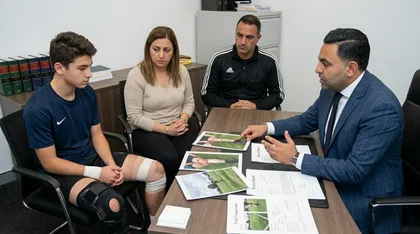
In California, the statute of limitations for filing a personal injury lawsuit is typically two years from the date of the accident. Missing this deadline could invalidate a case. However, certain exceptions may apply:
- Delayed Discovery: If the injury does not manifest right away, the statute of limitations may only begin when it was discovered or reasonably should have been discovered.
- Victims Who Are Minors: If the victim is a minor, the two-year time limit will start only when they turn 18. Until then, their parents or legal guardians can file the case on their behalf.
- Government Claims: If the victim was injured at a government-operated sports facility and a preventable or negligent condition caused the injury, the injured party must generally file a government claim within six months of the date of the accident. They can file a lawsuit only if the government entity denies the claim or fails to respond within 45 days.
What Compensation Can You Pursue From A Sports Injury?
You can pursue different kinds of compensation, but it depends on how the sports injury impacted your life. Generally, claims consider economic and non-economic losses. Sports injury attorneys often consider the extent of losses when assessing the potential value of a claim.
Below is a brief description of each:
- Economic Damages: These cover financial losses you can back with receipts, such as:
- Medical Expenses: Costs of urgent care, hospital stays, and necessary medical procedures. It may also cover ongoing treatment such as physical therapy and chiropractic care.
- Lost Income: Compensates for time away from work due to the injury. When permanent disability is involved, victims may also pursue a claim for loss of earning capacity.
- Non-Economic Damages: Some sports injuries can lead to intangible losses. These can include:
- Pain and suffering
- Emotional distress
- Loss of quality of life
Can Professional Athletes Get Workers’ Compensation?
Professional sports teams and leagues usually have workers’ compensation insurance. It can help with medical bills, rehabilitation, and lost income if an athlete suffers injuries during play, practice, or exercise. However, coverage can also include other sports-related activities.
Workers’ compensation may also cover coaches, trainers, and staff, who can similarly sustain sports injuries. Still, coverage depends on the league and the athletes’ and staff’s contracts.
Consider Legal Support After A Sports Injury
Sports come with inherent risks. Despite that, unsafe environments, faulty equipment, or another person’s carelessness can result in otherwise preventable injuries to athletes, children, and recreational players. If you’re wondering what your rights and options are in this situation, you may be seeking free advice from a sports injury lawyer.
Arash Law can provide legal support. During a free initial consultation, we can review how your sports injury occurred and help you understand your legal options. If you have a case, we can help you seek fair compensation for your losses under California law.
If your concern is “Do lawyers only get paid if they win?” know that our team at AK Law works on a contingency fee basis. Under this fee structure, we only receive payment if we recover compensation on your behalf. To learn more about how we can assist you further, call us at (888) 488-1391.