TL;DR: At a car accident scene, you should collect personal and insurance information plus photos, videos, and witness statements. Drivers and passengers who suffer injuries face a higher risk without this evidence, as negligence and coverage decisions depend on early records.
Highlights:
- Get the other driver’s name, address, and phone number.
- Record license number, issuing state, and vehicle VIN.
- Photograph vehicles, damage, road conditions, and injuries.
- Collect witness names, contacts, and brief statements.
- Write down the police report number and agency.
- File a DMV SR-1 within 10 days if required.
- Keep medical bills, repair receipts, and pay records.
Tip: Stick to facts when speaking with others and avoid guessing about what happened.
Table of Contents
If you’re injured in a car accident, California law requires you to get the following information from the other driver:
- Their full name, current address, and phone number.
- Their driver’s license number and issuing state.
- The Vehicle Identification Number (VIN) of the car they were driving.
- Insurance details, such as their policy number and the name of their insurer.
- The name and address of the car’s owner (if different from the driver).
You can also collect additional evidence of the crash, such as:
- Photos and videos of the scene and your injuries.
- The number of the accident report created by responding officers.
- The contact details of any witnesses.
It is common to feel unsure what to do after a car crash. However, the facts you gather at the scene can help you decide on your next steps.
What Information Are You Legally Required To Get After A Car Accident?
Under California Vehicle Code §16025, all drivers involved in a car crash must exchange specific details. Failing to do so is considered an infraction and may result in fines.
That said, here are a few pieces of information you should get from the other driver at a car accident:
- Full legal name.
- Current residence address.
- Driver’s license number.
- Vehicle Identification Number (VIN).
- Name and address of the registered vehicle owner (if different from the driver).
- Evidence of financial responsibility (insurance card or policy details).
What Other Information Can You Get After A Collision?
Why stop at what the law requires you to collect? In many cases, gathering more evidence of a car accident can be beneficial. For example, suppose you were injured in a hit-and-run. If you’re able to remember and note down the following details, you could help the authorities locate and identify the driver who fled the scene:
- License plate number.
- Vehicle make, model, color, and year.
That said, while not mandated by statute, collecting the following information can significantly strengthen insurance claims and legal cases:
Photos And Videos Of The Accident Scene
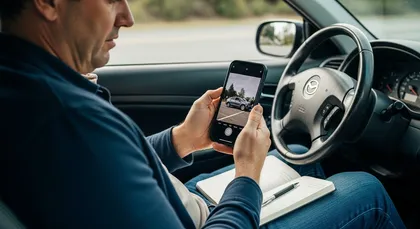
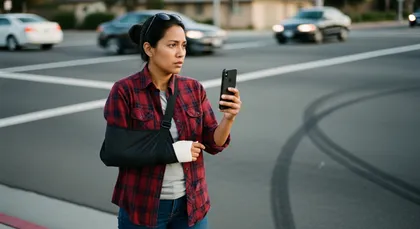
Visual evidence is one of the best ways to preserve specific details about a car crash. Photos and videos can clearly illustrate:
- Road and weather conditions at the time of the accident.
- Neighboring traffic signs.
- Damage to your car.
- Your visible injuries.
- Other indicators that a crash occurred, such as skid marks.
All this information can help show the hazards that contributed to a car accident, how the collision occurred, and the damage it caused. That can be crucial for assisting attorneys, insurers, and courts in reviewing your case. In many cases, photos and videos of the accident can also support an insurance claim and help you pursue compensation for your losses.
Witness Contact Information
If anyone witnesses the accident, their testimonies can be beneficial to your case. They can provide fresh facts and an unbiased outside perspective that may help establish that the other driver was at fault.
Potential witnesses can include:
- Passengers — They can report whether you turned when you had the right of way, stopped at red lights, or exceeded the speed limit. It’s possible that the other motorist’s passengers witnessed them texting while driving or personally witnessed the driver under the influence of drugs or alcohol.
- Bystanders — Passersby may have stayed on the scene to help or provide a statement to the responding police officer.
- Local Businesses — It’s possible that employees and business owners were outdoors at the time of the accident. Look for businesses in the area and ask them if they witnessed the crash on that day.
Consider obtaining their contact information at the scene of a car accident. That way, you or your attorney can collect their statements if you need to prepare an insurance claim or legal case:
- Complete name.
- Contact details, such as an email address and phone number.
- An explanation of what they saw and heard.
- If they have taken photos or videos of the accident.
What To Gather After Leaving The Accident Scene
If you sustained serious injuries or losses after a car accident, you may be able to pursue compensation from the driver who caused your accident. In California, negligent parties, like motorists who speed or run a red light, could be legally responsible for a victim’s damages if they caused a crash.
To support your case, you can continue getting information after the accident, even after leaving the scene. Some important documents you can collect include:
Accident Report
Depending on where the crash occurred, responding officers may come from the local police department or the California Highway Patrol (CHP). These agencies typically prepare accident reports with initial conclusions about who and what caused your car accident. Though you’re not legally required to have a copy to file an insurance claim or personal injury lawsuit, an accident report can still help support your case.
Police departments and the CHP usually have different requirements for requesting traffic collision reports. Generally, you can request a copy online, by mail, or in person. You can visit the official website of the agency that responded to your crash to learn the steps you need to take. If you hire a lawyer, they can also obtain one for you.
Car Repair Receipts
Your vehicle is likely damaged from the car accident. To pursue compensation for the costs of towing, replacements, and repairs, preserve receipts for all the auto-related expenses you incur after the crash.
Medical Documentation
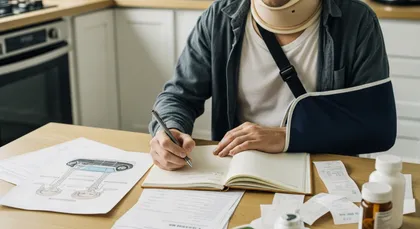
Car accidents frequently result in both physical and psychological harm. You must track all the expenses so you can seek reimbursement later. You should gather and keep the following examples of documents:
- Any bills for medical care, chiropractic therapy, etc.
- Forms for prescriptions.
- Records of hospitalization and/or emergency care.
- Statements of insurance.
Your lawyer can get these records for you if you don’t have access to them. After your accident, you can also note the name and address of any medical professionals you see. That way, they can help provide insights into the extent of your injuries and the progress of your recovery.
Recovery Journal
Keeping a notebook or account of your injuries, symptoms, complaints, and recuperation might be beneficial while you heal. This record can provide proof of your more intangible losses, such as the pain and suffering caused by the injuries you sustained in the car accident. It may be easier for your lawyers to demonstrate these damages if you maintain a detailed record of your experiences.
Proof Of Income Loss
In some cases, car crash injuries can cause you to miss work and prevent you from earning income. Lost wages can be tough to deal with as you recover, as they can make it more challenging for you to pay for the medical care you need. Letters, emails, and pay stubs can support your need for compensation. You can also ask your employer to create a document outlining your work status, pay scale, and the number of hours you missed as a result of your injury.
How And When To Report A Car Accident In California
Knowing how to report an auto accident correctly can support your safety, your rights, and any potential insurance or legal claims. Here’s a brief overview of what you can do depending on the nature of your crash.
For Emergency Situations:
Some accidents require immediate attention from emergency services to protect everyone involved and ensure proper documentation. For emergencies, follow these steps:
- Call 911 immediately and provide the location of the accident.
- Tell the operator whether anybody is hurt, unconscious, or trapped.
- Follow all advice from emergency professionals.
- Stay at the scene unless it is dangerous to do so.
- When police and medics come, cooperate with them.
- Allow authorities to document the accident and create an official report.
For Non-Emergencies:
To report accidents that don’t involve urgent threats or injuries, call the non-emergency line of your local police department. Follow these steps as well:
- If you can still walk or drive, move to a safe area away from oncoming traffic.
- Turn on your hazard lights to alert other vehicles.
- After calling the non-emergency line, ask whether an officer will respond to the site or whether you must submit a report later.
- Provide precise information about the accident as directed.
- Once the report has been submitted, record the police report number.
If Special Circumstances Apply:
Some accidents involve legal or safety concerns that require reporting. Even when there are no visible injuries or immediate dangers, take these steps:
- Notify your local police station as soon as possible.
- Report the collision if it involves a hit-and-run, an unlicensed driver, or suspected drunkenness.
- Explain all available information, including the time and location of the crash, as well as any vehicle descriptions.
- Request documentation or a report number for your files.
- Keep all records for insurance claims or any legal action.
If anyone is injured or killed and no officer investigates at the scene, report the accident to local police or notify the California Highway Patrol within 24 hours (California Vehicle Code §20008). Submitting an SR-1 form to the state’s DMV is a separate legal obligation. You must do so within 10 days of the crash if it involved:
- Injuries (no matter how minor).
- Fatalities.
- Property damage worth more than $1,000.
Time Limits For Filing Car Accident Cases In California
To seek compensation for the losses you incurred in a car accident, you usually file an insurance claim against the at-fault driver’s liability coverage. If their insurers accept it, you or your lawyer can negotiate a settlement amount. However, filing a lawsuit may become necessary if these discussions fail, such as due to disputes over fault, available coverage, or injury severity.
In this scenario, California’s statute of limitations generally enforces the following deadlines when filing cases for:
- Personal Injury — 2 years
- Property Damage — 3 years
These are strict time frames. If you miss them, courts will typically dismiss your case, barring you from pursuing compensation. However, exceptions may apply. For example, the statute of limitations may be paused when:
- The injured person is a minor (clock starts at age 18).
- The wounded person lacks legal capacity.
- The defendant is temporarily outside California (subject to statutory limits).
- The injured party is incarcerated, but tolling is capped and not unlimited.
Frequently Asked Questions (FAQs) About What Information Should You Get At A Car Accident
After a car crash, many injured victims use online resources or seek free accident lawyer advice to address their insurance and legal concerns. If you’re on a similar search for answers, you can start with this compilation of frequently asked questions about getting information at a car accident.
What If The Other Driver Refuses To Share Information?
Remain calm and document the other driver’s vehicle, license plate, and VIN if possible. Afterward, contact local police or the CHP. Refusing to exchange required information violates California law, so these agencies may be able to help resolve this issue.
Do I Have To Call The Police For A Minor Accident In California?
Not always. Police are not required for minor accidents without injuries. However, DMV reporting rules may still apply.
What Information Should I Not Share At The Scene?
Avoid admitting fault, speculating about injuries, or sharing unnecessary personal identifiers such as your Social Security number.

What Legal Documentation Is Essential For Victims After A Car Accident In California?
When filing a legal claim, the following documentation can be essential for California car accident victims:
- A police or CHP report (helpful, but not required).
- A copy of the SR-1 form submitted to the California DMV (for crashes involving injuries, fatalities, or more than $1,000 in property damage).
- Medical records and bills.
- Proof of lost wages, such as pay stubs.
- Receipts for auto-related expenses.
What Types Of Damages Can I Seek After A Car Accident?
You may seek compensation for several accident-related losses, such as:
- Economic Damages — Financial losses, such as:
- Medical expenses
- Lost wages
- Property damage
- Non-Economic Damages — Intangible losses, including:
- Pain and suffering.
- Loss of enjoyment of life.
- Loss of consortium (for spouses and registered domestic partners).
- Funeral and Burial Costs — Available in wrongful death claims, which eligible surviving family members can file after a fatal car accident.
- Punitive Damages — Only applicable in rare cases where the at-fault driver was grossly negligent. For a court to award them, victims must provide clear evidence of this misconduct.
Get In Touch With A Car Accident Attorney For Guidance
Getting information at the scene of a car accident can help you deal with the insurance and legal aftermath of your crash. However, your recovery should take precedence over paperwork. If you’re finding it challenging to compile the documents necessary to get the help you need, you may be thinking, “I need a personal injury lawyer.”
In this scenario, Arash Law can help. Our team of car accident lawyers can help you gather details about the collision so you can focus on healing. We can also review this information and explain your available next steps. If you have a case, we can help you pursue fair compensation for your injuries and losses under California law.
If you’re wondering how much all these services cost, you might be asking, “Do lawyers only get paid if they win?” The answer at AK Law is yes. Under our “no win, no fee” policy, we won’t charge you up front. Instead, you’ll only pay legal fees if your case is settled or won in court.
To learn more about how we can help, call (888) 488-1391 to schedule a free, no-obligation initial consultation.