TL;DR: A cerebrovascular accident, or stroke, occurs when blood flow to the brain is blocked, or a vessel ruptures, and crashes or falls can trigger it. When negligence causes it, drivers, workers, or pedestrians may seek damages for hospital care, rehab, and lost income, but missing California’s 2-year deadline bars recovery.
Highlights:
- Call 911 immediately if any of the BE FAST stroke signs appear.
- Ask providers to note accident-related head/neck trauma and symptom onset times.
- Save all ambulance, ER, imaging, neurology, and rehab records and bills.
- Write a daily log of deficits, assistance needed, and missed work hours.
- Report a work-related stroke to your employer promptly and file within 1 year.
- When a public entity is involved, file the government claim within 6 months.
- Talk to a lawyer before giving any recorded statement to an insurer.
Tip: Preserve evidence early by keeping a dated folder of records and sticking to factual details with insurers.
Table of Contents
A cerebrovascular accident, or CVA, is the medical term for a stroke. It happens when blood flow to the brain is blocked or when a blood vessel ruptures, causing brain cells to die. In personal injury cases, a CVA matters because it can be linked to traumatic events such as crashes, falls, or workplace incidents.
A stroke can change a person’s life in seconds. Many victims experience paralysis, speech loss, or long-term cognitive impairment. These outcomes often lead to high medical costs, lost income, and ongoing care needs that may be part of a personal injury claim.
In California, a CVA may be linked to a legal claim if an accident or unsafe condition leads to it. The type of stroke and what triggered it can influence both physical recovery and the potential claim.
What Are The Different Types Of Cerebrovascular Accidents?
A CVA falls into different types, all of which may appear in injury-related cases. Each stroke type has a distinct mechanism, and that difference shapes how it is treated and what caused it:
- Ischemic Stroke: This type occurs when a blood clot blocks blood flow to the brain. It may form in the brain or travel from another part of the body. In injury cases, trauma from a crash or forceful impact can contribute to conditions that affect blood flow.
- Hemorrhagic Stroke: This occurs when a blood vessel ruptures and bleeding happens in or around the brain. High-impact events such as vehicle collisions or serious falls can cause this type of injury.
- Transient Ischemic Attack (TIA): A TIA, often called a mini stroke, causes temporary symptoms that resolve on their own. Even without permanent damage, it can still be relevant in a personal injury claim if it follows a traumatic event.
Stroke warning signs often appear suddenly and progress quickly. Recognizing them early can make a real difference in medical response and outcomes. In personal injury situations, these symptoms may also follow a crash, fall, or other traumatic event, making timely recognition important for both health and documentation.
The American Stroke Association uses the BE FAST method to help identify stroke symptoms. Each letter points to a key warning sign that calls for immediate emergency care.
- Balance Loss: Sudden trouble with balance or coordination.
- Eye (Vision) Changes: Sudden blurred vision or loss of vision in one or both eyes.
- Face Drooping: One side of the face may feel numb or appear uneven. Ask the person to smile to check.
- Arm Weakness: One arm may drift downward when both arms are raised.
- Speech Difficulty: Speech may sound slurred, strange, or hard to understand.
- Time to Call 911: If any of these signs appear, call 911 immediately.
A collision, a fall, or a blow to the head can trigger the physical chain of events that leads to one of these medical emergencies. Immediately hiring a lawyer after a brain injury is worth considering. Waiting too long can make it harder to gather evidence, meet legal deadlines, and protect your right to pursue compensation.
How Can Trauma And Accidents Cause A Cerebrovascular Accident?
Trauma is a known factor in CVA-related injury claims. A strong impact from a crash, fall, or other accident can damage blood vessels in the brain or neck and disrupt normal blood flow to the brain:
- A direct blow to the head can cause internal bleeding in the brain. That can lead to a hemorrhagic stroke and is often seen in serious vehicle collisions or falls.
-
Neck injuries can also play a role. Sudden force or whiplash may tear arteries in the neck, a condition known as cervical artery dissection. That can reduce blood flow to the brain and trigger an ischemic stroke.
These types of injuries can happen in several types of accidents, including:
- Motor vehicle collisions, especially rear-end and high-impact crashes.
- Motorcycle crashes involving sudden impact or ejection.
- Pedestrian accidents where a person is struck by a vehicle.
- Bicycle accidents involving direct impact or sudden falls.
- Slip and fall incidents that cause abrupt twisting or force to the neck.
- Workplace accidents involving falling objects or sudden physical impact.
These events can create the sudden motion or force needed to damage neck arteries and affect blood flow to the brain.
- These injuries may develop immediately after the event or progress over time as swelling, bleeding, or restricted blood flow increases.
Under California’s duty of care rules, individuals must exercise reasonable care to avoid causing harm to others. When a negligent act leads to an accident that results in a stroke, the responsible party may be held legally and financially responsible for resulting losses. Liability refers to legal responsibility for the harm caused.
These cases often require detailed medical documentation and expert review to connect the accident to the stroke, especially when pre-existing conditions are raised as an alternative explanation. Brain injury accident lawyers can help review the evidence, work with medical experts, and explain how the accident contributed to the stroke.
Can A Stroke Be Connected To Workplace Incidents?

A CVA may also arise in a workers’ compensation claim. California workers’ compensation is a no-fault system, meaning benefits may be available without proving that the employer did anything wrong. The main question is whether the stroke is related to the worker’s job duties or employment conditions.
A stroke may qualify as a job injury when:
- The job involves heavy physical strain or sudden exertion.
- The stroke occurs during a shift or shortly after a specific task.
- Repeated demands, long hours, or cumulative strain build over time.
These claims often require a close review of medical records and employment history. Medical providers and claims adjusters may look at factors such as:
- Whether symptoms began during the worker’s shift or soon after a specific task.
- Whether physical exertion or stress came before the stroke.
- Whether personal health risks unrelated to the job may have contributed.
These factors are reviewed together when deciding whether the stroke is work-related.
Some public safety workers, such as firefighters and law enforcement officers, may be covered by legal rules that assume a stroke is work-related in certain situations. This applies only when specific legal and medical conditions are met:
- The condition develops during active employment or while the presumption period is still in effect (often tied to recent service, depending on the statute).
- The worker has completed a minimum period of service required by the specific presumption rule.
However, in these cases, the employer can use medical evidence to dispute that connection. Medical records and diagnostic findings still play a key role in confirming eligibility.
Workers’ compensation benefits may include:
- Medical Treatment: For emergency care, hospitalization, rehabilitation, and follow-up visits.
- Temporary Disability Payments: If the worker cannot perform job duties during recovery.
- Permanent Disability Benefits: If the stroke causes lasting impairment.
- Supplemental Job Displacement Benefits: To help with retraining if the worker cannot return to the same role.
These benefits are separate from any third-party personal injury claim that may apply if someone outside the employer contributed to the accident or event that led to the stroke.
What Compensation Is Available For Stroke Victims In California?
California law allows you to seek money for different kinds of losses. Some losses after a stroke show up on paper: hospital bills, lost pay, the cost of years of therapy. Others are harder to name, like losing the ability to speak or needing help getting dressed each day.
Economic damages cover the financial losses a stroke leaves behind. For a stroke survivor, these costs do not end at the hospital. They grow over months or years as care, lost income, and specialist visits add up:
- Hospital and Emergency Care: Initial care includes hospitalization, imaging, and surgery.
- Lost Earning Capacity: If the stroke limits your ability to work, you may recover the pay you can no longer earn.
- Long-Term Rehabilitation: Physical therapy helps rebuild movement. Occupational therapy helps with daily tasks. Speech therapy addresses aphasia, which means trouble speaking or understanding words. A chiropractor can also help with pain and limited range of motion caused by paralysis.
Non-economic damages cover losses that do not have a bill attached. A stroke can change daily life in serious ways, such as causing paralysis, speech problems, or trouble doing basic movements. These injuries may lead to intangible losses, such as:
- Pain and suffering.
- Emotional distress.
- Loss of enjoyment of life.
California’s pure comparative negligence rule lets you file a claim even if you share some fault. Your share of the fault reduces your recovery, but it does not go away. A victim found to be 40% at fault may still be eligible to seek compensation for the remaining 60% of their losses.
California’s statute of limitations sets a firm deadline on that right, and once it passes, so does your ability to file a claim.
California Deadlines For Filing A Stroke-related Injury Claim
Personal injury claims in California are subject to strict filing deadlines. These timelines depend on the type of claim and who may be responsible for the injury.
Key deadlines include:
- Personal Injury Claims: Generally, two years from the date of injury under the California statute of limitations for personal injury cases.
- Workers’ Compensation Claims: Report the injury to your employer as soon as possible, and generally file a claim within one year of the date of injury or when the condition becomes known to be work-related.
- Government-Related Claims: An administrative claim must generally be filed within six months of the incident before a lawsuit can be brought against a public entity.
Missing these deadlines may limit the ability to pursue a CVA-related injury claim, even if the underlying facts support a case.
Frequently Asked Questions About Cerebrovascular Accident Cases
A cerebrovascular accident is a serious, life-changing event. If you or someone you love has suffered a stroke, you likely have many questions about your medical care and legal rights. These are the questions we hear most from stroke survivors and their families in California.
Can A Transient Ischemic Attack (TIA) Be The Basis Of A Personal Injury Claim?
Yes. A transient ischemic attack (TIA), sometimes called a mini-stroke, can support a personal injury claim. This applies when another party’s negligence caused or contributed to the event. If someone else’s conduct put you in harm’s way and a TIA or stroke followed, you may have a claim. An attorney can review your options based on the facts of your case.
Who Can Be Held Liable For A Cerebrovascular Accident In California?
It depends on how the stroke happened. A negligent driver, a property owner, or an employer with unsafe conditions may each be held liable if their actions led to your stroke.
What Should I Do Immediately After Suffering An Accident-Induced Stroke?
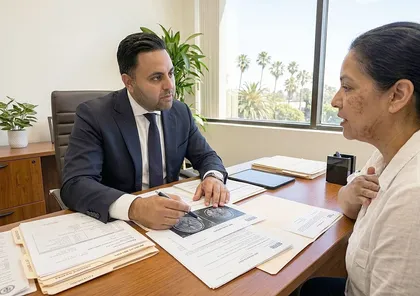
Call 911 right away. Do not wait to see if your symptoms pass. Once you are stable, document your symptoms and save your medical records. Note how your injury has changed your daily life. Do not give any statement to an insurance company before you speak with a personal injury attorney, because what you say early can affect your claim.
Can I Get Workers’ Compensation For A Stroke Caused By Workplace Stress?
If your stroke happened at work or was caused by your working conditions, California workers’ compensation may cover some of your losses. Strokes linked to long-term job stress can qualify in some cases, but insurers often challenge these claims. A separate personal injury claim against a negligent third party may also be an option. An attorney can help you look at both paths.
Does A Stroke Qualify As A Catastrophic Injury Under California Law?
Yes. Strokes often cause lasting harm, such as paralysis, memory loss, or speech problems, and many survivors cannot return to work. Courts and insurers tend to treat these injuries as catastrophic when assessing the full extent of the harm. That matters because it can shape how your case is valued and how any settlement talks go.
Will My Health Insurance Cover My Stroke Rehabilitation If Another Party Is At Fault?
Your health insurance may cover your initial treatment. The amount of long-term rehabilitation coverage you get depends on your plan. If another party’s negligence caused your stroke, you can hold them responsible for costs your insurer does not pay, including future therapy, home care, and medical equipment. Your insurer may also seek repayment from any money you recover through a legal claim.
Get Legal Help From Arash Law Today
Your legal window is open right now. The steps you take in the coming days can protect your right to seek compensation. Medical bills, rehab costs, and lost income pile up fast, and your family should not have to fight an insurance company alone on top of all that.
Many CVA victims realize, “I need a personal injury lawyer,” when the other party denies liability or they face complex legal issues. That is where an experienced legal team makes a real difference. When skilled attorneys handle the legal process, you and your family can focus on recovery. Arash Law stands up for injury victims across California and is ready to help.
We work on a contingency fee basis, so if you’re concerned about whether our lawyers only get paid if they win, you don’t have to worry. We only take the attorney’s fees from the amount we recover for you. You don’t pay legal fees up front.
Getting free advice from a brain injury accident lawyer online can help you understand your general rights. However, a face-to-face consultation is a smart first step if you need personal guidance and are thinking about filing a claim.
Call AK Law at (888) 488-1391 to schedule your free case review. There is no obligation to hire us afterward, and you walk away knowing exactly where you stand.