TL;DR: A supercar is a street-legal car built for extreme speed that can be more dangerous to drive than standard vehicles. Their 500+ horsepower, low ride height, and limited visibility raise the risk of high-speed crashes that cause brain, spinal, and internal injuries, leaving drivers, passengers, and pedestrians facing major medical bills and a 2-year deadline to file a California injury claim.
Highlights:
- Call 911, request medical help, and get the police report number.
- Photograph damage, vehicle height differences, debris, skid marks, and lane layout.
- Save videos and get witness contacts, and ask businesses to preserve camera footage.
- Get medical care quickly and follow rehab plans, including chiropractic care if recommended.
- Report the crash to insurers and confirm UM/UIM coverage and policy limits.
- Ask a lawyer to preserve EDR and telematics data before repairs.
- Note California’s 2-year lawsuit deadline, and start the claim early.
Tip: When giving statements, stick to what you know firsthand and avoid guessing about speed or fault.
Table of Contents
What makes a supercar dangerous to drive? Supercars are built for extreme speed, not everyday traffic. Their bodies sit low to the ground, and they carry far more power than most drivers can safely handle. Even a brief lapse in focus can lead to a serious crash.
When one of these cars hits you, the impact is unlike a typical accident. The extreme speed, the low-slung body striking at an unusual angle, and the sudden force can leave you with severe injuries. If you are driving a supercar, you may also face an added risk, as its low ride height and performance-focused design can make it more sensitive to road conditions.
Victims may face a long and costly recovery. In California, you may be able to seek compensation when a driver’s careless or reckless behavior caused the crash.
What Makes Supercars Different?
A supercar is a street-legal vehicle akin to race cars. It typically features powerful mid-mounted or rear-mounted engines, lightweight frames, and advanced aerodynamics designed for greater speed. These features can reduce margins for driver error, especially in traffic or urban environments where quick reaction time matters more than raw speed.
Common supercar examples include the Ferrari 488 and SF90 Stradale, the Lamborghini Huracan and Aventador, the McLaren 720S, and the Porsche 911 Turbo S. These vehicles are capable of extreme acceleration and high top speeds, with some models exceeding 200 mph.
In comparison, a standard family sport utility vehicle (SUV) is designed for safety. SUVs have crumple zones, a high ride height, and wide visibility. Differences such as these make supercars far more dangerous on public roads.
Why Supercars Are Dangerous On California Roads
On streets shared with pedestrians, cyclists, and commuters, the trade-offs in a supercar’s design become dangerous. The design features that make supercars fast are the same ones that make crashes more severe. These traits can work against both the driver and everyone nearby:
- Extreme Power: Many supercars can reach 60 mph in under 3 seconds and produce 600 to 1,000+ horsepower. These features can make the vehicle difficult for an inexperienced driver to control.
- Rigid Carbon Fiber Frames: While they protect the cabin, their limited flex can cause occupants to feel higher impact forces during severe crashes.
- Low Ride Height & Blind Spots: Compact cabins and wide rear decks sharply limit what a supercar driver can see. Meanwhile, other drivers in taller vehicles may not even spot the supercar.
- High-Performance Braking Systems: Designed for controlled high-speed conditions. However, they may respond differently in stop-and-go traffic.
- Ultra-High Grip Tires: Many, though not all, supercars use them. These perform best at optimal temperatures, which may not always be reached during everyday driving, potentially affecting traction in normal road conditions.
In supercars, these risks are amplified because acceleration occurs much faster than in standard vehicles, leaving drivers less time to react to hazards. Even small mistakes, such as delayed braking or misjudging distance, can result in high-energy impacts that cause serious or fatal injuries. A SafeTREC report published in 2025 notes that in 2023, 32% (or 1,303) of all motor vehicle fatalities in California were speed-related.
California road conditions can add to the risk when supercars are driven at high speeds. Major highways such as Interstate 5, Interstate 405, and U.S. Route 101 often experience heavy congestion, frequent merging traffic, and sudden stops.
These traffic conditions, which can change rapidly, require constant braking and lane adjustments. Those maneuvers can become more dangerous when done by vehicles designed for rapid acceleration rather than low-speed control.
Liability In A Supercar Crash In California
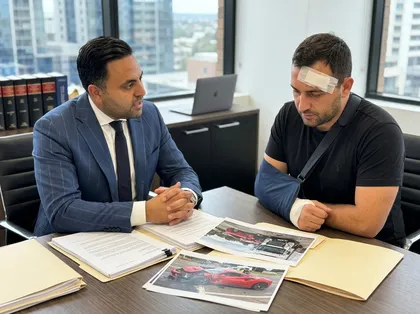
When a driver loses control of a supercar, others can be seriously hurt. California law can hold the driver, an owner, or a rental agency liable for those injuries. However, liability can extend beyond the driver under two legal doctrines: comparative negligence and permissive use.
Possible liable parties include:
- Driver: The driver is often responsible if the crash was caused by speeding, reckless driving, or loss of control.
- Vehicle Owner: An owner may share liability if they allowed an unsafe or unqualified driver to use the supercar. Under the California Vehicle Code, an owner can also be liable just for letting someone else drive their vehicle, even if that person seemed qualified.
- Rental Company: Supercars are frequently rented for short-term use, including events, vacations, and special occasions. In some cases, drivers may have little or no prior experience handling these vehicles. The rental company may be liable if inadequate screening, maintenance, or supervision contributed to the incident.
- Auto Shop: It can be responsible if performance work or repairs (such as engine tuning, brake changes, suspension modifications, or software updates) were done improperly or created unsafe driving conditions that contributed to loss of control or a crash.
California uses a rule called pure comparative negligence. Under this legal doctrine, a court can assign fault for an accident to several parties, including the victim. A victim’s share of fault reduces the amount of compensation they can pursue.
To prove fault, you need clear evidence from right after the crash. It should help you show that another driver, car owner, or rental agency owed you a legal duty to prevent harm. However, by acting carelessly or recklessly, they failed in that duty, resulting in the accident and your losses. Speeding-related accident attorneys often work with subject-matter experts to establish liability in these cases.
Crucial Evidence: Proving Negligence After A Supercar Accident
Vehicle data and telematics records are often the strongest evidence in a supercar accident case. They can show exactly how fast the driver was going in the moments before the crash. However, this data can be lost before you ever get to use it.
The following types of electronic evidence matter most in these cases:
- Event Data Recorder (EDR): Also called a black box, an EDR records speed, throttle, braking, and seatbelt use right before impact. The data can show how fast the driver was going and whether they tried to stop.
- Telematics Data: Many supercars log GPS position, speed, and sudden acceleration in a telematics system. Some of them track racing and erratic driving patterns, so experts can see how the driver behaved before the crash.
- Aftermarket Modifications: An engine control unit (ECU) tune can push a car past its factory limits. If a poor modification contributed to the crash, the shop that performed the work may be found at fault.
Pulling this data takes special tools. It also requires a proper chain of custody, or a clear record of how evidence is collected, handled, and stored. Experienced speeding-related accident lawyers work with forensic experts to help them go through the process correctly.
However, acting fast to preserve this evidence is crucial. An EDR can overwrite data if the car is repaired or another crash occurs. Telematics logs can also get deleted. Retention periods vary by vehicle and system. An attorney can send a written preservation letter to the owner and their insurer. The letter asks that the car not be repaired until all data is pulled. In crashes this severe, strong evidence is necessary to establish liability.
The Legal And Financial Impact Of Supercar Accidents In California
A supercar crash can cause serious injuries. That can lead to high medical bills and unexpected financial stress for your family. These financial challenges often require substantial compensation to address. California law allows you to seek that compensation through a personal injury claim.
At extreme speeds, supercar crashes cause severe spinal, brain, and internal injuries. Victims often need emergency care and surgery right away. Long-term treatments, such as physical therapy or chiropractic care, may be necessary for injuries that result in a loss of mobility or persistent chronic pain.
Depending on the facts of your case, you may have the right to recover economic damages, such as medical bills and lost wages, as well as non-economic damages for personal losses such as pain and suffering. Both types aim to account for the full cost of your injuries, not just what you paid at the hospital.
Some options for seeking compensation include:
- Insurance Claims: The coverage that may apply depends on the facts of the case. These can include:
- Auto Liability Insurance: This usually pays for your losses if the driver or vehicle owner is at fault for the crash.
- Uninsured or Underinsured Motorist (UM/UIM) Coverage: If you have this coverage under your policy, it may apply if the at-fault driver has no insurance or not enough coverage to pay for your losses fully.
- Other Business-Related Coverage: If an auto shop is involved, garage liability insurance or similar policies may apply. Whether it applies depends on the work done and how the incident happened. Large corporate rental companies may also be self-insured or carry specialized commercial insurance programs.
- Personal Injury Lawsuit: If insurance settlement negotiations do not lead to an agreement or if there are disputes about who is at fault, injured individuals may still have the option to file a lawsuit. A speeding-related accident attorney can bring the case on behalf of the victim. Court jurisdiction will generally depend on where the supercar crash occurred in California.
Frequently Asked Questions About Supercar Accidents
Supercar accidents raise questions that go beyond a typical car crash. These vehicles reach extreme speeds, carry rare parts, and often involve high-value insurance policies. That mix creates legal issues most standard crash cases never involve. If you or someone you love was hurt, knowing your rights can make a real difference.
Do You Need A Special License To Drive A Supercar In California?
No. A standard California Class C license lets you legally drive any street-legal car. That includes high-performance vehicles like Ferraris and Lamborghinis. The state does not require a special permit or extra license to drive a supercar.
Can Supercars Be Considered Safe For Pedestrians?
Not always. Some features common to supercars, such as the ability to accelerate quickly and the limited visibility the frame affords drivers, may increase the risk to pedestrians. These individuals are especially vulnerable to injury when those features are combined with excessive speed or reckless driving. However, many modern supercars include safe-driving technologies for preventing accidents, like automatic emergency braking and pedestrian detection systems that can help reduce these risks.
Will Exotic Car Modifications Affect My Injury Claim?
Possibly. Illegal, defective, or unsafe modifications can affect liability determinations after a crash. The defense may argue that a modification, rather than the other driver’s actions, caused or contributed to the accident. To address these complexities, a vehicle engineer or accident reconstruction expert may inspect the car and help determine the actual cause of the crash.
Are Punitive Damages Available In A Supercar Crash Lawsuit?
Punitive damages are only rarely available in serious cases. These are additional monetary awards intended to punish reckless or harmful conduct, beyond what covers your losses. Under California law, they apply when a defendant acted with malice, oppression, or fraud. Those terms refer to especially serious or willful harm.
Extreme speeding, drunk driving, or street racing can support this type of claim. Some victims seek free advice from a speeding-related accident lawyer to determine whether punitive damages may apply to their cases.
What If The Supercar Driver Fled The Scene Of The Accident?
Having a police report on file is generally important in these situations. Keeping any video footage and witness contact details can also help your case. Meanwhile, you may be able to seek benefits from your own UM/UIM coverage if you have it on your policy. It can pay for your losses when the driver who hit you fled the scene and cannot be found.
Can I Sue If I Was Hit By A Rented Sports Car In California?
Yes. You can file a claim against the at-fault driver and, depending on the facts, possibly the rental agency as well. Note that time limits apply to these claims, so acting quickly matters. Your legal options depend on the specific details of your case.
How Long Do I Have To Take Legal Action After A Supercar Crash In California?
Under California’s statute of limitations, you generally have two years from the date of your injury to file a personal injury lawsuit. This filing window can change in limited circumstances, such as when the case involves an injured minor or an injury discovered late.
Understanding which deadline applies early is crucial because you typically still need to prepare, file, and pursue an insurance claim first before suing becomes an option. Waiting to take action after a supercar crash can be risky because you may lose key supporting evidence, which can complicate and prolong the claims process. By the time you file suit, a court could dismiss your case because you missed the deadline.
Contact Arash Law After An Accident With A Supercar In California
Supercar crashes are not like ordinary accidents. The speeds, forces, and legal layers involved can complicate the claims process for injured victims pursuing compensation. If you are thinking, “I need a personal injury lawyer,” speaking with an attorney early can protect your rights. The speeding-related accident attorneys at AK Law can evaluate your case and determine your possible legal options.
If you’re already facing financial challenges after a supercar crash, you may be asking, “Do lawyers only get paid if they win?” At our injury law firm, the answer is yes. You owe no attorney’s fees unless we recover compensation for you.
Call us at (888) 488-1391 for a free initial consultation.