TL;DR: Uber may be responsible for your injuries if the crash happened during an active ride because its rideshare insurance can apply. The driver is usually at fault for distracted driving, and passengers face medical bills and a 2-year deadline to file a California injury claim.
Highlights:
- Get medical care immediately and follow all recommended follow-up visits.
- Call 911, request police response, and write down the collision report number.
- Report the crash in the Uber app to create an official platform record.
- Screenshot the trip receipt, route, driver info, and exact timestamps.
- Photograph vehicle damage, injuries, road conditions, signs, and traffic signals.
- Collect witness names and numbers, including other passengers and nearby drivers.
- Track California’s 2-year lawsuit deadline from the crash date.
Tip: When speaking with insurers, stick to observable facts and save detailed explanations until you have the crash report and trip records.
Table of Contents
Not necessarily. If your Uber driver crashed while arguing, the driver may be at fault for distracted driving, and Uber may be involved because the trip’s insurance coverage could apply. Whether Uber itself is legally responsible depends on more than the argument alone.
To have a valid claim, you need proof that the argument distracted the driver and contributed to the crash. These pieces of evidence may include police reports, witness statements, trip records, video, and medical records. Sometimes, another driver or another responsible party, such as a government entity, property owner, or manufacturer, may share fault. So, it’s important to identify the right insurance coverage and liable parties early.
What “Uber Is Responsible” Means In This Situation
When people say Uber is responsible, they often mean Uber’s rideshare insurance may apply if the crash happened during an active trip. That is not the same as saying Uber itself directly caused the crash.
If the driver was distracted or arguing at the time of the crash, Uber may be financially responsible under rideshare insurance if the trip was active. However, the driver may still be the party legally at fault, and a direct claim against Uber depends on the facts.
Uber carries third-party liability insurance that applies during certain phases of a ride. If the crash happened while the driver was transporting you or after the trip had already been accepted, Uber’s rideshare insurance may apply, regardless of whether an argument occurred inside the vehicle.
Uber Responsibility Vs. Driver Responsibility
Uber’s responsibility and the driver’s responsibility are not always the same thing. In many Uber accidents, the first practical question is not whether Uber is directly at fault as a company. The first question is which insurance policy applies to the trip. If the driver had accepted the ride or was transporting you when the crash happened, Uber’s required rideshare coverage is a major part of the case.
In rideshare accidents, primary coverage is the insurance that pays first for damages, up to its policy limits. This usually applies when the ride is active, and the driver is logged in.
Contingent or excess coverage only applies after the primary insurance is exhausted. It may also happen in certain situations, such as when the driver’s personal policy is responsible first. This coverage is generally smaller and may not cover all damages.
There can be arguments over the driver’s app status. The parties involved may dispute whether the driver was logged in, accepted a ride, or had a passenger. Knowing the phase of the ride is important because it determines which coverage applies and who pays first.
What you can do:
- Screenshot the Uber trip receipt.
- Preserve timestamps from the app or messages.
- Request a collision report number.
- Note whether the trip was in progress at the time of the crash.
Some victims find these cases complex. So, they think about seeking free advice from an Uber accident lawyer. By doing this, they can get clear guidance and information to support their decision-making.
When Does Rideshare Insurance Apply In California?
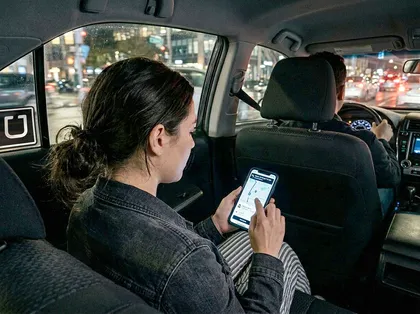
California rideshare insurance depends heavily on the driver’s status in the app. Insurance coverage is not automatic and varies depending on the ride’s phase and other conditions. Understanding when insurance applies helps protect passengers and clarify liability after an accident.
- Period 0 (App Off): If the Uber app is off, the crash is like a regular car accident, and rideshare insurance does not apply. The driver’s personal auto insurance is usually the first source of coverage, which has the following minimum limits:
- Injury Per Person: $30,000.
- Injury Per Accident: $60,000.
- Property Damage: $15,000.
- Period 1 (App On, No Ride Accepted): If the driver is logged into the app but has not accepted a ride, a limited contingent rideshare liability policy may apply. Coverage primarily supports liability for third-party damages, not passenger injuries. These include:
- Injury Per Person: $50,000.
- Injury Per Accident: $100,000.
- Property Damage: $30,000.
- Period 2 (Ride Accepted, Passenger Not Yet in Vehicle): Once the driver accepts a ride, primary liability coverage is up to $1 million. This coverage is broader than Period 1 coverage, but it still mainly applies to liability rather than all damage to the driver’s own vehicle.
- Period 3 (Passenger in Vehicle, Ride Ongoing): Rideshare companies must offer primary commercial liability coverage during the trip. This coverage is up to $1 million for injuries and property damage.
For Periods 2 and 3, rideshare coverage includes liability and, if the driver has personal coverage, comprehensive and collision, with Period 3 also providing required uninsured/underinsured motorist (UM/UIM) protection.
If your driver was already transporting you when the crash happened, the active-trip insurance layer may apply. That can affect what coverage is available for your injuries, even if the main negligence claim is still based on the driver’s distracted driving.
In California, transport network companies (TNCs) like Uber must meet specific insurance requirements that apply during different phases of a ride. If the crash occurs while the passenger is in the vehicle, the ride generally falls under Period 3, regardless of whether there was an argument.
What Should You Do Right After An Uber Crash Caused By An Argument?
Start with safety and medical care. Call 911 if anyone is hurt, ask for police to respond, and get checked even if you think your injuries are minor. Some injuries, especially concussions, soft tissue injuries, and back pain, do not always feel serious at the scene.
Here are some actions to consider:
- Get medical treatment and follow up with every provider who evaluates you.
- Report the crash to the police and ask how to get the traffic collision report.
- Report the incident through the Uber app so there is a record of the ride and crash on the platform.
- Take screenshots of the trip, including the driver’s name, vehicle, route, time, and receipt.
- Photograph the scene, including vehicle damage, injuries, traffic controls, weather, and road conditions.
- Get witness names and numbers, including other passengers, bystanders, and other drivers. Uber accident lawyers can get their official statements later on if needed.
- Avoid detailed recorded statements to insurance adjusters before you understand which policy applies.
What Evidence Matters When The Driver Was Arguing?
In this kind of case, the main issue is not just that a crash happened. The issue is whether the argument distracted the driver and whether that distraction caused the collision. That makes evidence about the driver’s attention especially important.
Some pieces of evidence that can support a claim include the following:
- Police Report: May record witness accounts, admissions, or signs of distraction.
- Passenger Statements: Can show the driver was yelling, turning around, gesturing, or losing focus.
- Dashcam or Traffic Camera Footage: Can capture lane drift, delayed braking, or unsafe reactions.
- Uber Trip Records: Can help prove the ride was active and identify the exact timing of the crash.
- Phone Records and App Activity: May help show the driver was also interacting with the phone or app.
- Medical Records: Link the crash to your injuries and help show how serious they are.
- Photos of the Scene: Help explain the force of impact and the crash sequence.
Write down what you remember as soon as possible. Include who was arguing, whether the driver looked away from the road, whether the driver turned around, whether the driver missed a light or stop sign, and what happened in the seconds before impact.
Who May Be Liable For The Crash?
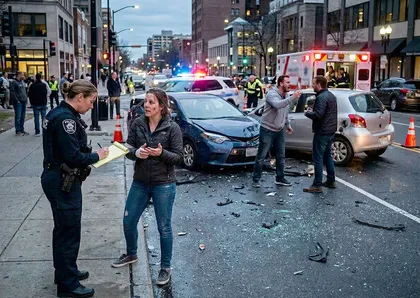
The Uber driver may be the main at-fault party if the argument distracted them and caused unsafe driving. Drivers owe a duty of care, which means they must operate the vehicle with reasonable caution and follow traffic laws. If an argument caused the driver to look away, stop watching traffic, miss a signal, or react too slowly, that can support a negligence claim.
However, other parties can also be liable:
- Another Driver: If another motorist also contributed by speeding, tailgating, or running a light. This party can also be the other person who was arguing with the Uber driver.
- Uber: If there is evidence of a separate, direct company-related failure that contributed to the harm. For instance, if the company failed to vet the Uber driver with a history of reckless driving who caused the crash.
- Vehicle Manufacturer or Maintenance Party: If defective brakes, tires, or steering played a role in the accident.
- Public Entity or Contractor: If a dangerous roadway condition contributed to the crash.
California uses pure comparative fault. That means more than one party can share blame. For example, if the Uber driver is 30% liable for the accident and another driver is 70% at fault, this can affect how the coverage is split. In these instances, each insurer may argue over percentages.
What Are Common Injuries In Uber Accidents Caused By Distraction?
If your Uber driver crashed while arguing, the injuries can range from mild to severe, depending on the force and type of impact. If the trip was active at the time of the crash, Uber’s rideshare insurance may become part of the claim, which can affect how your injury-related damages are pursued.
- Whiplash and neck strain.
- Back injuries and herniated discs.
- Concussions and traumatic brain injuries.
- Fractures, cuts, and lacerations.
- Shoulder and knee injuries.
- Facial injuries from impact with the interior of the car.
- Soft tissue injuries that worsen over the next few days.
Treatment may include emergency care, imaging, follow-up visits, physical therapy, pain management, orthopedic care, or chiropractic treatment, depending on the injury and your medical providers’ advice.
Potential Damages In An Uber Accident Claim
If another person’s negligence caused the crash, you may pursue compensation for the losses, harm, and other effects it has had on your life.
Damages victims can pursue can include:
- Medical Bills: These can include costs for emergency care, follow-up care, or hospital stays.
- Lost Wages: If you missed work during recovery, you can seek reimbursement for the wages you lost.
- Loss of Earning Capacity: If the injuries affect your long-term ability to work, you can include reduced earning capacity in your claim.
- Pain and Suffering: For physical pain, emotional distress, and disruption to daily life.
- Property Losses: For damaged phones, glasses, luggage, or other belongings in the car.
How Long Do You Have To File A Claim?
In California, the general deadline for a personal injury lawsuit is two years from the date of the crash. Waiting too long can lead to a dismissal of a case. File your insurance claim as soon as you can. Insurers have their own deadlines and reporting rules.
That said, claim timing can become more complicated if a public entity is involved, if another legal rule changes the deadline, or if there is a dispute about when the injury was discovered. The safest move is to review timing early, especially in a rideshare case where insurers, app records, and witness evidence can all become harder to obtain over time.
Can Uber Force An Injury Claim Into Arbitration?
Maybe. Uber rider terms can include arbitration clauses that courts may enforce, including for injury claims, depending on the version and defenses. However, that doesn’t mean every injury claim is doomed. Not every arbitration clause will apply to all issues in every case, either.
The answer can depend on:
- The version of the terms accepted.
- The claims being made.
- Whether there are valid challenges to enforcement.
For this reason, Uber crash claims are more technical than standard car accident cases.
When Should You Talk To An Uber Accident Lawyer?
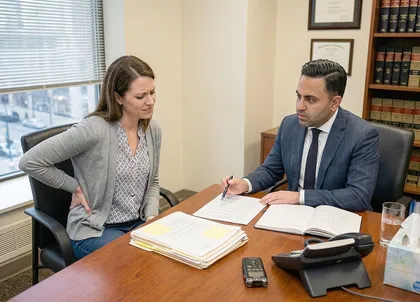
It’s often helpful to speak with an Uber injury lawyer sooner rather than later. Getting legal advice early helps you know your rights. It also helps you avoid mistakes and respond well to insurers. It also allows you to evaluate your options before key decisions or deadlines affect your ability to pursue a claim.
Early legal review can matter when:
- Liability is disputed.
- Uber’s insurance status is unclear.
- The driver and another motorist both blame each other.
- Your injuries are serious.
- The insurer asks for a recorded statement.
- The trip records or video need to be preserved quickly.
If you are thinking, “I need a personal injury lawyer,” that usually means the case has already become more complicated than a routine insurance claim.
Frequently Asked Questions About Uber Cases
It’s common for victims of Uber accidents to have legal concerns. Below are answers to these common questions. However, if you have any specific concerns, it’s advisable to consult a legal professional.
Can I File Passenger Injury Claims If I Was Riding In The Uber And Did Nothing Wrong?
Yes. If you were a passenger in an Uber, you can still pursue an injury claim even if you did nothing wrong. Passengers are generally not at fault, so responsibility usually falls on the Uber driver, another motorist, or both.
What If Another Driver Hit The Uber I Was Riding In?
You may still have a claim. In that situation, the first claim may be against the at-fault driver’s insurance. Depending on the trip status and available coverage, rideshare insurance may also matter if the other driver has no insurance or has insufficient insurance.
Does An Argument Inside The Car Count As Distracted Driving?
It can. Distracted driving is not limited to texting. A driver can become visually, manually, or mentally distracted. An intense argument can affect attention, reaction time, and decision-making even if the driver never touches a phone.
In these cases, witness accounts and trip facts matter because they help show how the distraction affected the driver’s conduct.
Do Lawyers Only Get Paid If They Win?
Many injury law firms, such as Arash Law, handle cases on a contingency fee basis. That means the fee is recovered if the case succeeds, rather than paid upfront at an hourly rate. The exact terms still matter, so ask for a clear explanation of fees, costs, and how the agreement works.
How Long Does An Uber Accident Settlement Take?
There is no fixed timeline for an Uber accident settlement. Some cases resolve quickly, while others take much longer, especially if injuries are serious or fault is disputed.
The timeline often depends on:
- Severity of Injuries: The seriousness of the injuries affects the duration of medical treatment and recovery.
- Disputes Over Fault: Disagreements can lead to extensive back-and-forth, especially when multiple parties are involved.
- Insurance Review and Negotiations: This process can delay resolution if claims are challenged or undervalued.
In general, simpler cases tend to resolve faster, while more complex claims take longer to settle.
Can I Sue Uber Directly?
You may be wondering whether you can sue Uber for a car accident, but the answer depends heavily on the facts of the crash and the legal theory involved. In many claims, the most immediate path is a claim against the at-fault driver and the insurance tied to the trip. Direct claims against Uber itself are narrower and depend on the facts, the legal theory, and the available evidence.
That is different from saying Uber is never involved. Uber may still matter because the active trip can trigger rideshare coverage, and some fact patterns may support claims beyond the driver alone.
Talk To A Lawyer After An Uber Accident
In an Uber crash claim, two questions arise: who caused the accident, and which insurance policy may cover the injuries. Uber may be part of the case through rideshare insurance, even if the driver’s distracted driving caused the collision.
When a crash occurs because an Uber driver is arguing and stops paying attention, you may have a case. The case turns into a negligence claim, shaped by factors such as driver distraction, the app’s activity at the time, rideshare insurance coverage, and the specific cause of the crash.
Our Uber accident lawyers at AK Law can review the trip status, identify the right insurance layers, and evaluate whether the facts support claims against the driver, Uber-related coverage, or other parties. Call us at (888) 488-1391 for a free initial consultation.