TL;DR: In California, the person exiting a vehicle is often at fault if they open a car door into traffic without checking, but the passing driver can share liability if they were speeding or distracted. Fault affects injured drivers, passengers, and cyclists because shared liability can reduce the damages you recover and increase your out-of-pocket medical bills and repair costs.
Highlights:
- Photograph the door position, lane space, damage, and any skid marks.
- Get witness names and contact details, and ask about dashcam or nearby cameras.
- Request the police report and keep the report number for your claim.
- Seek medical care promptly and keep records of treatment, including chiropractic visits.
- Report the crash to your insurer quickly and review MedPay, collision, and UM options.
- If it was a hit-and-run, call police immediately and document the fleeing vehicle details.
- Track deadlines – generally two years to sue, six months for government claims.
Tip: Write down what you saw and did before anything changes, and stick to facts when describing speed, distance, and timing.
Table of Contents
Fault depends on what the passing car hit, where you were when the crash happened, and whether each person acted safely. In California, the person exiting a vehicle may be at fault if they open a door or step into traffic without first checking. However, the passing driver may share or bear fault if they were speeding, distracted, driving too close to parked cars, or failed to avoid a visible hazard.
Getting hit while stepping out of a parked car can leave you confused, hurt, and unsure who must pay for your losses. One moment, you are doing something ordinary. Next, you are dealing with injuries, a damaged vehicle, and unanswered questions about who is responsible. California law sets out a specific standard for when it is safe to open your car door into traffic, and that standard shapes fault assignment in these cases.
How California Law Determines Fault When A Passing Car Hits Someone Exiting A Vehicle
Fault depends on where you were, what the passing car hit, and whether each person acted safely before the crash. These cases do not always involve only an open car door. A passing driver may hit the door, strike the person stepping out, or hit someone who has already exited the parked car.
In California, liability often depends on several facts, including:
- Whether the driver parked the vehicle legally.
- Whether the person exiting checked traffic before opening the door or stepping out.
- Whether the passing driver was speeding, distracted, or driving too close to parked cars.
- Whether the driver had enough time and space to slow down, move over, or avoid the person.
- Whether poor visibility, traffic, road design, or unsafe parking contributed to the crash.
The person exiting a vehicle may share fault if they open a door or step into traffic without first checking. However, the passing driver may also share fault if they ignored road traffic laws, drove too close to a parked car, failed to watch for hazards, or caused the crash through distracted driving.
California uses comparative negligence in car accident liability cases. This means more than one person can share responsibility. Insurers, courts, and attorneys look at the evidence to decide each person’s percentage of fault. This process is called liability determination or fault determination.
California’s Door-Opening Rule
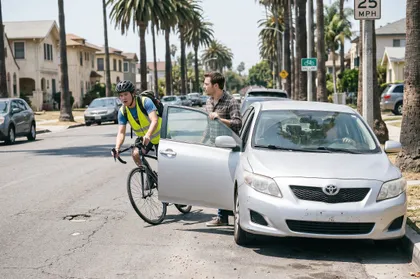
California has a specific rule for opening car doors near traffic. Under the California Vehicle Code, drivers and passengers must make sure it is safe before opening a door on the side facing moving traffic. They also should not leave the door open long enough to block or interfere with traffic.
This rule matters because passing drivers, cyclists, and motorcyclists may have little time to react when a door suddenly opens. Before getting out, the person in the parked car should check the mirrors, blind spots, and the nearby lanes. If they open the door into traffic, they may be at fault for the crash.
Still, the passing driver may also share responsibility. A driver may share fault if they were speeding, distracted, impaired, or driving too close to parked cars. For example, if the door was already open and the driver had enough time to slow down or move over but failed to do so, both parties may share blame.
That is why these cases depend on the facts. Photos, dashcam footage, witness statements, vehicle damage, the parked car’s location, and the actions of the passing driver can all help show who caused the crash.
When Is The Passing Driver At Fault?
The passing driver may share some fault if they were violating traffic laws, speeding, or driving negligently. Distracted driving or simple inattention can all shift blame onto the moving driver when they had a clear chance to avoid the hazard.
Here are some reckless actions that can affect liability determination:
- Distracted Driving: If a driver was texting and failed to notice an open door from a safe distance, that inattention contributes to the crash.
- Speeding: A driver traveling above the speed limit may not have had enough time to stop safely. A driver traveling at a safe speed may have had more time to slow down, move over, or avoid the open door. Additionally, even if you were careful while getting out of the car, you may not have seen the approaching vehicle because it was speeding.
Consider this example scenario: a driver with a clear line of sight has 150 feet between their car and an open door on a dry road. Unlike a typical rear-end collision, an open-door accident usually depends on whether the person exiting the parked car checked traffic and whether the passing driver had enough time and space to avoid the hazard.
In California, when two people share responsibility, the law divides liability based on each person’s percentage of fault. Accident lawyers often rely on evidence such as dashcam footage, eyewitness statements, and scene photos to evaluate shared liability.
How Shared Liability Works In California
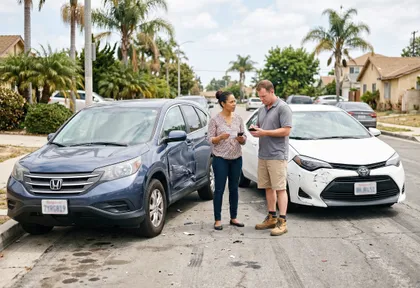
Although the person who opened the door is often at fault, the passing driver may also share responsibility depending on how the crash happened. The person who opened the door and the approaching driver can both be held responsible for what happened. California law has a specific way of handling such cases. Understanding how courts and insurers assign fault between parties is key to knowing what compensation you can pursue.
California personal injury law follows a pure comparative negligence rule, which is the basis of dividing fault in crashes like these. Under this rule, insurers or courts assign each person a percentage of fault. That exact percentage reduces your compensation.
For example:
- Your total losses are $10,000.
- A court or insurer finds you 25% at fault.
- You may recover 75% of your damages, or $7,500.
Parking illegally or blocking traffic may increase your percentage of fault, depending on the circumstances of the case. Scene evidence helps insurers or courts decide each person’s share of fault. After a crash, injured people often have practical questions about what to do next.
Frequently Asked Questions
A dooring accident leaves you with immediate questions about fault, insurance, and what your rights actually are. Working through those questions while you are injured and dealing with vehicle damage can complicate things. Below are general answers to these common concerns.
Do I Call The Other Person’s Insurance If They Hit Me?
You are not required to call the other person’s insurer, but you can file a claim with them directly if their policyholder is at fault for the accident. Many accident victims seek free advice from an accident lawyer to better understand the appropriate next steps, especially when navigating the insurance claims process.
What If The Driver Who Hit My Car Door Leaves The Scene?
If the driver flees after hitting you or your car door, call the police and get medical care. Depending on your policy, uninsured motorist coverage, MedPay, collision coverage, or other insurance may help cover some losses. If police later identify the driver, you may also be able to pursue a claim against that driver or their insurer.
Can I Seek Compensation If I Got Injured In A Parked Car Open-Door Accident?
You can file a claim for accident-related losses. To have a valid case, you must show that the other party’s negligence contributed to the crash. You can pursue the following if they apply to your case:
- Medical Costs: Urgent care, hospital stays, doctor’s fees, and necessary treatment (e.g., physical therapy, chiropractic care, etc.).
- Lost Income: Wages you missed during your recovery. It may also include reduced earning capacity due to your injuries.
- Property Damage: Cost of repair or replacement of the vehicle.
- Non-Economic Damages: Intangible losses you incurred due to the incident. These can include emotional distress, pain and suffering, or trauma.
It’s understandable to think, “I need a personal injury lawyer to handle my case,” when you incurred significant losses. You may need legal help if you suffered serious injuries, such as a traumatic brain injury, spinal cord damage, or crush injury.
How Long After An Accident Can You Still Make A Claim?
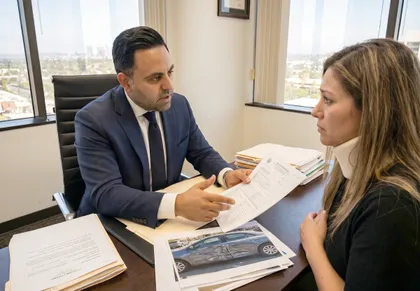
Insurance claim deadlines vary by policy, so report the accident as soon as possible. If you need to file a personal injury lawsuit in California, you generally have two years from the accident date. If a government vehicle or public entity caused or contributed to the crash, you may need to file an administrative claim within six months. Missing a deadline can limit or end your right to seek compensation.
What Evidence Helps Establish Fault In A Car Door Accident?
Evidence from the scene plays a major role in determining what happened. Photos of the accident can show the position of the car door, the extent of the damage, and the surrounding area. Witness statements and any available surveillance or dashcam footage can also help support your version of events and strengthen your claim.
How Do Police Determine Who Caused The Car Door Accident?
Responding officers examine vehicle damage, witness statements, and physical evidence, such as skid marks, to assess what happened. You can request a copy of the police report. It may document the officer’s observations, witness statements, citations, and other details that help insurers or courts review fault. However, police officers do not make the final legal determination of fault. Courts and insurance companies ultimately assess liability based on the available evidence.
How Much Does It Cost To Hire An Accident Lawyer In California?
The cost of hiring an attorney depends on the complexity of the case and a lawyer’s billing structure. More complex cases often require more time and resources, potentially increasing legal costs. Additionally, the lawyer’s experience and track record can affect their fees.
However, if you want to know, “Do lawyers only get paid if they win?” some of them do if they work on a contingency fee basis. Under this fee arrangement, they only get paid if they win the case. Fee terms can vary. Before representation begins, attorneys must explain in writing how they will calculate their fees.
Get Help From Arash Law After An Open Door Accident In California
Shared fault accidents can be difficult to handle on your own. Disputes over liability are common, and important evidence may be limited or unavailable in these cases. Our car accident lawyers at AK Law can provide legal support. We can review your case, gather evidence, and talk to witnesses. Call us at (888) 488-1391 to understand your possible legal options.