TL;DR: A personal injury claim needs evidence showing fault, injury cause, and losses. Injured Californians often need photos, videos, witness details, reports, medical records, bills, and income proof because evidence can disappear, and shared fault can reduce compensation.
Highlights:
- Photograph the scene, hazards, damage, injuries, and surrounding conditions.
- Save damaged items, clothing, shoes, repair records, and receipts.
- Get the police, CHP, or incident report number.
- Collect witness names, contact information, and short statements.
- Request nearby security, dashcam, or traffic camera footage quickly.
- Keep medical records, bills, wage proof, and recovery notes.
- Track California deadlines, including six-month government claims when applicable.
Tip: Ask businesses to preserve video quickly, and keep insurer statements short, factual, and free of guesses.
Table of Contents
For a personal injury claim in California, you need evidence that shows three things: who caused the accident, how the accident caused your injuries, and what losses you suffered. This evidence may include photos, videos, incident reports, witness information, medical records, bills, proof of lost income, and records showing how the injury affected your daily life.
California personal injury claims often require proof that another person or company acted carelessly and caused your injuries. That proof can be hard to gather while you are in pain, attending medical appointments, and trying to keep your life together. Without strong evidence, it becomes harder to show an insurance company or court what happened and what the injury cost you.
What Types Of Evidence Prove Fault In A California Personal Injury Claim?
To prove fault, you need evidence that shows what happened, who caused the accident, and how their actions led to your injury. Your statement matters, but courts and insurance companies usually need more than your account alone. The table below shows common types of evidence that may help support a California personal injury claim.
| Type Of Evidence | Examples | How It Can Help Prove Fault |
|---|---|---|
| Physical Evidence | Accident scene photos, visible damage, damaged shoes, broken stairs, torn clothing, vehicle damage | Shows the condition of the scene, the hazard, the damage, or the impact that caused the injury. |
| Police Or CHP Traffic Collision Report | Officer observations, driver information, witness names, road conditions, possible violations | Helps identify key facts, witnesses, and possible traffic violations. However, the full report may not always be admissible in court. |
| Digital Evidence | Traffic camera footage, security camera recordings, dashcam video, vehicle data recorders | Shows how the incident happened, including vehicle movement, signals, braking, speed, or visible hazards. |
| Witness Statements | Eyewitness statements, employee statements, statements from nearby customers or bystanders | Supports your version of events and may show whether another party knew about a hazard or caused the accident. |
| Admissions Of Fault | Statements such as “I wasn’t paying attention” or “I didn’t see you.” | May help show responsibility. In some cases, a party’s own statement may be admissible under California evidence rules. |
| Expert Analysis | Accident reconstruction experts, engineers, safety experts, and medical experts | Helps explain technical issues, such as crash mechanics, property hazards, unsafe conditions, or how the accident caused the injury. |
Evidence can disappear quickly. Video footage may be overwritten, witnesses may forget details, and damaged items may get lost or repaired. California also follows pure comparative negligence, so evidence may affect how fault is divided and how much compensation you can recover. If you are unsure what to save first, you can seek free advice from personal injury lawyers about which records, photos, and witness details may matter most.
What Evidence Do You Need To Prove Your Damages?
Proving fault and proving damages are two separate parts of a personal injury claim. Fault evidence shows who caused the accident. Damages evidence shows how the accident affected your health, finances, work, and daily life.
Without evidence of damages, even a strong liability claim may lead to little or no compensation. The right records can help show the full impact of your injury.
Common proof may include:
| Type Of Evidence | Examples | Why It Matters |
|---|---|---|
| Medical Records | Ambulance reports, emergency room records, doctor notes, X-rays, MRIs, physical therapy records, and chiropractor treatment notes | Shows your diagnosis, treatment, pain level, and how your condition changed over time. |
| Medical Bills And Treatment Costs | Hospital bills, surgery costs, therapy invoices, medication receipts, and assistive device receipts | Helps prove the cost of your medical care and out-of-pocket expenses. |
| Lost Income Records | Pay stubs, W-2 forms, tax records, employer letters, or missed work records | Shows how the injury affected your income and ability to work. |
| Non-Economic Loss Evidence | Pain journals, mental health records, therapy notes, and statements from family or friends | Helps show pain, emotional distress, physical limits, and changes in your daily life. |
| Expert Opinions | Medical experts, mental health professionals, or financial experts | Helps explain serious injuries, future care needs, long-term limits, or lost earning capacity. |
California law generally allows injured people to seek compensation for losses caused by another party’s wrongful conduct. Your records help connect each loss to the accident.
Deadlines also matter. California personal injury lawsuits generally have a two-year statute of limitations. Claims against government agencies often require an administrative claim within six months. These deadlines can change based on the facts, so early evidence preservation matters.
Having documents is not always enough. If your case goes to court, the evidence must meet California evidence rules. Injury attorneys can help collect, organize, and present records to support your claim.
How Do California Rules Of Evidence Affect Your Claim?

Not every photo, document, video, or statement can be used in court. In California, evidence must comply with rules on relevance, hearsay, and authenticity. This means the evidence must matter to the case, come from a reliable source, and be presented properly.
Here are the basic rules:
- Relevant Evidence: The evidence must help prove or disprove something important, such as how the accident happened, who was at fault, or what injuries you suffered.
- Authentic Evidence: The evidence must be what you say it is. For example, a photo may need proof of when and where it was taken.
- Hearsay Rule: Hearsay usually means repeating someone else’s statement to prove that the statement is true. California courts may not allow hearsay unless an exception applies.
- Settlement Communications: Settlement offers and negotiations usually cannot be used to prove fault or the value of damages. However, courts may allow them for other limited reasons.
Courts can reject evidence if it was not collected, saved, or presented correctly. For example, a court may question a video if no one can show where it came from or whether it was changed.
This is one reason injured people may say, “I need a personal injury lawyer to handle my case.” Evidence rules can be confusing, and a mistake can weaken your claim. An attorney can help gather, organize, and present evidence in a way that supports your case.
Frequently Asked Questions About Personal Injury Evidence
The sections above explain the core framework for gathering and preserving evidence. Now come the specific questions that the framework does not fully resolve on its own. Below are short answers to common evidence questions that can affect liability or damages.
What If I Do Not Have Photos From The Accident Scene?
You can still pursue a personal injury claim even if you do not have photos from the accident scene. Other evidence may still help prove what happened and how the injury occurred. That includes medical records, the police report, and witness statements. An attorney can search for surveillance footage from nearby cameras. An accident reconstruction expert can document what happened at the scene.
Can The Police Traffic Collision Report Be Used As Evidence In Court?
Yes, courts can sometimes admit a police traffic collision report as evidence. However, not every part of the report is admissible. Some statements may face hearsay objections. Courts may still admit certain portions through legal exceptions or allow an officer to testify about them. Police reports also help identify witnesses and other admissible evidence.
What Happens If Evidence Is Missing Or Destroyed?
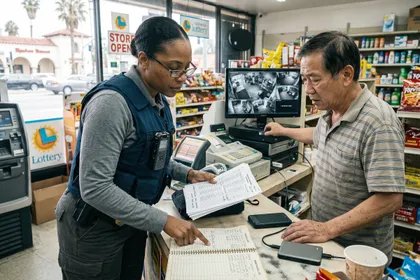
Missing or destroyed evidence can affect a claim, but it does not end it. A personal injury attorney can look for other sources of evidence. These can include business surveillance records, cell phone data, and maintenance logs. Expert witnesses can also fill evidentiary gaps. They can analyze available facts and offer professional opinions about how the accident occurred.
Can Social Media Posts Be Used As Evidence Against Me?
Yes. Insurance adjusters and defense lawyers might review social media posts during a claim. A photo of you being active or a post about a trip can challenge claims about your injuries or limits. Avoid posting about the accident, your injuries, or your activity level while your claim is active. Additionally, don’t delete posts without legal advice. It could lead to evidence problems, depending on the situation.
Do I Need Expert Witnesses To Prove My Personal Injury Claim?
Not every case requires an expert, but complex cases often do. Accident reconstructionists and medical experts can clarify disputes about causation or crash mechanics. They provide insights that the court may not evaluate on its own.
How Much Does It Cost To Hire A Personal Injury Lawyer?
The cost depends on the case’s complexity and the injury law firm’s billing structure. If a case is complicated, it may need more evidence, time, and resources. These factors can increase legal costs.
However, if your concern is, “Do lawyers only get paid if they win?”, the answer depends on how they take cases. If the lawyer works on a contingency fee basis, then they only receive legal fees if they settle or win a case. Many California personal injury law firms, including our El Cajon personal injury lawyers, handle injury claims on a contingency fee basis. Fee arrangements can vary. Ask your lawyer to explain their fee terms, including when the fee applies and which costs they may deduct from any recovery.
Speak With Our Lawyers About Your Personal Injury Claim
Physical evidence fades, witness memory dims, and businesses may overwrite surveillance footage within days of an incident. Our injury attorneys at AK Law can gather, preserve, and present the evidence your case depends on. Contact us at (888) 488-1391 for a free initial consultation.